
Polite comebacks for setting boundaries with grace
Struggling to stay professional when someone oversteps? Learn how to use sophisticated brush-offs to protect your peace and maintain your dignity.

Best quote from Polite comebacks for setting boundaries with grace
The foundation of a sophisticated brush-off isn’t about being mean—it’s about assertive clarity. It’s the difference between saying 'I’ll try to make it' when you know you won’t, and saying 'I’m going to pass, but thanks for thinking of me.'

This audio lesson was created by a BeFreed community member
I need to learn about polite ways to tell someone to fuck off.

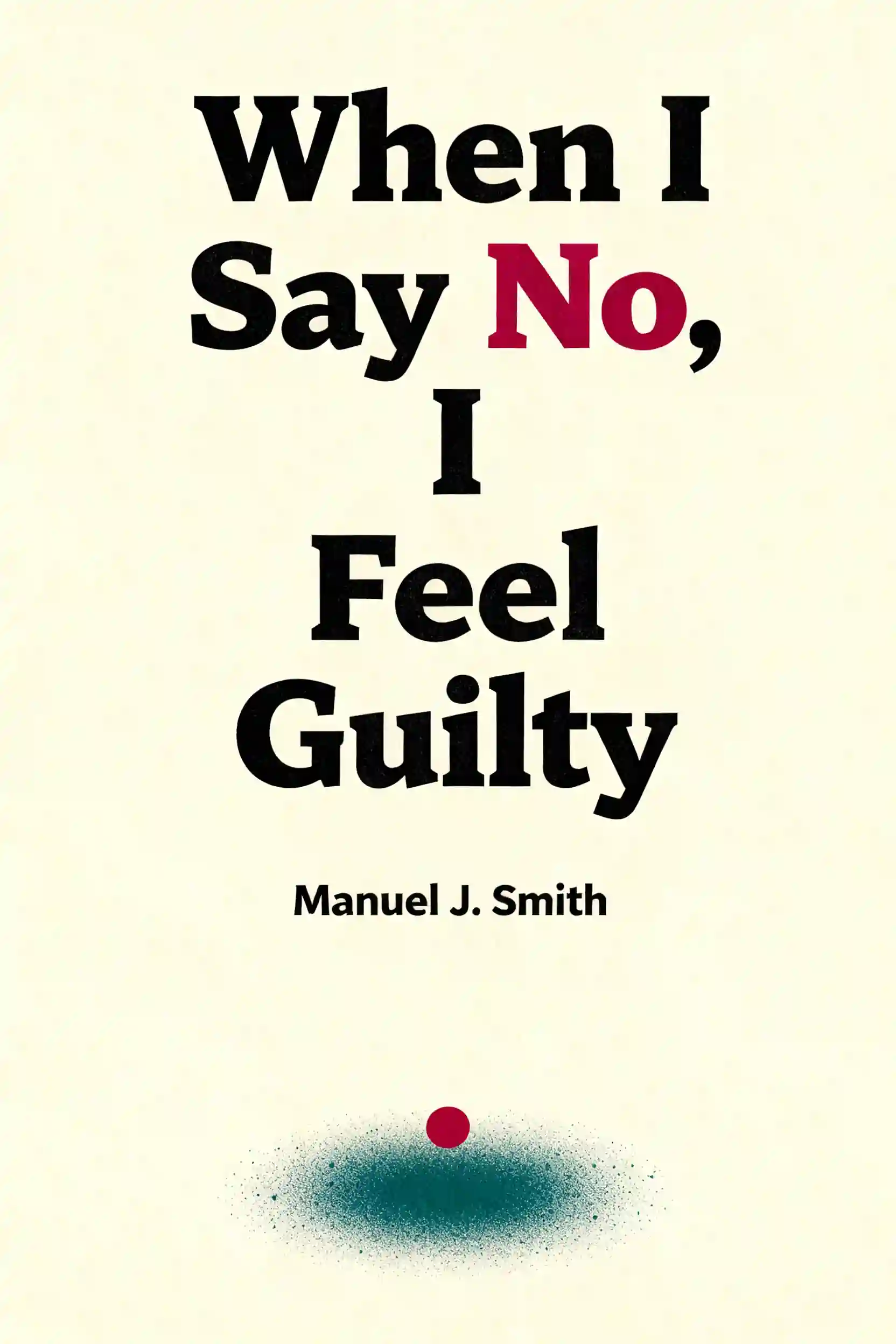
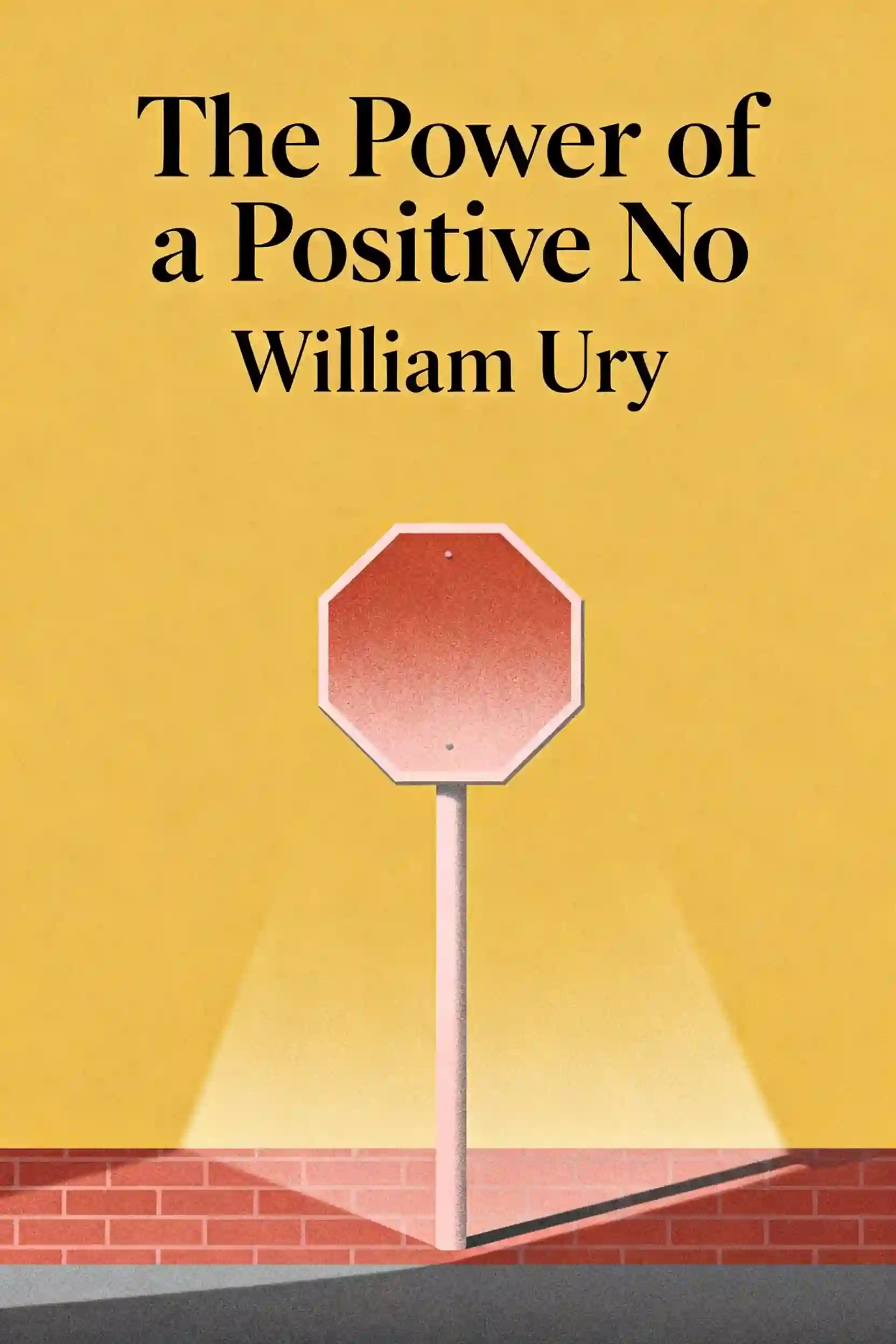
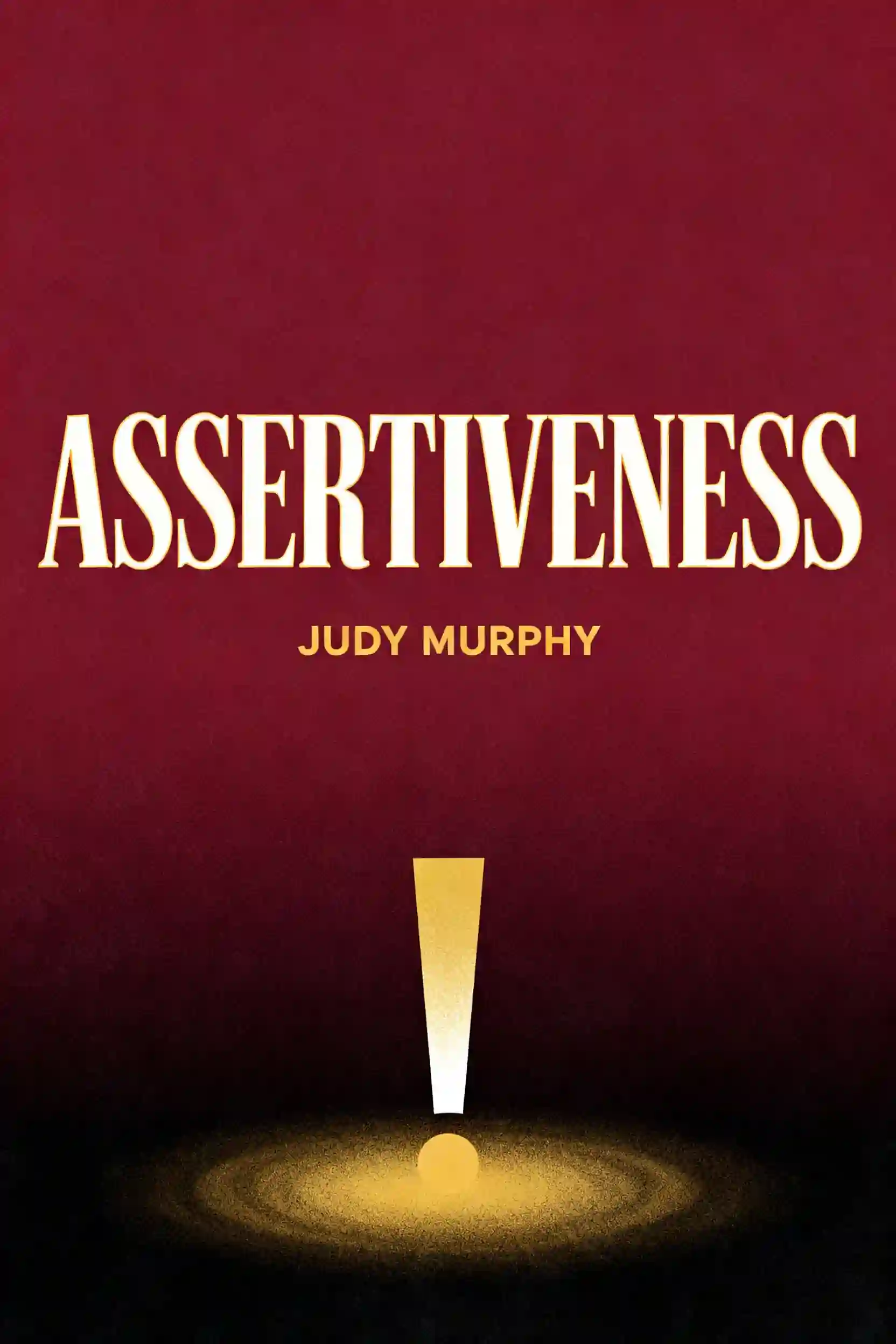

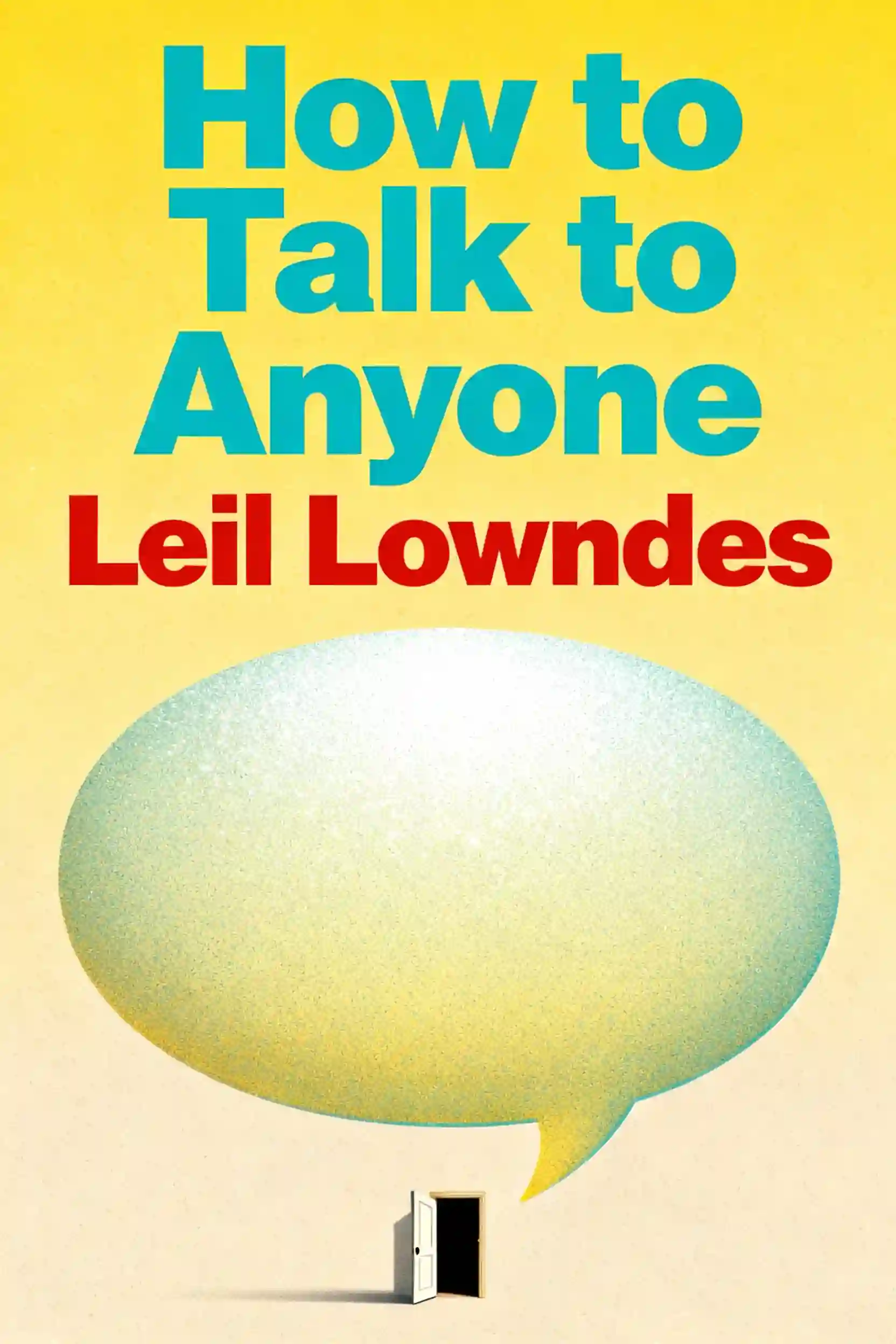
Frequently Asked Questions
Vague, non-committal answers are often intended to save face, but they actually invite more pressure because they leave the door open for negotiation. Research shows that direct yet polite refusals can reduce follow-up pressure by over forty percent. By stating a clear boundary, you eliminate the "loop" of follow-up questions and prevent others from trying to bargain for your time.
The SAT method is a structured way to deliver an elegant decline without sounding harsh. You begin with a positive acknowledgment of the person or project, then use the word "and" instead of "but" to state your boundary, and finish with a thank you or a forward-looking statement. Using "and" is a crucial subtle shift because it allows both the positive sentiment and the boundary to exist simultaneously, whereas "but" often acts as a verbal eraser that cancels out the initial compliment.
Instead of a flat refusal or a passive acceptance, you can use "strategic redirection." This involves showing the reality of your workload by asking the requester to help prioritize. For example, you might say you can take on the new task if they help you decide which current projects should be moved to the back burner. This frames you as a collaborative problem-solver who is committed to maintaining a high standard of quality rather than someone who is simply saying no.
Presumptive empathy is a psychological tool where you thank the other person for their understanding before they have even explicitly agreed to your boundary. By saying something like "Thanks for understanding," you signal that you expect them to be mature enough to respect your limit. This frames your refusal as a completely reasonable fact that has already been accepted, which effectively removes the opportunity for the other person to negotiate.
The key to digital boundaries is providing "time anchors" to manage expectations. Instead of leaving someone "on read," which creates anxiety, give a specific time for when you will respond, such as "I’ll get back to you by Friday." For overwhelming group chats, you can use a "courtesy exit" by stating your boundary—such as muting notifications to focus on family—without judging the conversation itself. This provides clarity and reduces the pressure for an instant response.
Discover more

Set boundaries without over-explaining
Set boundaries without over-explaining
This plan is essential for individuals who struggle with the guilt of saying no or find themselves trapped in cycles of people-pleasing. It is designed for professionals and individuals looking to reclaim their time and energy by mastering assertive, justification-free communication.

Set boundaries and assert myself confidently
Set boundaries and assert myself confidently
This plan is designed for individuals who struggle with people-pleasing or find it difficult to speak up in professional and personal settings. It provides a structured path from understanding self-worth to mastering the practical communication tools needed for healthy, respectful interactions.

Be better at boundaries
Be better at boundaries
This plan is essential for anyone feeling overwhelmed by people-pleasing or struggling to maintain personal space. It provides a roadmap for individuals seeking to reclaim their time and energy by mastering the delicate balance of firmness and kindness.

I want to set boundaries
I want to set boundaries
Setting and maintaining healthy boundaries is essential for protecting your well-being, reducing stress, and fostering authentic connections with others. This learning plan helps anyone who struggles with people-pleasing tendencies, feels overwhelmed by others' demands, or wants to build more balanced and respectful relationships.
Maintain dignity in public
Maintain dignity in public
In an era of instant public scrutiny, the ability to project composure and self-respect is a vital professional asset. This plan is designed for aspiring leaders and professionals who wish to cultivate a sophisticated presence and maintain their integrity in any social or high-stakes environment.
Stop people pleasing
Stop people pleasing
People-pleasing behaviors often stem from deep-seated fears of rejection and can lead to burnout, resentment, and loss of identity. This learning plan helps chronic people-pleasers develop healthier relationship dynamics by building boundary-setting skills and fostering authentic self-worth.
Speak appropriately on all occasions
Speak appropriately on all occasions
Effective communication is the foundation of professional success and social harmony. This plan is designed for professionals and individuals looking to refine their social intelligence and handle complex interactions with grace.

Become more assetive
Become more assetive
Many people struggle with expressing their needs and setting boundaries, often prioritizing others' comfort over their own wellbeing. This learning plan helps transform passive or aggressive communication patterns into healthy assertiveness, benefiting anyone who wants more balanced relationships and greater self-confidence.
From Columbia University alumni built in San Francisco
"Instead of endless scrolling, I just hit play on BeFreed. It saves me so much time."


"I never knew where to start with nonfiction—BeFreed’s book lists turned into podcasts gave me a clear path."


"Perfect balance between learning and entertainment. Finished ‘Thinking, Fast and Slow’ on my commute this week."
"Crazy how much I learned while walking the dog. BeFreed = small habits → big gains."
"Reading used to feel like a chore. Now it’s just part of my lifestyle."

"Feels effortless compared to reading. I’ve finished 6 books this month already."
"BeFreed turned my guilty doomscrolling into something that feels productive and inspiring."

"BeFreed turned my commute into learning time. 20-min podcasts are perfect for finishing books I never had time for."
"BeFreed replaced my podcast queue. Imagine Spotify for books — that’s it. 🙌"

"It is great for me to learn something from the book without reading it."
"The themed book list podcasts help me connect ideas across authors—like a guided audio journey."
"Makes me feel smarter every time before going to work"
From Columbia University alumni built in San Francisco
"Instead of endless scrolling, I just hit play on BeFreed. It saves me so much time."
"I never knew where to start with nonfiction—BeFreed’s book lists turned into podcasts gave me a clear path."
"Perfect balance between learning and entertainment. Finished ‘Thinking, Fast and Slow’ on my commute this week."
"Crazy how much I learned while walking the dog. BeFreed = small habits → big gains."
"Reading used to feel like a chore. Now it’s just part of my lifestyle."
"Feels effortless compared to reading. I’ve finished 6 books this month already."
"BeFreed turned my guilty doomscrolling into something that feels productive and inspiring."
"BeFreed turned my commute into learning time. 20-min podcasts are perfect for finishing books I never had time for."
"BeFreed replaced my podcast queue. Imagine Spotify for books — that’s it. 🙌"
"It is great for me to learn something from the book without reading it."
"The themed book list podcasts help me connect ideas across authors—like a guided audio journey."
"Makes me feel smarter every time before going to work"
"Instead of endless scrolling, I just hit play on BeFreed. It saves me so much time."
"I never knew where to start with nonfiction—BeFreed’s book lists turned into podcasts gave me a clear path."
"Perfect balance between learning and entertainment. Finished ‘Thinking, Fast and Slow’ on my commute this week."
"Crazy how much I learned while walking the dog. BeFreed = small habits → big gains."
"Reading used to feel like a chore. Now it’s just part of my lifestyle."
"Feels effortless compared to reading. I’ve finished 6 books this month already."
"BeFreed turned my guilty doomscrolling into something that feels productive and inspiring."
"BeFreed turned my commute into learning time. 20-min podcasts are perfect for finishing books I never had time for."
"BeFreed replaced my podcast queue. Imagine Spotify for books — that’s it. 🙌"
"It is great for me to learn something from the book without reading it."
"The themed book list podcasts help me connect ideas across authors—like a guided audio journey."
"Makes me feel smarter every time before going to work"
"Instead of endless scrolling, I just hit play on BeFreed. It saves me so much time."
"I never knew where to start with nonfiction—BeFreed’s book lists turned into podcasts gave me a clear path."
"Perfect balance between learning and entertainment. Finished ‘Thinking, Fast and Slow’ on my commute this week."
"Crazy how much I learned while walking the dog. BeFreed = small habits → big gains."
"Reading used to feel like a chore. Now it’s just part of my lifestyle."
"Feels effortless compared to reading. I’ve finished 6 books this month already."
"BeFreed turned my guilty doomscrolling into something that feels productive and inspiring."
"BeFreed turned my commute into learning time. 20-min podcasts are perfect for finishing books I never had time for."
"BeFreed replaced my podcast queue. Imagine Spotify for books — that’s it. 🙌"
"It is great for me to learn something from the book without reading it."
"The themed book list podcasts help me connect ideas across authors—like a guided audio journey."
"Makes me feel smarter every time before going to work"


