
PCOS Solutions: Small Changes, Big Results
Discover practical, science-backed strategies to manage PCOS effectively. From simple lifestyle tweaks that restore cycles to comprehensive treatment approaches that work with your body.

Best quote from PCOS Solutions: Small Changes, Big Results
Losing just 5 to 10% of your body weight if you're overweight can actually restore ovulatory cycles in about 30% of women with PCOS. It's really about smart, targeted approaches that work with your body, not against it.

This audio lesson was created by a BeFreed community member
Pcos solutions

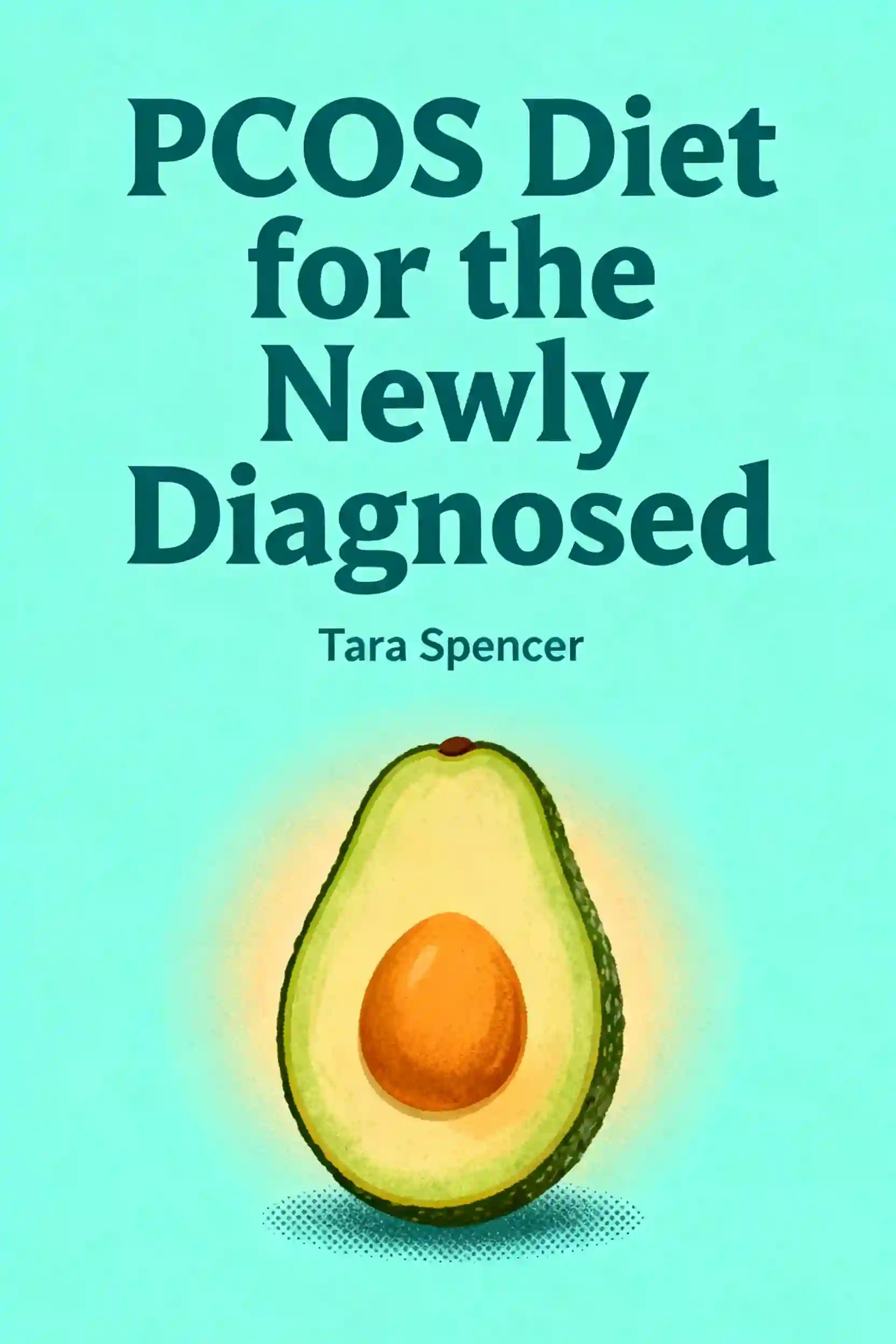
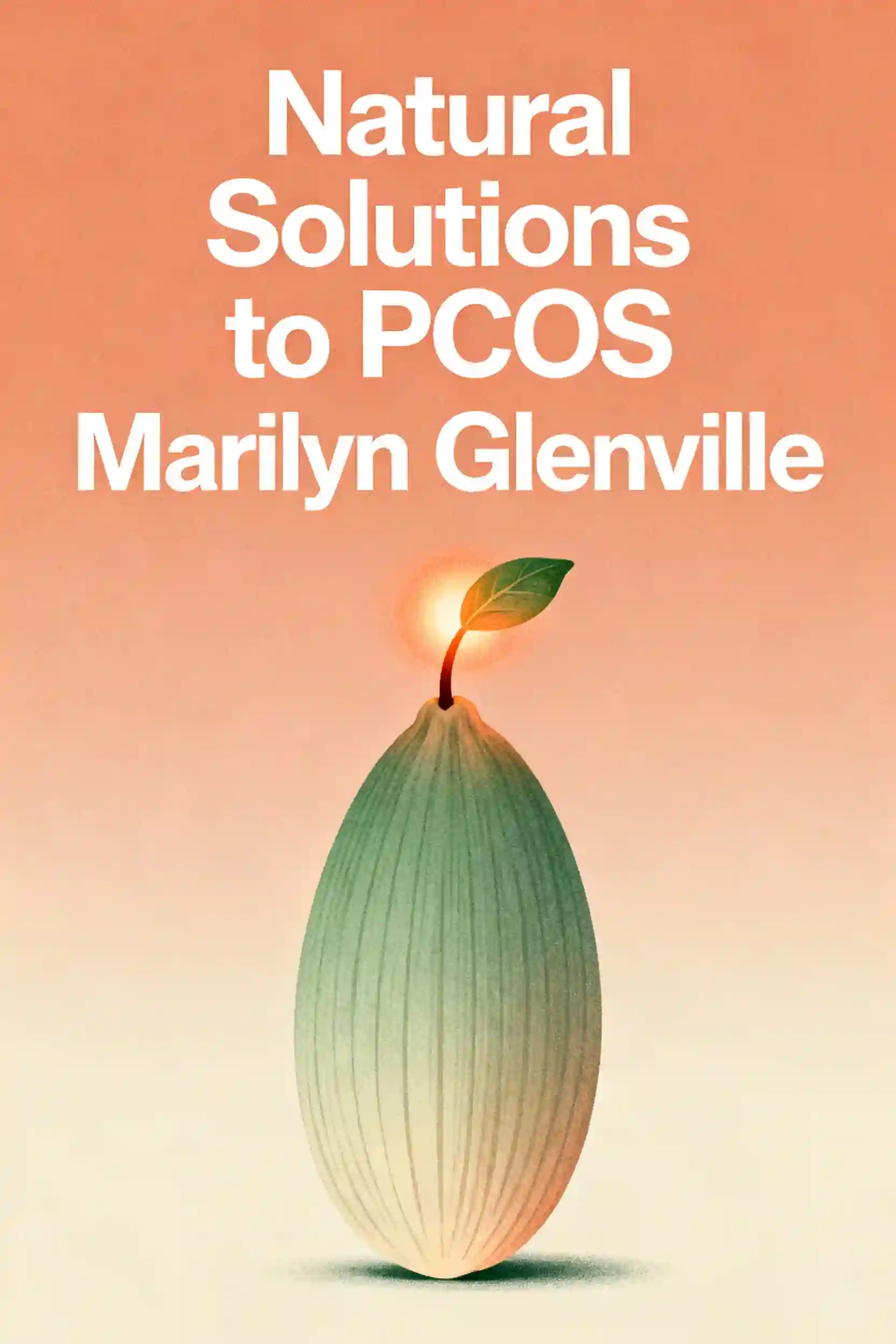
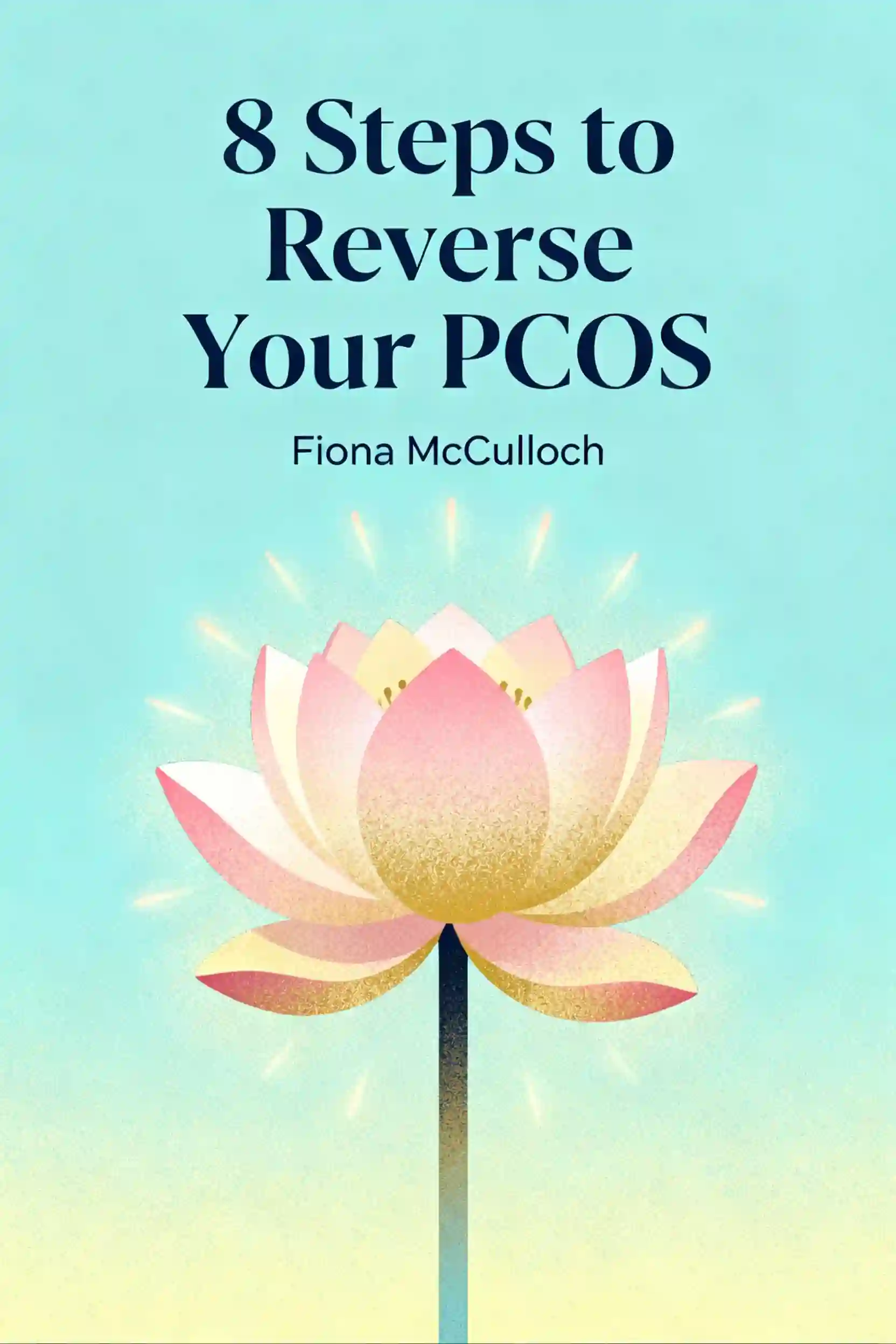
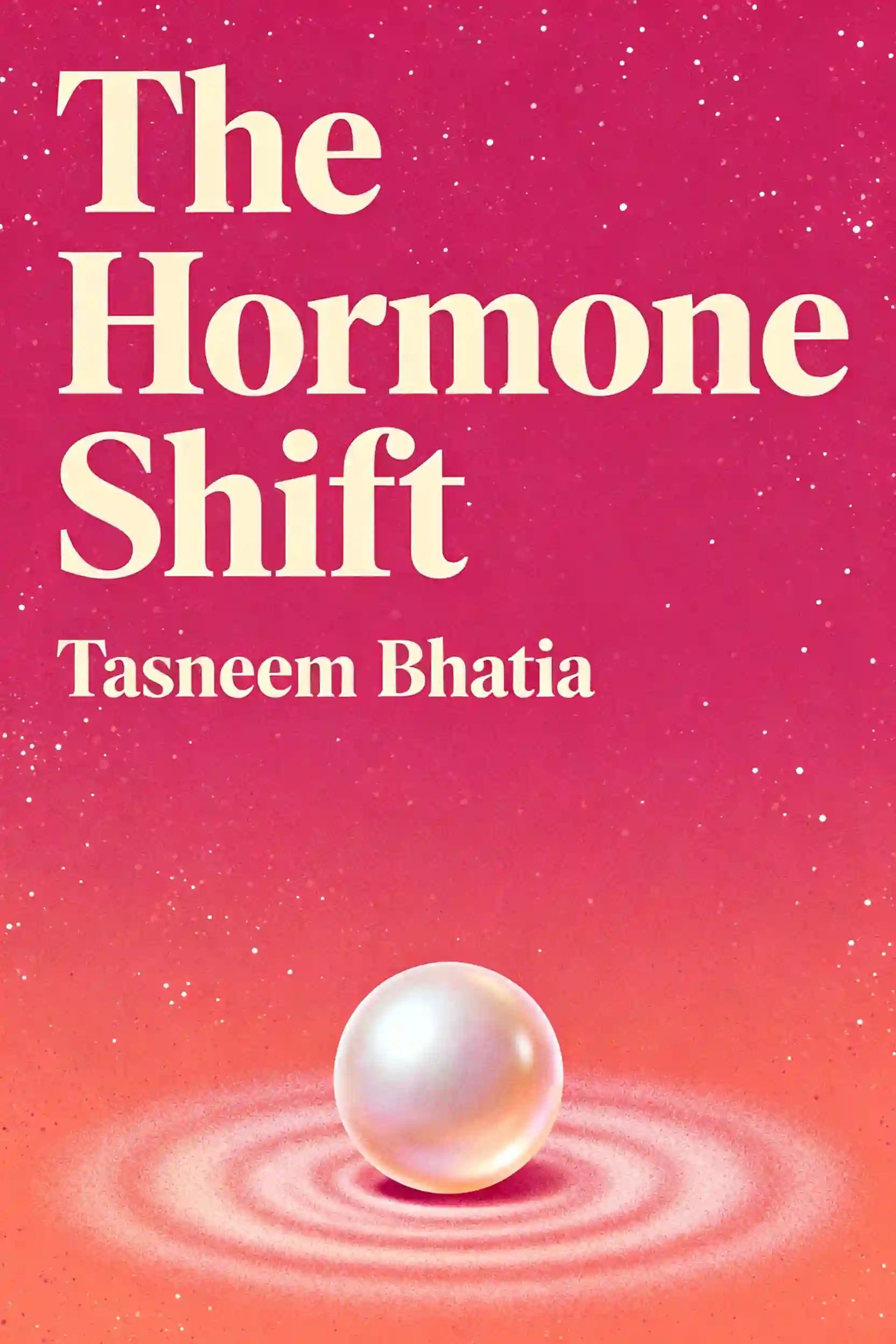
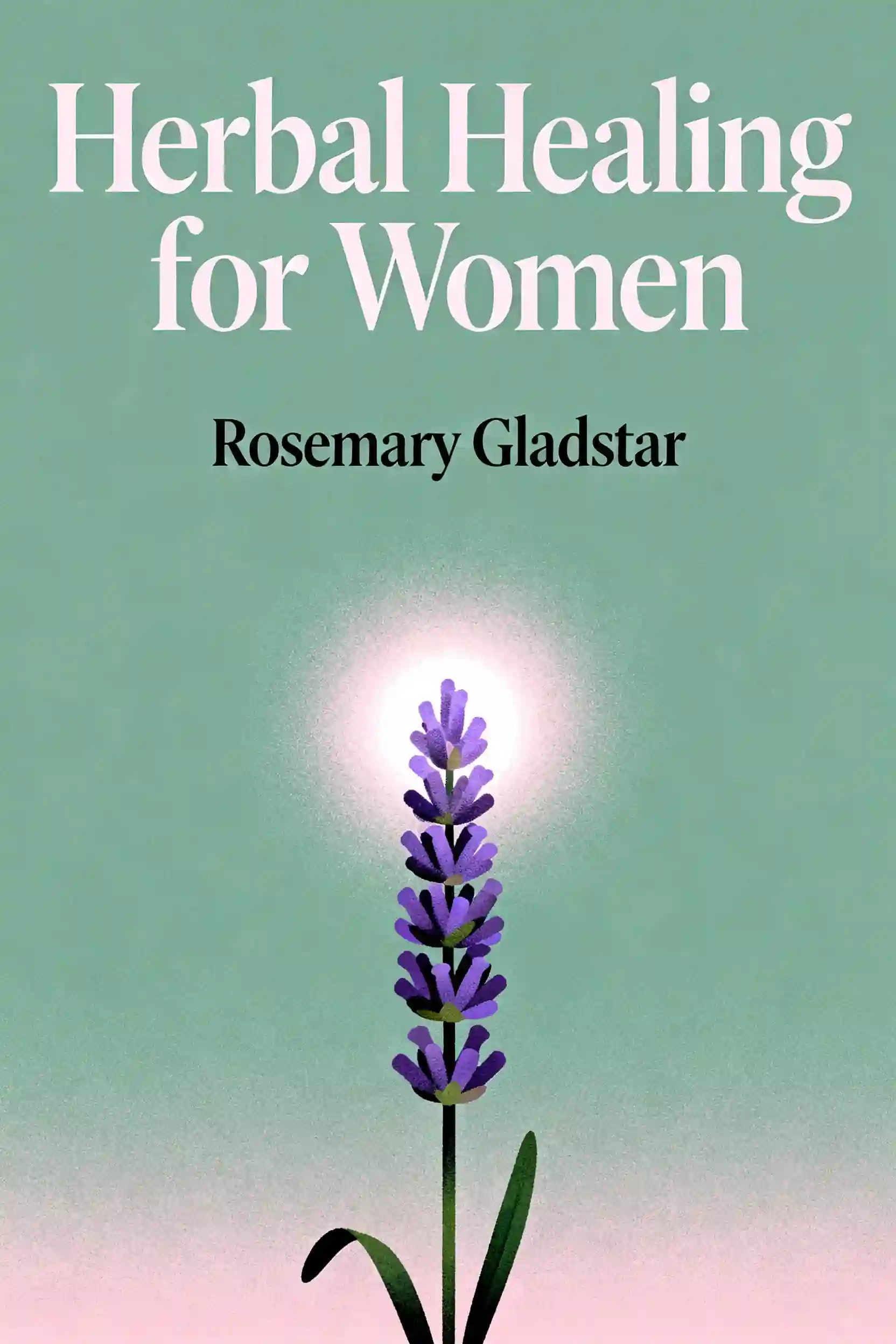
Discover more

Hormone optimization
Hormone optimization
Hormone optimization is fundamental to energy, vitality, and overall health yet remains poorly understood by most people. This learning plan provides evidence-based strategies for anyone experiencing hormonal challenges, seeking to improve performance, or looking to optimize their health span through balanced endocrine function.
Organize Life, Health & Home in Small Steps
Organize Life, Health & Home in Small Steps
This plan is essential for individuals feeling overwhelmed by the chaos of modern life and looking for a sustainable way to regain control. It is ideal for busy professionals and homeowners who want to improve their health and environment through manageable, science-backed habits rather than temporary fixes.

Lose 50lbs, Stay Positive & Find Myself
Lose 50lbs, Stay Positive & Find Myself
This plan is essential for individuals seeking a holistic transformation that goes beyond the scale. It is designed for those who want to combine physical health with deep psychological growth and self-discovery.

Optimize Health, Habits & Self-Improvement
Optimize Health, Habits & Self-Improvement
In an era of information overload, this plan synthesizes cutting-edge science into actionable lifestyle changes. It is designed for high-performers and health enthusiasts who want to bridge the gap between biological potential and daily habits.
Lose weight
Lose weight
This comprehensive plan is designed for individuals tired of fad diets who want a science-based approach to sustainable health. It bridges the gap between nutritional knowledge, physical activity, and the psychological shifts necessary for permanent lifestyle transformation.

Stop pornography and Masturbation
Stop pornography and Masturbation
This plan is designed for individuals seeking a science-based, compassionate path to overcoming compulsive behaviors. It provides a comprehensive roadmap for anyone looking to reclaim their mental focus, emotional health, and relational integrity.

Achieve a fit body and beautiful face shape
Achieve a fit body and beautiful face shape
This comprehensive guide is designed for individuals seeking a science-backed approach to total physical optimization. It bridges the gap between fitness, nutrition, and dermatological science to help high-performers achieve a balanced, aesthetic, and healthy lifestyle.

Look better, lose weight & learn medicine
Look better, lose weight & learn medicine
This plan bridges the gap between aesthetic fitness goals and clinical health literacy. It is ideal for individuals who want to transform their physique while gaining a professional-level understanding of how their body functions.
From Columbia University alumni built in San Francisco
"Instead of endless scrolling, I just hit play on BeFreed. It saves me so much time."


"I never knew where to start with nonfiction—BeFreed’s book lists turned into podcasts gave me a clear path."


"Perfect balance between learning and entertainment. Finished ‘Thinking, Fast and Slow’ on my commute this week."
"Crazy how much I learned while walking the dog. BeFreed = small habits → big gains."
"Reading used to feel like a chore. Now it’s just part of my lifestyle."

"Feels effortless compared to reading. I’ve finished 6 books this month already."
"BeFreed turned my guilty doomscrolling into something that feels productive and inspiring."

"BeFreed turned my commute into learning time. 20-min podcasts are perfect for finishing books I never had time for."
"BeFreed replaced my podcast queue. Imagine Spotify for books — that’s it. 🙌"

"It is great for me to learn something from the book without reading it."
"The themed book list podcasts help me connect ideas across authors—like a guided audio journey."
"Makes me feel smarter every time before going to work"
From Columbia University alumni built in San Francisco
"Instead of endless scrolling, I just hit play on BeFreed. It saves me so much time."
"I never knew where to start with nonfiction—BeFreed’s book lists turned into podcasts gave me a clear path."
"Perfect balance between learning and entertainment. Finished ‘Thinking, Fast and Slow’ on my commute this week."
"Crazy how much I learned while walking the dog. BeFreed = small habits → big gains."
"Reading used to feel like a chore. Now it’s just part of my lifestyle."
"Feels effortless compared to reading. I’ve finished 6 books this month already."
"BeFreed turned my guilty doomscrolling into something that feels productive and inspiring."
"BeFreed turned my commute into learning time. 20-min podcasts are perfect for finishing books I never had time for."
"BeFreed replaced my podcast queue. Imagine Spotify for books — that’s it. 🙌"
"It is great for me to learn something from the book without reading it."
"The themed book list podcasts help me connect ideas across authors—like a guided audio journey."
"Makes me feel smarter every time before going to work"
"Instead of endless scrolling, I just hit play on BeFreed. It saves me so much time."
"I never knew where to start with nonfiction—BeFreed’s book lists turned into podcasts gave me a clear path."
"Perfect balance between learning and entertainment. Finished ‘Thinking, Fast and Slow’ on my commute this week."
"Crazy how much I learned while walking the dog. BeFreed = small habits → big gains."
"Reading used to feel like a chore. Now it’s just part of my lifestyle."
"Feels effortless compared to reading. I’ve finished 6 books this month already."
"BeFreed turned my guilty doomscrolling into something that feels productive and inspiring."
"BeFreed turned my commute into learning time. 20-min podcasts are perfect for finishing books I never had time for."
"BeFreed replaced my podcast queue. Imagine Spotify for books — that’s it. 🙌"
"It is great for me to learn something from the book without reading it."
"The themed book list podcasts help me connect ideas across authors—like a guided audio journey."
"Makes me feel smarter every time before going to work"
"Instead of endless scrolling, I just hit play on BeFreed. It saves me so much time."
"I never knew where to start with nonfiction—BeFreed’s book lists turned into podcasts gave me a clear path."
"Perfect balance between learning and entertainment. Finished ‘Thinking, Fast and Slow’ on my commute this week."
"Crazy how much I learned while walking the dog. BeFreed = small habits → big gains."
"Reading used to feel like a chore. Now it’s just part of my lifestyle."
"Feels effortless compared to reading. I’ve finished 6 books this month already."
"BeFreed turned my guilty doomscrolling into something that feels productive and inspiring."
"BeFreed turned my commute into learning time. 20-min podcasts are perfect for finishing books I never had time for."
"BeFreed replaced my podcast queue. Imagine Spotify for books — that’s it. 🙌"
"It is great for me to learn something from the book without reading it."
"The themed book list podcasts help me connect ideas across authors—like a guided audio journey."
"Makes me feel smarter every time before going to work"


