
Parental triggers and why we lose our temper
Struggling with yelling or reacting to your child's screaming? Learn why your nervous system hits survival mode and how to move toward calm connection.

Best quote from Parental triggers and why we lose our temper
Yelling is a regulation signal that we’ve reached our limit, not a character flaw. When we recognize that a trigger is more about our own internal history than our child's behavior, we shift from trying to fix them to regulating ourselves so we can actually parent them.

This audio lesson was created by a BeFreed community member
When my 5 year old daughter yells at me and this has always been a trigger of mine with screaming or crying at me, I lose my temper sometimes and end up screaming back at her and worst I say mean things or smack her. How do I stop myself from being like this to her. It doesn't happen with my son, just my daughter.


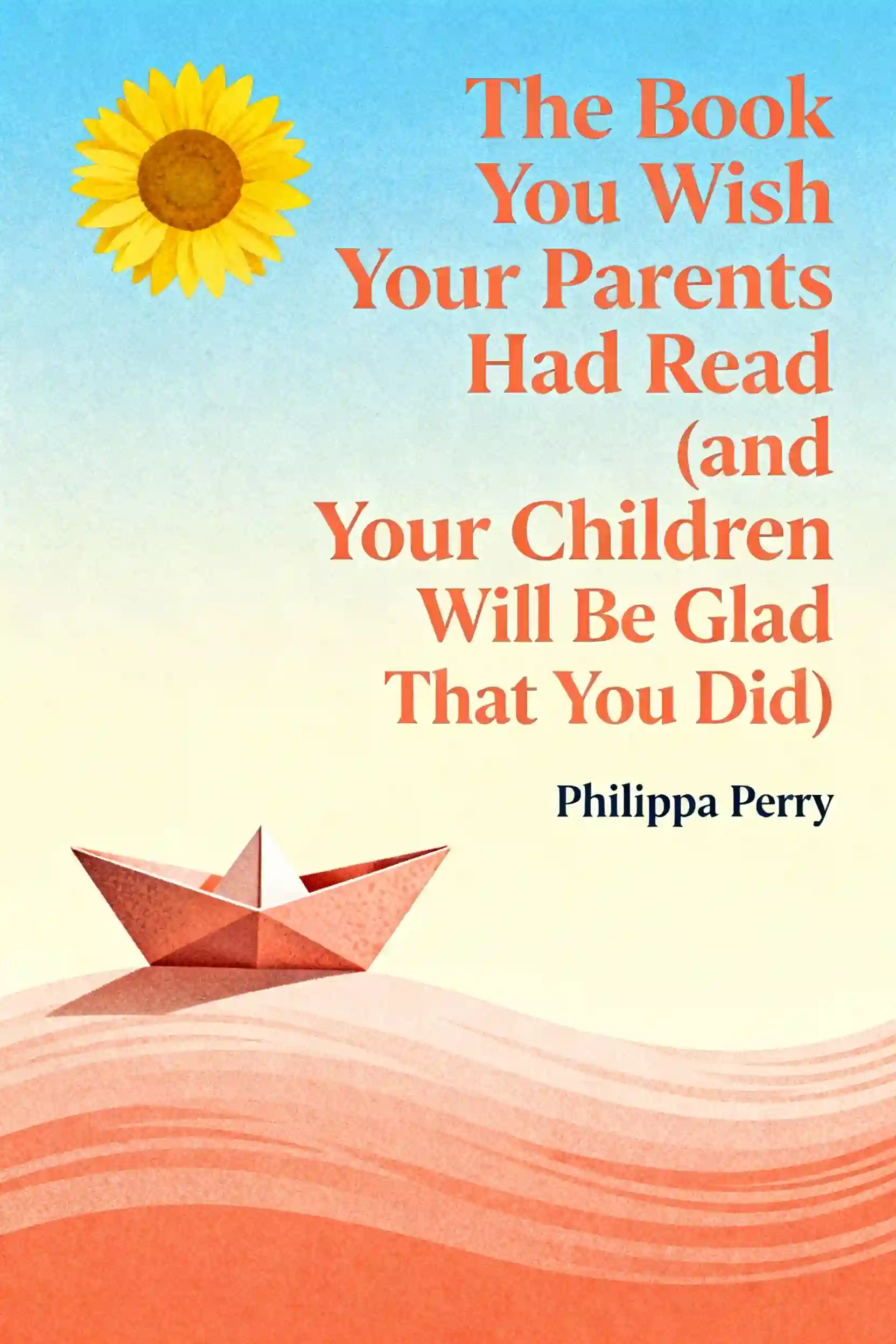
Frequently Asked Questions
Triggers are often less about a child's specific behavior and more about the "shadow" qualities or internal rules the parent carries. If a parent was raised to believe that certain behaviors—like being loud or emotional—are unacceptable for their gender, they may unconsciously project that suppressed frustration onto a child of the same gender. In this case, the child acts as a mirror for a part of the parent’s identity that they were taught to hide or "police" in themselves, whereas a child of a different gender may not trigger those same internal "survival rules."
Research suggests that yelling is not a character flaw or a discipline failure, but rather a "regulation signal." When a parent yells, their nervous system has shifted into a fight-or-flight response because it perceives a threat, often due to a depleted "regulation tank" caused by stress, exhaustion, or mental load. It indicates that the parent’s internal smoke detector is going off, moving them into survival mode where the logical part of the brain—the prefrontal cortex—effectively goes offline.
The most effective way to interrupt a "fight" response is to use physiological "circuit breakers" to signal safety to the nervous system. This includes taking three slow, deep breaths to activate the parasympathetic nervous system, lowering your voice to a whisper to force self-regulation, or splashing cold water on your face to trigger the dive reflex and slow your heart rate. Stepping away for a "parental time-out" to ground yourself allows you to return to the situation with a regulated brain, which is necessary before you can effectively coach or discipline a child.
A traditional "Time-Out" often involves isolating a child, which can feel like abandonment and increase their anxiety or shame without teaching them how to manage their emotions. In contrast, "Co-regulation" involves staying present with the child and offering them your own calm to help settle their nervous system. By validating their feelings before correcting their behavior—such as saying, "I see you are very mad, but hitting is not okay"—you provide the "external scaffold" their developing brain needs to eventually learn self-regulation.
The most important step after a blow-up is "repair after the rupture." Once both the parent and child are calm, the parent should take responsibility by apologizing and explaining that their reaction was not okay. This models humility and emotional intelligence, showing the child that relationships are resilient and that mistakes can be fixed. Focusing on repair and reflection—asking what triggered the event and how to handle it differently next time—is more valuable for long-term growth than striving for unattainable perfection.
Discover more

Be a Better Parent
Be a Better Parent
This learning plan is essential for parents looking to move beyond reactive discipline toward a relationship-based approach. It is ideal for anyone seeking to build emotional resilience in their children while maintaining their own mental clarity and self-care.

Control anger, be wise threat
Control anger, be wise threat
In today's high-pressure world, uncontrolled anger can damage relationships, careers, and health. This learning plan equips you with evidence-based techniques to understand anger triggers, regulate emotional responses, and transform threatening situations into opportunities for wise action.

Over come anger
Over come anger
Uncontrolled anger can damage relationships, impair decision-making, and negatively impact physical health. This learning plan provides practical strategies for anyone seeking to understand their anger triggers, develop emotional regulation skills, and create lasting change through mindfulness practices.

Stop feeling angry so much
Stop feeling angry so much
Frequent anger can damage relationships, harm your health, and leave you feeling out of control. This plan is designed for anyone who finds themselves overreacting to daily frustrations, struggling with a short temper, or wanting to break free from explosive emotional patterns that no longer serve them.
Navigate first grader's big emotions
Navigate first grader's big emotions
This learning plan is essential for parents of young children who feel overwhelmed by the intensity of first-grade emotional transitions. It provides a roadmap for moving from reactive parenting to proactive coaching by focusing on both the child's brain development and the parent's own emotional regulation. Caregivers seeking to build a foundation of resilience and secure attachment will find these strategies transformative for their daily family life.

Improve Parenting & Communication Skills
Improve Parenting & Communication Skills
Modern parenting requires balancing emotional intelligence with firm boundaries. This plan is ideal for parents seeking to move away from reactive discipline toward a proactive, science-based approach that strengthens family bonds.
From Columbia University alumni built in San Francisco
"Instead of endless scrolling, I just hit play on BeFreed. It saves me so much time."


"I never knew where to start with nonfiction—BeFreed’s book lists turned into podcasts gave me a clear path."


"Perfect balance between learning and entertainment. Finished ‘Thinking, Fast and Slow’ on my commute this week."
"Crazy how much I learned while walking the dog. BeFreed = small habits → big gains."
"Reading used to feel like a chore. Now it’s just part of my lifestyle."

"Feels effortless compared to reading. I’ve finished 6 books this month already."
"BeFreed turned my guilty doomscrolling into something that feels productive and inspiring."

"BeFreed turned my commute into learning time. 20-min podcasts are perfect for finishing books I never had time for."
"BeFreed replaced my podcast queue. Imagine Spotify for books — that’s it. 🙌"

"It is great for me to learn something from the book without reading it."
"The themed book list podcasts help me connect ideas across authors—like a guided audio journey."
"Makes me feel smarter every time before going to work"
From Columbia University alumni built in San Francisco
"Instead of endless scrolling, I just hit play on BeFreed. It saves me so much time."
"I never knew where to start with nonfiction—BeFreed’s book lists turned into podcasts gave me a clear path."
"Perfect balance between learning and entertainment. Finished ‘Thinking, Fast and Slow’ on my commute this week."
"Crazy how much I learned while walking the dog. BeFreed = small habits → big gains."
"Reading used to feel like a chore. Now it’s just part of my lifestyle."
"Feels effortless compared to reading. I’ve finished 6 books this month already."
"BeFreed turned my guilty doomscrolling into something that feels productive and inspiring."
"BeFreed turned my commute into learning time. 20-min podcasts are perfect for finishing books I never had time for."
"BeFreed replaced my podcast queue. Imagine Spotify for books — that’s it. 🙌"
"It is great for me to learn something from the book without reading it."
"The themed book list podcasts help me connect ideas across authors—like a guided audio journey."
"Makes me feel smarter every time before going to work"
"Instead of endless scrolling, I just hit play on BeFreed. It saves me so much time."
"I never knew where to start with nonfiction—BeFreed’s book lists turned into podcasts gave me a clear path."
"Perfect balance between learning and entertainment. Finished ‘Thinking, Fast and Slow’ on my commute this week."
"Crazy how much I learned while walking the dog. BeFreed = small habits → big gains."
"Reading used to feel like a chore. Now it’s just part of my lifestyle."
"Feels effortless compared to reading. I’ve finished 6 books this month already."
"BeFreed turned my guilty doomscrolling into something that feels productive and inspiring."
"BeFreed turned my commute into learning time. 20-min podcasts are perfect for finishing books I never had time for."
"BeFreed replaced my podcast queue. Imagine Spotify for books — that’s it. 🙌"
"It is great for me to learn something from the book without reading it."
"The themed book list podcasts help me connect ideas across authors—like a guided audio journey."
"Makes me feel smarter every time before going to work"
"Instead of endless scrolling, I just hit play on BeFreed. It saves me so much time."
"I never knew where to start with nonfiction—BeFreed’s book lists turned into podcasts gave me a clear path."
"Perfect balance between learning and entertainment. Finished ‘Thinking, Fast and Slow’ on my commute this week."
"Crazy how much I learned while walking the dog. BeFreed = small habits → big gains."
"Reading used to feel like a chore. Now it’s just part of my lifestyle."
"Feels effortless compared to reading. I’ve finished 6 books this month already."
"BeFreed turned my guilty doomscrolling into something that feels productive and inspiring."
"BeFreed turned my commute into learning time. 20-min podcasts are perfect for finishing books I never had time for."
"BeFreed replaced my podcast queue. Imagine Spotify for books — that’s it. 🙌"
"It is great for me to learn something from the book without reading it."
"The themed book list podcasts help me connect ideas across authors—like a guided audio journey."
"Makes me feel smarter every time before going to work"


