
Norse Mythology and Why the Gods Aren't Immortal
If the gods are doomed to die, what makes them divine? Explore the fragile world of Yggdrasil and learn how ancient Heathenry finds meaning in mortality.

Best quote from Norse Mythology and Why the Gods Aren't Immortal
The Norse gods have a biography; they have a beginning, a middle, and a very definite end. It’s a 'do your best until the world burns' religion that prizes the effort of the struggle over the guarantee of the outcome.

This audio lesson was created by a BeFreed community member
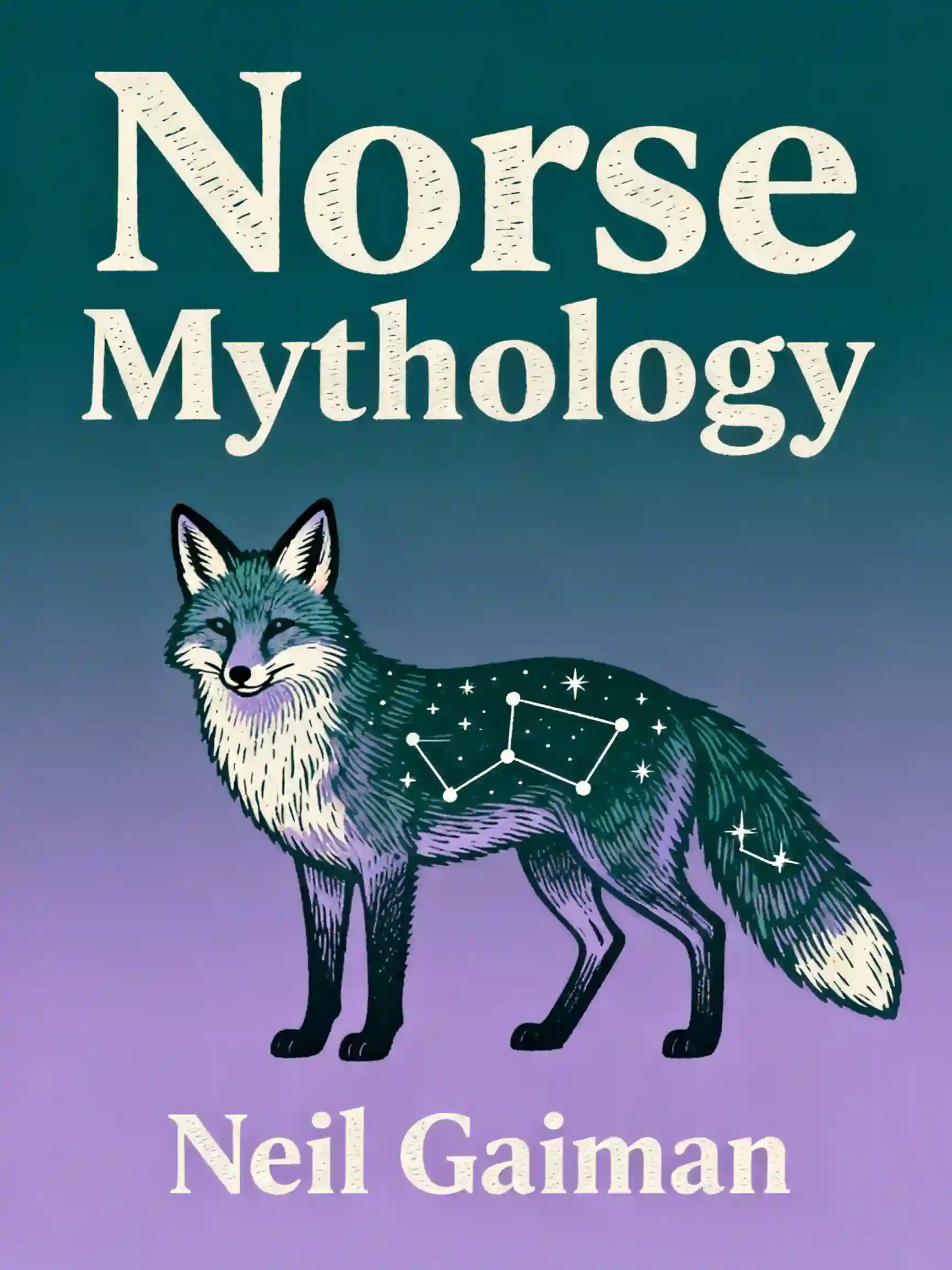
Norse Mythology


Frequently Asked Questions
In Norse mythology, divinity is a sustained state rather than an inherent, eternal quality. The gods experience biological vulnerabilities such as aging, fatigue, and physical injury. To maintain their youth and power, they must regularly consume specific golden apples guarded by the goddess Idunn. This creates a "biography" for the gods, where they have a clear beginning, middle, and a predestined end at Ragnarok, making their existence a fragile grace rather than an untouchable eternity.
Yggdrasil, the World Tree, serves as the organic nervous system of the Norse cosmos, physically connecting the Nine Worlds. It is considered fragile because it is under constant biological attack: the serpent Nidhogg gnaws at its roots, an eagle and a squirrel create friction along its trunk, and stags eat its leaves. The tree requires manual labor and daily sacrifice from the Norns, who apply water and silt to its roots to prevent rot, illustrating the theme that the universe requires active care to survive.
The Aesir-Vanir War was not a battle of good versus evil, but rather a clash of "portfolios" or societal functions. The Aesir represented social order, law, and sovereign power, while the Vanir represented fertility, magic, and the vitality of nature. The war ended in a truce and an exchange of hostages because both sides realized that a functioning society requires an integration of both forces; law without vitality is sterile, and vitality without structure is chaotic.
Wisdom in Norse myth is always tied to personal loss and ordeal rather than passive study. To gain deep insight and the secret of the runes, Odin performed a "symbolic death" by hanging himself from Yggdrasil for nine nights, pierced by a spear. He also sacrificed one of his eyes for a single drink from Mimir’s Well, the source of hidden knowledge. These sacrifices allowed him to see the interconnections of the Nine Worlds, though they also burdened him with the tragic foreknowledge of his own inevitable death.
Seidr is a form of shamanic magic involving trances, spirit journeys, and "soul-flight," traditionally practiced by female seers known as völvas. It was considered controversial and "unmanly" (ergi) for male warriors because it required a receptive, vulnerable state—opening oneself up to external spirits—which conflicted with the Viking ideal of maintaining absolute physical control. Despite this social stigma, Odin chose to learn seidr from the goddess Freyja, valuing the power of visionary knowledge over social status.
Discover more

Norse mythology and Greek mythology
Norse mythology and Greek mythology
This learning plan offers a comprehensive bridge between two of history's most influential belief systems, providing deep insights into human storytelling and cultural identity. It is ideal for students of literature, history buffs, or anyone interested in the psychological roots of modern media and archetypes.

Greek mythology
Greek mythology
Greek mythology provides a foundational framework for understanding Western culture, literature, and human psychology. This plan is ideal for students, writers, or history enthusiasts seeking to bridge ancient wisdom with modern creative inspiration.
Study world mythologies
Study world mythologies
This comprehensive study of world mythologies is essential for anyone seeking to understand the foundational stories that have shaped human culture, art, literature, and thought across millennia. It's ideal for students of literature, history, psychology, and cultural studies, as well as writers, educators, and curious minds who want to grasp the deeper patterns connecting human experience. Understanding mythology provides invaluable context for interpreting everything from ancient texts to modern films, while revealing timeless wisdom about the human condition.

Hindu & Greek Mythology: Key Similarities
Hindu & Greek Mythology: Key Similarities
This plan offers a deep dive into the cross-cultural connections between two of the world's most influential mythologies. It is ideal for students of humanities, writers, or anyone interested in the psychological and spiritual patterns that shape human storytelling.

Immortality
Immortality
This plan bridges the gap between speculative science and actionable health strategies for those obsessed with longevity. It is ideal for biohackers, futurists, and anyone seeking to understand the biological and ethical frontiers of extending human life indefinitely.

Study Hellenic & Greco-Egyptian Polytheism
Study Hellenic & Greco-Egyptian Polytheism
This plan offers a deep dive into the spiritual foundations of Western and North African antiquity, highlighting the unique intersection of two powerful cultures. It is ideal for history enthusiasts, students of religion, and those interested in the origins of Hermeticism and syncretic traditions.
How to not be sad about my upcoming death
How to not be sad about my upcoming death
This learning plan is designed for individuals seeking to transform existential dread into a catalyst for personal growth and peace. It provides a comprehensive approach for anyone looking to reconcile with mortality by blending modern psychology with ancient philosophical wisdom.
Myth, Magic, Psych, Art & World Building
Myth, Magic, Psych, Art & World Building
This interdisciplinary curriculum is essential for creators who want to build immersive worlds rooted in human truth and psychological depth. It is ideal for writers, game designers, and concept artists seeking to blend ancient storytelling wisdom with modern creative frameworks.
From Columbia University alumni built in San Francisco
"Instead of endless scrolling, I just hit play on BeFreed. It saves me so much time."


"I never knew where to start with nonfiction—BeFreed’s book lists turned into podcasts gave me a clear path."


"Perfect balance between learning and entertainment. Finished ‘Thinking, Fast and Slow’ on my commute this week."
"Crazy how much I learned while walking the dog. BeFreed = small habits → big gains."
"Reading used to feel like a chore. Now it’s just part of my lifestyle."

"Feels effortless compared to reading. I’ve finished 6 books this month already."
"BeFreed turned my guilty doomscrolling into something that feels productive and inspiring."

"BeFreed turned my commute into learning time. 20-min podcasts are perfect for finishing books I never had time for."
"BeFreed replaced my podcast queue. Imagine Spotify for books — that’s it. 🙌"

"It is great for me to learn something from the book without reading it."
"The themed book list podcasts help me connect ideas across authors—like a guided audio journey."
"Makes me feel smarter every time before going to work"
From Columbia University alumni built in San Francisco
"Instead of endless scrolling, I just hit play on BeFreed. It saves me so much time."
"I never knew where to start with nonfiction—BeFreed’s book lists turned into podcasts gave me a clear path."
"Perfect balance between learning and entertainment. Finished ‘Thinking, Fast and Slow’ on my commute this week."
"Crazy how much I learned while walking the dog. BeFreed = small habits → big gains."
"Reading used to feel like a chore. Now it’s just part of my lifestyle."
"Feels effortless compared to reading. I’ve finished 6 books this month already."
"BeFreed turned my guilty doomscrolling into something that feels productive and inspiring."
"BeFreed turned my commute into learning time. 20-min podcasts are perfect for finishing books I never had time for."
"BeFreed replaced my podcast queue. Imagine Spotify for books — that’s it. 🙌"
"It is great for me to learn something from the book without reading it."
"The themed book list podcasts help me connect ideas across authors—like a guided audio journey."
"Makes me feel smarter every time before going to work"
"Instead of endless scrolling, I just hit play on BeFreed. It saves me so much time."
"I never knew where to start with nonfiction—BeFreed’s book lists turned into podcasts gave me a clear path."
"Perfect balance between learning and entertainment. Finished ‘Thinking, Fast and Slow’ on my commute this week."
"Crazy how much I learned while walking the dog. BeFreed = small habits → big gains."
"Reading used to feel like a chore. Now it’s just part of my lifestyle."
"Feels effortless compared to reading. I’ve finished 6 books this month already."
"BeFreed turned my guilty doomscrolling into something that feels productive and inspiring."
"BeFreed turned my commute into learning time. 20-min podcasts are perfect for finishing books I never had time for."
"BeFreed replaced my podcast queue. Imagine Spotify for books — that’s it. 🙌"
"It is great for me to learn something from the book without reading it."
"The themed book list podcasts help me connect ideas across authors—like a guided audio journey."
"Makes me feel smarter every time before going to work"
"Instead of endless scrolling, I just hit play on BeFreed. It saves me so much time."
"I never knew where to start with nonfiction—BeFreed’s book lists turned into podcasts gave me a clear path."
"Perfect balance between learning and entertainment. Finished ‘Thinking, Fast and Slow’ on my commute this week."
"Crazy how much I learned while walking the dog. BeFreed = small habits → big gains."
"Reading used to feel like a chore. Now it’s just part of my lifestyle."
"Feels effortless compared to reading. I’ve finished 6 books this month already."
"BeFreed turned my guilty doomscrolling into something that feels productive and inspiring."
"BeFreed turned my commute into learning time. 20-min podcasts are perfect for finishing books I never had time for."
"BeFreed replaced my podcast queue. Imagine Spotify for books — that’s it. 🙌"
"It is great for me to learn something from the book without reading it."
"The themed book list podcasts help me connect ideas across authors—like a guided audio journey."
"Makes me feel smarter every time before going to work"


