

Best quote from Nature's tiny worlds and the art of looking closer
Scientists do not rush. You’re training your brain to see what’s actually there, not just what you think is there.

This audio lesson was created by a BeFreed community member
Something fun for my 9 year old daughter to learn about

Frequently Asked Questions
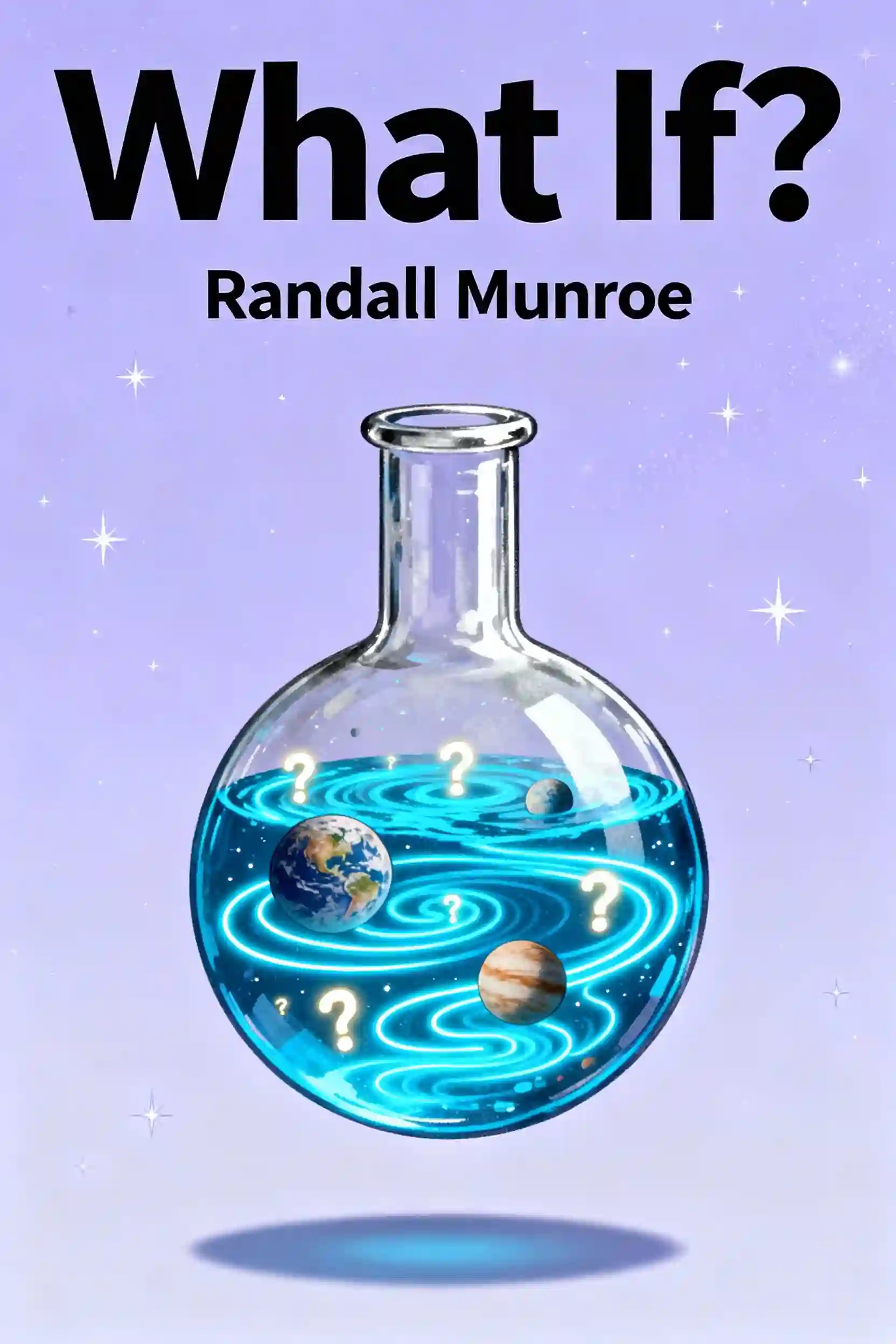
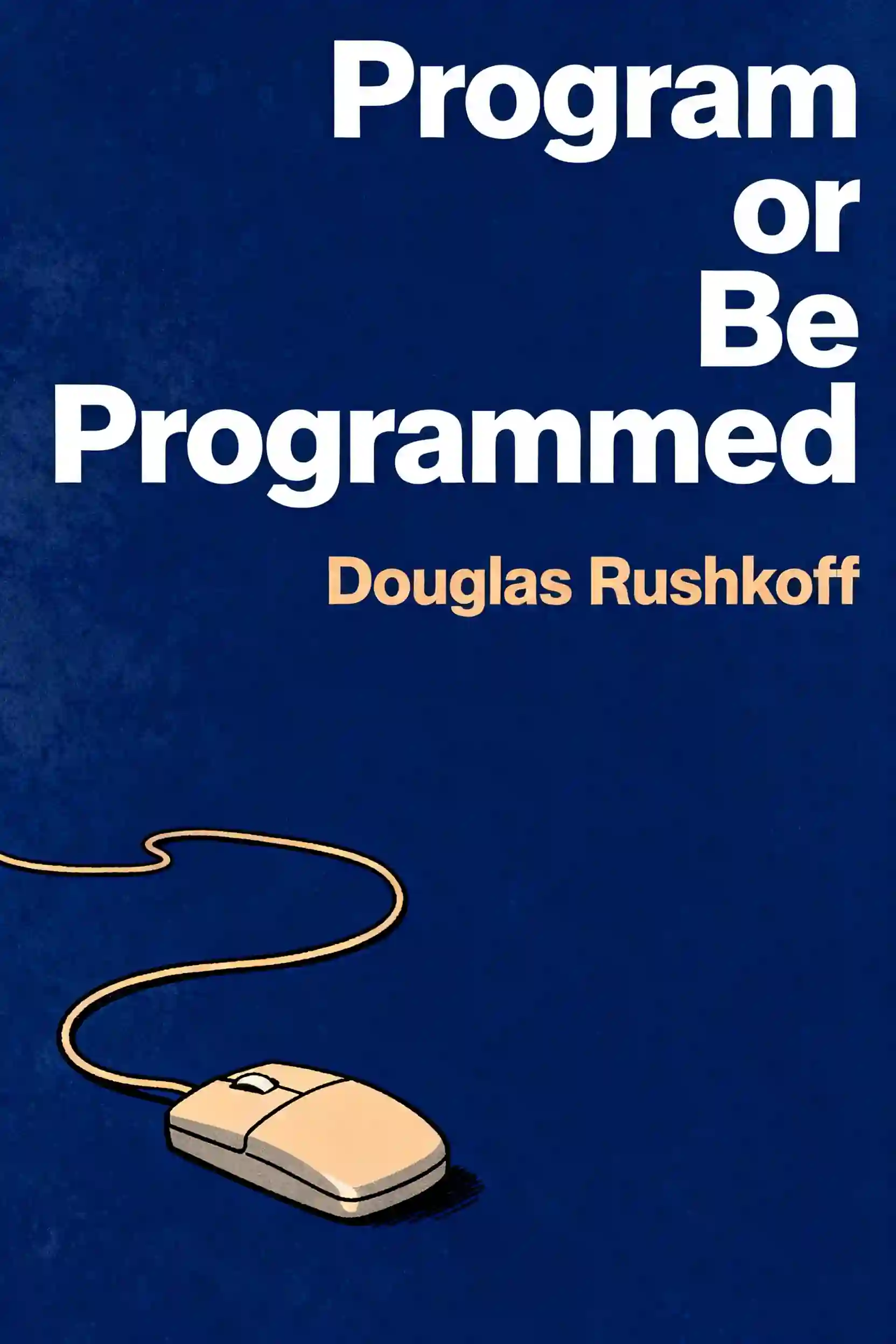
Maria Sibylla Merian was an artist and naturalist who lived over three hundred years ago. She is celebrated for her "superpower" of slow, patient observation, which she used to document the life cycles of insects through scientific illustration. At a time when people did not understand how caterpillars transformed into butterflies, her detailed drawings of insect segments and plant ridges proved that careful observation could uncover natural secrets that others missed.
A flat piece of paper demonstrates how the shape of a structure determines its strength and weight distribution. While a flat sheet will sag immediately when placed across a gap, folding it into an accordion shape or rolling it into tubes changes its structural integrity, allowing it to hold weight. This exercise introduces the engineering design process—planning, building, testing, and improving—by showing how different designs like beam, arch, or suspension bridges handle force.
Rainbow Binary is a way to learn the language of computers, called binary code or "base-2," using physical objects like colored beads or LEGO bricks. Since computers operate using "on" and "off" signals represented by 1s and 0s, kids can assign different colors to these numbers to encode secret messages or their names. This activity teaches computational thinking, sequencing, and "debugging," which is the process of finding and fixing errors in a pattern.
A Phenology Journal is a tool used to track how plants and animals change throughout the seasons, such as when the first buds appear on a tree or when leaves change color. By recording these observations over time—often using a visual "Phenology Wheel"—a young explorer practices long-term data collection and persistence. This habit builds a deep connection to the ecosystem and mirrors the work of real scientists who study climate and nature.
The "Magic Milk" experiment demonstrates the concept of surface tension and molecular movement. Milk has a thin "skin" created by surface tension that holds food coloring in place; however, when dish soap is added, it acts like a "wrecking ball" that breaks that tension. The soap molecules race to attach themselves to the fat and protein molecules in the milk, pushing the food coloring around and creating colorful swirls that make invisible molecular activity visible.
Discover more

Learn more about plants for my goal
Learn more about plants for my goal
This plan is essential for nature enthusiasts and science students who want to look beyond the surface of botany. It offers a deep dive into plant consciousness and ecological networks, making it perfect for anyone curious about the hidden intelligence of the natural world.

Science, Nature, Creativity & Inspiration
Science, Nature, Creativity & Inspiration
This plan bridges the gap between biological intelligence and human innovation, offering a unique perspective on how the natural world can fuel personal creativity. It is ideal for designers, scientists, and lifelong learners seeking to solve modern problems through the lens of biomimicry and neuroscience.
Art, Painting and drawing, forestry
Art, Painting and drawing, forestry
This interdisciplinary plan merges artistic mastery with environmental science to foster a deeper connection with the natural world. It is ideal for artists seeking to ground their work in ecological reality and nature enthusiasts looking to express their observations through creative mediums.

Explore Science, Tech, Innovation & Nature
Explore Science, Tech, Innovation & Nature
This plan bridges the gap between natural systems and human-made innovation, offering a comprehensive look at how our world functions. It is ideal for curious minds and professionals seeking to understand the synergy between scientific logic and creative technological breakthroughs.

The life of ants
The life of ants
This plan offers a deep dive into the hidden world of ants, revealing how simple organisms build highly efficient societies. It is ideal for nature enthusiasts and biology students interested in social behavior, chemical communication, and ecological evolution.
Biology
Biology
This comprehensive guide is essential for anyone seeking a deep understanding of the living world, from microscopic cells to global ecosystems. It is ideal for students, aspiring scientists, or curious minds looking to master the biological foundations of life and conservation.
Different types of trees
Different types of trees
This plan bridges the gap between scientific identification and deep ecological understanding. It is ideal for aspiring naturalists, outdoor educators, or anyone seeking to reconnect with the environment through both biological and cultural lenses.
Art
Art
This comprehensive guide is designed for aspiring creators who want to bridge the gap between amateur sketching and professional mastery. It provides a holistic approach by combining technical fundamentals with historical context and business acumen, making it ideal for anyone seeking a sustainable career in the arts.
From Columbia University alumni built in San Francisco
"Instead of endless scrolling, I just hit play on BeFreed. It saves me so much time."


"I never knew where to start with nonfiction—BeFreed’s book lists turned into podcasts gave me a clear path."


"Perfect balance between learning and entertainment. Finished ‘Thinking, Fast and Slow’ on my commute this week."
"Crazy how much I learned while walking the dog. BeFreed = small habits → big gains."
"Reading used to feel like a chore. Now it’s just part of my lifestyle."

"Feels effortless compared to reading. I’ve finished 6 books this month already."
"BeFreed turned my guilty doomscrolling into something that feels productive and inspiring."

"BeFreed turned my commute into learning time. 20-min podcasts are perfect for finishing books I never had time for."
"BeFreed replaced my podcast queue. Imagine Spotify for books — that’s it. 🙌"

"It is great for me to learn something from the book without reading it."
"The themed book list podcasts help me connect ideas across authors—like a guided audio journey."
"Makes me feel smarter every time before going to work"
From Columbia University alumni built in San Francisco
"Instead of endless scrolling, I just hit play on BeFreed. It saves me so much time."
"I never knew where to start with nonfiction—BeFreed’s book lists turned into podcasts gave me a clear path."
"Perfect balance between learning and entertainment. Finished ‘Thinking, Fast and Slow’ on my commute this week."
"Crazy how much I learned while walking the dog. BeFreed = small habits → big gains."
"Reading used to feel like a chore. Now it’s just part of my lifestyle."
"Feels effortless compared to reading. I’ve finished 6 books this month already."
"BeFreed turned my guilty doomscrolling into something that feels productive and inspiring."
"BeFreed turned my commute into learning time. 20-min podcasts are perfect for finishing books I never had time for."
"BeFreed replaced my podcast queue. Imagine Spotify for books — that’s it. 🙌"
"It is great for me to learn something from the book without reading it."
"The themed book list podcasts help me connect ideas across authors—like a guided audio journey."
"Makes me feel smarter every time before going to work"
"Instead of endless scrolling, I just hit play on BeFreed. It saves me so much time."
"I never knew where to start with nonfiction—BeFreed’s book lists turned into podcasts gave me a clear path."
"Perfect balance between learning and entertainment. Finished ‘Thinking, Fast and Slow’ on my commute this week."
"Crazy how much I learned while walking the dog. BeFreed = small habits → big gains."
"Reading used to feel like a chore. Now it’s just part of my lifestyle."
"Feels effortless compared to reading. I’ve finished 6 books this month already."
"BeFreed turned my guilty doomscrolling into something that feels productive and inspiring."
"BeFreed turned my commute into learning time. 20-min podcasts are perfect for finishing books I never had time for."
"BeFreed replaced my podcast queue. Imagine Spotify for books — that’s it. 🙌"
"It is great for me to learn something from the book without reading it."
"The themed book list podcasts help me connect ideas across authors—like a guided audio journey."
"Makes me feel smarter every time before going to work"
"Instead of endless scrolling, I just hit play on BeFreed. It saves me so much time."
"I never knew where to start with nonfiction—BeFreed’s book lists turned into podcasts gave me a clear path."
"Perfect balance between learning and entertainment. Finished ‘Thinking, Fast and Slow’ on my commute this week."
"Crazy how much I learned while walking the dog. BeFreed = small habits → big gains."
"Reading used to feel like a chore. Now it’s just part of my lifestyle."
"Feels effortless compared to reading. I’ve finished 6 books this month already."
"BeFreed turned my guilty doomscrolling into something that feels productive and inspiring."
"BeFreed turned my commute into learning time. 20-min podcasts are perfect for finishing books I never had time for."
"BeFreed replaced my podcast queue. Imagine Spotify for books — that’s it. 🙌"
"It is great for me to learn something from the book without reading it."
"The themed book list podcasts help me connect ideas across authors—like a guided audio journey."
"Makes me feel smarter every time before going to work"


