
Music marketing plans for busy artists
Stop relying on one-off posts to find fans. Learn how a one-page plan and simple automation turn casual listeners into loyal merch-buying superfans.

Best quote from Music marketing plans for busy artists
Marketing isn't a distraction from the music; it’s the delivery system for the music. If you believe in your work, you owe it to the art to build a system that actually gets it to people.

This audio lesson was created by a BeFreed community member
I want a lesson for a musician that’s got a day job to build a marketing plan that can be done and use the one page marketing plan book as a framework and pull in anything that would help with productivity automation and keeping things very simple but selling actual merch CDs T-shirts vinyls at the end of the final And in the meantime, gain valuable fence

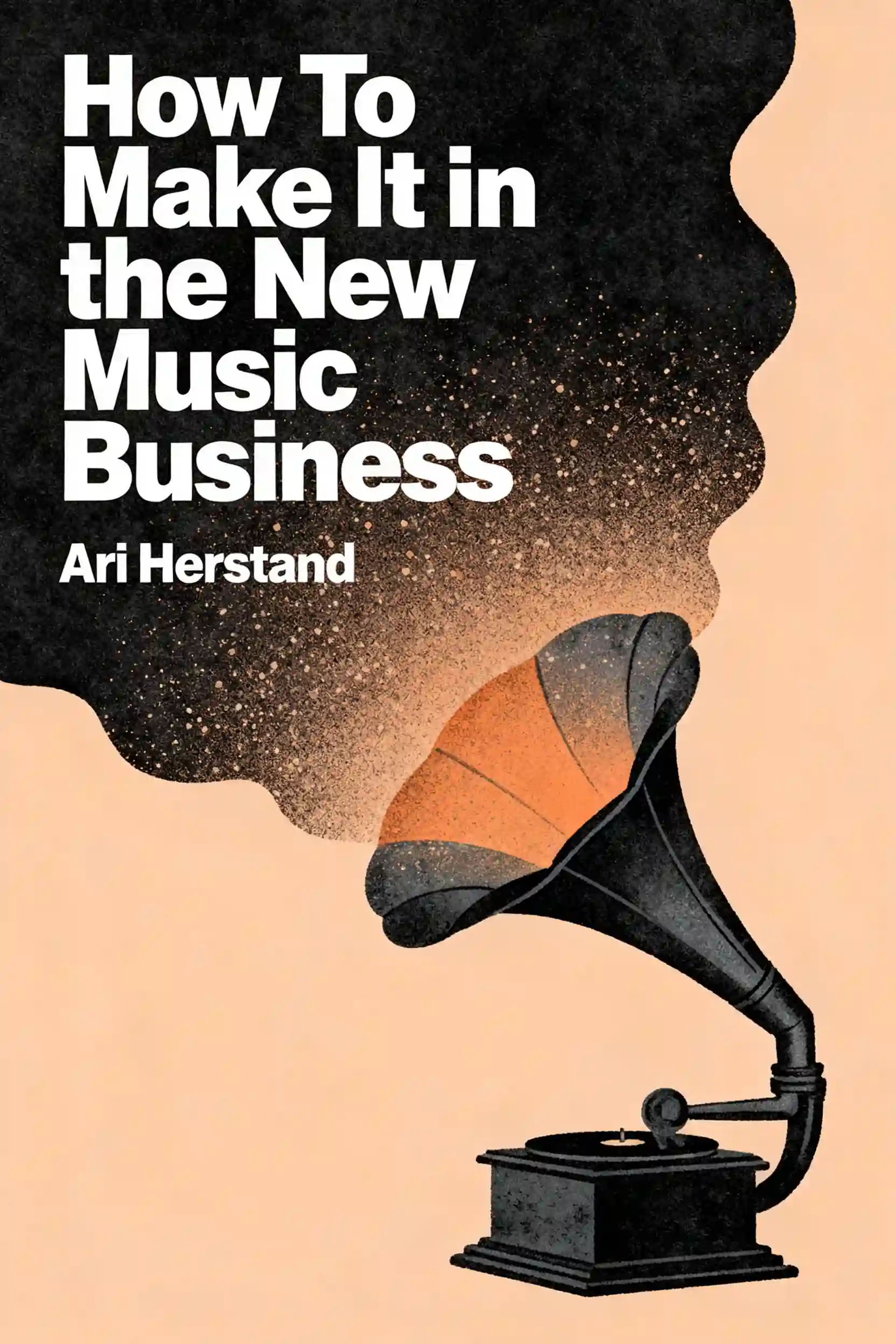

Frequently Asked Questions
The "post-and-pray" loop is a common mistake where musicians spend months creating an album, post a single graphic on social media upon its release, and then wait in silence for results. To break this cycle, artists must shift from treating a release as a one-day event to building a consistent distribution system. In a market where over 120,000 tracks are uploaded daily, success requires a "one-page marketing plan" that focuses on long-term visibility and moving fans toward "owned" channels like email lists rather than relying solely on social media algorithms.
Rented attention refers to the audience an artist builds on third-party platforms like Instagram or TikTok, where the artist does not own the contact information. This is volatile because algorithm changes can instantly reduce an artist's reach; for example, social media posts may only reach 5% of followers compared to a 30% open rate for emails. To mitigate this, artists should use "lead magnets"—such as unreleased demos or digital lyric books—to capture email addresses or direct messaging contacts, turning a temporary audience into a permanent, owned fanbase.
The script suggests becoming a "system designer" rather than a full-time marketing executive by using a "Weekly Marketing Rhythm." This involves "batching" content—spending two hours on a weekend to film and schedule a week's worth of posts—to separate creative work from administrative tasks. Additionally, artists should use an "automation stack" to handle repetitive chores like social media scheduling, welcome email sequences, and "comment-to-DM" triggers, allowing the marketing to run in the background while the artist is at their day job.
The "Merch-First" logic prioritizes selling physical items like vinyl and T-shirts because they offer significantly higher profit margins—often 70% to 80%—compared to streaming. An artist would need hundreds of thousands of streams to match the profit of selling just fifty shirts. By using "on-demand" services, artists can sell products without inventory risk, essentially "selling first and pressing later." This approach treats music as the delivery system for a brand, turning listeners into customers who buy "badges of identity."
The funnel is an emotional progression that moves a person from "Discovery" (seeing a short clip) to "Superfan" (someone who engages across five or more channels). It starts with a "handshake," such as a free value exchange, and moves to "Nurturing" through automated emails or DMs that share the artist's story and philosophy. By matching the "ask" to the stage of the relationship—starting with low-friction engagement like polls before asking for a $35 vinyl purchase—the artist builds the trust necessary for a sustainable career.
Discover more

Build a Profitable Music Brand with Balance
Build a Profitable Music Brand with Balance
This plan is essential for independent artists and music entrepreneurs struggling to monetize their craft without losing their creative spark. It provides the business framework and marketing automation needed to turn a passion for music into a sustainable, balanced career.

Music business
Music business
This learning plan is essential for artists and aspiring managers looking to navigate the shifting landscape of the digital music economy. It bridges the gap between creative talent and commercial success by providing a comprehensive roadmap for legal protection and strategic growth.
Become a popular artist (music)
Become a popular artist (music)
This learning plan is designed for aspiring musicians who want to bridge the gap between creative talent and commercial success. It provides a comprehensive roadmap for artists ready to treat their passion as a professional career by mastering both the creative and business sides of the industry.
Ads & Organic Leads for Music Academy
Ads & Organic Leads for Music Academy
This plan is essential for music school owners struggling to move beyond word-of-mouth referrals. It provides a comprehensive roadmap for balancing immediate lead generation through paid ads with long-term brand building through organic content and automated sales systems.
Release digital album for profit
Release digital album for profit
This learning plan is essential for independent musicians and producers who want to transition from hobbyists to profitable entrepreneurs. It provides a comprehensive roadmap that bridges the gap between creative excellence and commercial success in the modern digital landscape.
Marketing, Self-Improvement & Creativity
Marketing, Self-Improvement & Creativity
This plan bridges the gap between professional expertise and personal evolution for modern creators and entrepreneurs. It is designed for individuals seeking to align their internal habits with external marketing strategies to achieve sustainable, high-impact success.
marketing
marketing
This comprehensive plan bridges the gap between classic marketing theory and modern digital execution. It is ideal for aspiring marketers and entrepreneurs looking to build a data-driven strategy grounded in authentic storytelling.

Attract users and drive sign-ups
Attract users and drive sign-ups
This learning plan is essential for entrepreneurs and marketers looking to move beyond guesswork and build a repeatable growth engine. It bridges the gap between initial traffic acquisition and long-term user retention, making it ideal for anyone launching or scaling a digital product.
From Columbia University alumni built in San Francisco
"Instead of endless scrolling, I just hit play on BeFreed. It saves me so much time."


"I never knew where to start with nonfiction—BeFreed’s book lists turned into podcasts gave me a clear path."


"Perfect balance between learning and entertainment. Finished ‘Thinking, Fast and Slow’ on my commute this week."
"Crazy how much I learned while walking the dog. BeFreed = small habits → big gains."
"Reading used to feel like a chore. Now it’s just part of my lifestyle."

"Feels effortless compared to reading. I’ve finished 6 books this month already."
"BeFreed turned my guilty doomscrolling into something that feels productive and inspiring."

"BeFreed turned my commute into learning time. 20-min podcasts are perfect for finishing books I never had time for."
"BeFreed replaced my podcast queue. Imagine Spotify for books — that’s it. 🙌"

"It is great for me to learn something from the book without reading it."
"The themed book list podcasts help me connect ideas across authors—like a guided audio journey."
"Makes me feel smarter every time before going to work"
From Columbia University alumni built in San Francisco
"Instead of endless scrolling, I just hit play on BeFreed. It saves me so much time."
"I never knew where to start with nonfiction—BeFreed’s book lists turned into podcasts gave me a clear path."
"Perfect balance between learning and entertainment. Finished ‘Thinking, Fast and Slow’ on my commute this week."
"Crazy how much I learned while walking the dog. BeFreed = small habits → big gains."
"Reading used to feel like a chore. Now it’s just part of my lifestyle."
"Feels effortless compared to reading. I’ve finished 6 books this month already."
"BeFreed turned my guilty doomscrolling into something that feels productive and inspiring."
"BeFreed turned my commute into learning time. 20-min podcasts are perfect for finishing books I never had time for."
"BeFreed replaced my podcast queue. Imagine Spotify for books — that’s it. 🙌"
"It is great for me to learn something from the book without reading it."
"The themed book list podcasts help me connect ideas across authors—like a guided audio journey."
"Makes me feel smarter every time before going to work"
"Instead of endless scrolling, I just hit play on BeFreed. It saves me so much time."
"I never knew where to start with nonfiction—BeFreed’s book lists turned into podcasts gave me a clear path."
"Perfect balance between learning and entertainment. Finished ‘Thinking, Fast and Slow’ on my commute this week."
"Crazy how much I learned while walking the dog. BeFreed = small habits → big gains."
"Reading used to feel like a chore. Now it’s just part of my lifestyle."
"Feels effortless compared to reading. I’ve finished 6 books this month already."
"BeFreed turned my guilty doomscrolling into something that feels productive and inspiring."
"BeFreed turned my commute into learning time. 20-min podcasts are perfect for finishing books I never had time for."
"BeFreed replaced my podcast queue. Imagine Spotify for books — that’s it. 🙌"
"It is great for me to learn something from the book without reading it."
"The themed book list podcasts help me connect ideas across authors—like a guided audio journey."
"Makes me feel smarter every time before going to work"
"Instead of endless scrolling, I just hit play on BeFreed. It saves me so much time."
"I never knew where to start with nonfiction—BeFreed’s book lists turned into podcasts gave me a clear path."
"Perfect balance between learning and entertainment. Finished ‘Thinking, Fast and Slow’ on my commute this week."
"Crazy how much I learned while walking the dog. BeFreed = small habits → big gains."
"Reading used to feel like a chore. Now it’s just part of my lifestyle."
"Feels effortless compared to reading. I’ve finished 6 books this month already."
"BeFreed turned my guilty doomscrolling into something that feels productive and inspiring."
"BeFreed turned my commute into learning time. 20-min podcasts are perfect for finishing books I never had time for."
"BeFreed replaced my podcast queue. Imagine Spotify for books — that’s it. 🙌"
"It is great for me to learn something from the book without reading it."
"The themed book list podcasts help me connect ideas across authors—like a guided audio journey."
"Makes me feel smarter every time before going to work"


