
Morning routines of icons like Cook and Bezos
Struggling to start your day right? Explore how top leaders use early starts or slow mornings to beat decision fatigue and regain control.

Best quote from Morning routines of icons like Cook and Bezos
The secret isn't just 'wake up early'—it's 'wake up when your brain actually works' and protecting that peak window from the noise of the world before it starts making demands on you.

This audio lesson was created by a BeFreed community member
I’d like to know about the morning routines of successful people. What time do they get up? What kind of things do they do?


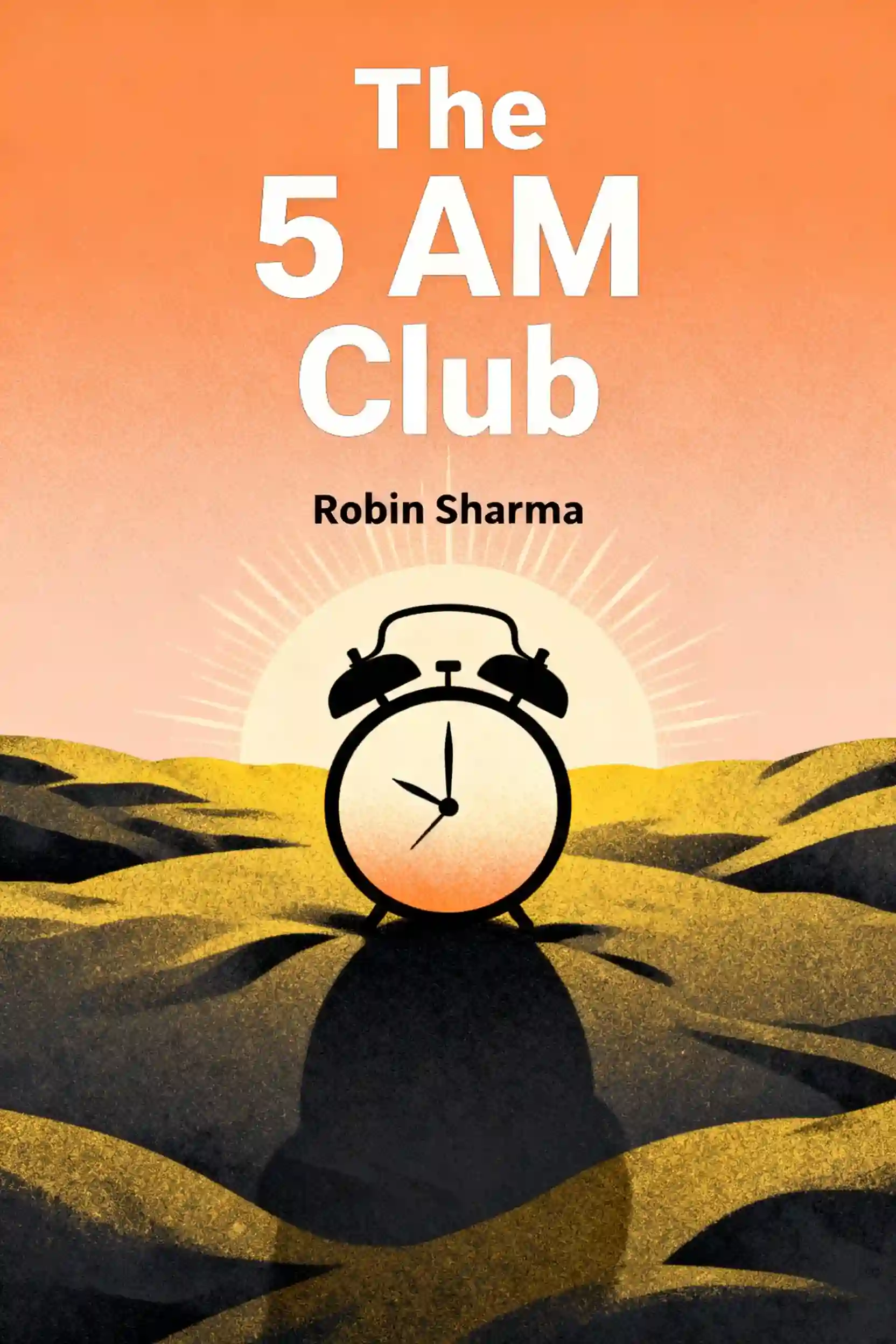
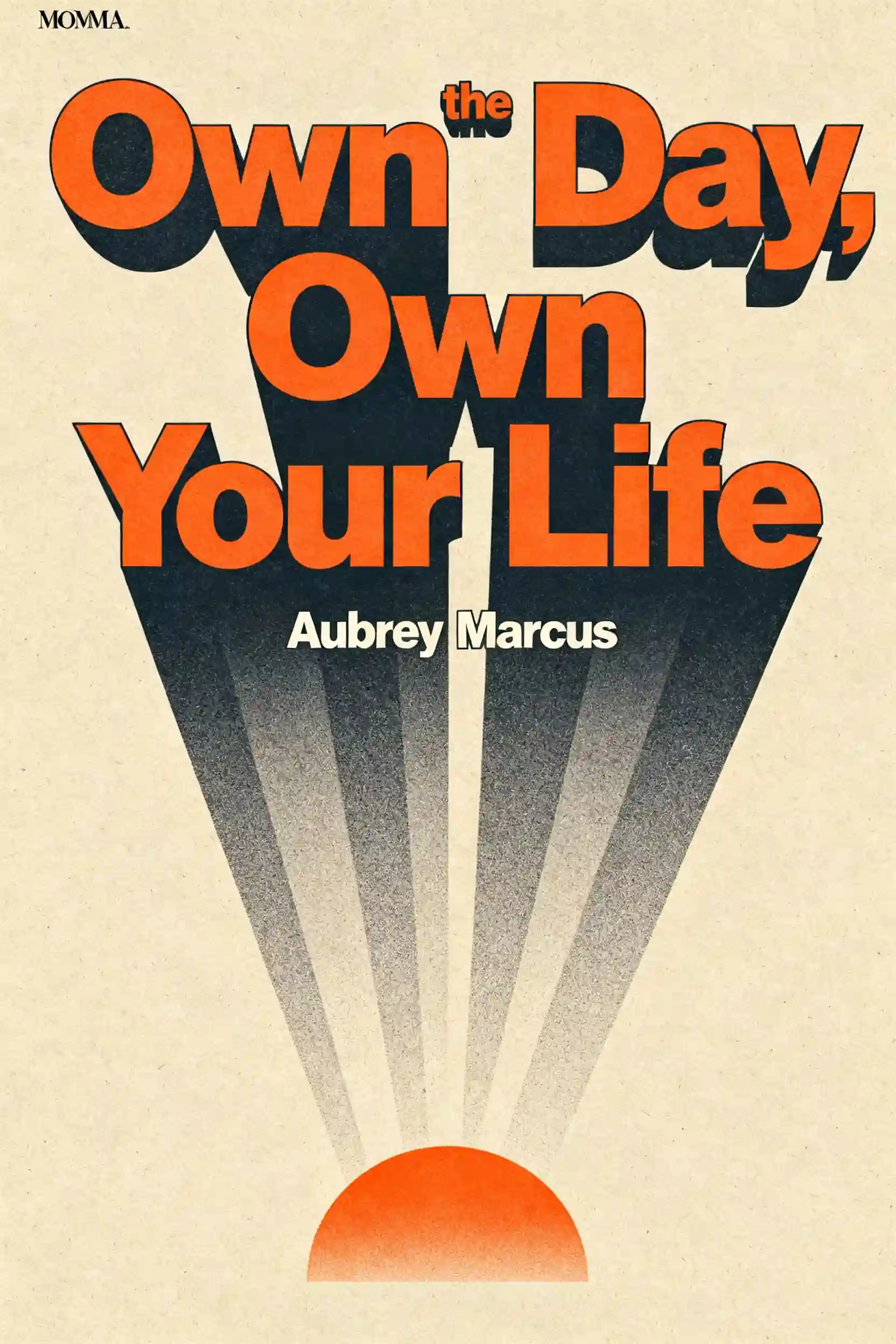
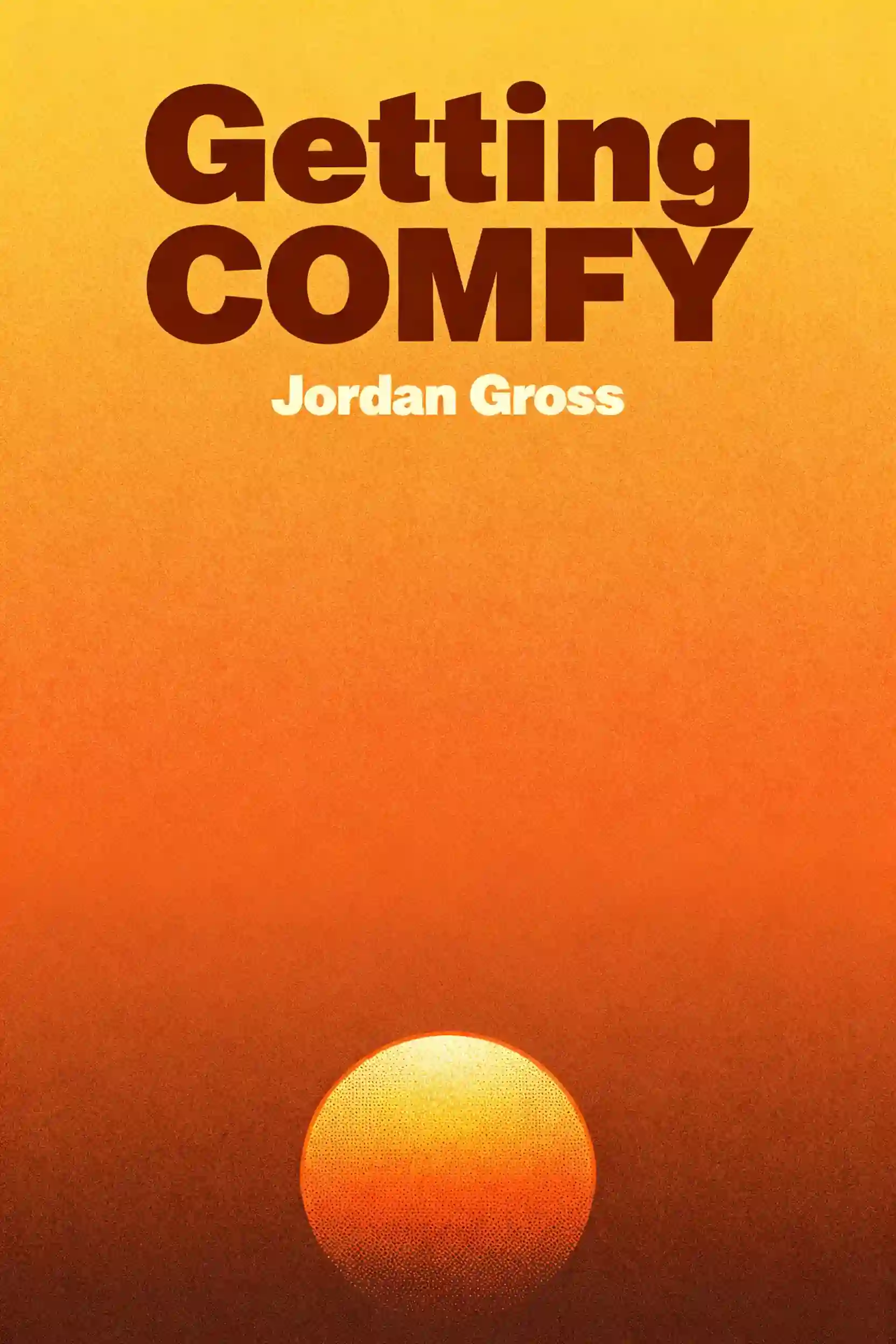

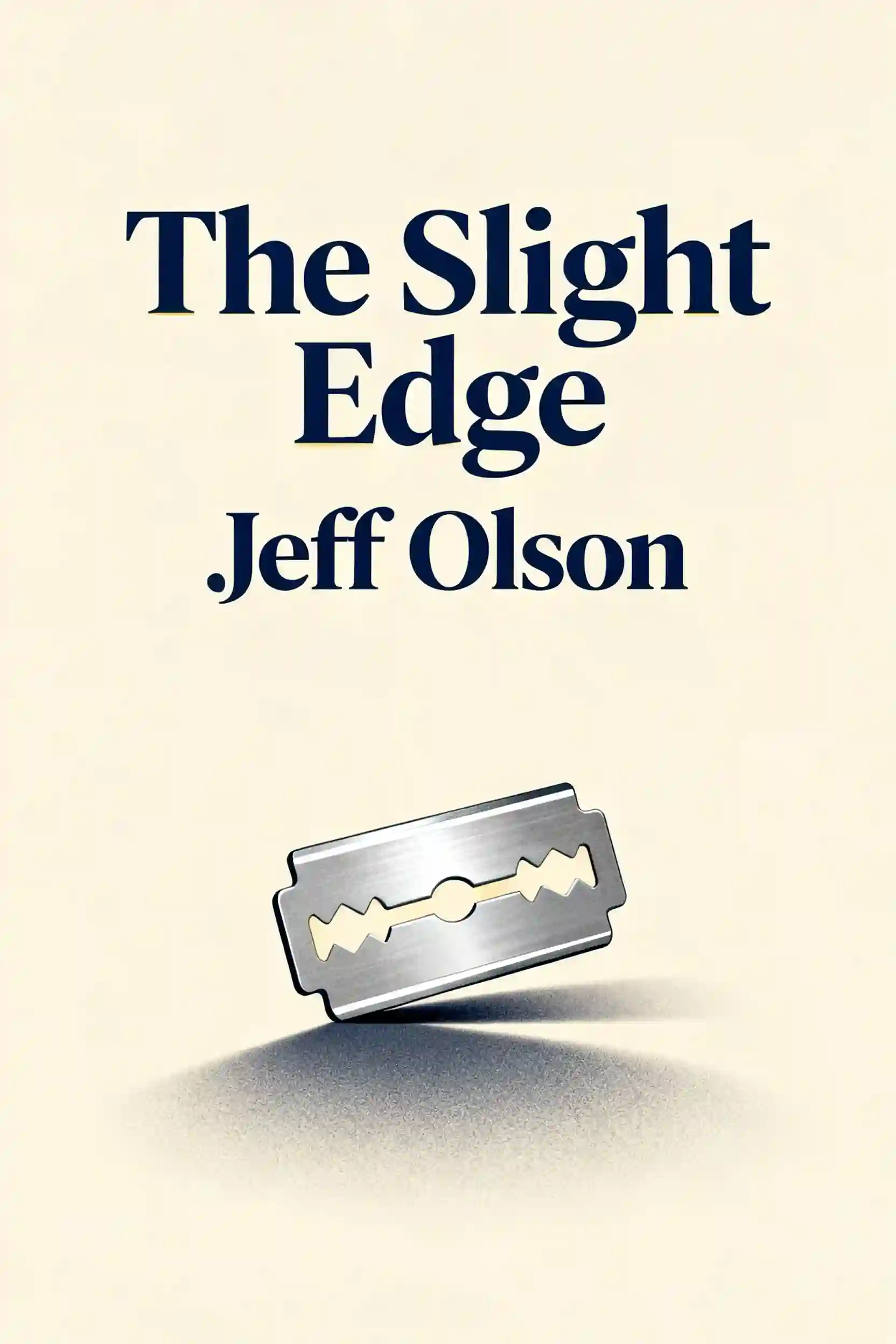
Frequently Asked Questions
A chronotype is an individual's innate biological hardware that determines whether they are naturally a morning person, a night owl, or somewhere in between. The script highlights that forcing yourself into a schedule that contradicts your natural clock can lead to "social jetlag" and degraded performance. Understanding your chronotype allows you to identify your "Biological Prime Time," a two-to-three-hour window where cortisol, glucose metabolism, and brain connectivity peak, making it the ideal time for analytical and high-stakes tasks.
Delaying caffeine for 90 to 120 minutes after waking helps align your energy levels with your body’s natural chemistry. Upon waking, the body undergoes a "Cortisol Awakening Response" to naturally clear out adenosine, the chemical responsible for sleepiness. If caffeine is consumed immediately, it blocks adenosine receptors before the cortisol can do its job, often leading to an energy crash in the early afternoon once the caffeine wears off and the uncleared adenosine floods the system.
Decision fatigue is a phenomenon where the quality of a person's choices deteriorates after a long session of decision-making. The script notes that every choice, even something as small as deciding which email to delete or what clothes to wear, consumes a portion of your finite cognitive currency. High achievers combat this by automating minor choices—such as wearing the same outfit every day—and tackling their most important priorities before opening their inboxes to avoid entering a "reactive mode" that drains mental energy.
Morning exercise is described as a "biological ignition switch" that does more than just build physical fitness; it builds cognitive resilience. Physical activity increases blood flow to the brain and triggers the release of neurotransmitters like dopamine and norepinephrine, which enhance focus. Additionally, exercise stimulates the production of BDNF (brain-derived neurotrophic factor), a protein that acts like "Miracle-Gro" for the brain by supporting learning and neural growth.
No, there is no one-size-fits-all routine; the common thread among successful icons is intentionality rather than a specific wake-up time. While Tim Cook wakes up at 3:45 AM for quiet discipline, Jeff Bezos prefers "puttering" without an alarm until 10:00 AM to allow for a slow, intentional start. The key is to design a routine that protects your peak energy window from external "noise" and ensures you are driving your day rather than letting the day's demands drive you.
Discover more

Build morning routine & leadership for career
Build morning routine & leadership for career
This learning plan is designed for ambitious professionals who refuse to choose between career success and personal fulfillment. It's ideal for managers and leaders who want to advance their careers while simultaneously strengthening their marriage and personal foundation, recognizing that excellence in one area of life fuels excellence in others.

Learn stable AM/PM routines for better sleep
Learn stable AM/PM routines for better sleep
Consistent sleep routines are foundational to physical health, cognitive function, and emotional wellbeing, yet many people struggle with disrupted sleep patterns. This learning plan helps anyone experiencing sleep difficulties or energy fluctuations establish science-backed daily routines that work with their body's natural rhythms.

Optimize daily habits for better productivity
Optimize daily habits for better productivity
This learning plan is essential for anyone feeling overwhelmed by their workload or struggling to maintain consistent progress toward their goals. It's particularly valuable for professionals, students, entrepreneurs, and anyone seeking to maximize their daily output without burnout. By combining neuroscience-backed habit strategies with proven productivity frameworks, learners gain a comprehensive system for transforming their daily performance.
Explore Innovation, Habits & Mindfulness
Explore Innovation, Habits & Mindfulness
In an era of constant distraction, the ability to combine systematic innovation with disciplined habits and mental clarity is a competitive necessity. This plan is ideal for professionals and creatives seeking to optimize their personal systems and unlock consistent high performance.
How to improve my time management
How to improve my time management
Modern professionals often struggle with burnout and constant distractions in an always-on world. This plan is designed for anyone looking to transition from being busy to being truly productive by mastering both biological rhythms and sophisticated organizational systems.

Habitudes quotidiennes
Habitudes quotidiennes
Daily habits shape 40-50% of our behaviors, yet most people struggle to build positive routines or break destructive patterns. This learning plan is ideal for anyone seeking to take control of their daily life—whether you're a professional wanting to boost productivity, someone pursuing health goals, or simply looking to become more intentional about how you spend your time and energy.

Habits, Finance, Sleep & Recovery
Habits, Finance, Sleep & Recovery
This plan is designed for high-performers looking to synchronize their physical well-being with their financial success. It provides a blueprint for anyone seeking to replace chaotic routines with automated systems for wealth, sleep, and habit mastery.
Habits, Growth, Creativity & Inspiration
Habits, Growth, Creativity & Inspiration
In an era of rapid change, the ability to automate habits and think creatively is a competitive necessity. This plan is designed for professionals and creatives who want to move beyond willpower and build a sustainable system for lifelong mastery and innovation.
From Columbia University alumni built in San Francisco
"Instead of endless scrolling, I just hit play on BeFreed. It saves me so much time."


"I never knew where to start with nonfiction—BeFreed’s book lists turned into podcasts gave me a clear path."


"Perfect balance between learning and entertainment. Finished ‘Thinking, Fast and Slow’ on my commute this week."
"Crazy how much I learned while walking the dog. BeFreed = small habits → big gains."
"Reading used to feel like a chore. Now it’s just part of my lifestyle."

"Feels effortless compared to reading. I’ve finished 6 books this month already."
"BeFreed turned my guilty doomscrolling into something that feels productive and inspiring."

"BeFreed turned my commute into learning time. 20-min podcasts are perfect for finishing books I never had time for."
"BeFreed replaced my podcast queue. Imagine Spotify for books — that’s it. 🙌"

"It is great for me to learn something from the book without reading it."
"The themed book list podcasts help me connect ideas across authors—like a guided audio journey."
"Makes me feel smarter every time before going to work"
From Columbia University alumni built in San Francisco
"Instead of endless scrolling, I just hit play on BeFreed. It saves me so much time."
"I never knew where to start with nonfiction—BeFreed’s book lists turned into podcasts gave me a clear path."
"Perfect balance between learning and entertainment. Finished ‘Thinking, Fast and Slow’ on my commute this week."
"Crazy how much I learned while walking the dog. BeFreed = small habits → big gains."
"Reading used to feel like a chore. Now it’s just part of my lifestyle."
"Feels effortless compared to reading. I’ve finished 6 books this month already."
"BeFreed turned my guilty doomscrolling into something that feels productive and inspiring."
"BeFreed turned my commute into learning time. 20-min podcasts are perfect for finishing books I never had time for."
"BeFreed replaced my podcast queue. Imagine Spotify for books — that’s it. 🙌"
"It is great for me to learn something from the book without reading it."
"The themed book list podcasts help me connect ideas across authors—like a guided audio journey."
"Makes me feel smarter every time before going to work"
"Instead of endless scrolling, I just hit play on BeFreed. It saves me so much time."
"I never knew where to start with nonfiction—BeFreed’s book lists turned into podcasts gave me a clear path."
"Perfect balance between learning and entertainment. Finished ‘Thinking, Fast and Slow’ on my commute this week."
"Crazy how much I learned while walking the dog. BeFreed = small habits → big gains."
"Reading used to feel like a chore. Now it’s just part of my lifestyle."
"Feels effortless compared to reading. I’ve finished 6 books this month already."
"BeFreed turned my guilty doomscrolling into something that feels productive and inspiring."
"BeFreed turned my commute into learning time. 20-min podcasts are perfect for finishing books I never had time for."
"BeFreed replaced my podcast queue. Imagine Spotify for books — that’s it. 🙌"
"It is great for me to learn something from the book without reading it."
"The themed book list podcasts help me connect ideas across authors—like a guided audio journey."
"Makes me feel smarter every time before going to work"
"Instead of endless scrolling, I just hit play on BeFreed. It saves me so much time."
"I never knew where to start with nonfiction—BeFreed’s book lists turned into podcasts gave me a clear path."
"Perfect balance between learning and entertainment. Finished ‘Thinking, Fast and Slow’ on my commute this week."
"Crazy how much I learned while walking the dog. BeFreed = small habits → big gains."
"Reading used to feel like a chore. Now it’s just part of my lifestyle."
"Feels effortless compared to reading. I’ve finished 6 books this month already."
"BeFreed turned my guilty doomscrolling into something that feels productive and inspiring."
"BeFreed turned my commute into learning time. 20-min podcasts are perfect for finishing books I never had time for."
"BeFreed replaced my podcast queue. Imagine Spotify for books — that’s it. 🙌"
"It is great for me to learn something from the book without reading it."
"The themed book list podcasts help me connect ideas across authors—like a guided audio journey."
"Makes me feel smarter every time before going to work"


