
Modern Life: The Hidden Health Crisis
Exploring how our digital age lifestyle creates unprecedented physical and mental health challenges, from sleep disruption to social isolation, and what science reveals about thriving in today's world.

Best quote from Modern Life: The Hidden Health Crisis
Modern life presents real challenges to mental health, but we're not powerless; our ancient brains are navigating a digital world they weren't designed for, yet we have unprecedented tools to strategically work with our neurobiology rather than against it.

This audio lesson was created by a BeFreed community member
Modern way of living is the root cause of all physical, mental and societal problems

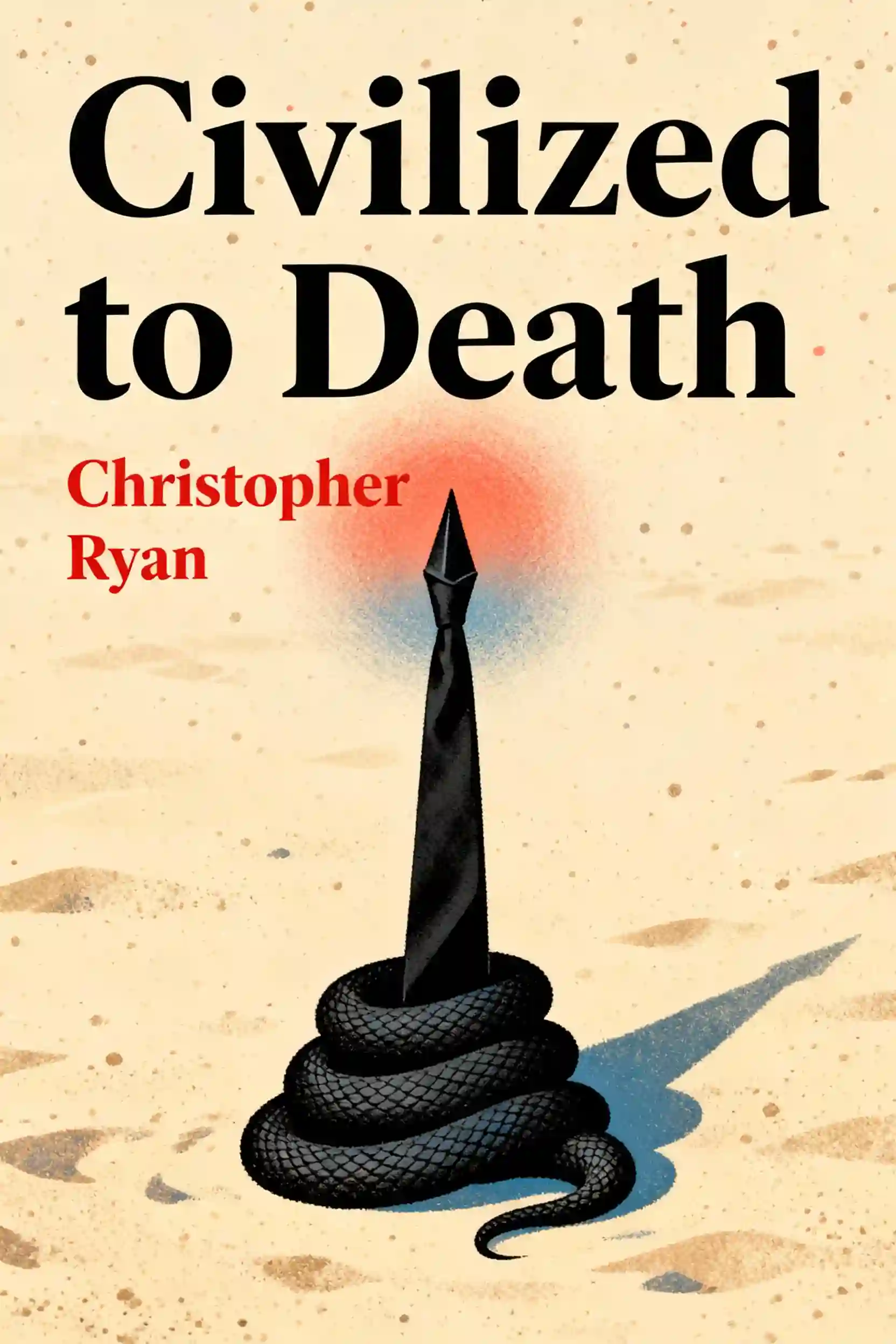
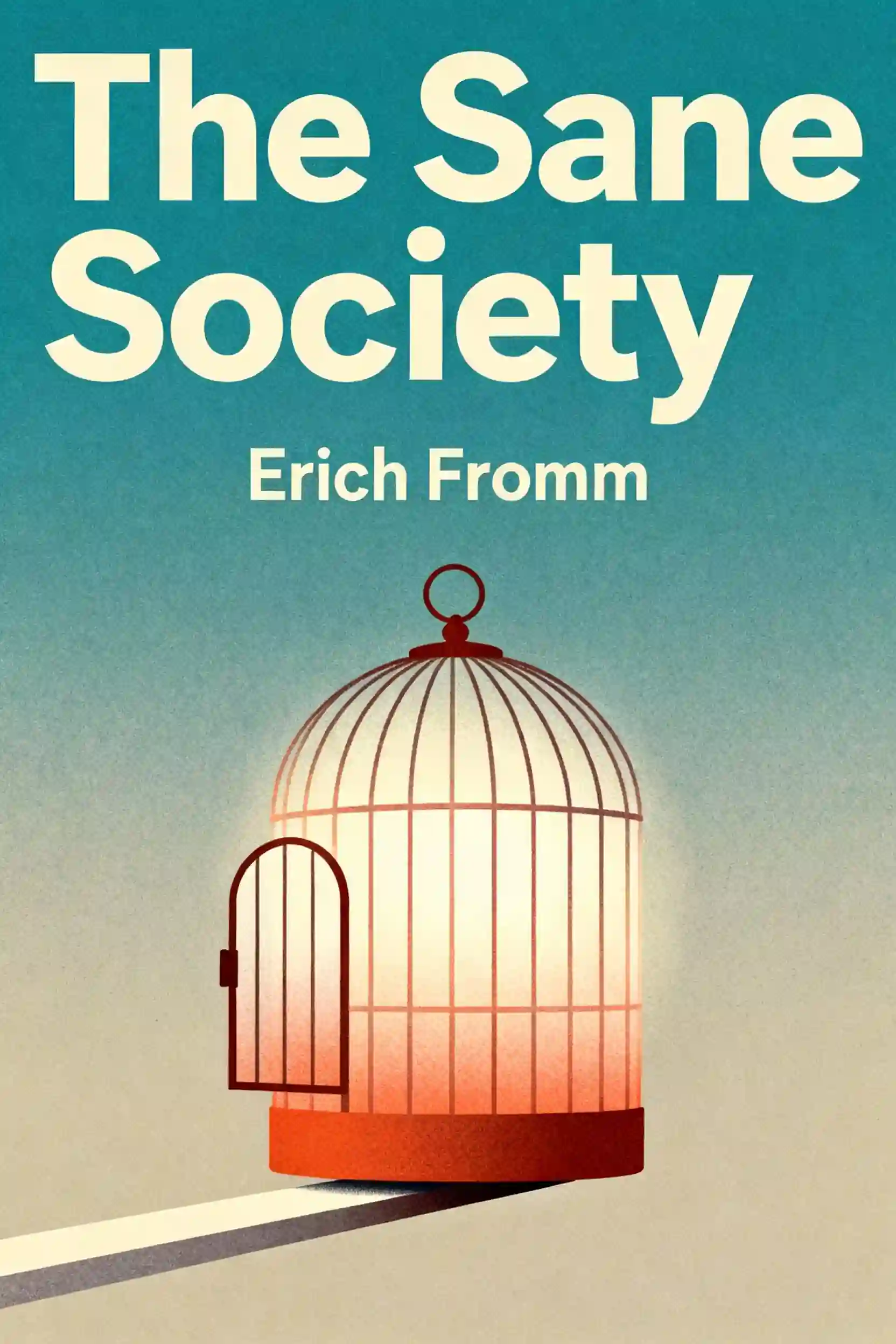
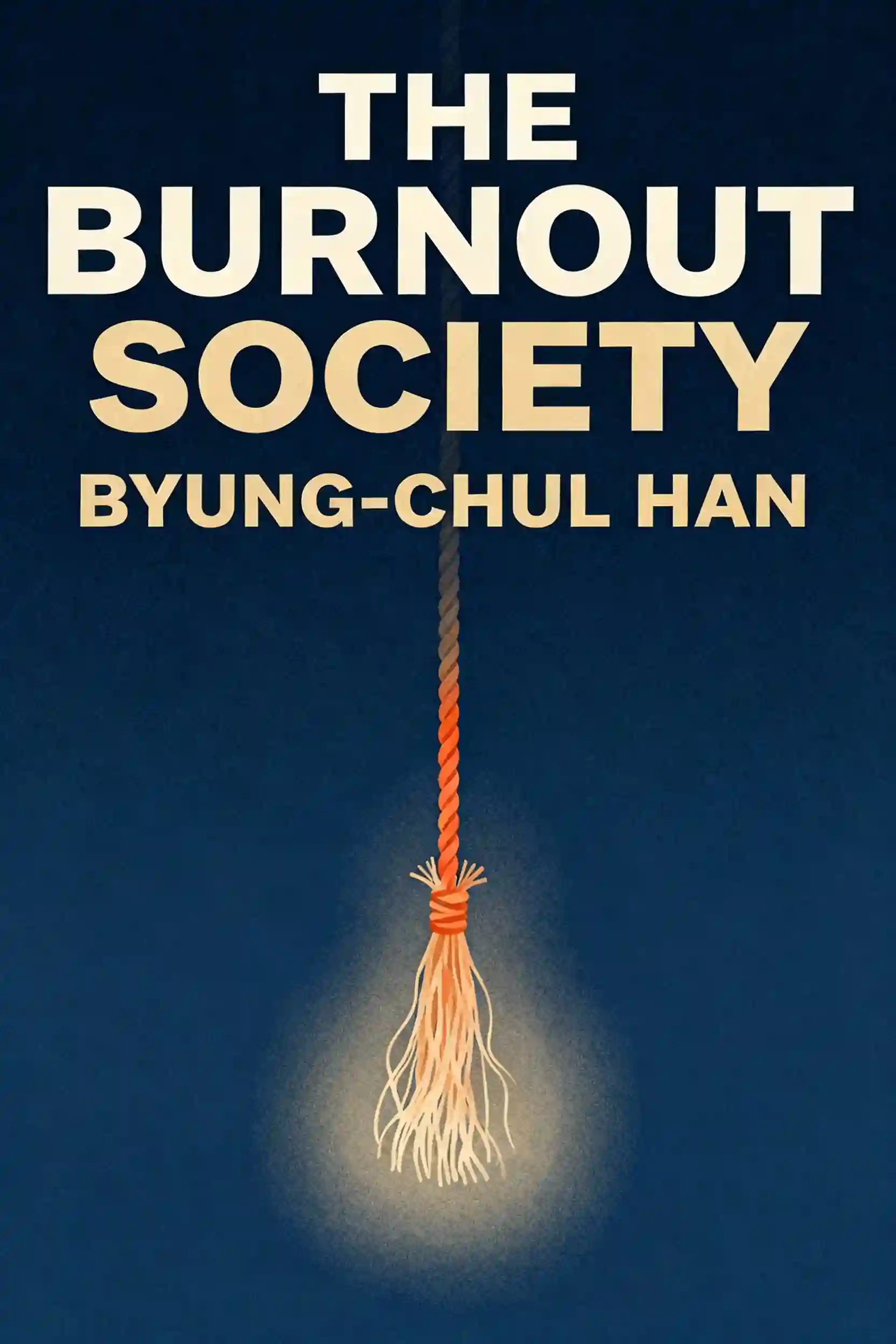
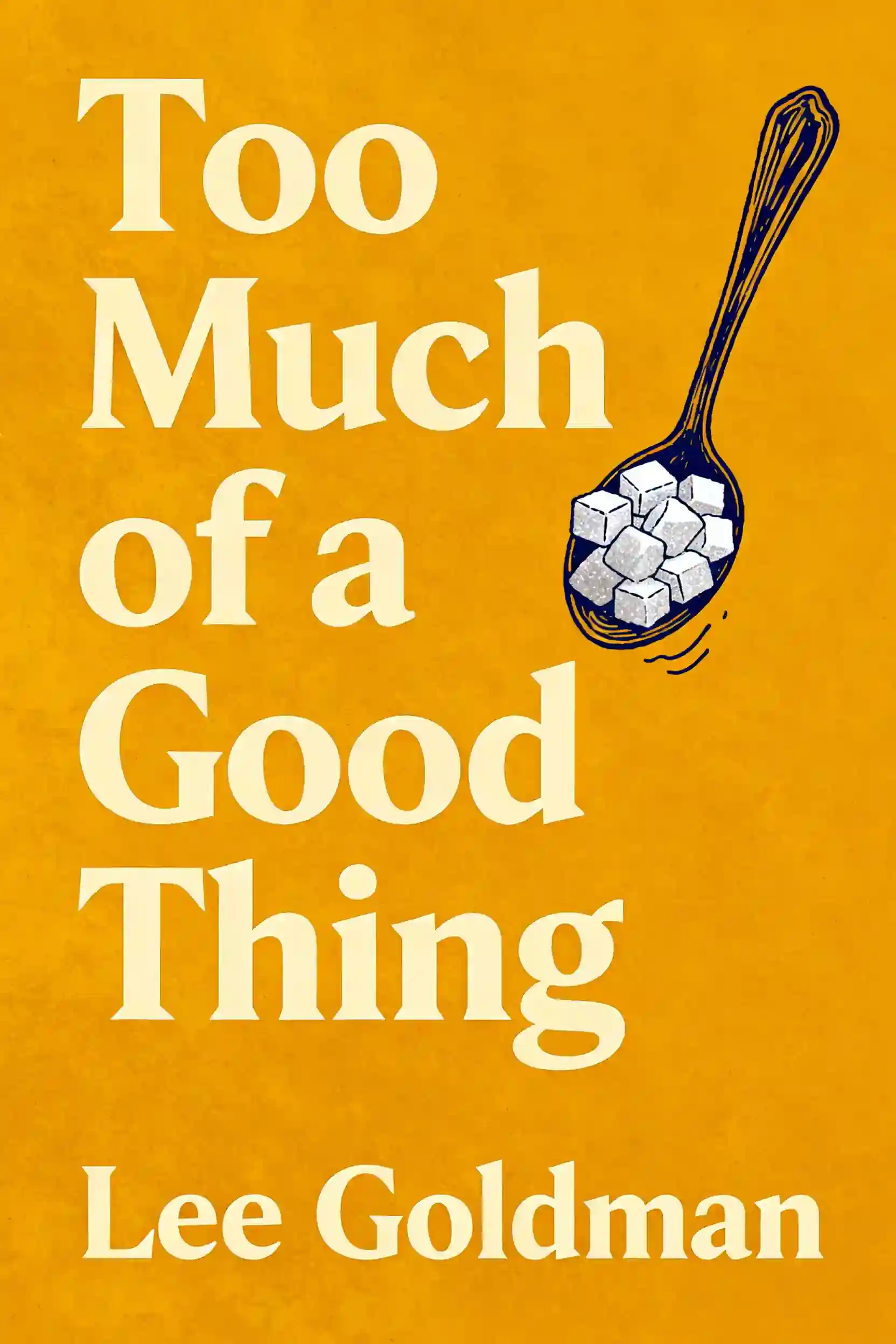
Discover more

Modern lifestyle harms health
Modern lifestyle harms health
Our bodies evolved over millennia for environments vastly different from today's world of processed foods, sedentary habits, and constant digital stimulation. This learning plan helps anyone feeling disconnected, exhausted, or unhealthy understand the root causes of modern health challenges and implement practical solutions.
Lead a Healthy Lifestyle
Lead a Healthy Lifestyle
Modern lifestyles often neglect the fundamental pillars of health, leading to burnout and chronic fatigue. This plan is designed for busy individuals seeking a science-based framework to integrate nutrition, movement, and mental wellness into their daily routines.

Manage Mind, Mood & Space for Better Health
Manage Mind, Mood & Space for Better Health
Modern life often disrupts our natural biological rhythms and mental peace, leading to burnout and chronic stress. This plan is essential for professionals and individuals seeking to reclaim their vitality by integrating neuroscience, emotional intelligence, and environmental design into their daily lives.

Live Mindfully & Happily
Live Mindfully & Happily
Modern life often leads to burnout and distraction, making mental well-being a critical skill. This plan is designed for anyone seeking to reduce stress and find genuine fulfillment by blending ancient mindfulness practices with modern psychological science.

Habits, Sleep, Fitness & Mental Wellness
Habits, Sleep, Fitness & Mental Wellness
Modern life often fragments our health, leaving us tired and inconsistent. This plan is designed for professionals and individuals seeking a science-based, integrated approach to aligning their sleep, movement, and mental health into one cohesive system.
Reset out of survival mode
Reset out of survival mode
Modern life often leaves individuals trapped in a cycle of chronic stress and hypervigilance that mimics a survival state. This plan is essential for anyone feeling burnt out or stuck in reactive patterns, providing the biological insight and regulation tools needed to reclaim a sense of safety.
Optimize Sleep, Nutrition & Fitness
Optimize Sleep, Nutrition & Fitness
Modern lifestyles often disrupt our biological needs, leading to burnout and poor health. This plan is designed for high-performers and health enthusiasts looking to bridge the gap between scientific research and daily habits for peak physical optimization.
Health, Tech, Mindfulness & Relationships
Health, Tech, Mindfulness & Relationships
This learning plan is designed for modern professionals and individuals seeking to balance high-performance habits with mental well-being in an increasingly digital world. It offers a unique integration of holistic health, mindful technology use, and interpersonal skills to help you thrive both personally and professionally.
From Columbia University alumni built in San Francisco
"Instead of endless scrolling, I just hit play on BeFreed. It saves me so much time."


"I never knew where to start with nonfiction—BeFreed’s book lists turned into podcasts gave me a clear path."


"Perfect balance between learning and entertainment. Finished ‘Thinking, Fast and Slow’ on my commute this week."
"Crazy how much I learned while walking the dog. BeFreed = small habits → big gains."
"Reading used to feel like a chore. Now it’s just part of my lifestyle."

"Feels effortless compared to reading. I’ve finished 6 books this month already."
"BeFreed turned my guilty doomscrolling into something that feels productive and inspiring."

"BeFreed turned my commute into learning time. 20-min podcasts are perfect for finishing books I never had time for."
"BeFreed replaced my podcast queue. Imagine Spotify for books — that’s it. 🙌"

"It is great for me to learn something from the book without reading it."
"The themed book list podcasts help me connect ideas across authors—like a guided audio journey."
"Makes me feel smarter every time before going to work"
From Columbia University alumni built in San Francisco
"Instead of endless scrolling, I just hit play on BeFreed. It saves me so much time."
"I never knew where to start with nonfiction—BeFreed’s book lists turned into podcasts gave me a clear path."
"Perfect balance between learning and entertainment. Finished ‘Thinking, Fast and Slow’ on my commute this week."
"Crazy how much I learned while walking the dog. BeFreed = small habits → big gains."
"Reading used to feel like a chore. Now it’s just part of my lifestyle."
"Feels effortless compared to reading. I’ve finished 6 books this month already."
"BeFreed turned my guilty doomscrolling into something that feels productive and inspiring."
"BeFreed turned my commute into learning time. 20-min podcasts are perfect for finishing books I never had time for."
"BeFreed replaced my podcast queue. Imagine Spotify for books — that’s it. 🙌"
"It is great for me to learn something from the book without reading it."
"The themed book list podcasts help me connect ideas across authors—like a guided audio journey."
"Makes me feel smarter every time before going to work"
"Instead of endless scrolling, I just hit play on BeFreed. It saves me so much time."
"I never knew where to start with nonfiction—BeFreed’s book lists turned into podcasts gave me a clear path."
"Perfect balance between learning and entertainment. Finished ‘Thinking, Fast and Slow’ on my commute this week."
"Crazy how much I learned while walking the dog. BeFreed = small habits → big gains."
"Reading used to feel like a chore. Now it’s just part of my lifestyle."
"Feels effortless compared to reading. I’ve finished 6 books this month already."
"BeFreed turned my guilty doomscrolling into something that feels productive and inspiring."
"BeFreed turned my commute into learning time. 20-min podcasts are perfect for finishing books I never had time for."
"BeFreed replaced my podcast queue. Imagine Spotify for books — that’s it. 🙌"
"It is great for me to learn something from the book without reading it."
"The themed book list podcasts help me connect ideas across authors—like a guided audio journey."
"Makes me feel smarter every time before going to work"
"Instead of endless scrolling, I just hit play on BeFreed. It saves me so much time."
"I never knew where to start with nonfiction—BeFreed’s book lists turned into podcasts gave me a clear path."
"Perfect balance between learning and entertainment. Finished ‘Thinking, Fast and Slow’ on my commute this week."
"Crazy how much I learned while walking the dog. BeFreed = small habits → big gains."
"Reading used to feel like a chore. Now it’s just part of my lifestyle."
"Feels effortless compared to reading. I’ve finished 6 books this month already."
"BeFreed turned my guilty doomscrolling into something that feels productive and inspiring."
"BeFreed turned my commute into learning time. 20-min podcasts are perfect for finishing books I never had time for."
"BeFreed replaced my podcast queue. Imagine Spotify for books — that’s it. 🙌"
"It is great for me to learn something from the book without reading it."
"The themed book list podcasts help me connect ideas across authors—like a guided audio journey."
"Makes me feel smarter every time before going to work"


