

Best quote from Middle East War: Why the Region Is at a Tipping Point
The Middle East we knew is gone, and the one replacing it is still being born in fire. It’s a high-stakes moment where the tactical success of military strikes is clashing head-on with the political reality of who survives them.

This audio lesson was created by a BeFreed community member
War in the Middle East

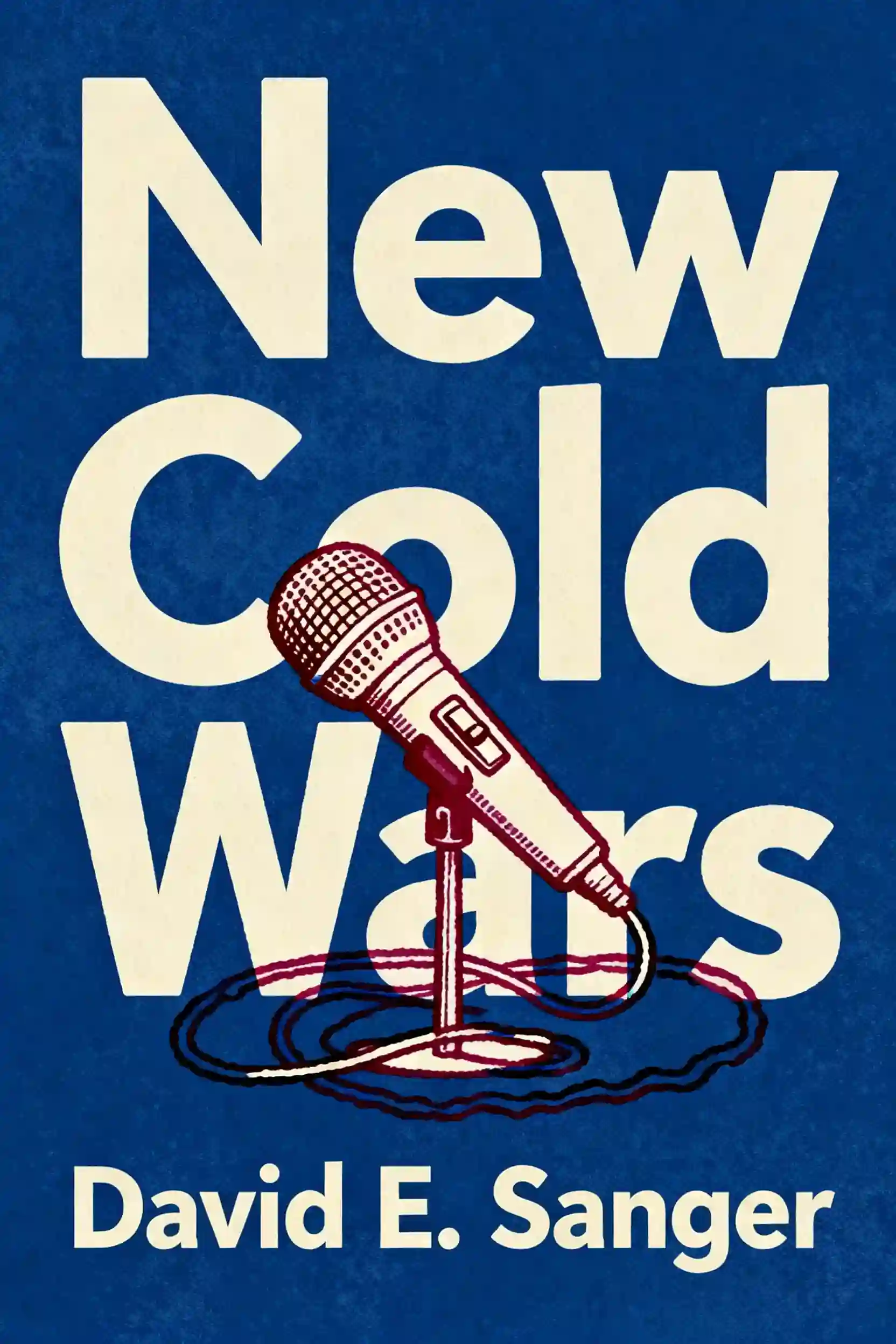
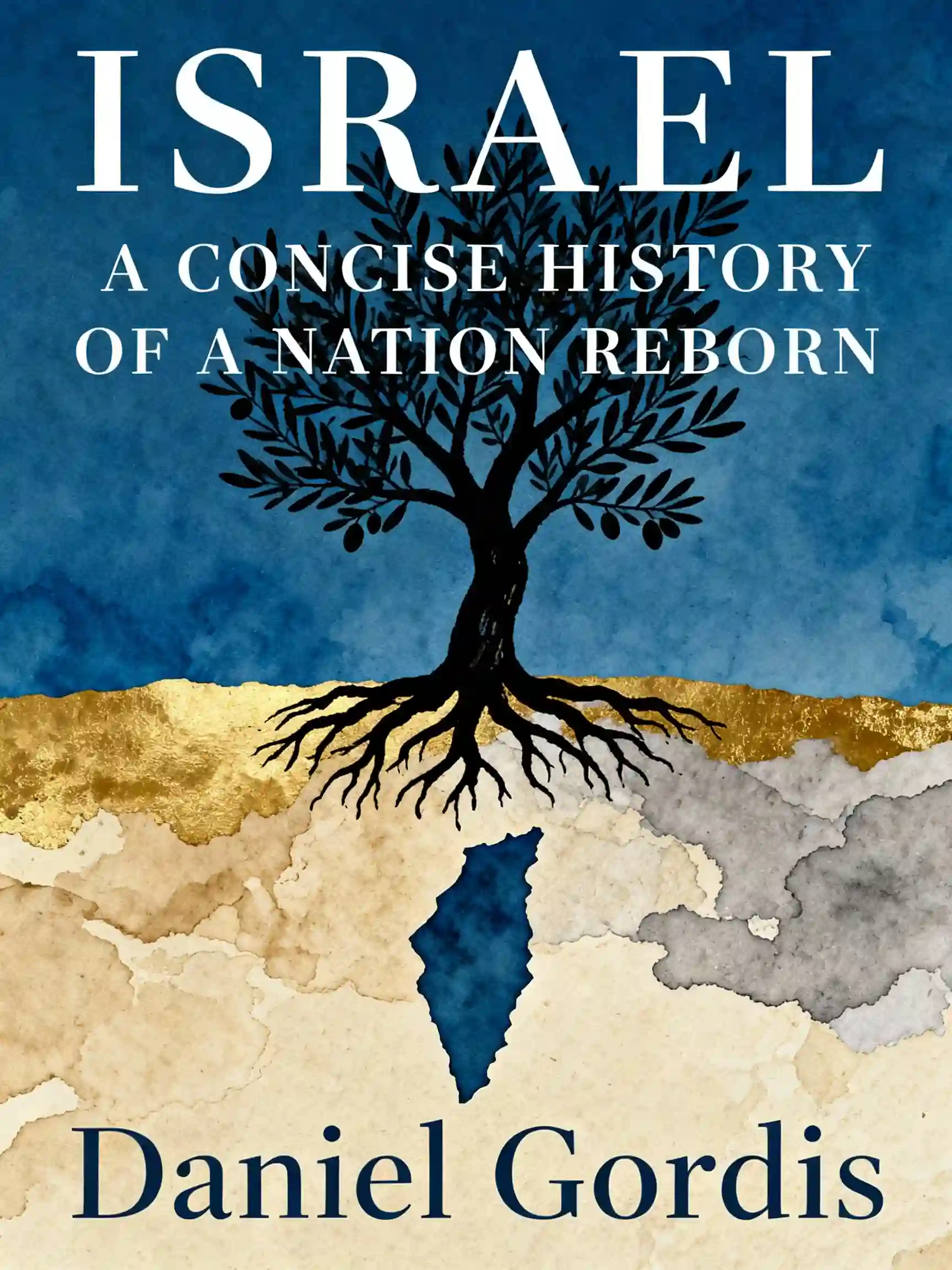
Frequently Asked Questions
The decapitation strategy refers to a massive military gamble by the U.S. and Israel involving nearly 900 strikes in a twelve-hour period on February 28, 2026. Rather than focusing solely on military infrastructure like missile silos, the strikes targeted the "head" of the Iranian government, resulting in the death of Supreme Leader Ali Khamenei, the Defense Minister, and the Secretary of the Supreme National Security Council. The goal was to shatter the regime’s central command and disrupt its ability to coordinate with regional proxies.
Despite the scale of the strikes, the Iranian government utilized a deeply redundant system and a "continuity of government" plan to maintain control. The Assembly of Experts met via videoconference to quickly name Mojtaba Khamenei, the son of the late Supreme Leader, as his successor. This transition shifted power toward even more aggressive hardliners and the Islamic Revolutionary Guard Corps (IRGC), hardening the regime's stance rather than leading to the moderation some Western officials had hoped for.
The crisis escalated significantly when the IRGC closed the Strait of Hormuz to "Western-aligned" shipping, stalling the passage of 20 million barrels of oil per day and 20 percent of the world’s liquefied natural gas (LNG). This caused oil prices to jump 40 percent to $126 a barrel. Because the strait is a primary chokepoint for global commodities like fertilizer and aluminum, the closure created a "systemic shock" that threatened global food security and disrupted "just-in-time" supply chains worldwide.
The Axis of Resistance is a decentralized network of Iranian-funded proxies, including Hezbollah in Lebanon, the Houthis in Yemen, and various militias in Iraq. Following the strikes on Tehran, the network activated a "networked warfare" model, launching retaliatory attacks across the region. This included Hezbollah firing missiles at Haifa, the Houthis disrupting Red Sea trade, and Iraqi militias targeting U.S. bases, demonstrating that the network can remain dangerous and autonomous even when its central patron is under direct attack.
The conflict has resulted in a phenomenon known as "Black Rain," where strikes on oil depots and industrial sites create toxic plumes of smoke that fall back to earth as oily, chemical-laden sludge. Beyond the environmental damage, the humanitarian toll includes over 1,200 deaths in Iran and the displacement of millions across Iran and Lebanon. The destruction of critical infrastructure, such as desalination plants, has also threatened the water supply for approximately 62 million people in the Gulf region.
Discover more

Learn the Middle East history
Learn the Middle East history
This plan provides a vital historical lens for understanding one of the world's most complex regions. It is ideal for students, journalists, or travelers seeking to move beyond headlines to grasp the deep-rooted origins of modern Middle Eastern dynamics.

US-Iran Conflict: Past, Present & Future
US-Iran Conflict: Past, Present & Future
This plan is essential for anyone seeking to understand the most volatile relationship in modern geopolitics. It is ideal for students of international relations, policy professionals, or curious citizens wanting to look beyond the headlines at the roots of Middle Eastern conflict.
Long-term impact of Iran-US-Israel conflict
Long-term impact of Iran-US-Israel conflict
This plan provides a critical lens into the geopolitical tensions shaping the modern world. It is essential for students of international relations, policymakers, and global investors seeking to understand how this conflict influences global stability.

Iran Israel war latest situation and analysis
Iran Israel war latest situation and analysis
The Iran-Israel conflict represents one of the most volatile and consequential geopolitical tensions in today's world, with potential to reshape regional and global security. This learning plan benefits diplomacy professionals, international relations students, journalists, and informed citizens seeking to understand the conflict beyond headlines.
Current events local and abroad and history
Current events local and abroad and history
In an era of information overload and geopolitical upheaval, understanding current events requires both historical perspective and media literacy. This learning plan is ideal for anyone who wants to make sense of today's headlines, from engaged citizens and news consumers to professionals whose work requires geopolitical awareness and critical thinking about global affairs.

What's happening with US-China trade war
What's happening with US-China trade war
The US-China trade war represents one of the most consequential economic and geopolitical developments of our time, reshaping global commerce, technology development, and international relations. This learning plan benefits business professionals, investors, policy analysts, and informed citizens seeking to understand how this rivalry impacts markets, industries, and strategic decision-making.

US foreign policy and international relations
US foreign policy and international relations
This plan provides a vital lens for understanding how the US navigates global power shifts and historical crises. It is ideal for aspiring diplomats, political analysts, or anyone seeking to decode today's headlines through the lens of geopolitics and strategy.
World war II
World war II
This learning plan provides a comprehensive overview of the 20th century's most defining conflict, bridging military strategy with deep moral inquiry. It is ideal for history enthusiasts, students of international relations, or anyone seeking to understand the foundations of the modern geopolitical landscape.
From Columbia University alumni built in San Francisco
"Instead of endless scrolling, I just hit play on BeFreed. It saves me so much time."


"I never knew where to start with nonfiction—BeFreed’s book lists turned into podcasts gave me a clear path."


"Perfect balance between learning and entertainment. Finished ‘Thinking, Fast and Slow’ on my commute this week."
"Crazy how much I learned while walking the dog. BeFreed = small habits → big gains."
"Reading used to feel like a chore. Now it’s just part of my lifestyle."

"Feels effortless compared to reading. I’ve finished 6 books this month already."
"BeFreed turned my guilty doomscrolling into something that feels productive and inspiring."

"BeFreed turned my commute into learning time. 20-min podcasts are perfect for finishing books I never had time for."
"BeFreed replaced my podcast queue. Imagine Spotify for books — that’s it. 🙌"

"It is great for me to learn something from the book without reading it."
"The themed book list podcasts help me connect ideas across authors—like a guided audio journey."
"Makes me feel smarter every time before going to work"
From Columbia University alumni built in San Francisco
"Instead of endless scrolling, I just hit play on BeFreed. It saves me so much time."
"I never knew where to start with nonfiction—BeFreed’s book lists turned into podcasts gave me a clear path."
"Perfect balance between learning and entertainment. Finished ‘Thinking, Fast and Slow’ on my commute this week."
"Crazy how much I learned while walking the dog. BeFreed = small habits → big gains."
"Reading used to feel like a chore. Now it’s just part of my lifestyle."
"Feels effortless compared to reading. I’ve finished 6 books this month already."
"BeFreed turned my guilty doomscrolling into something that feels productive and inspiring."
"BeFreed turned my commute into learning time. 20-min podcasts are perfect for finishing books I never had time for."
"BeFreed replaced my podcast queue. Imagine Spotify for books — that’s it. 🙌"
"It is great for me to learn something from the book without reading it."
"The themed book list podcasts help me connect ideas across authors—like a guided audio journey."
"Makes me feel smarter every time before going to work"
"Instead of endless scrolling, I just hit play on BeFreed. It saves me so much time."
"I never knew where to start with nonfiction—BeFreed’s book lists turned into podcasts gave me a clear path."
"Perfect balance between learning and entertainment. Finished ‘Thinking, Fast and Slow’ on my commute this week."
"Crazy how much I learned while walking the dog. BeFreed = small habits → big gains."
"Reading used to feel like a chore. Now it’s just part of my lifestyle."
"Feels effortless compared to reading. I’ve finished 6 books this month already."
"BeFreed turned my guilty doomscrolling into something that feels productive and inspiring."
"BeFreed turned my commute into learning time. 20-min podcasts are perfect for finishing books I never had time for."
"BeFreed replaced my podcast queue. Imagine Spotify for books — that’s it. 🙌"
"It is great for me to learn something from the book without reading it."
"The themed book list podcasts help me connect ideas across authors—like a guided audio journey."
"Makes me feel smarter every time before going to work"
"Instead of endless scrolling, I just hit play on BeFreed. It saves me so much time."
"I never knew where to start with nonfiction—BeFreed’s book lists turned into podcasts gave me a clear path."
"Perfect balance between learning and entertainment. Finished ‘Thinking, Fast and Slow’ on my commute this week."
"Crazy how much I learned while walking the dog. BeFreed = small habits → big gains."
"Reading used to feel like a chore. Now it’s just part of my lifestyle."
"Feels effortless compared to reading. I’ve finished 6 books this month already."
"BeFreed turned my guilty doomscrolling into something that feels productive and inspiring."
"BeFreed turned my commute into learning time. 20-min podcasts are perfect for finishing books I never had time for."
"BeFreed replaced my podcast queue. Imagine Spotify for books — that’s it. 🙌"
"It is great for me to learn something from the book without reading it."
"The themed book list podcasts help me connect ideas across authors—like a guided audio journey."
"Makes me feel smarter every time before going to work"


