
Mastering the Art of Confident Bottoming
Transform anxiety into confidence with essential techniques for relaxation, preparation, and communication that make bottoming pleasurable and empowering.

Best quote from Mastering the Art of Confident Bottoming
Successful bottoming is really about three pillars: mental preparation, physical readiness, and communication mastery. It’s a skill you develop with practice, patience, and the right techniques rather than something you just wing and hope for the best.

This audio lesson was created by a BeFreed community member
How to be the best bottom (gay position)

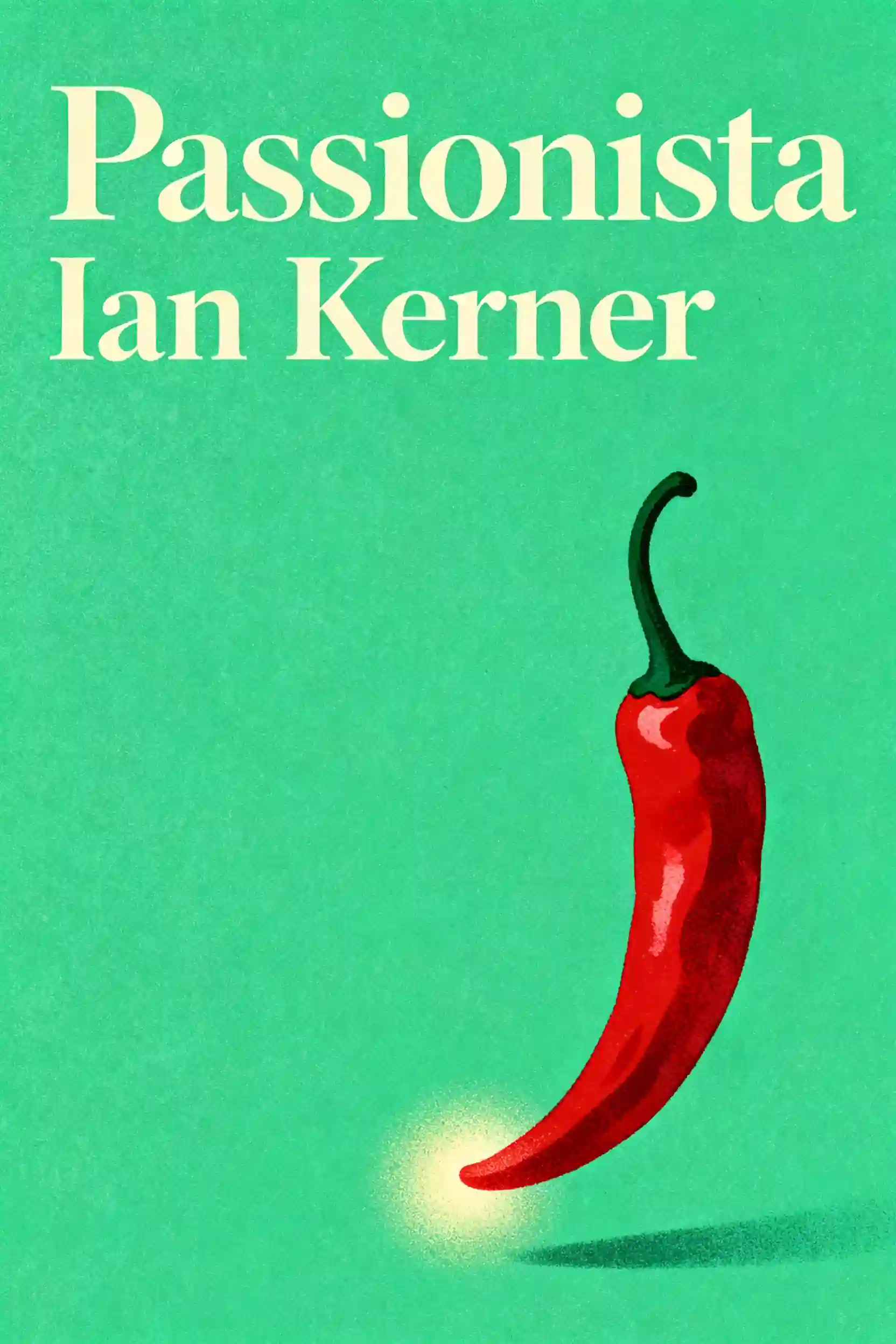
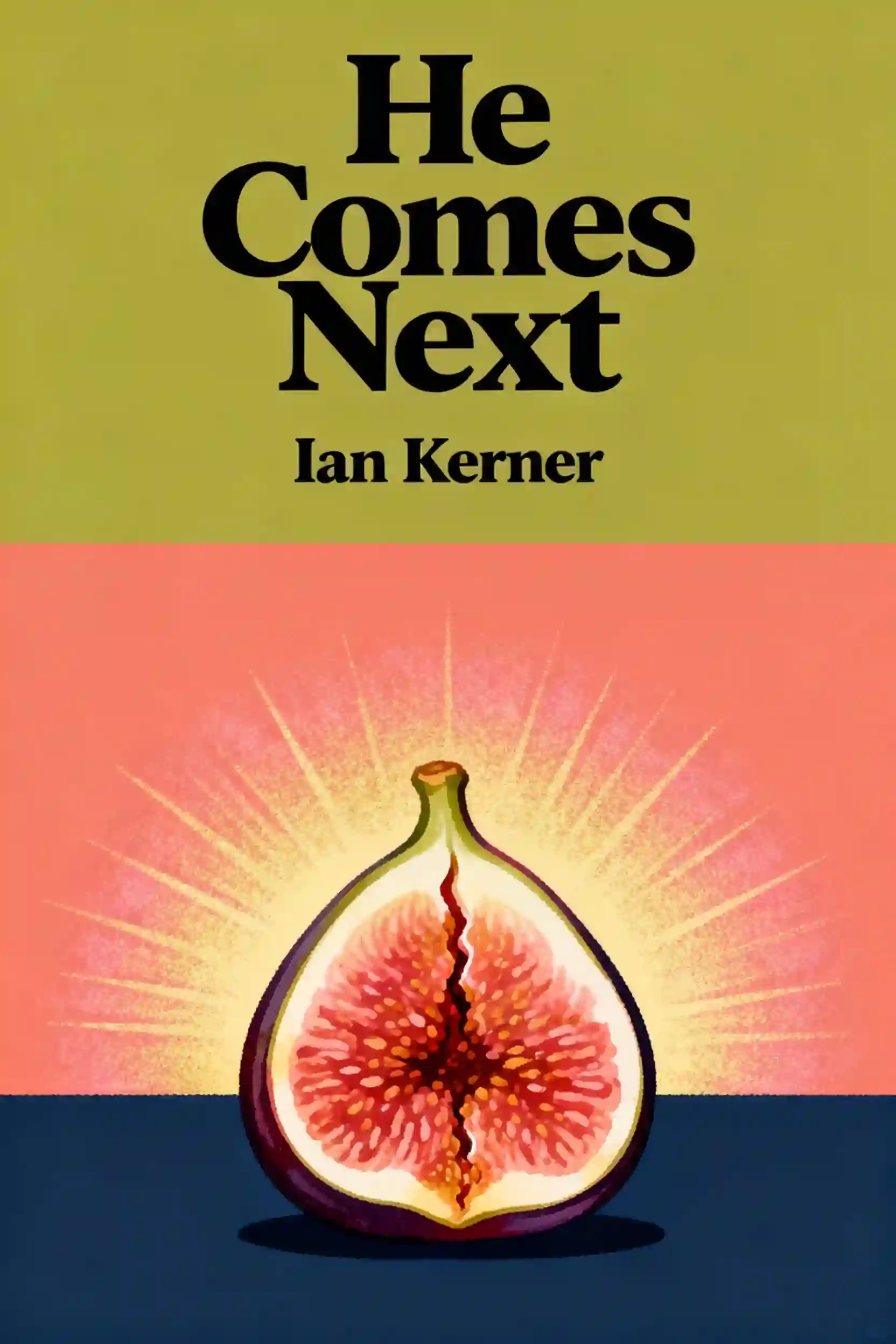
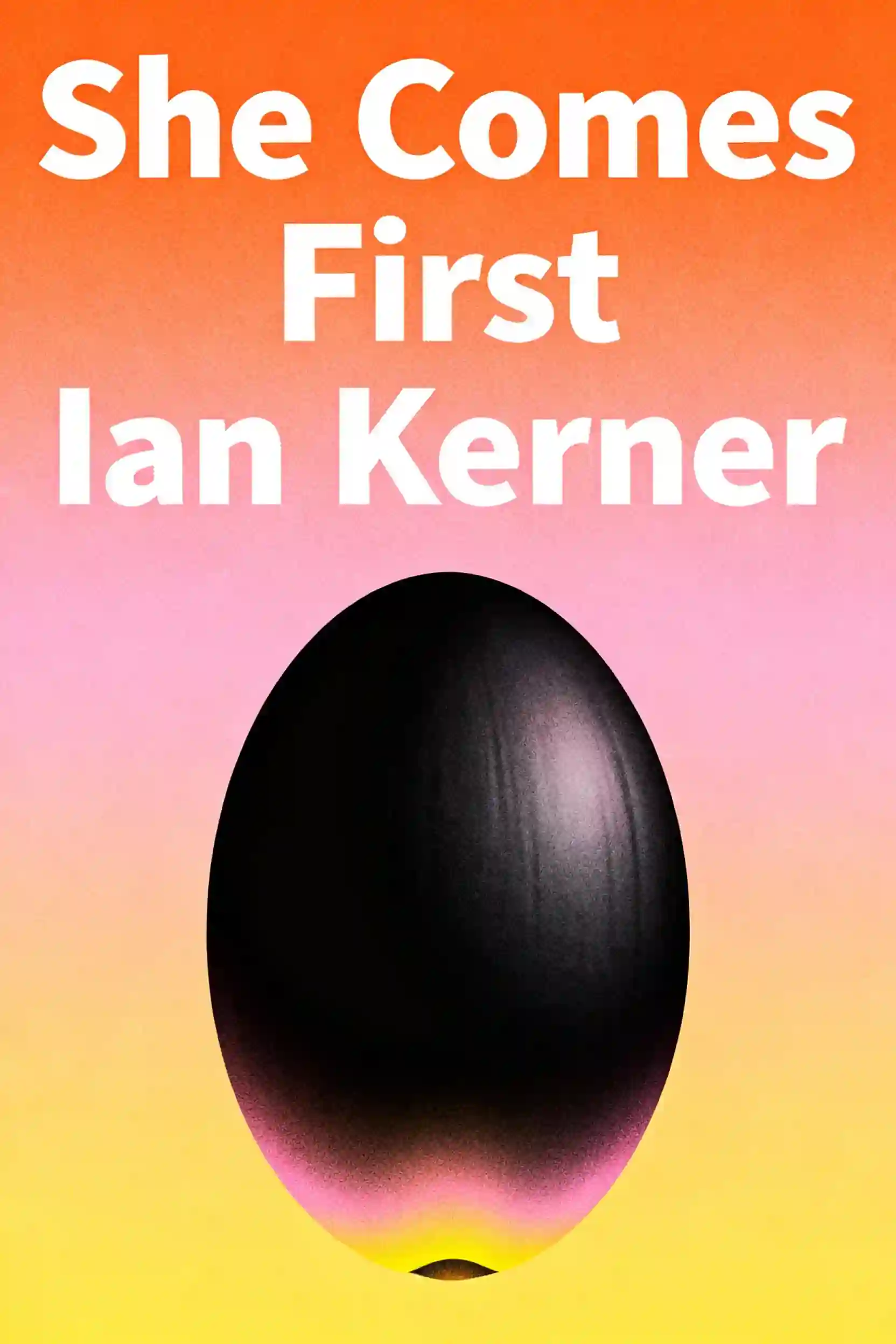
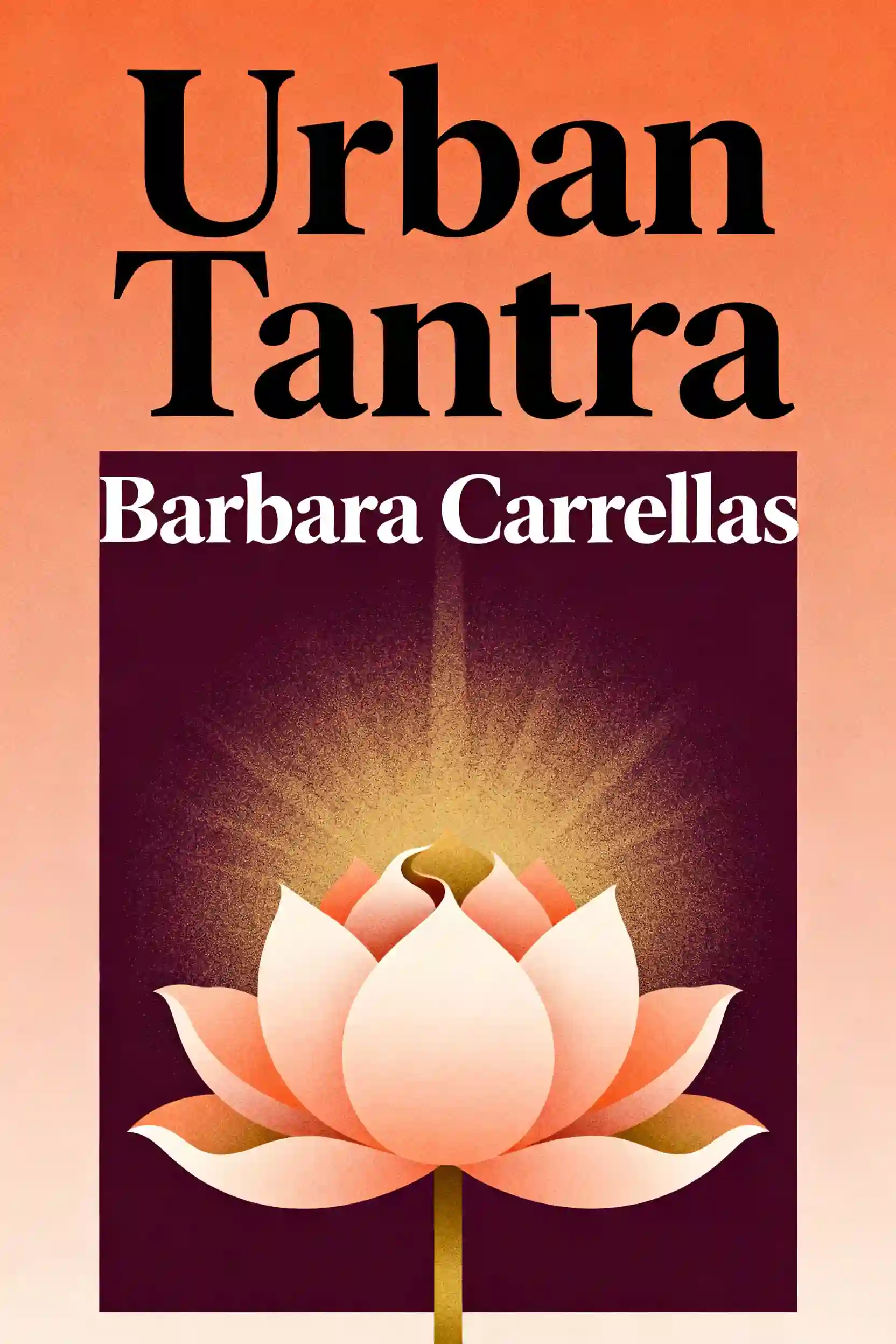
Discover more

Mastering sex
Mastering sex
This plan is designed for individuals and couples seeking to deepen their physical and emotional connections. It bridges the gap between biological health, effective communication, and advanced intimacy techniques to foster a fulfilling sexual life.

Amazing sex for him
Amazing sex for him
This course is designed for men looking to move beyond surface-level techniques to achieve deep, confident intimacy. It is ideal for anyone wanting to overcome performance pressure and build stronger emotional connections with their partners.

Boost Bedroom Confidence & Dirty Talk Skills
Boost Bedroom Confidence & Dirty Talk Skills
This plan is designed for individuals seeking to bridge the gap between emotional connection and physical desire by mastering the psychological nuances of intimacy. It is ideal for anyone looking to overcome performance anxiety, improve their communication skills, and confidently express their deepest fantasies.
Become more comfortable sexually
Become more comfortable sexually
This learning plan is essential for anyone seeking to break free from inhibitions and foster a more authentic relationship with their body. It is designed for individuals and partners who want to bridge the gap between physical intimacy and emotional connection through proven communication and mindfulness techniques.

Master sexual skills to please my girlfriend
Master sexual skills to please my girlfriend
This plan is designed for men who want to move beyond basic mechanics and become truly exceptional partners. It benefits anyone looking to bridge the gap between physical technique and emotional intimacy to create a more fulfilling relationship.

Confident intimacy & secure sexual connection
Confident intimacy & secure sexual connection
This plan is designed for individuals or partners seeking to move past insecurity and shame toward a more empowered, authentic expression of their desires. It is essential for anyone wanting to bridge the gap between emotional safety and physical passion in their long-term relationships.
Domination and submission
Domination and submission
Power exchange dynamics require specialized knowledge about consent, psychology, and communication that most people never learn. This learning plan is designed for individuals and couples who want to explore dominance and submission in healthy, ethical ways—whether you're curious beginners or experienced practitioners seeking to deepen your practice. By combining psychological foundations with practical skills, this path helps you navigate power dynamics with confidence, compassion, and authenticity.
Improve my sexual prowess
Improve my sexual prowess
This plan is designed for individuals seeking to move beyond surface-level intimacy by blending practical skills with emotional depth. It is ideal for anyone looking to build confidence, master advanced physical techniques, and explore the spiritual dimensions of sacred sexuality.
From Columbia University alumni built in San Francisco
"Instead of endless scrolling, I just hit play on BeFreed. It saves me so much time."


"I never knew where to start with nonfiction—BeFreed’s book lists turned into podcasts gave me a clear path."


"Perfect balance between learning and entertainment. Finished ‘Thinking, Fast and Slow’ on my commute this week."
"Crazy how much I learned while walking the dog. BeFreed = small habits → big gains."
"Reading used to feel like a chore. Now it’s just part of my lifestyle."

"Feels effortless compared to reading. I’ve finished 6 books this month already."
"BeFreed turned my guilty doomscrolling into something that feels productive and inspiring."

"BeFreed turned my commute into learning time. 20-min podcasts are perfect for finishing books I never had time for."
"BeFreed replaced my podcast queue. Imagine Spotify for books — that’s it. 🙌"

"It is great for me to learn something from the book without reading it."
"The themed book list podcasts help me connect ideas across authors—like a guided audio journey."
"Makes me feel smarter every time before going to work"
From Columbia University alumni built in San Francisco
"Instead of endless scrolling, I just hit play on BeFreed. It saves me so much time."
"I never knew where to start with nonfiction—BeFreed’s book lists turned into podcasts gave me a clear path."
"Perfect balance between learning and entertainment. Finished ‘Thinking, Fast and Slow’ on my commute this week."
"Crazy how much I learned while walking the dog. BeFreed = small habits → big gains."
"Reading used to feel like a chore. Now it’s just part of my lifestyle."
"Feels effortless compared to reading. I’ve finished 6 books this month already."
"BeFreed turned my guilty doomscrolling into something that feels productive and inspiring."
"BeFreed turned my commute into learning time. 20-min podcasts are perfect for finishing books I never had time for."
"BeFreed replaced my podcast queue. Imagine Spotify for books — that’s it. 🙌"
"It is great for me to learn something from the book without reading it."
"The themed book list podcasts help me connect ideas across authors—like a guided audio journey."
"Makes me feel smarter every time before going to work"
"Instead of endless scrolling, I just hit play on BeFreed. It saves me so much time."
"I never knew where to start with nonfiction—BeFreed’s book lists turned into podcasts gave me a clear path."
"Perfect balance between learning and entertainment. Finished ‘Thinking, Fast and Slow’ on my commute this week."
"Crazy how much I learned while walking the dog. BeFreed = small habits → big gains."
"Reading used to feel like a chore. Now it’s just part of my lifestyle."
"Feels effortless compared to reading. I’ve finished 6 books this month already."
"BeFreed turned my guilty doomscrolling into something that feels productive and inspiring."
"BeFreed turned my commute into learning time. 20-min podcasts are perfect for finishing books I never had time for."
"BeFreed replaced my podcast queue. Imagine Spotify for books — that’s it. 🙌"
"It is great for me to learn something from the book without reading it."
"The themed book list podcasts help me connect ideas across authors—like a guided audio journey."
"Makes me feel smarter every time before going to work"
"Instead of endless scrolling, I just hit play on BeFreed. It saves me so much time."
"I never knew where to start with nonfiction—BeFreed’s book lists turned into podcasts gave me a clear path."
"Perfect balance between learning and entertainment. Finished ‘Thinking, Fast and Slow’ on my commute this week."
"Crazy how much I learned while walking the dog. BeFreed = small habits → big gains."
"Reading used to feel like a chore. Now it’s just part of my lifestyle."
"Feels effortless compared to reading. I’ve finished 6 books this month already."
"BeFreed turned my guilty doomscrolling into something that feels productive and inspiring."
"BeFreed turned my commute into learning time. 20-min podcasts are perfect for finishing books I never had time for."
"BeFreed replaced my podcast queue. Imagine Spotify for books — that’s it. 🙌"
"It is great for me to learn something from the book without reading it."
"The themed book list podcasts help me connect ideas across authors—like a guided audio journey."
"Makes me feel smarter every time before going to work"


