
Mastering Active Reading: How to Read and Remember
Stop passive scanning and start retaining information. Learn how to build your focus muscle and transform reading into a high-performance skill using active mastery and pre-read rituals.

Best quote from Mastering Active Reading: How to Read and Remember
To actually remember what we read, we have to treat it like a conversation, not a lecture. It’s about moving from a passive state to an active, engaged state where you’re not just seeing the words, but experiencing them.

This audio lesson was created by a BeFreed community member
How to read and not forget.how to read with concentration

![MAKE IT STICK , BROWN, PETER C. [Hardcover] HARVARD UNIVERSITY PRESS](https://d1y2du6z1jfm9e.cloudfront.net/covers/a3c49b6b-abd7-4c1b-afb2-09b323ee76c0/image_resized.webp)
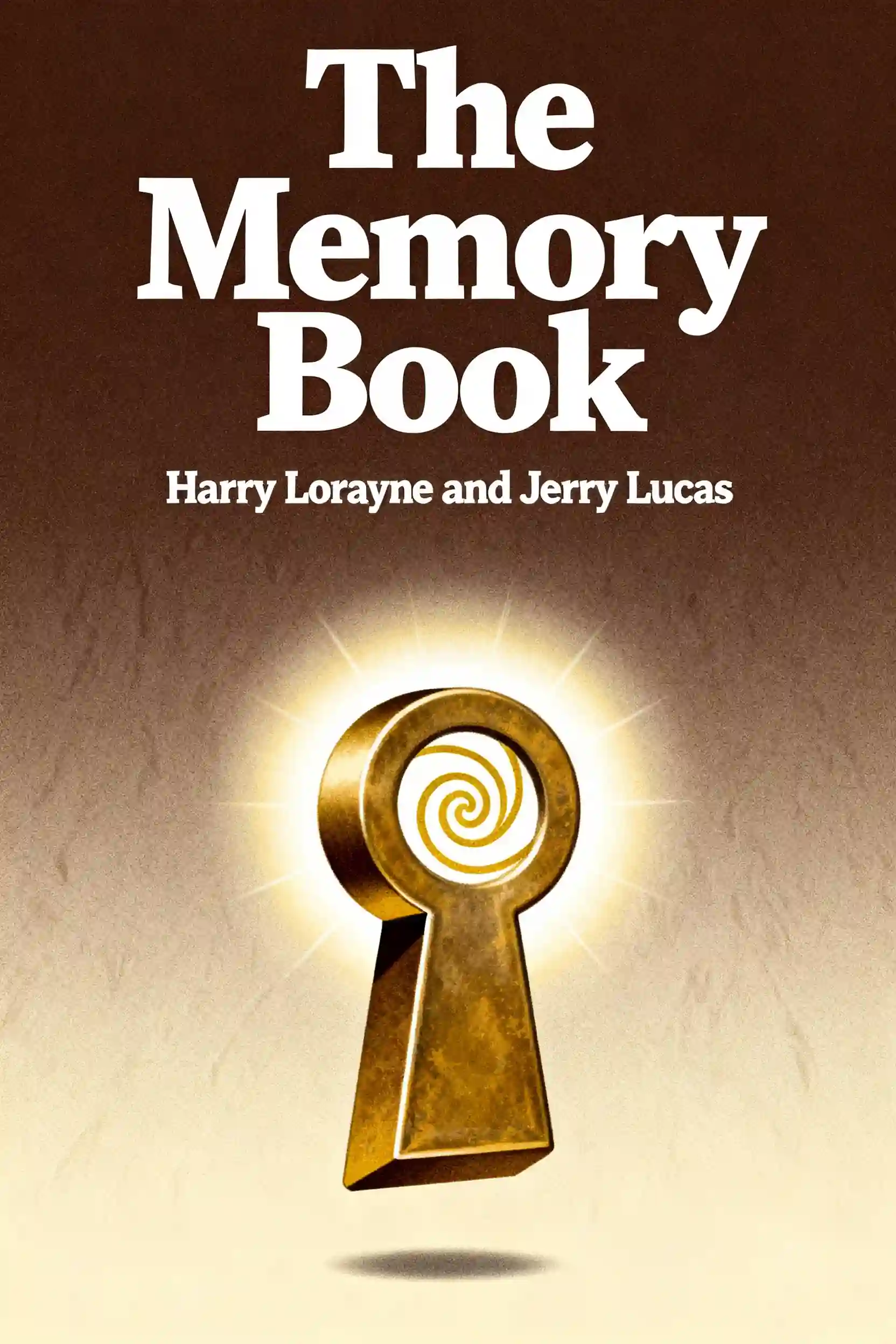
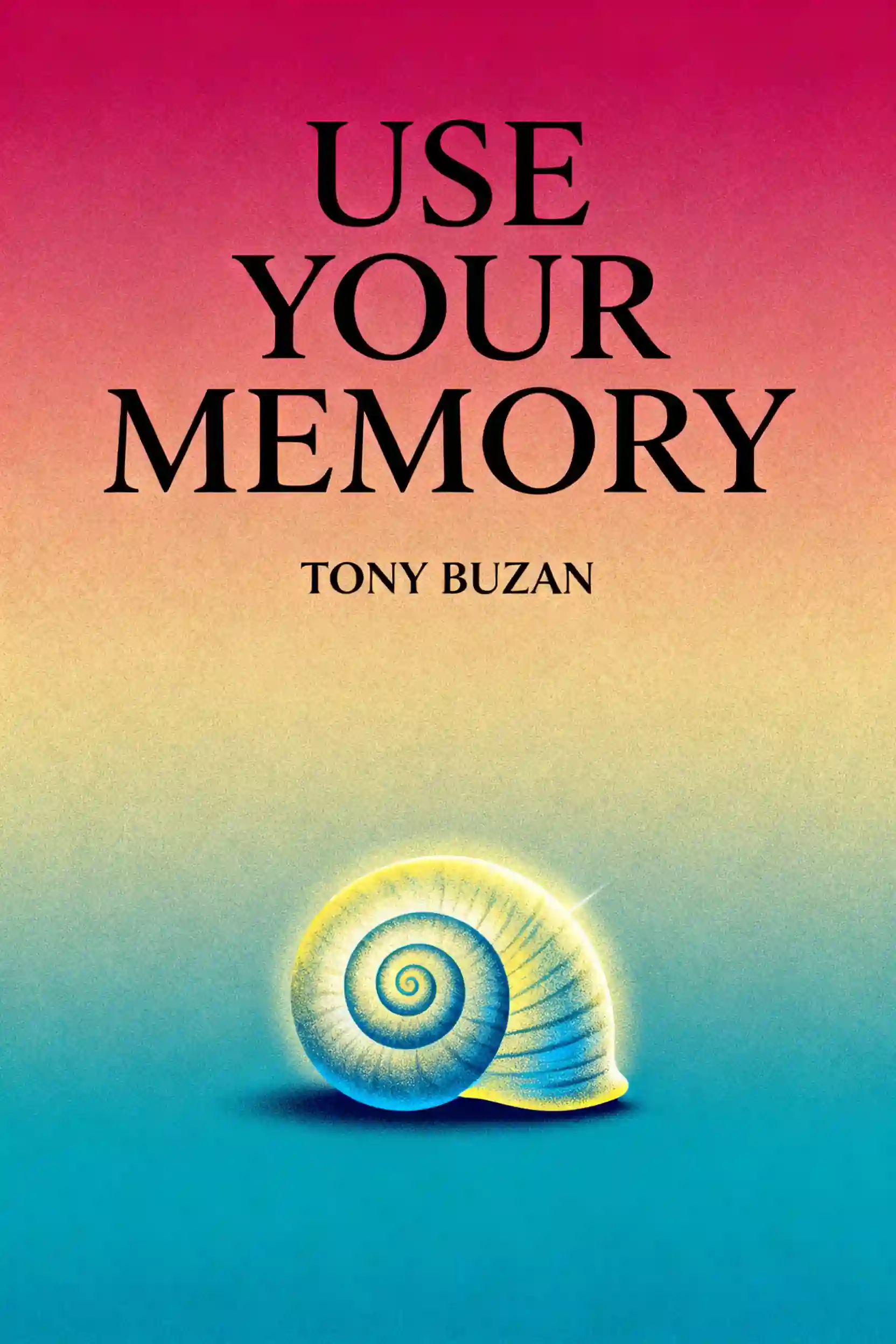
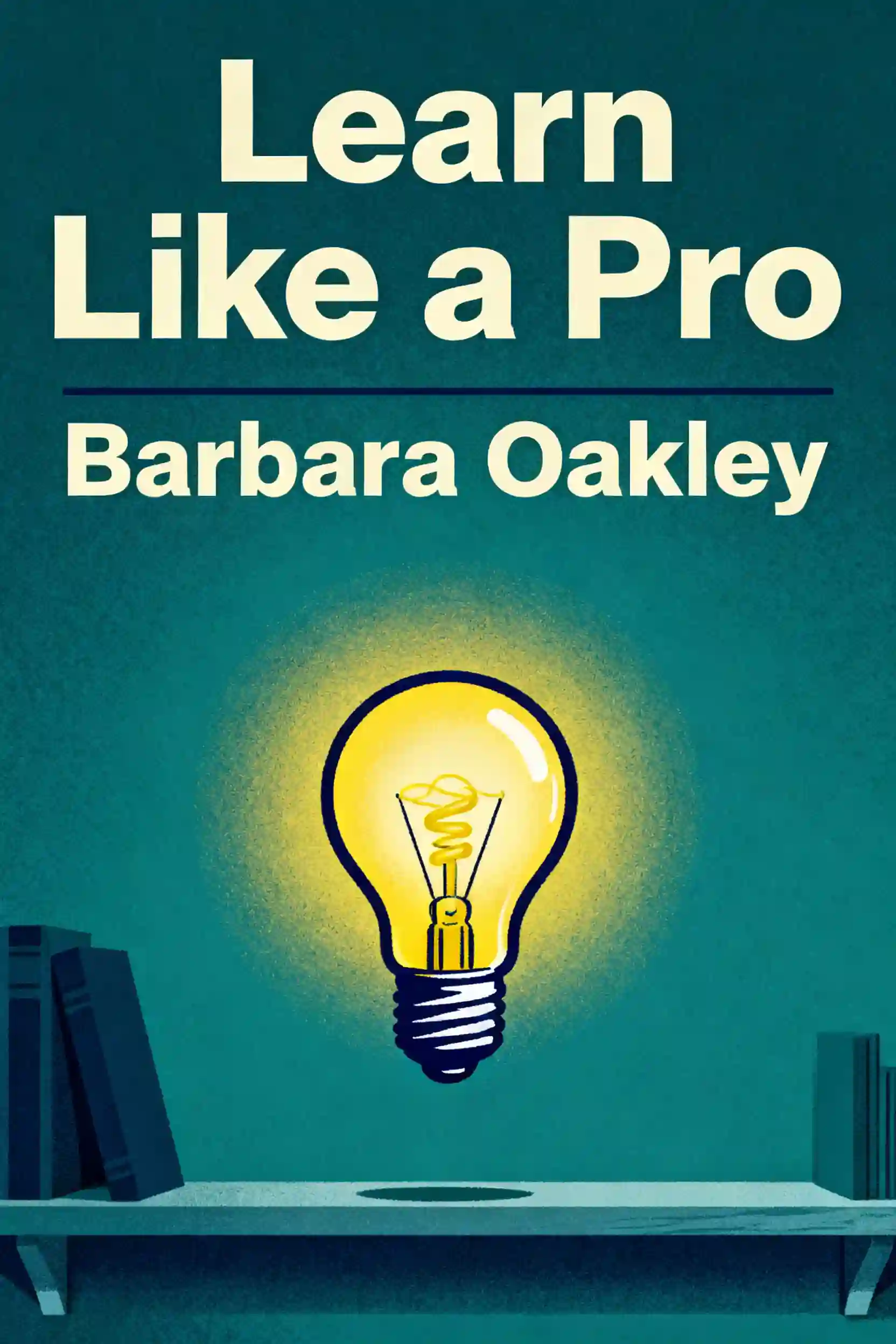
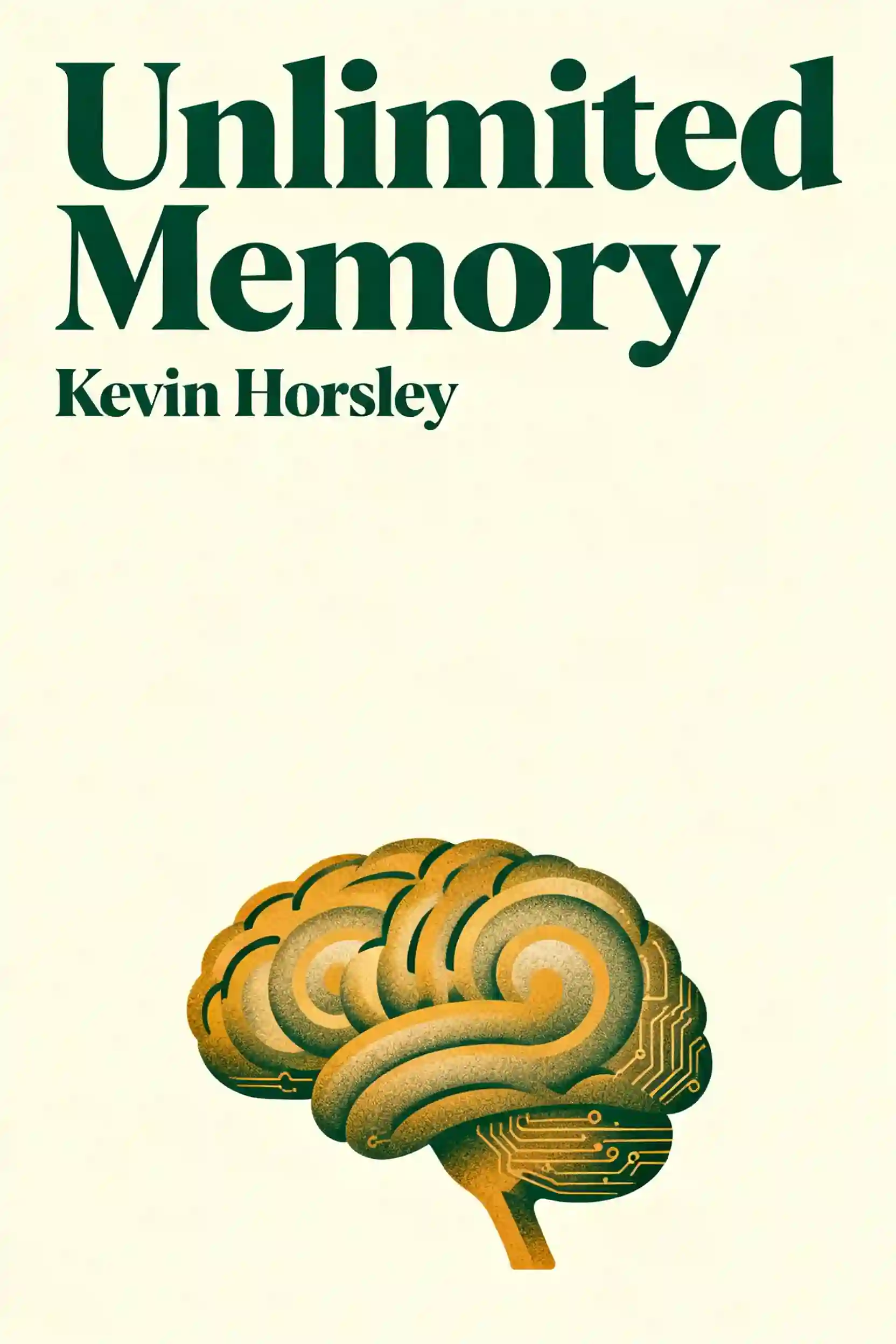
Frequently Asked Questions
A preread is a strategy used to build a mental map of a text before diving into deep reading. Instead of starting on page one, you scan the back cover, the introduction, subheadings, and perhaps a few random sentences to understand the "why" and the overall structure of the material. This process creates a mental scaffold or "memory bank" that makes it easier for your brain to recognize main ideas and draw connections once you begin reading in earnest.
Reading aloud creates a multi-sensory feedback loop by integrating sight, sound, and the physical act of speaking. This "auditory loop" forces the brain to pay closer attention to punctuation, intonation, and expression, which helps infer deeper meaning. It acts as a "manual override" for the brain, preventing the mind from wandering and making it much harder to engage in passive scanning.
Waiting until you finish a section to jot down notes practices "active recall," which strengthens neural pathways and moves information into long-term memory. If you take notes while reading, it can become a passive activity similar to highlighting. By forcing yourself to "stretch" your memory to summarize the "elevator pitch" of a passage after you've closed the book or finished the page, you are effectively giving your brain a mini-test that reinforces learning.
Decoding is the basic mechanical process of translating letters into words, which can be exhausting if a reader lacks fluency or vocabulary. True comprehension, however, involves "inferential and evaluative thinking." This means going beyond the literal words to ask "how" and "why" an author is presenting information, connecting new facts to your existing personal memory bank, and generating your own "detective" questions to interrogate the text.
Highlighting is often described as an "illusion of learning" or a "lazy" version of studying because it is a passive physical act that doesn't require the brain to process or synthesize information. Unlike using graphic organizers or writing summaries in your own words, highlighting doesn't force you to think critically about the material. To truly master a text, it is more effective to use the "5-W" approach (Who, What, Where, When, and Why) to create a physical, organized structure of the ideas.
Discover more

reading a book efficiently
reading a book efficiently
In an era of information overload, the ability to process and retain knowledge quickly is a vital competitive advantage. This plan is designed for students, professionals, and lifelong learners who want to stop skimming and start mastering complex texts with efficiency.

Read faster and smarter to build skills.
Read faster and smarter to build skills.
In an era of information overload, the ability to rapidly process and retain knowledge is a critical competitive advantage. This plan is designed for professionals, students, and lifelong learners who need to master complex subjects quickly and transition from surface-level reading to deep expertise.

Improve Reading Comprehension and Memory
Improve Reading Comprehension and Memory
This learning plan is essential for students, professionals, and lifelong learners overwhelmed by information overload. It provides a structured path to transition from surface-level reading to deep mastery and permanent retention of complex material.

Become better at reading for a test
Become better at reading for a test
In an age of information overload, the ability to process and retain complex information quickly is a vital academic and professional edge. This plan is designed for students and lifelong learners who want to move beyond rote memorization toward deep analytical understanding and superior test performance.
Mastering Speed Reading and Accelerated Learning
Mastering Speed Reading and Accelerated Learning
This learning plan provides a comprehensive guide to increasing reading speed and information retention based on established speed reading workbooks and cognitive science research. It covers mechanical techniques like eliminating regression and subvocalization, visual strategies such as chunking and peripheral vision training, and advanced comprehension frameworks like SQR3 and active recall. The plan is organized to move from physical eye-movement mechanics to high-level strategic reading and long-term memory consolidation.

To read comfortably
To read comfortably
In an age of digital distraction, mastering the art of deep reading is a vital skill for personal and professional growth. This plan is ideal for anyone looking to transition from passive skimming to active, enjoyable, and high-retention literary engagement.

I want to read faster
I want to read faster
In today's information-dense world, the ability to read faster while retaining more is a critical competitive advantage for professionals, students, and lifelong learners. This comprehensive plan transforms you from a passive reader into an active learning machine, equipping you with techniques used by top performers to process vast amounts of information efficiently while ensuring deep understanding and long-term retention.
to be a good reader
to be a good reader
In an age of digital distraction, the ability to focus and deeply process information is a vital competitive advantage. This plan is designed for lifelong learners and professionals who want to move beyond surface-level skimming to achieve true mastery over any text they encounter.
From Columbia University alumni built in San Francisco
"Instead of endless scrolling, I just hit play on BeFreed. It saves me so much time."


"I never knew where to start with nonfiction—BeFreed’s book lists turned into podcasts gave me a clear path."


"Perfect balance between learning and entertainment. Finished ‘Thinking, Fast and Slow’ on my commute this week."
"Crazy how much I learned while walking the dog. BeFreed = small habits → big gains."
"Reading used to feel like a chore. Now it’s just part of my lifestyle."

"Feels effortless compared to reading. I’ve finished 6 books this month already."
"BeFreed turned my guilty doomscrolling into something that feels productive and inspiring."

"BeFreed turned my commute into learning time. 20-min podcasts are perfect for finishing books I never had time for."
"BeFreed replaced my podcast queue. Imagine Spotify for books — that’s it. 🙌"

"It is great for me to learn something from the book without reading it."
"The themed book list podcasts help me connect ideas across authors—like a guided audio journey."
"Makes me feel smarter every time before going to work"
From Columbia University alumni built in San Francisco
"Instead of endless scrolling, I just hit play on BeFreed. It saves me so much time."
"I never knew where to start with nonfiction—BeFreed’s book lists turned into podcasts gave me a clear path."
"Perfect balance between learning and entertainment. Finished ‘Thinking, Fast and Slow’ on my commute this week."
"Crazy how much I learned while walking the dog. BeFreed = small habits → big gains."
"Reading used to feel like a chore. Now it’s just part of my lifestyle."
"Feels effortless compared to reading. I’ve finished 6 books this month already."
"BeFreed turned my guilty doomscrolling into something that feels productive and inspiring."
"BeFreed turned my commute into learning time. 20-min podcasts are perfect for finishing books I never had time for."
"BeFreed replaced my podcast queue. Imagine Spotify for books — that’s it. 🙌"
"It is great for me to learn something from the book without reading it."
"The themed book list podcasts help me connect ideas across authors—like a guided audio journey."
"Makes me feel smarter every time before going to work"
"Instead of endless scrolling, I just hit play on BeFreed. It saves me so much time."
"I never knew where to start with nonfiction—BeFreed’s book lists turned into podcasts gave me a clear path."
"Perfect balance between learning and entertainment. Finished ‘Thinking, Fast and Slow’ on my commute this week."
"Crazy how much I learned while walking the dog. BeFreed = small habits → big gains."
"Reading used to feel like a chore. Now it’s just part of my lifestyle."
"Feels effortless compared to reading. I’ve finished 6 books this month already."
"BeFreed turned my guilty doomscrolling into something that feels productive and inspiring."
"BeFreed turned my commute into learning time. 20-min podcasts are perfect for finishing books I never had time for."
"BeFreed replaced my podcast queue. Imagine Spotify for books — that’s it. 🙌"
"It is great for me to learn something from the book without reading it."
"The themed book list podcasts help me connect ideas across authors—like a guided audio journey."
"Makes me feel smarter every time before going to work"
"Instead of endless scrolling, I just hit play on BeFreed. It saves me so much time."
"I never knew where to start with nonfiction—BeFreed’s book lists turned into podcasts gave me a clear path."
"Perfect balance between learning and entertainment. Finished ‘Thinking, Fast and Slow’ on my commute this week."
"Crazy how much I learned while walking the dog. BeFreed = small habits → big gains."
"Reading used to feel like a chore. Now it’s just part of my lifestyle."
"Feels effortless compared to reading. I’ve finished 6 books this month already."
"BeFreed turned my guilty doomscrolling into something that feels productive and inspiring."
"BeFreed turned my commute into learning time. 20-min podcasts are perfect for finishing books I never had time for."
"BeFreed replaced my podcast queue. Imagine Spotify for books — that’s it. 🙌"
"It is great for me to learn something from the book without reading it."
"The themed book list podcasts help me connect ideas across authors—like a guided audio journey."
"Makes me feel smarter every time before going to work"


![MAKE IT STICK , BROWN, PETER C. [Hardcover] HARVARD UNIVERSITY PRESS](/_next/image?url=https%3A%2F%2Fd3lvzgn0lx7rb2.cloudfront.net%2Fcovers%2Fa3c49b6b-abd7-4c1b-afb2-09b323ee76c0%2Fimage_resized.webp&w=1024&q=50)


