
Managing expectations and the pain of disappointment
When people don't follow your script, it hurts. Learn how to turn expectations into probabilities and build the emotional strength to handle letdowns.

Best quote from Managing expectations and the pain of disappointment
Disappointment is essentially the gap between the story we’ve told ourselves and what actually happens. When we rigidly insist on a specific picture in our minds, we lose the ability to roll with the punches.

This audio lesson was created by a BeFreed community member
How to not let my expectations of people ruin my time when I'm let down from what I thought would happen for me.

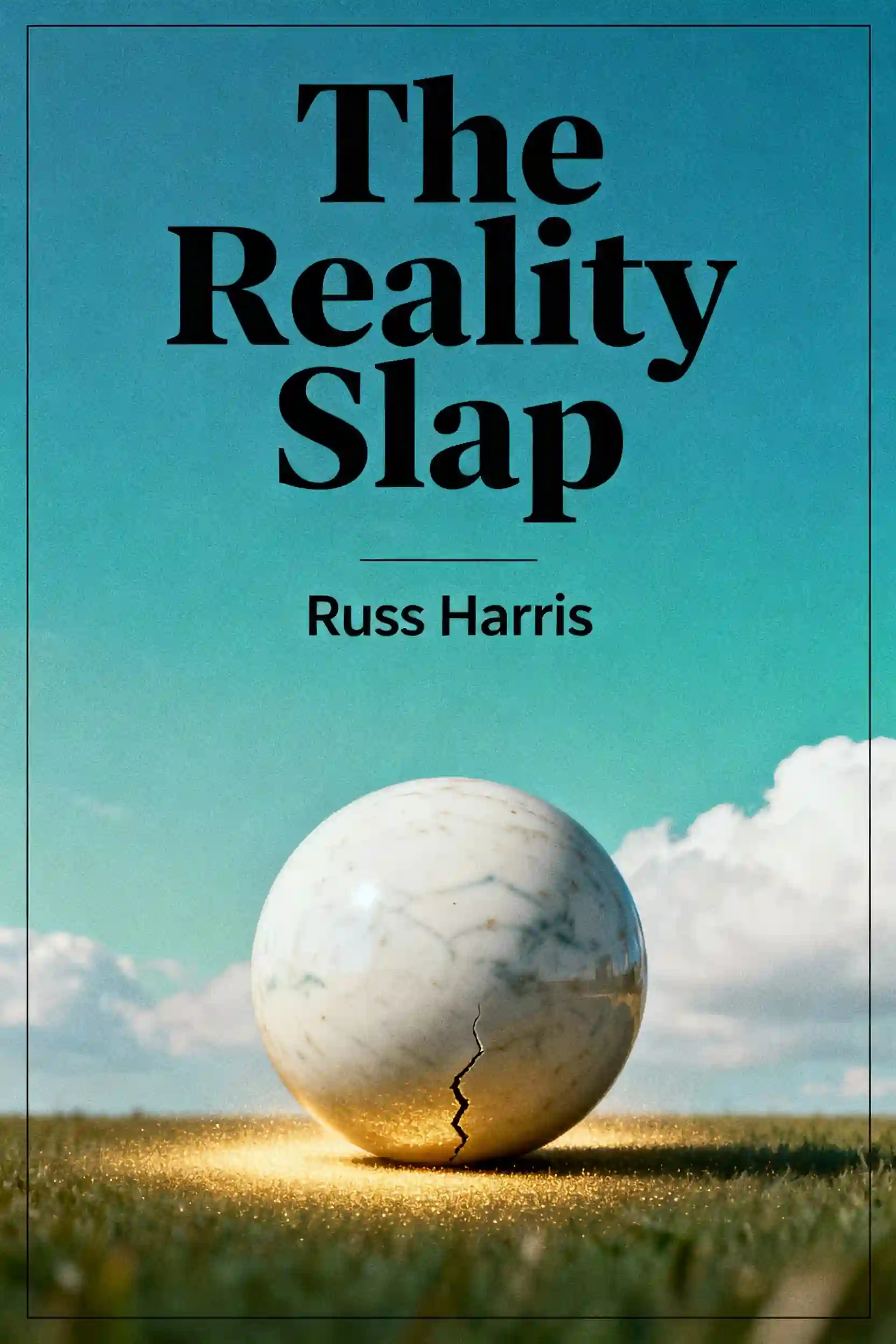
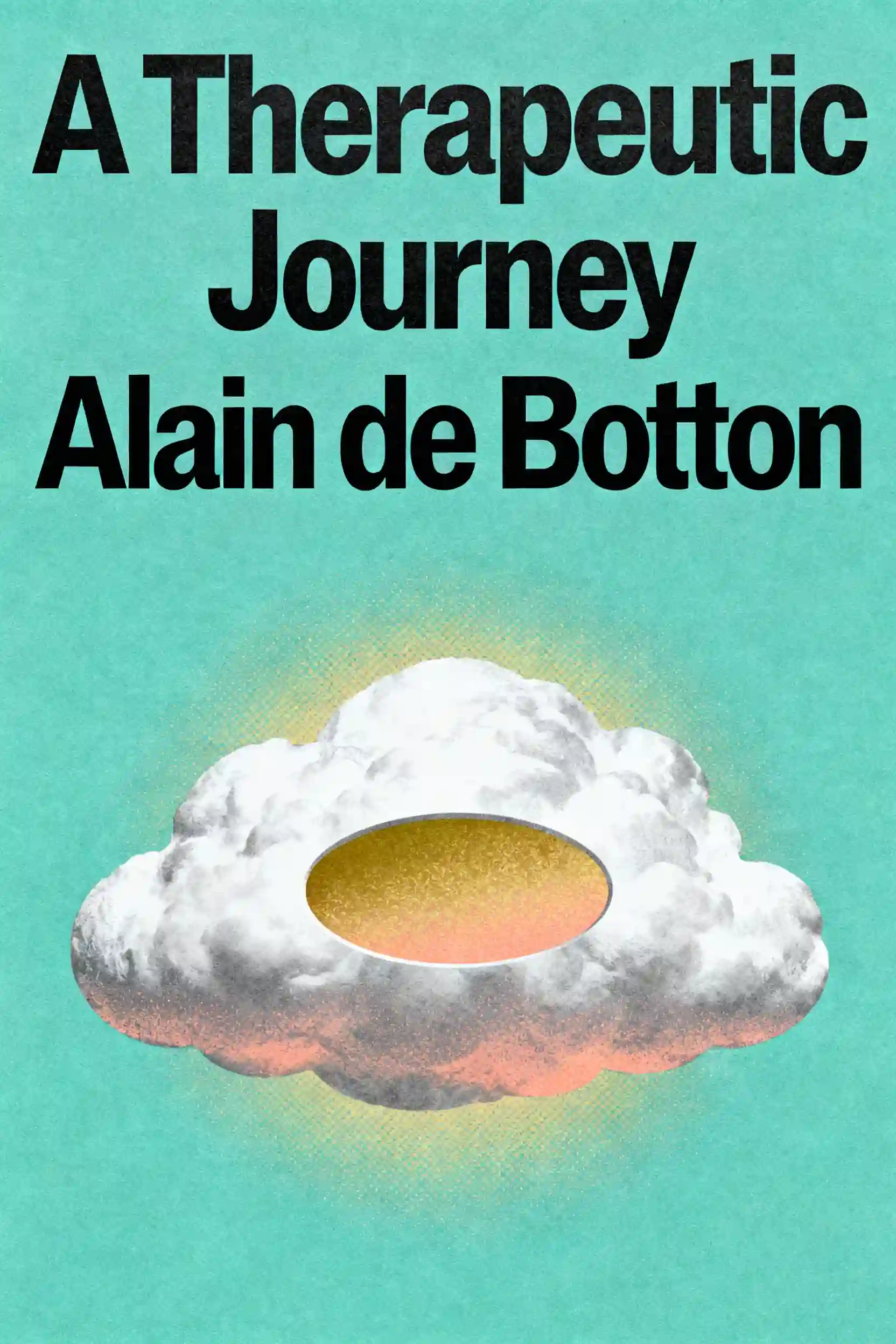
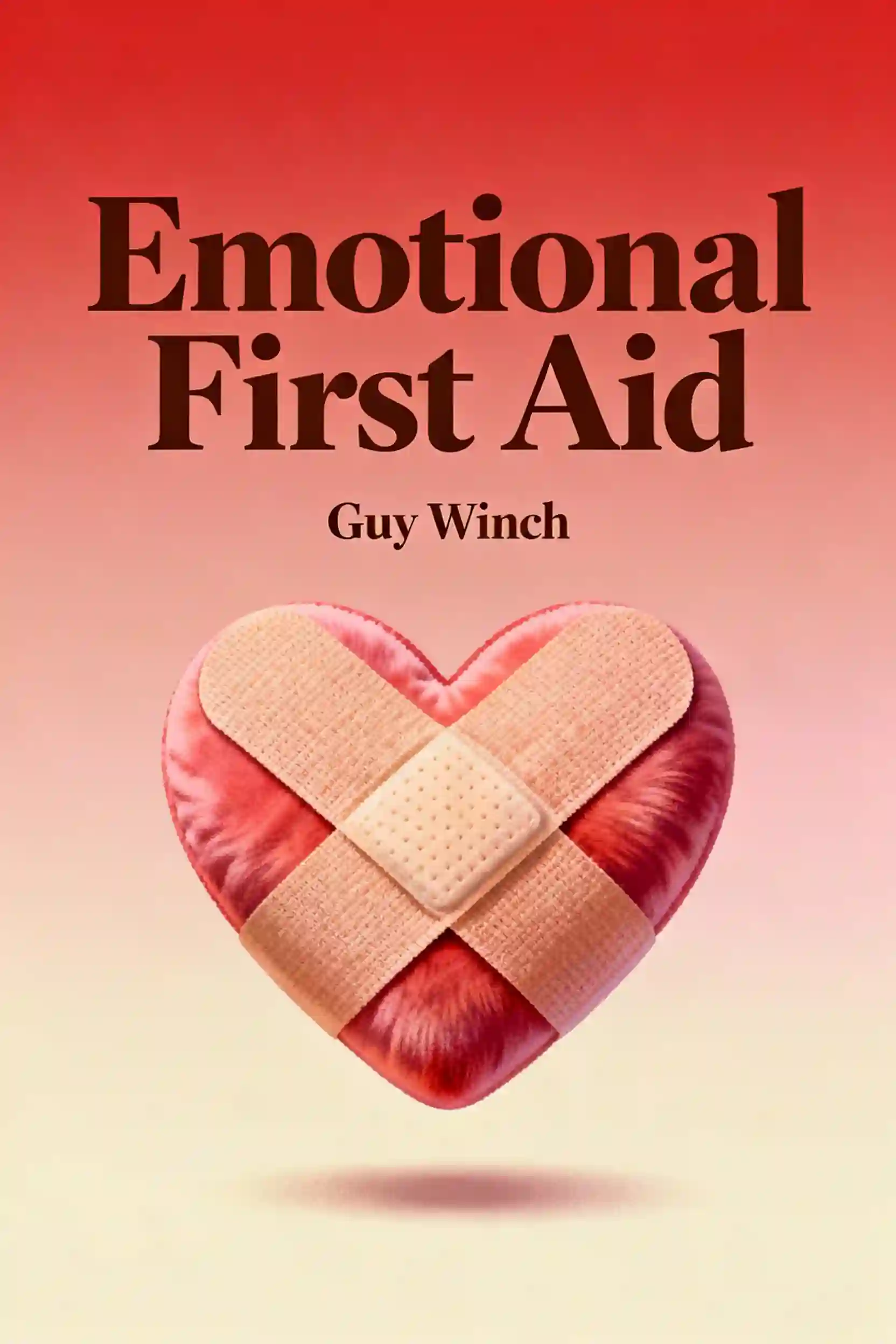
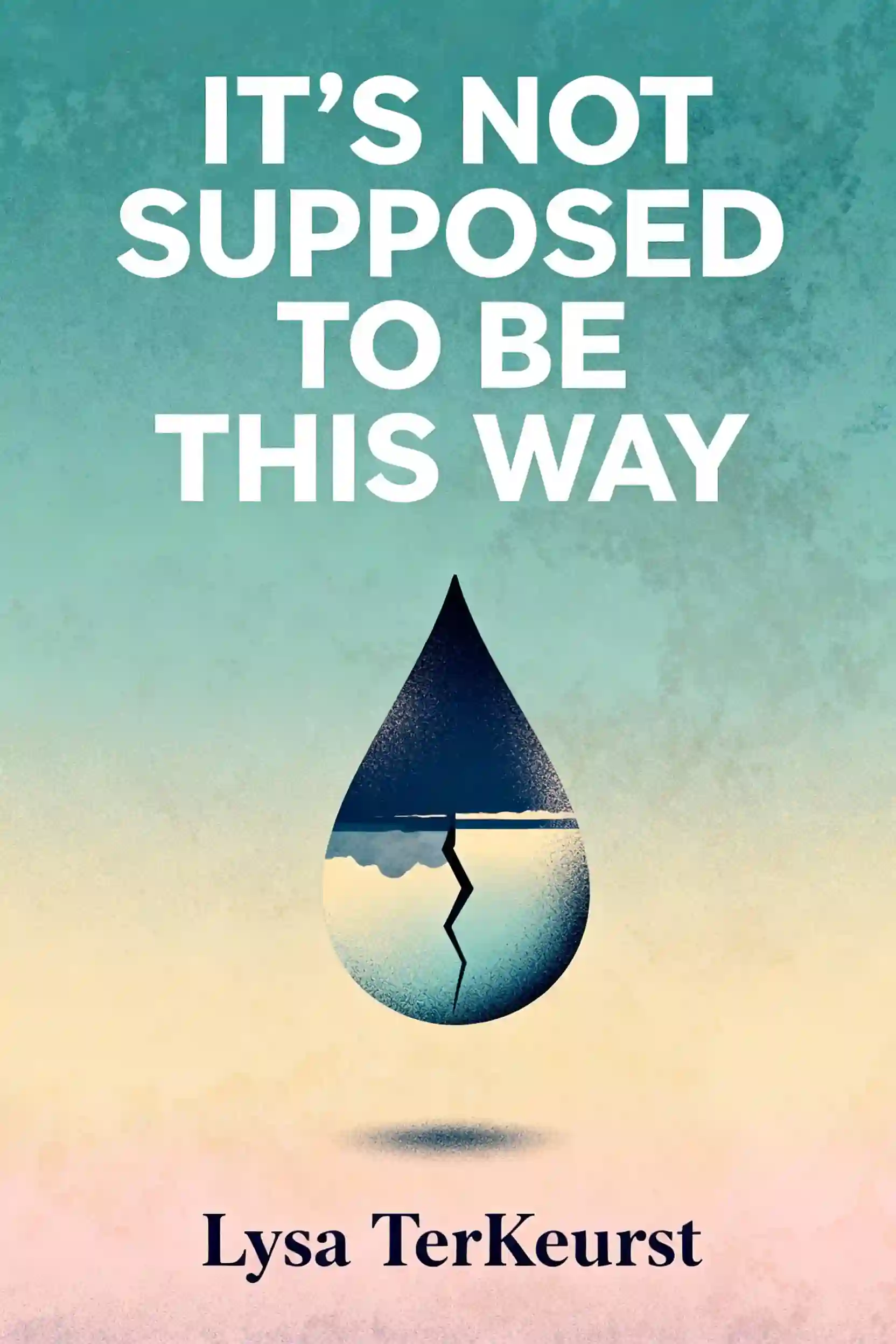
Frequently Asked Questions
Disappointment is often experienced as a "crushing" weight because it represents the gap between the mental script we’ve written and the reality that actually occurs. When this gap opens up, we tend to make it personal, interpreting the situation as a threat to our safety or a reflection of our self-worth. Psychologists note that if we were shielded from minor letdowns in childhood, we may lack the "feeling muscles" necessary to process these emotions, causing adult disappointments to feel like catastrophes rather than manageable life events.
Resentment often stems from "ghost rules"—unspoken expectations we have for others that they aren't even aware of. To break this cycle, you must move from "magical thinking" to explicit communication. Instead of assuming someone should know what you need, use "I" statements to express your hopes and boundaries clearly. Additionally, practicing "radical acceptance" helps you stop fighting reality; by acknowledging what has happened without judgment, you can shift your focus from past grievances to the constructive question of "now what?"
While it may seem like a mature solution, psychologists argue that living without expectations is actually impossible because our brains are naturally wired to predict the future. Attempting to have zero expectations is often a form of emotional self-harm or a defense mechanism to avoid pain. The goal is not to lower the bar to zero, but to reduce the rigidity of your expectations. By treating your hopes as "probabilities" or "bets" rather than guaranteed outcomes, you allow yourself the flexibility to "roll with the punches" when things don't go as planned.
The "expectation bets" exercise is a practical three-minute mental tool used before an event to pull expectations out of "fantasy mode." You assign percentages to various outcomes, such as a 40% chance of a great date, a 50% chance of a mediocre one, and a 10% chance of a disaster. This process prepares your nervous system for multiple realities, ensuring that if a less-than-ideal outcome occurs, you already have a mental "file" open for it. This transforms a potential disappointment from a personal verdict into a simple data point that you can use to adjust your future strategy.
Discover more

Handle Rejection With Calm
Handle Rejection With Calm
Rejection is an inevitable part of life that can trigger intense emotional responses and undermine self-confidence if not properly managed. This learning plan equips anyone who faces rejection in personal relationships, professional settings, or creative pursuits with practical tools to transform these challenging experiences into opportunities for growth.
Express emotions vs. expecting mind-reading
Express emotions vs. expecting mind-reading
Many people struggle with unmet expectations and relationship frustrations because they assume others should intuitively know their needs. This learning plan is ideal for anyone who finds themselves feeling disappointed when others don't meet unexpressed expectations, those who avoid conflict by staying silent, or individuals who want to build more authentic and fulfilling relationships through clear, honest communication.

Overcome feeling I disappoint everyone
Overcome feeling I disappoint everyone
This learning plan is designed for individuals who struggle with persistent anxiety about making mistakes, fear others' judgment, or constantly feel they've disappointed people around them. It's particularly valuable for those caught in cycles of people-pleasing, over-apologizing, or avoiding situations due to worry about others' reactions—helping them break free from these exhausting patterns and build genuine confidence.

Identify Pain Points to Sell Better
Identify Pain Points to Sell Better
This learning plan is essential for sales professionals and entrepreneurs who want to move beyond surface-level pitching and drive deeper engagement. It combines psychological insights with practical frameworks like Jobs-to-Be-Done to transform how you identify and solve customer problems.

Letting go of past hurts, forgiving the people who hurt you, learning to heal mentally and emotionally
Letting go of past hurts, forgiving the people who hurt you, learning to heal mentally and emotionally
Unresolved emotional wounds can silently control our behaviors, relationships, and life satisfaction. This learning plan provides a structured approach to emotional healing for anyone struggling with past hurts, resentment, or recurring negative patterns that stem from unhealed trauma.
I wan to learn how to manuplate tough people
I wan to learn how to manuplate tough people
In professional and personal environments, encountering resistant or toxic personalities is inevitable. This plan is designed for leaders and individuals who need to regain control, protect their interests, and master the art of strategic persuasion in challenging social landscapes.
Manage Toxic People & Set Firm Boundaries
Manage Toxic People & Set Firm Boundaries
This plan is essential for anyone feeling drained by manipulative relationships or struggling to maintain personal limits. It provides practical tools for professionals and individuals to regain control through assertive communication and emotional healing.
Build self-respect & handle work power plays
Build self-respect & handle work power plays
This learning plan is essential for professionals who feel undervalued, struggle with boundary-setting, or find themselves outmaneuvered by office politics. It's particularly valuable for those who want to advance their careers without compromising their integrity, and for anyone dealing with difficult colleagues or toxic workplace dynamics that erode their confidence and peace of mind.
From Columbia University alumni built in San Francisco
"Instead of endless scrolling, I just hit play on BeFreed. It saves me so much time."


"I never knew where to start with nonfiction—BeFreed’s book lists turned into podcasts gave me a clear path."


"Perfect balance between learning and entertainment. Finished ‘Thinking, Fast and Slow’ on my commute this week."
"Crazy how much I learned while walking the dog. BeFreed = small habits → big gains."
"Reading used to feel like a chore. Now it’s just part of my lifestyle."

"Feels effortless compared to reading. I’ve finished 6 books this month already."
"BeFreed turned my guilty doomscrolling into something that feels productive and inspiring."

"BeFreed turned my commute into learning time. 20-min podcasts are perfect for finishing books I never had time for."
"BeFreed replaced my podcast queue. Imagine Spotify for books — that’s it. 🙌"

"It is great for me to learn something from the book without reading it."
"The themed book list podcasts help me connect ideas across authors—like a guided audio journey."
"Makes me feel smarter every time before going to work"
From Columbia University alumni built in San Francisco
"Instead of endless scrolling, I just hit play on BeFreed. It saves me so much time."
"I never knew where to start with nonfiction—BeFreed’s book lists turned into podcasts gave me a clear path."
"Perfect balance between learning and entertainment. Finished ‘Thinking, Fast and Slow’ on my commute this week."
"Crazy how much I learned while walking the dog. BeFreed = small habits → big gains."
"Reading used to feel like a chore. Now it’s just part of my lifestyle."
"Feels effortless compared to reading. I’ve finished 6 books this month already."
"BeFreed turned my guilty doomscrolling into something that feels productive and inspiring."
"BeFreed turned my commute into learning time. 20-min podcasts are perfect for finishing books I never had time for."
"BeFreed replaced my podcast queue. Imagine Spotify for books — that’s it. 🙌"
"It is great for me to learn something from the book without reading it."
"The themed book list podcasts help me connect ideas across authors—like a guided audio journey."
"Makes me feel smarter every time before going to work"
"Instead of endless scrolling, I just hit play on BeFreed. It saves me so much time."
"I never knew where to start with nonfiction—BeFreed’s book lists turned into podcasts gave me a clear path."
"Perfect balance between learning and entertainment. Finished ‘Thinking, Fast and Slow’ on my commute this week."
"Crazy how much I learned while walking the dog. BeFreed = small habits → big gains."
"Reading used to feel like a chore. Now it’s just part of my lifestyle."
"Feels effortless compared to reading. I’ve finished 6 books this month already."
"BeFreed turned my guilty doomscrolling into something that feels productive and inspiring."
"BeFreed turned my commute into learning time. 20-min podcasts are perfect for finishing books I never had time for."
"BeFreed replaced my podcast queue. Imagine Spotify for books — that’s it. 🙌"
"It is great for me to learn something from the book without reading it."
"The themed book list podcasts help me connect ideas across authors—like a guided audio journey."
"Makes me feel smarter every time before going to work"
"Instead of endless scrolling, I just hit play on BeFreed. It saves me so much time."
"I never knew where to start with nonfiction—BeFreed’s book lists turned into podcasts gave me a clear path."
"Perfect balance between learning and entertainment. Finished ‘Thinking, Fast and Slow’ on my commute this week."
"Crazy how much I learned while walking the dog. BeFreed = small habits → big gains."
"Reading used to feel like a chore. Now it’s just part of my lifestyle."
"Feels effortless compared to reading. I’ve finished 6 books this month already."
"BeFreed turned my guilty doomscrolling into something that feels productive and inspiring."
"BeFreed turned my commute into learning time. 20-min podcasts are perfect for finishing books I never had time for."
"BeFreed replaced my podcast queue. Imagine Spotify for books — that’s it. 🙌"
"It is great for me to learn something from the book without reading it."
"The themed book list podcasts help me connect ideas across authors—like a guided audio journey."
"Makes me feel smarter every time before going to work"


