
Life after death and the holographic universe
If the brain stops, how does consciousness continue? Explore how near-death experiences and quantum physics suggest our reality is a dimensional shift.

Best quote from Life after death and the holographic universe
We’re moving from a 'production' model of consciousness—where the brain makes the mind—to a 'transmission' model, where the brain is just the interface. If the brain is a filter, then death is the ultimate removal of that filter, allowing the focus to widen back to the totality of the information system.

This audio lesson was created by a BeFreed community member
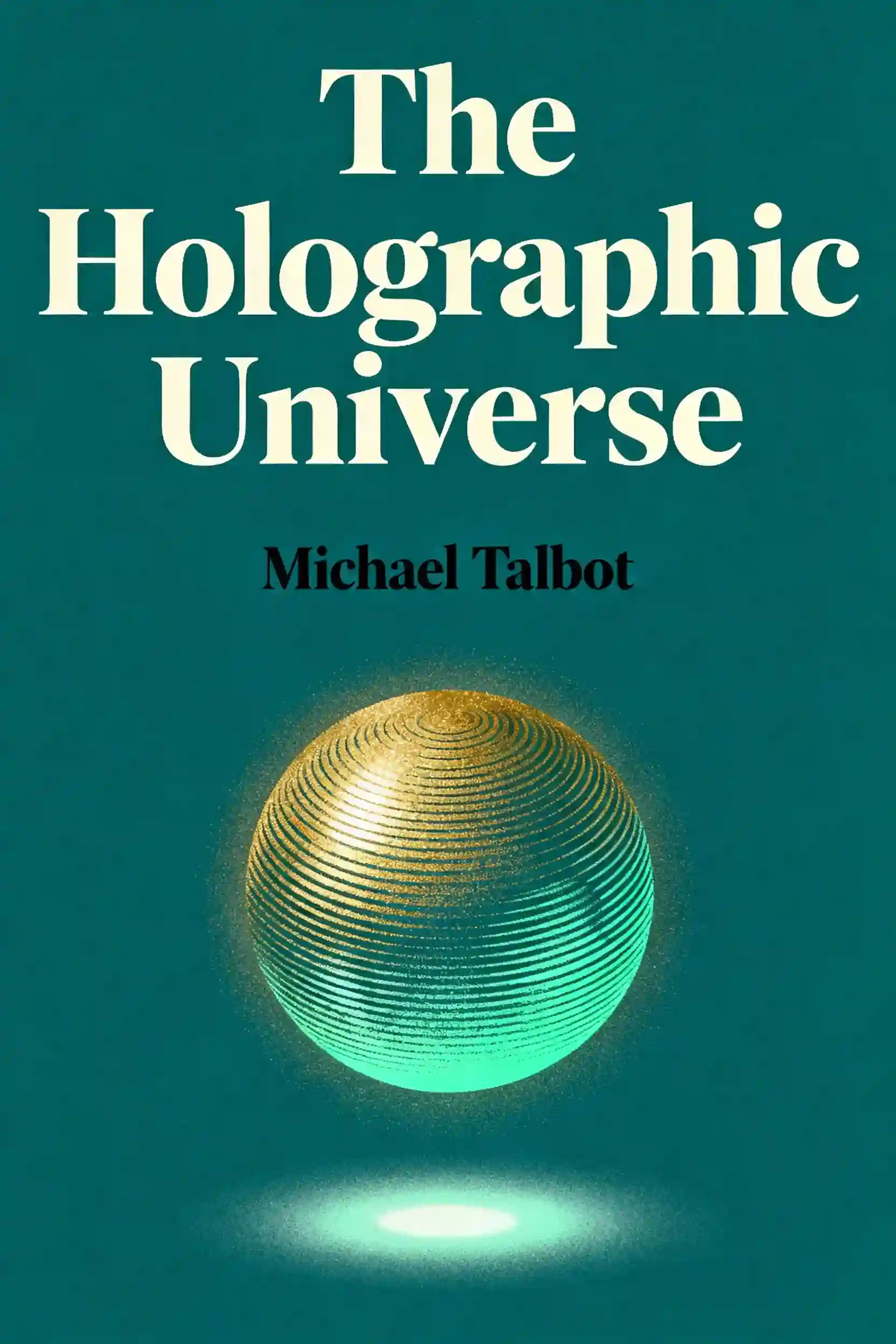
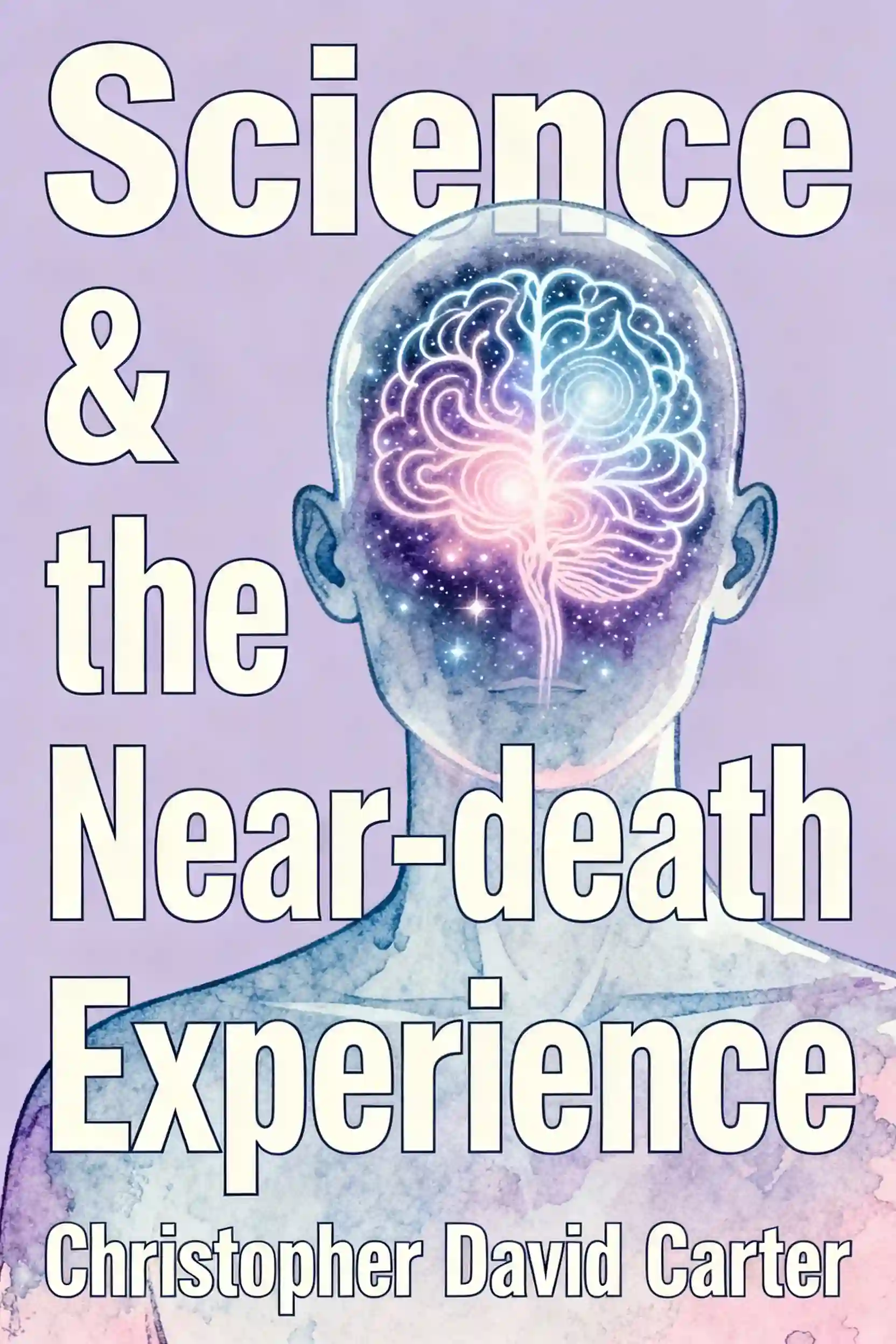
What is the true evidence of life after death? Historically and modern evedence that is compelling. There was a book called holographic universe that explored this. And other phenomena that seems that powers unknown are behind this reality.

Frequently Asked Questions
The transmission model suggests that the brain does not actually produce consciousness, but rather acts as a receiver or interface for it, similar to how a radio tunes into a broadcast signal. In this view, consciousness exists as a fundamental field or "signal" in the universe, and the physical brain serves as a "resonator" or filter that narrows this infinite information down so a person can function in a three-dimensional world. When the brain is damaged or shuts down during death, the "filter" is removed, allowing consciousness to expand back into its original, unfiltered state.
The holographic theory proposes that the universe is a self-contained memory system where every part contains the information of the whole. During an NDE, a person’s awareness shifts from a "zero-dimensional" point inside the body to a three-dimensional or even four-dimensional perspective. This allows them to perceive "veridical" information—such as events in a hospital room or objects on a ledge—that would be physically impossible to see from their body's location. Because information in a hologram is non-local and conserved, it doesn't vanish when the physical body fails; it simply transforms or returns to the larger universal field.
Terminal lucidity is a phenomenon where patients with severe, irreversible brain damage—such as advanced Alzheimer’s or massive tumors—suddenly become completely coherent and "themselves" again shortly before death. This is significant because it suggests that the "Self" remains fully intact even when the physical "hardware" of the brain is falling apart. Researchers argue that if the mind were strictly a product of the brain, such clarity would be physically impossible, supporting the idea that the brain is a filter that sometimes "clears up" as the body prepares to let go.
The script cites rigorous studies from the University of Virginia, where researchers documented thousands of cases of young children who possessed detailed, verifiable memories of previous lives. A key example is the case of James Leininger, a toddler who knew specific details about a World War II pilot, including the pilot's name, the ship he flew from, and the exact manner of his death—information the child had no way of accessing through normal means. This suggests that consciousness acts as a "symbolic information matrix" that can occasionally "re-nest" into a new physical body rather than dissolving.
The life review is a common NDE report where individuals experience their entire history simultaneously rather than sequentially. In the holographic model, this is explained as a shift from the "Day Agent" (the local ego) to the "Night Agent" (the non-local witness). Because the holographic field is interconnected, individuals in a life review don't just watch their actions; they feel the emotions and effects those actions had on others. It is described as an "informational reset" where the person integrates all the data collected during their life back into the universal memory system.
Discover more

Find out what is after death
Find out what is after death
This plan addresses the universal human quest for meaning beyond physical existence. It is ideal for seekers, students of philosophy, or anyone looking to transform their fear of the unknown into a source of wisdom and purposeful living.

Quantum consciousness
Quantum consciousness
This learning plan bridges the gap between theoretical physics and neuroscience for those seeking to understand the nature of existence. It is ideal for curious thinkers, science enthusiasts, and philosophers eager to explore how subatomic behavior might explain the mystery of human awareness.

Map and transfer continuous consciousness.
Map and transfer continuous consciousness.
As we approach the era of neural lace and mind uploading, understanding the intersection of neuroscience and identity is critical. This plan is designed for futurists and technologists seeking to bridge the gap between biological existence and digital immortality.

Trippy physics and Buddhist stuff
Trippy physics and Buddhist stuff
This plan is designed for curious minds seeking to bridge the gap between hard science and spiritual philosophy. It is ideal for those interested in how quantum mechanics and neuroscience validate ancient Buddhist concepts of consciousness and reality.
Explore Mind, Tech, Science & Philosophy
Explore Mind, Tech, Science & Philosophy
This learning plan bridges the gap between ancient philosophical inquiries and cutting-edge scientific discovery. It is designed for curious minds and tech enthusiasts who want to understand how consciousness, AI, and quantum physics shape our perception of reality.
Philosophy, neuroscience & creative spirit
Philosophy, neuroscience & creative spirit
This learning plan is essential for anyone seeking a rigorous, interdisciplinary approach to understanding human consciousness and potential. It's ideal for practitioners, researchers, creative professionals, and curious minds who want to move beyond superficial self-help and explore the deep connections between mind, brain, and spirit through both ancient wisdom and modern science.
Learn more about the universe
Learn more about the universe
This learning plan offers a comprehensive journey from the foundational mechanics of stars to the complex physics of relativity and astrobiology. It is designed for curious minds and aspiring science enthusiasts who want to understand the forces shaping our reality and the potential for life beyond Earth.

Immortality
Immortality
This plan bridges the gap between speculative science and actionable health strategies for those obsessed with longevity. It is ideal for biohackers, futurists, and anyone seeking to understand the biological and ethical frontiers of extending human life indefinitely.
From Columbia University alumni built in San Francisco
"Instead of endless scrolling, I just hit play on BeFreed. It saves me so much time."


"I never knew where to start with nonfiction—BeFreed’s book lists turned into podcasts gave me a clear path."


"Perfect balance between learning and entertainment. Finished ‘Thinking, Fast and Slow’ on my commute this week."
"Crazy how much I learned while walking the dog. BeFreed = small habits → big gains."
"Reading used to feel like a chore. Now it’s just part of my lifestyle."

"Feels effortless compared to reading. I’ve finished 6 books this month already."
"BeFreed turned my guilty doomscrolling into something that feels productive and inspiring."

"BeFreed turned my commute into learning time. 20-min podcasts are perfect for finishing books I never had time for."
"BeFreed replaced my podcast queue. Imagine Spotify for books — that’s it. 🙌"

"It is great for me to learn something from the book without reading it."
"The themed book list podcasts help me connect ideas across authors—like a guided audio journey."
"Makes me feel smarter every time before going to work"
From Columbia University alumni built in San Francisco
"Instead of endless scrolling, I just hit play on BeFreed. It saves me so much time."
"I never knew where to start with nonfiction—BeFreed’s book lists turned into podcasts gave me a clear path."
"Perfect balance between learning and entertainment. Finished ‘Thinking, Fast and Slow’ on my commute this week."
"Crazy how much I learned while walking the dog. BeFreed = small habits → big gains."
"Reading used to feel like a chore. Now it’s just part of my lifestyle."
"Feels effortless compared to reading. I’ve finished 6 books this month already."
"BeFreed turned my guilty doomscrolling into something that feels productive and inspiring."
"BeFreed turned my commute into learning time. 20-min podcasts are perfect for finishing books I never had time for."
"BeFreed replaced my podcast queue. Imagine Spotify for books — that’s it. 🙌"
"It is great for me to learn something from the book without reading it."
"The themed book list podcasts help me connect ideas across authors—like a guided audio journey."
"Makes me feel smarter every time before going to work"
"Instead of endless scrolling, I just hit play on BeFreed. It saves me so much time."
"I never knew where to start with nonfiction—BeFreed’s book lists turned into podcasts gave me a clear path."
"Perfect balance between learning and entertainment. Finished ‘Thinking, Fast and Slow’ on my commute this week."
"Crazy how much I learned while walking the dog. BeFreed = small habits → big gains."
"Reading used to feel like a chore. Now it’s just part of my lifestyle."
"Feels effortless compared to reading. I’ve finished 6 books this month already."
"BeFreed turned my guilty doomscrolling into something that feels productive and inspiring."
"BeFreed turned my commute into learning time. 20-min podcasts are perfect for finishing books I never had time for."
"BeFreed replaced my podcast queue. Imagine Spotify for books — that’s it. 🙌"
"It is great for me to learn something from the book without reading it."
"The themed book list podcasts help me connect ideas across authors—like a guided audio journey."
"Makes me feel smarter every time before going to work"
"Instead of endless scrolling, I just hit play on BeFreed. It saves me so much time."
"I never knew where to start with nonfiction—BeFreed’s book lists turned into podcasts gave me a clear path."
"Perfect balance between learning and entertainment. Finished ‘Thinking, Fast and Slow’ on my commute this week."
"Crazy how much I learned while walking the dog. BeFreed = small habits → big gains."
"Reading used to feel like a chore. Now it’s just part of my lifestyle."
"Feels effortless compared to reading. I’ve finished 6 books this month already."
"BeFreed turned my guilty doomscrolling into something that feels productive and inspiring."
"BeFreed turned my commute into learning time. 20-min podcasts are perfect for finishing books I never had time for."
"BeFreed replaced my podcast queue. Imagine Spotify for books — that’s it. 🙌"
"It is great for me to learn something from the book without reading it."
"The themed book list podcasts help me connect ideas across authors—like a guided audio journey."
"Makes me feel smarter every time before going to work"


