
Leading at Scale: The First 100 Days
Discover the practical steps that separate successful billion-dollar company presidents from the rest. From building influence to execution systems, learn how to lead effectively beyond just strategy.

Best quote from Leading at Scale: The First 100 Days
Strategy is overrated; execution is what really matters. The leadership approach that works for a billion-dollar company is about getting your hands dirty and turning strategy into actual results.

This audio lesson was created by a BeFreed community member
How to lead a billion dollar business as a president. Proper initial steps and thinking.

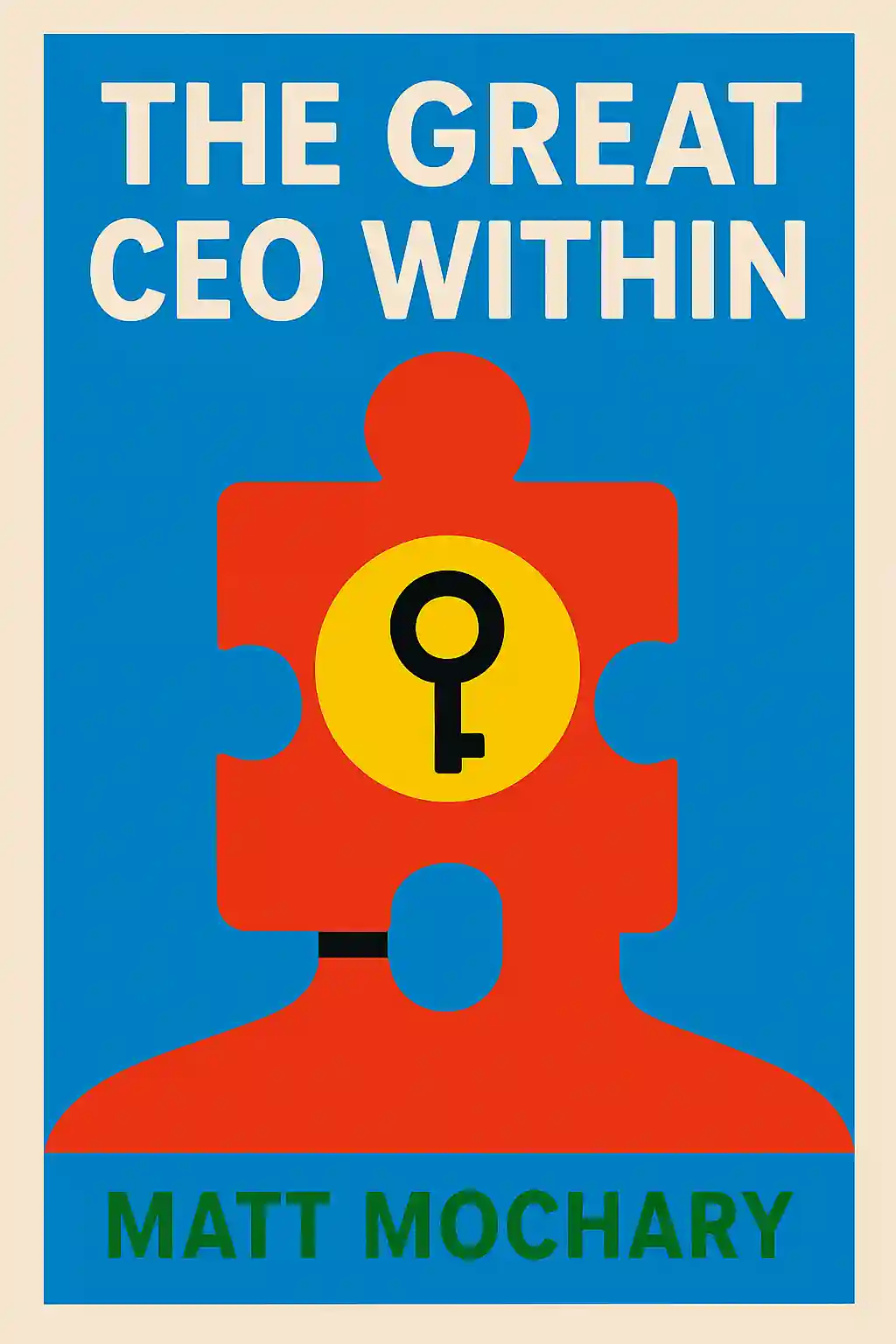
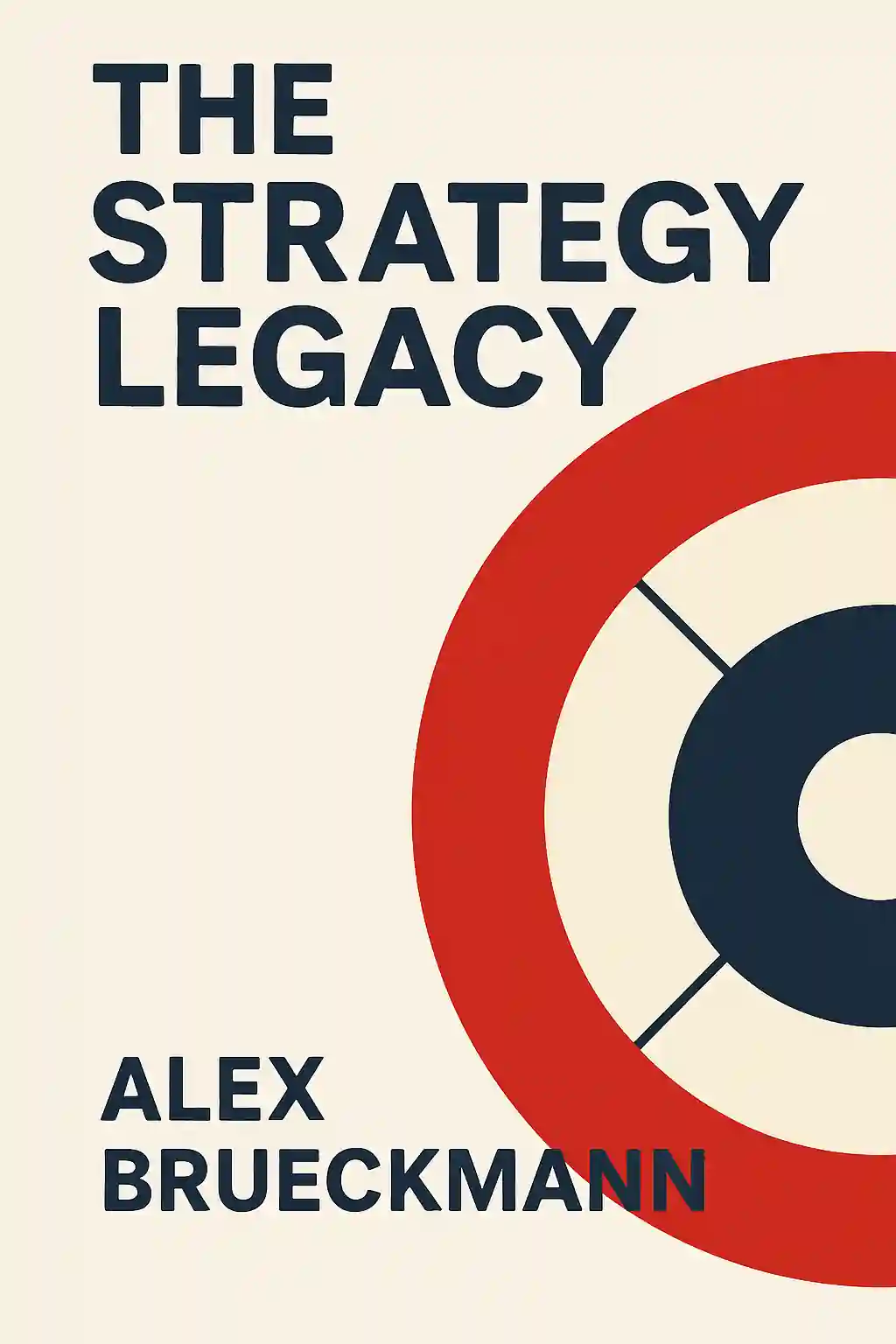
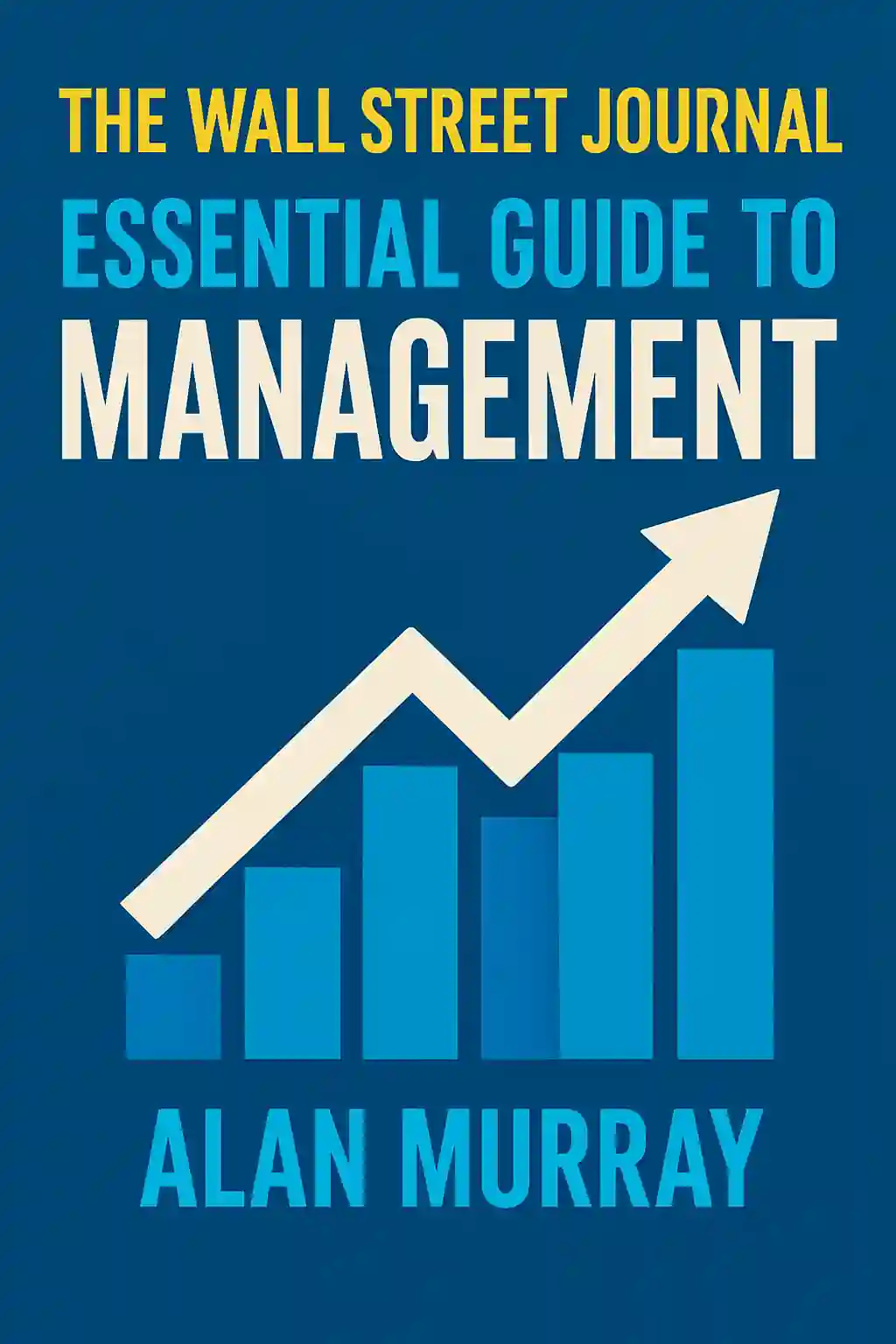
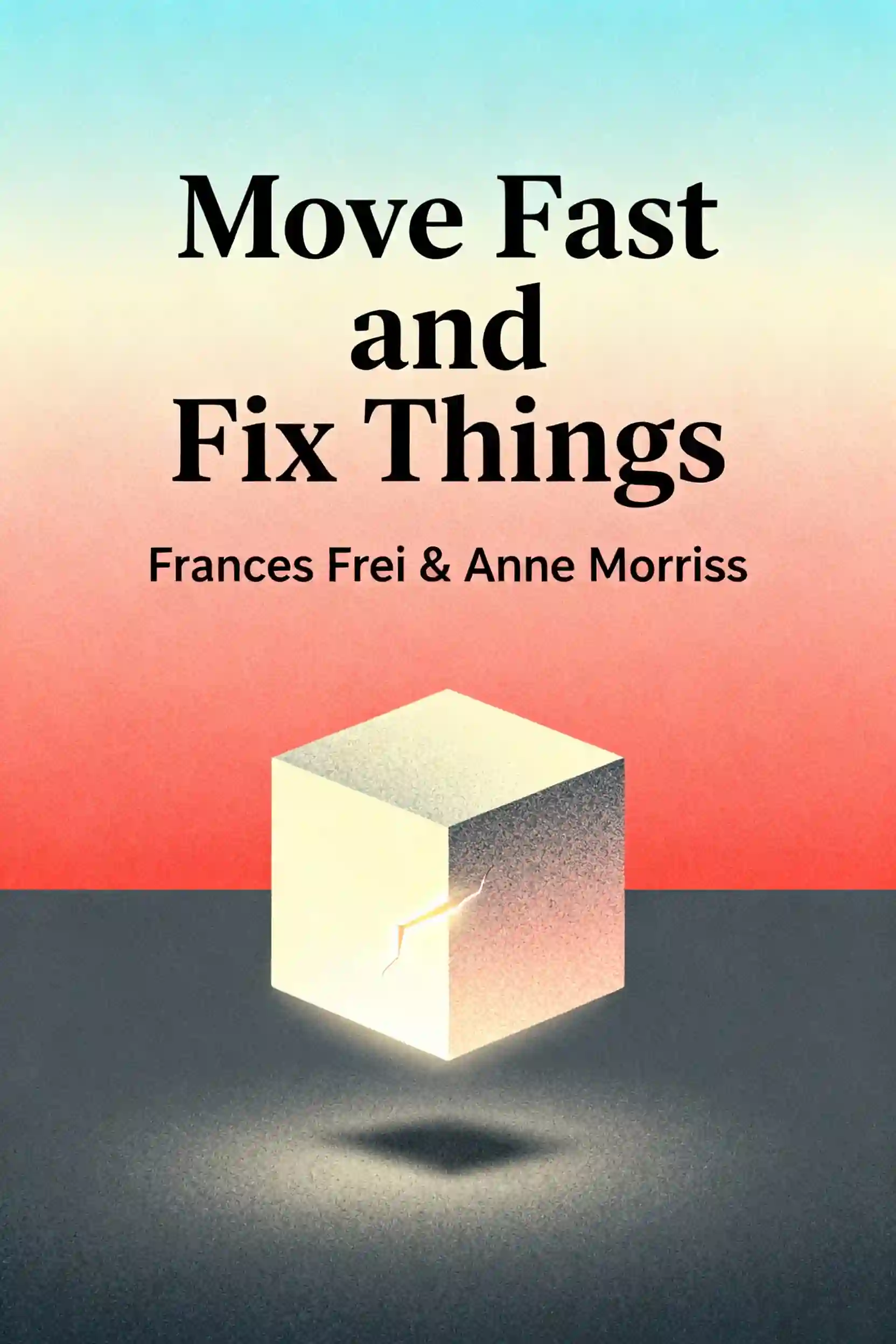
Discover more

New director: first 100 days
New director: first 100 days
The first 100 days as a new director are make-or-break for long-term success, yet most leaders struggle without a clear roadmap for this critical transition period. This learning plan is essential for newly appointed directors, senior managers stepping into director roles, or experienced directors joining new organizations who need to establish credibility, build influence, and drive strategic impact quickly while avoiding costly mistakes that can derail their leadership tenure.
Become productive as a CEO
Become productive as a CEO
This plan is essential for new and aspiring executives who need to transition from tactical management to high-level strategic leadership. It provides a structured roadmap for mastering the operational, interpersonal, and personal effectiveness skills required to lead a scaling organization.

Lead, Build, Market & Master Productivity
Lead, Build, Market & Master Productivity
This comprehensive plan is designed for aspiring leaders and entrepreneurs who need to balance team management with business scaling. It bridges the gap between soft leadership skills and hard growth strategies, making it essential for anyone looking to drive organizational excellence.

Be a good leader for my business
Be a good leader for my business
Effective leadership is the catalyst for scaling a business from a vision into a high-performing reality. This plan is designed for entrepreneurs and managers looking to transition from tactical oversight to strategic, transformational influence.
Growth, Finance, Culture & Leadership Mastery
Growth, Finance, Culture & Leadership Mastery
This plan is designed for ambitious founders and executives looking to scale their impact. It bridges the gap between technical growth strategies and the human-centric leadership required to sustain long-term success.
Be a best Ceo, executioner,
Be a best Ceo, executioner,
In today’s competitive landscape, the gap between a vision and its realization is often defined by the CEO's ability to execute. This learning plan is designed for aspiring executives and founders who need to master the balance of strategic foresight and operational rigor to scale their organizations effectively.

Scale coaching, lead well & gain wealth.
Scale coaching, lead well & gain wealth.
This learning plan is designed for ambitious professionals looking to transition from individual contributors to business owners and wealth creators. It provides a comprehensive roadmap for mastering the intersection of coaching expertise, organizational leadership, and strategic financial planning.
Leadership
Leadership
This plan is designed for aspiring and seasoned professionals looking to transition from management to high-impact leadership. It provides a comprehensive roadmap for mastering the psychological, strategic, and innovative dimensions of executive influence.
From Columbia University alumni built in San Francisco
"Instead of endless scrolling, I just hit play on BeFreed. It saves me so much time."


"I never knew where to start with nonfiction—BeFreed’s book lists turned into podcasts gave me a clear path."


"Perfect balance between learning and entertainment. Finished ‘Thinking, Fast and Slow’ on my commute this week."
"Crazy how much I learned while walking the dog. BeFreed = small habits → big gains."
"Reading used to feel like a chore. Now it’s just part of my lifestyle."

"Feels effortless compared to reading. I’ve finished 6 books this month already."
"BeFreed turned my guilty doomscrolling into something that feels productive and inspiring."

"BeFreed turned my commute into learning time. 20-min podcasts are perfect for finishing books I never had time for."
"BeFreed replaced my podcast queue. Imagine Spotify for books — that’s it. 🙌"

"It is great for me to learn something from the book without reading it."
"The themed book list podcasts help me connect ideas across authors—like a guided audio journey."
"Makes me feel smarter every time before going to work"
From Columbia University alumni built in San Francisco
"Instead of endless scrolling, I just hit play on BeFreed. It saves me so much time."
"I never knew where to start with nonfiction—BeFreed’s book lists turned into podcasts gave me a clear path."
"Perfect balance between learning and entertainment. Finished ‘Thinking, Fast and Slow’ on my commute this week."
"Crazy how much I learned while walking the dog. BeFreed = small habits → big gains."
"Reading used to feel like a chore. Now it’s just part of my lifestyle."
"Feels effortless compared to reading. I’ve finished 6 books this month already."
"BeFreed turned my guilty doomscrolling into something that feels productive and inspiring."
"BeFreed turned my commute into learning time. 20-min podcasts are perfect for finishing books I never had time for."
"BeFreed replaced my podcast queue. Imagine Spotify for books — that’s it. 🙌"
"It is great for me to learn something from the book without reading it."
"The themed book list podcasts help me connect ideas across authors—like a guided audio journey."
"Makes me feel smarter every time before going to work"
"Instead of endless scrolling, I just hit play on BeFreed. It saves me so much time."
"I never knew where to start with nonfiction—BeFreed’s book lists turned into podcasts gave me a clear path."
"Perfect balance between learning and entertainment. Finished ‘Thinking, Fast and Slow’ on my commute this week."
"Crazy how much I learned while walking the dog. BeFreed = small habits → big gains."
"Reading used to feel like a chore. Now it’s just part of my lifestyle."
"Feels effortless compared to reading. I’ve finished 6 books this month already."
"BeFreed turned my guilty doomscrolling into something that feels productive and inspiring."
"BeFreed turned my commute into learning time. 20-min podcasts are perfect for finishing books I never had time for."
"BeFreed replaced my podcast queue. Imagine Spotify for books — that’s it. 🙌"
"It is great for me to learn something from the book without reading it."
"The themed book list podcasts help me connect ideas across authors—like a guided audio journey."
"Makes me feel smarter every time before going to work"
"Instead of endless scrolling, I just hit play on BeFreed. It saves me so much time."
"I never knew where to start with nonfiction—BeFreed’s book lists turned into podcasts gave me a clear path."
"Perfect balance between learning and entertainment. Finished ‘Thinking, Fast and Slow’ on my commute this week."
"Crazy how much I learned while walking the dog. BeFreed = small habits → big gains."
"Reading used to feel like a chore. Now it’s just part of my lifestyle."
"Feels effortless compared to reading. I’ve finished 6 books this month already."
"BeFreed turned my guilty doomscrolling into something that feels productive and inspiring."
"BeFreed turned my commute into learning time. 20-min podcasts are perfect for finishing books I never had time for."
"BeFreed replaced my podcast queue. Imagine Spotify for books — that’s it. 🙌"
"It is great for me to learn something from the book without reading it."
"The themed book list podcasts help me connect ideas across authors—like a guided audio journey."
"Makes me feel smarter every time before going to work"


