
Joshua: Conquest, Covenant, and the Archaeological Record
Explore the Book of Joshua through the lenses of military strategy, theological leadership, and the ongoing historical debate over its ancient ruins.

Best quote from Joshua: Conquest, Covenant, and the Archaeological Record
True success is not about the accumulation of territory, but about the alignment of the soul with divine directives. It requires a 'courage and law' framework: the discipline to meditate on your core values and the strength to act on them even when the obstacles seem insurmountable.

This audio lesson was created by a BeFreed community member
The biblical chapter Joshua summary application and historical accuracy


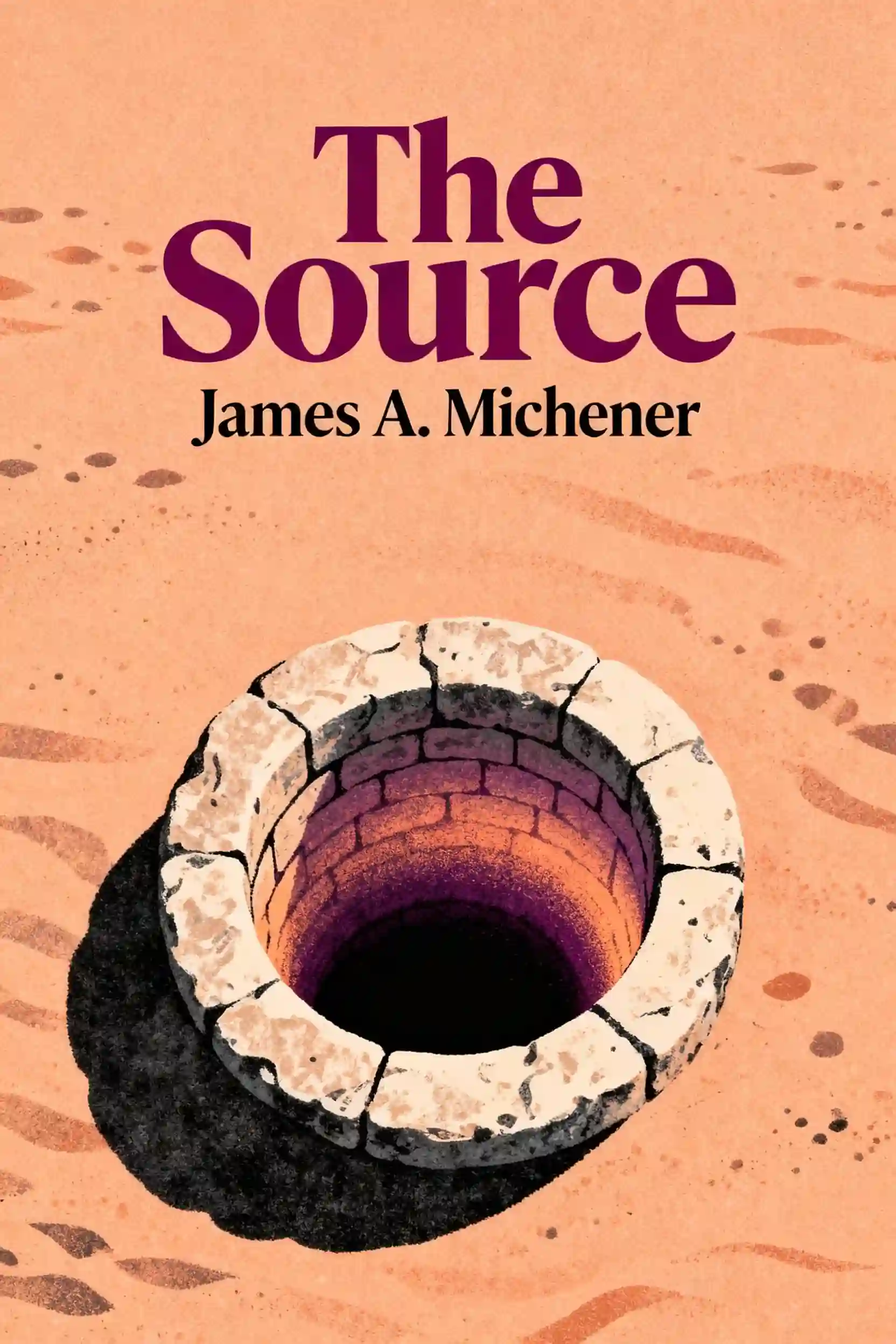
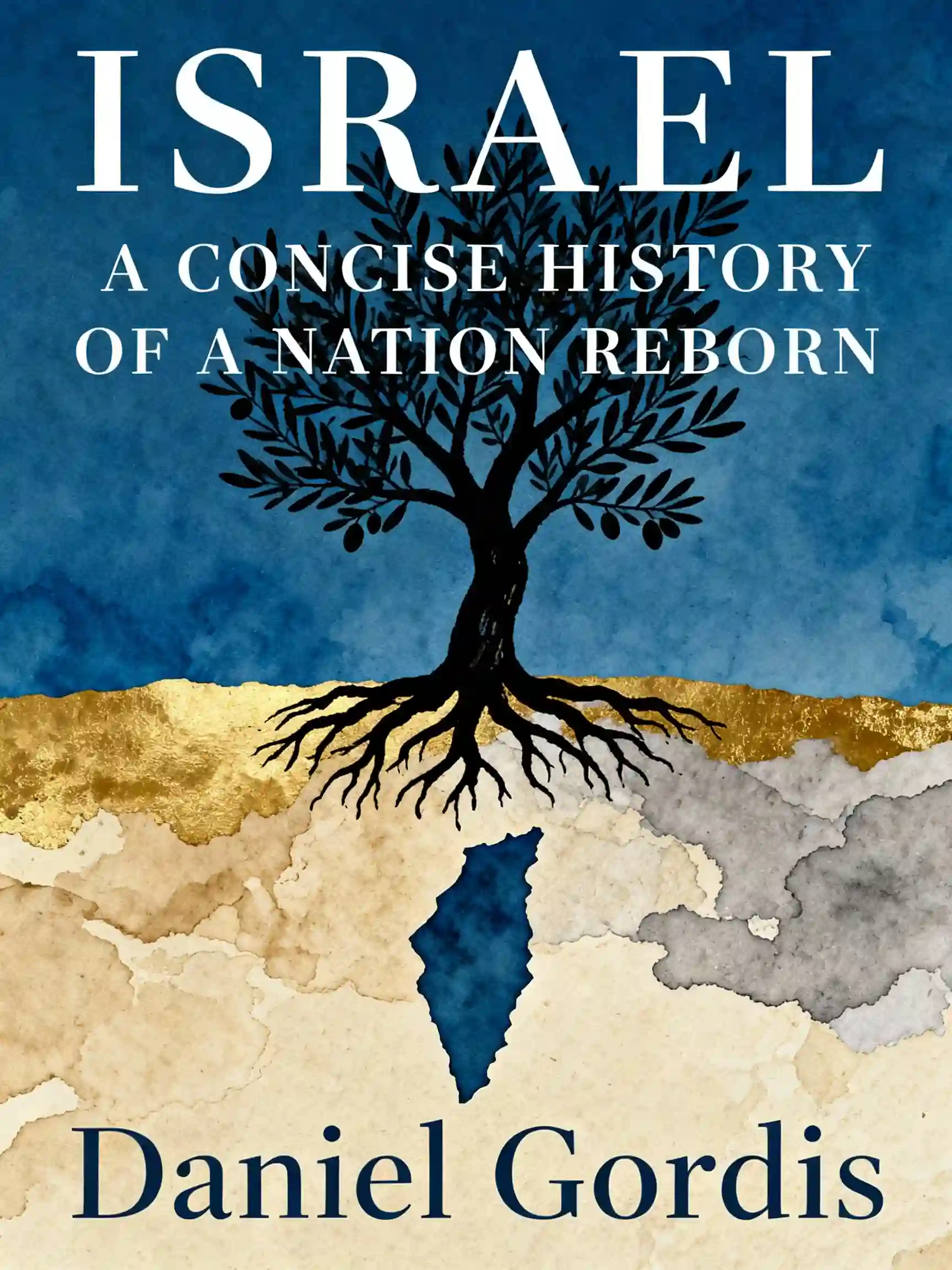
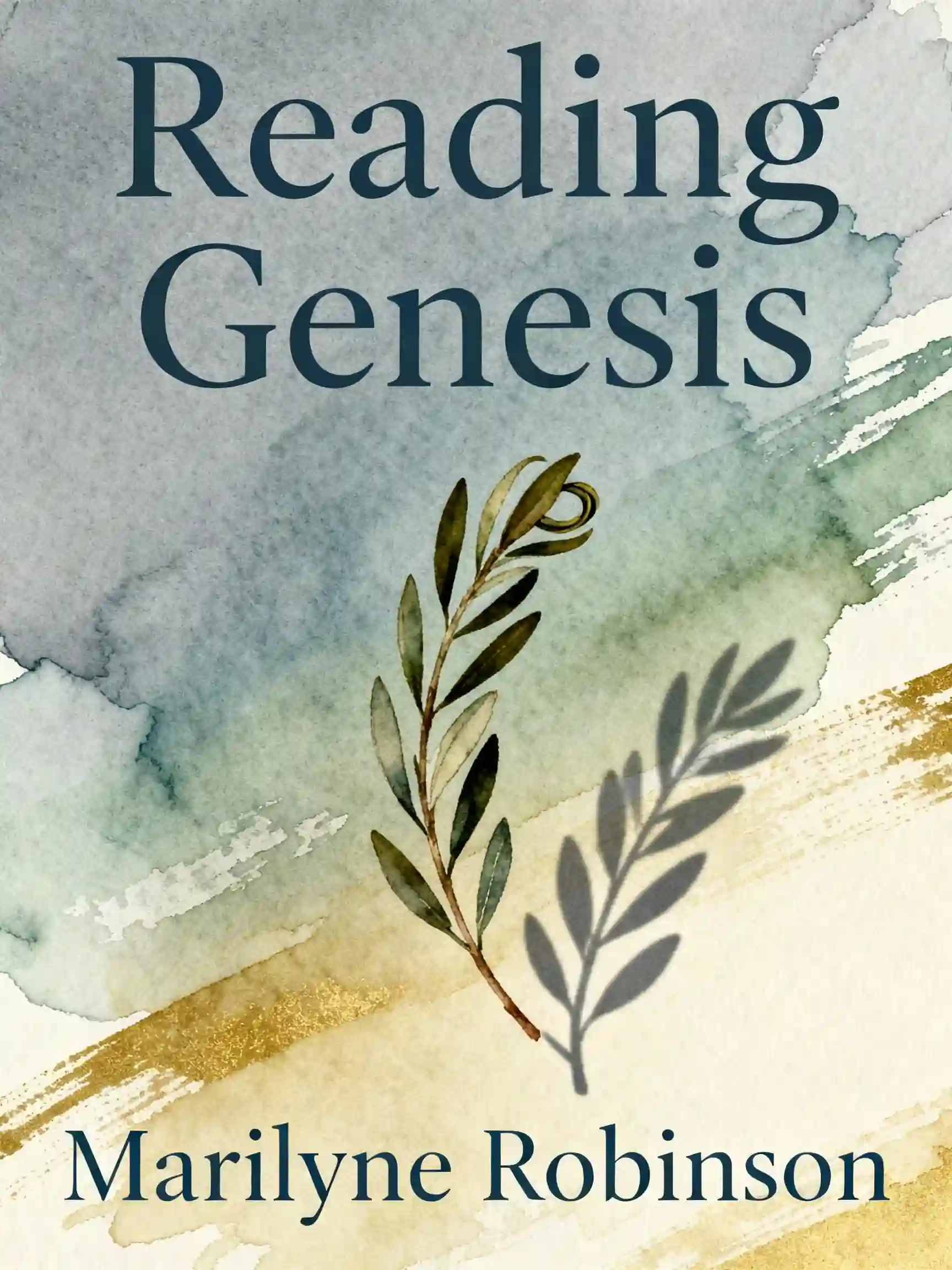
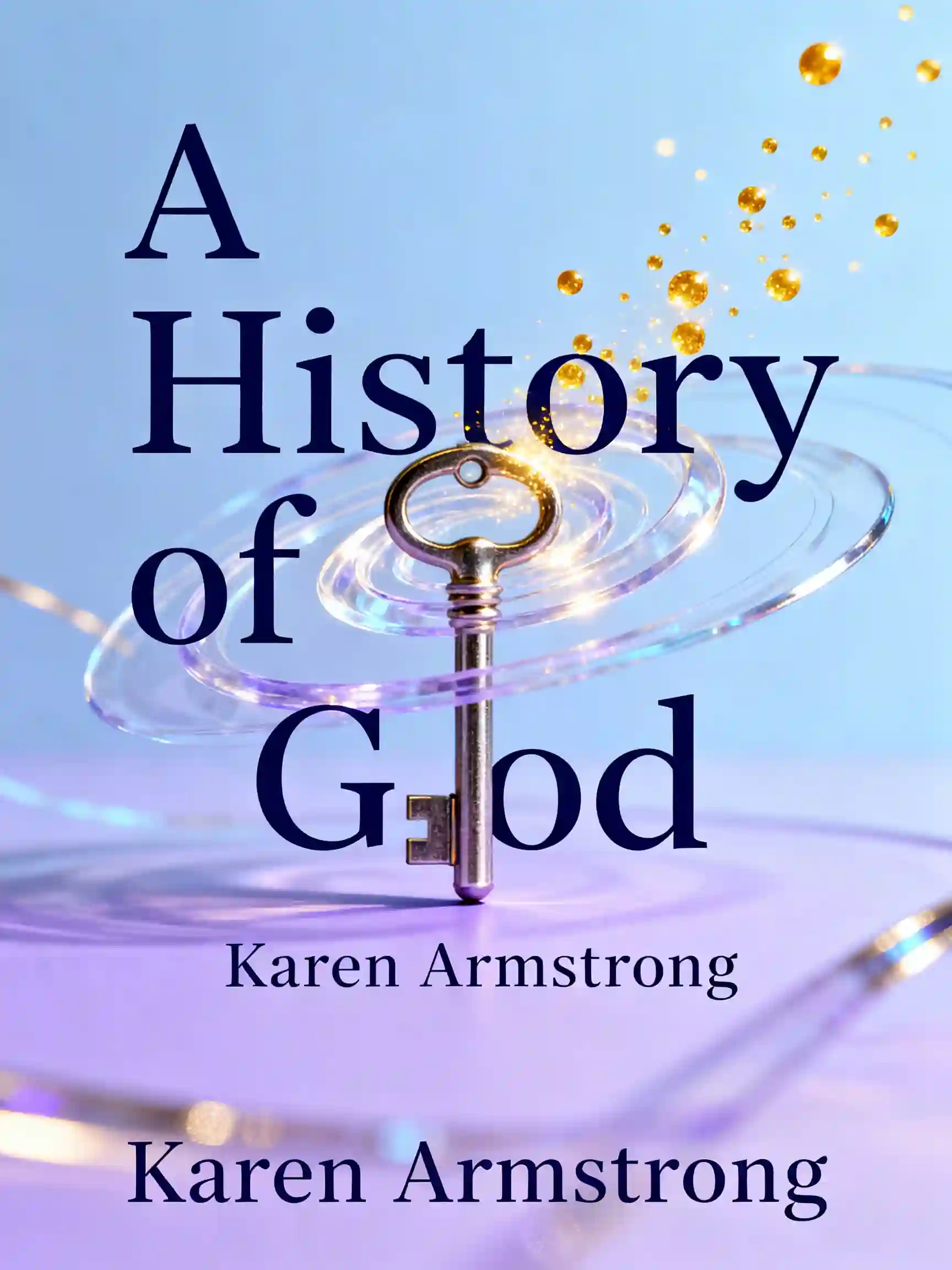
Frequently Asked Questions
In the context of the script, rest is not defined as the absence of activity or a period of relaxation. Instead, it is presented as a theological state of being where God’s provision is realized in a settled land. For the Israelites, this meant transitioning from a nomadic, wandering existence to a stable life in Canaan, where the "reproach of Egypt"—their history of slavery and sin—was finally removed.
The transition was critical because the Israelite community faced the potential for dissolution after losing Moses, their sole leader for forty years. Joshua’s mandate to be "strong and very courageous" was a strategic necessity because the task of conquering and settling Canaan was functionally impossible by human standards. His authority was not based on personal ambition but on a divine commission and a long-term discipline of observing and submitting to Moses' leadership.
The Rahab Paradox highlights that God’s grace and mercy are not restricted by a person’s past or social standing. Despite being a Canaanite harlot, Rahab demonstrated "great faith" by recognizing the sovereignty of Israel’s God over her own city's defenses. Her inclusion in the lineage of the Messiah serves as a foundational theological statement that the real battle in the Book of Joshua is for the heart and the will, rather than just physical territory.
The script suggests that the "problem" is often a misinterpretation of data or looking in the wrong chronological period. While some scholars look to the 13th century B.C., the biblical timeline points to the 15th century B.C. Furthermore, the "archaeology of silence" is explained by the text itself: the Israelites were commanded to occupy existing cities and infrastructure rather than destroy them. Only three cities—Jericho, Ai, and Hazor—were burned, and the script notes that 15th-century destruction layers have been found at those specific sites.
These were elements of a "geography of grace" and "spiritual infrastructure." The six Cities of Refuge introduced the concept of due process by providing safe havens for those who committed accidental manslaughter. Meanwhile, the forty-eight Levitical cities ensured that teachers of the Law were distributed throughout all tribal territories. Together, these structures were intended to provide community accountability and prevent the nation from sliding into idolatry or tribalism.
Discover more

Study Yahweh, Christ & Biblical Era History
Study Yahweh, Christ & Biblical Era History
This plan offers a comprehensive bridge between faith and history, utilizing both scripture and archaeology. It is ideal for theology students, history buffs, or anyone seeking a scholarly foundation for understanding the origins of the Judeo-Christian tradition.

Ancient Israel: Origins & Philistines
Ancient Israel: Origins & Philistines
This learning plan bridges the gap between archaeological science and historical texts to clarify the complex emergence of the Levant's most influential cultures. It is ideal for history enthusiasts, theology students, and researchers seeking a balanced, evidence-based view of the ancient world.

Biblical studies
Biblical studies
This plan bridges the gap between ancient history and modern faith, offering a comprehensive framework for academic and spiritual inquiry. It is ideal for students, ministry leaders, or anyone seeking to move beyond surface-level reading into deep theological analysis.
Study the books of the Bible
Study the books of the Bible
This plan provides a comprehensive bridge between casual reading and academic biblical scholarship. It is ideal for theology students, ministry leaders, or curious readers who want to move beyond surface-level interpretation and engage with the Bible's historical and cultural complexities.

Learn Aramaic
Learn Aramaic
This course is essential for historians, theologians, and linguists seeking to unlock primary sources of the Middle East. It provides a comprehensive bridge between ancient scripts and modern scholarly analysis, making it ideal for those dedicated to preserving cultural heritage.
Hebrew history to US slavery
Hebrew history to US slavery
This learning plan connects ancient Hebrew history to American slavery, revealing patterns of displacement, resilience, and cultural identity across millennia. Ideal for students of history, religious studies, and social justice seeking to understand how historical forces shape modern societal structures.
Get focused theology & alt history insights
Get focused theology & alt history insights
This learning plan bridges conventional religious study with alternative theological perspectives often overlooked in traditional education. It's ideal for critical thinkers seeking a more comprehensive understanding of religious history and those interested in exploring the complex relationship between established doctrine and alternative narratives.
Study Bronze Age to Industry
Study Bronze Age to Industry
This comprehensive historical journey is essential for anyone seeking to understand how modern society came to be. It's particularly valuable for students, professionals in policy or business, and lifelong learners who want to contextualize current events and technological changes within broader historical patterns. By connecting ancient innovations to industrial transformation, learners gain perspective on how human societies adapt, innovate, and build upon previous generations' achievements.
From Columbia University alumni built in San Francisco
"Instead of endless scrolling, I just hit play on BeFreed. It saves me so much time."


"I never knew where to start with nonfiction—BeFreed’s book lists turned into podcasts gave me a clear path."


"Perfect balance between learning and entertainment. Finished ‘Thinking, Fast and Slow’ on my commute this week."
"Crazy how much I learned while walking the dog. BeFreed = small habits → big gains."
"Reading used to feel like a chore. Now it’s just part of my lifestyle."

"Feels effortless compared to reading. I’ve finished 6 books this month already."
"BeFreed turned my guilty doomscrolling into something that feels productive and inspiring."

"BeFreed turned my commute into learning time. 20-min podcasts are perfect for finishing books I never had time for."
"BeFreed replaced my podcast queue. Imagine Spotify for books — that’s it. 🙌"

"It is great for me to learn something from the book without reading it."
"The themed book list podcasts help me connect ideas across authors—like a guided audio journey."
"Makes me feel smarter every time before going to work"
From Columbia University alumni built in San Francisco
"Instead of endless scrolling, I just hit play on BeFreed. It saves me so much time."
"I never knew where to start with nonfiction—BeFreed’s book lists turned into podcasts gave me a clear path."
"Perfect balance between learning and entertainment. Finished ‘Thinking, Fast and Slow’ on my commute this week."
"Crazy how much I learned while walking the dog. BeFreed = small habits → big gains."
"Reading used to feel like a chore. Now it’s just part of my lifestyle."
"Feels effortless compared to reading. I’ve finished 6 books this month already."
"BeFreed turned my guilty doomscrolling into something that feels productive and inspiring."
"BeFreed turned my commute into learning time. 20-min podcasts are perfect for finishing books I never had time for."
"BeFreed replaced my podcast queue. Imagine Spotify for books — that’s it. 🙌"
"It is great for me to learn something from the book without reading it."
"The themed book list podcasts help me connect ideas across authors—like a guided audio journey."
"Makes me feel smarter every time before going to work"
"Instead of endless scrolling, I just hit play on BeFreed. It saves me so much time."
"I never knew where to start with nonfiction—BeFreed’s book lists turned into podcasts gave me a clear path."
"Perfect balance between learning and entertainment. Finished ‘Thinking, Fast and Slow’ on my commute this week."
"Crazy how much I learned while walking the dog. BeFreed = small habits → big gains."
"Reading used to feel like a chore. Now it’s just part of my lifestyle."
"Feels effortless compared to reading. I’ve finished 6 books this month already."
"BeFreed turned my guilty doomscrolling into something that feels productive and inspiring."
"BeFreed turned my commute into learning time. 20-min podcasts are perfect for finishing books I never had time for."
"BeFreed replaced my podcast queue. Imagine Spotify for books — that’s it. 🙌"
"It is great for me to learn something from the book without reading it."
"The themed book list podcasts help me connect ideas across authors—like a guided audio journey."
"Makes me feel smarter every time before going to work"
"Instead of endless scrolling, I just hit play on BeFreed. It saves me so much time."
"I never knew where to start with nonfiction—BeFreed’s book lists turned into podcasts gave me a clear path."
"Perfect balance between learning and entertainment. Finished ‘Thinking, Fast and Slow’ on my commute this week."
"Crazy how much I learned while walking the dog. BeFreed = small habits → big gains."
"Reading used to feel like a chore. Now it’s just part of my lifestyle."
"Feels effortless compared to reading. I’ve finished 6 books this month already."
"BeFreed turned my guilty doomscrolling into something that feels productive and inspiring."
"BeFreed turned my commute into learning time. 20-min podcasts are perfect for finishing books I never had time for."
"BeFreed replaced my podcast queue. Imagine Spotify for books — that’s it. 🙌"
"It is great for me to learn something from the book without reading it."
"The themed book list podcasts help me connect ideas across authors—like a guided audio journey."
"Makes me feel smarter every time before going to work"


