

Best quote from Israel-Palestine: The Impossible Unbiased Truth
The challenge isn't finding wrongdoing; it's that there's documented wrongdoing on multiple sides across decades. Actions that one side sees as legitimate self-defense, the other side sees as aggression or war crimes.

This audio lesson was created by a BeFreed community member
I need to understand the entirety of the Israel Palestine conflict from an unbiased perspective including the crimes each country has committed against each other

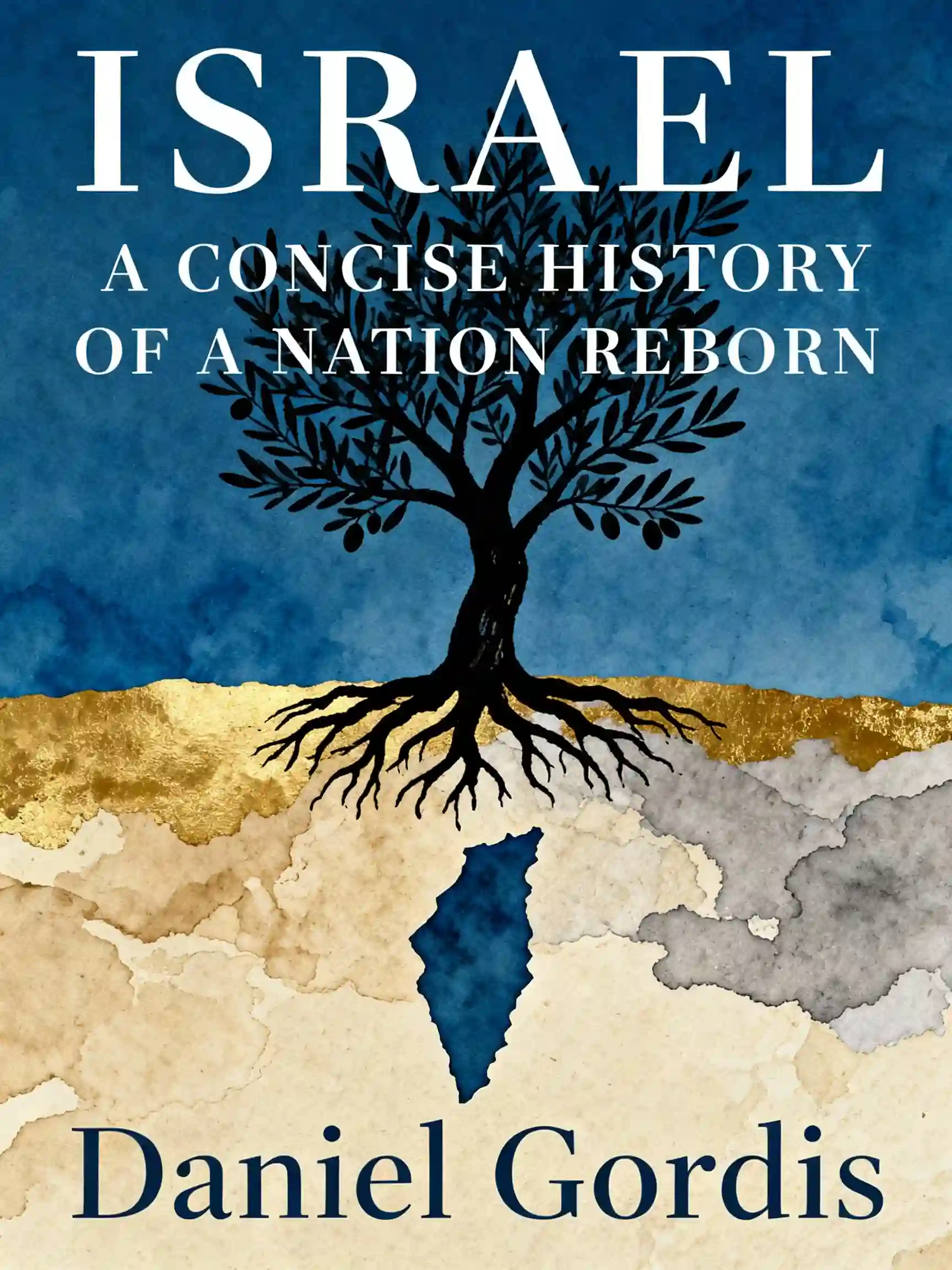
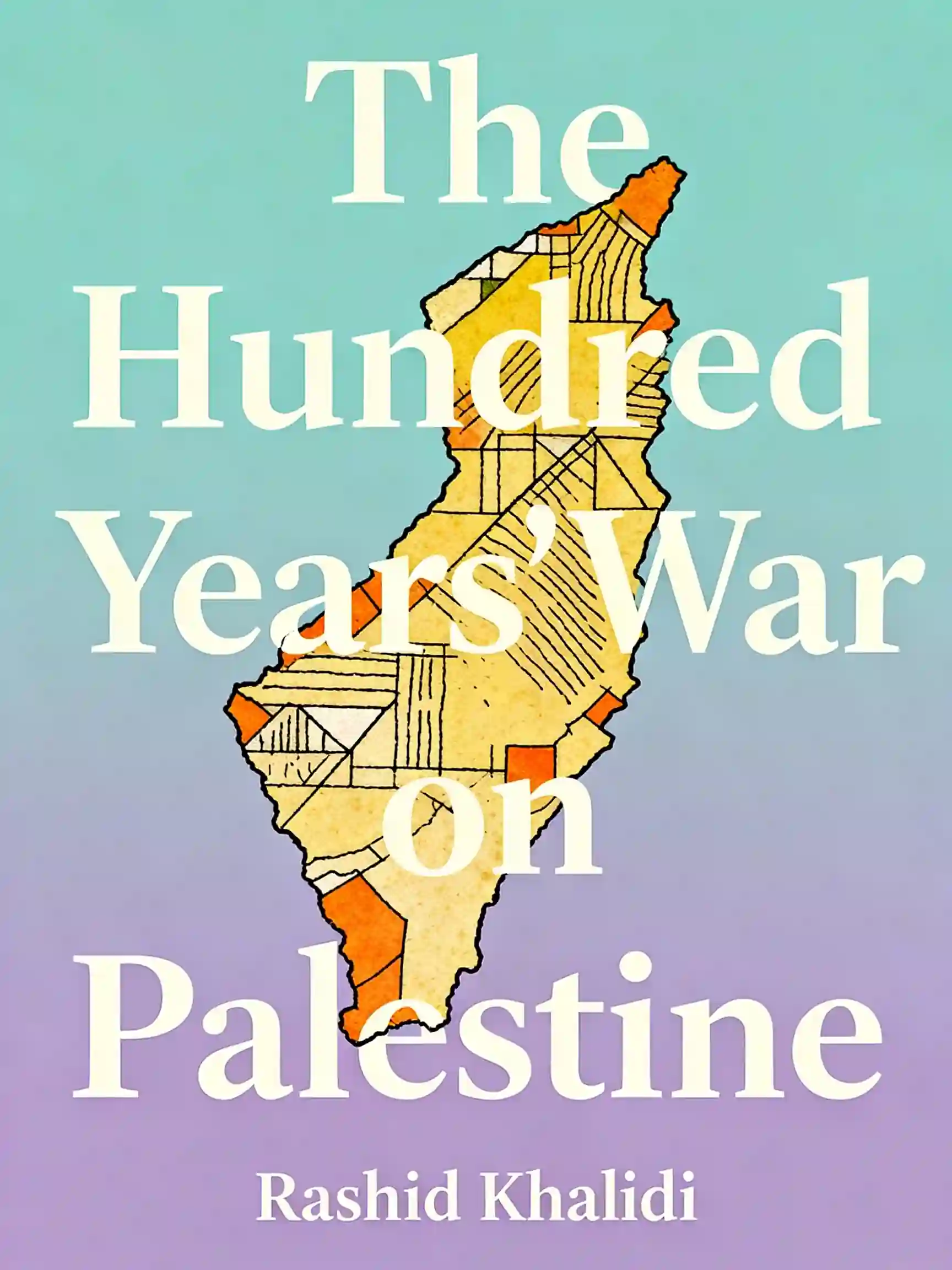
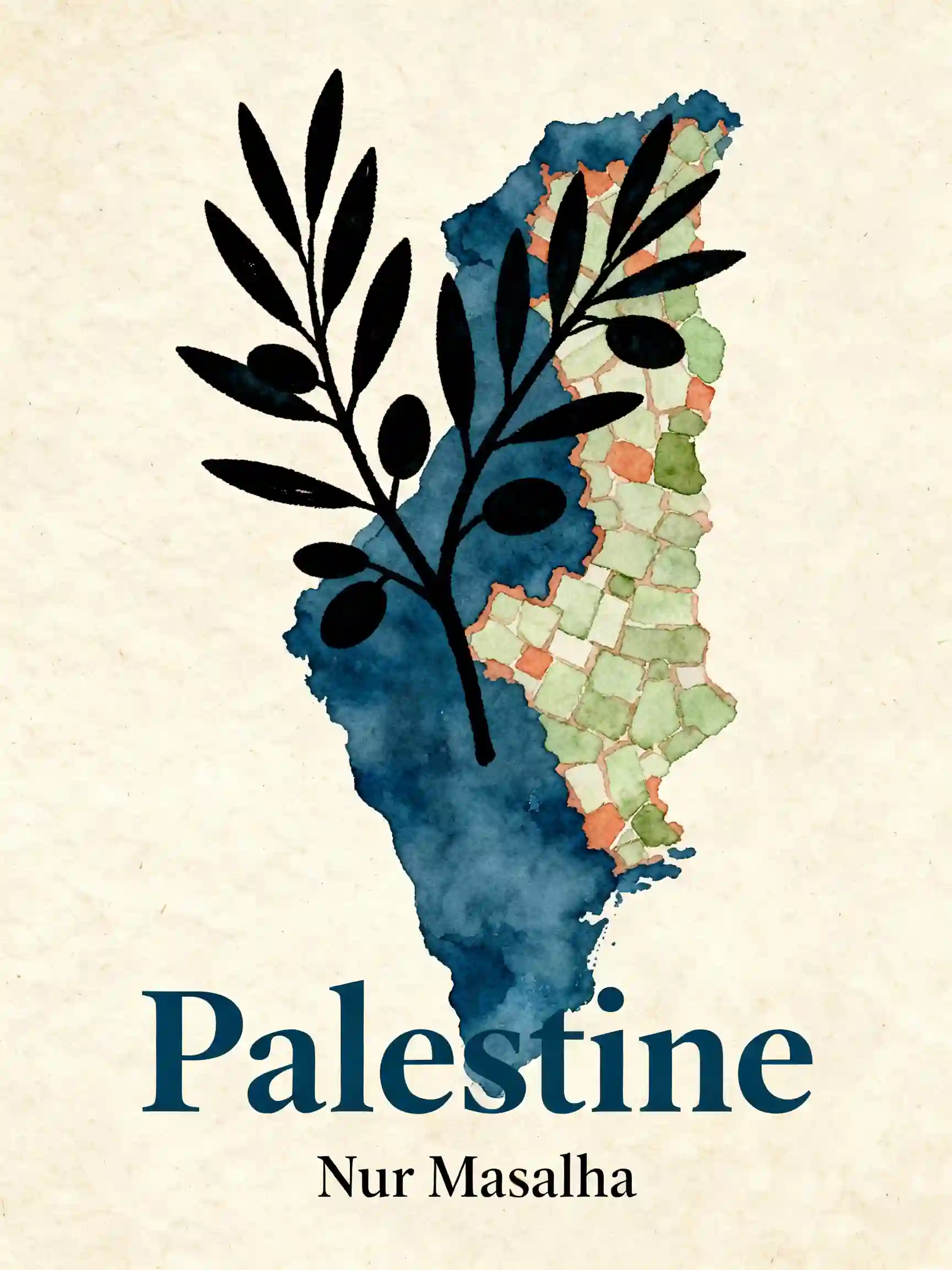
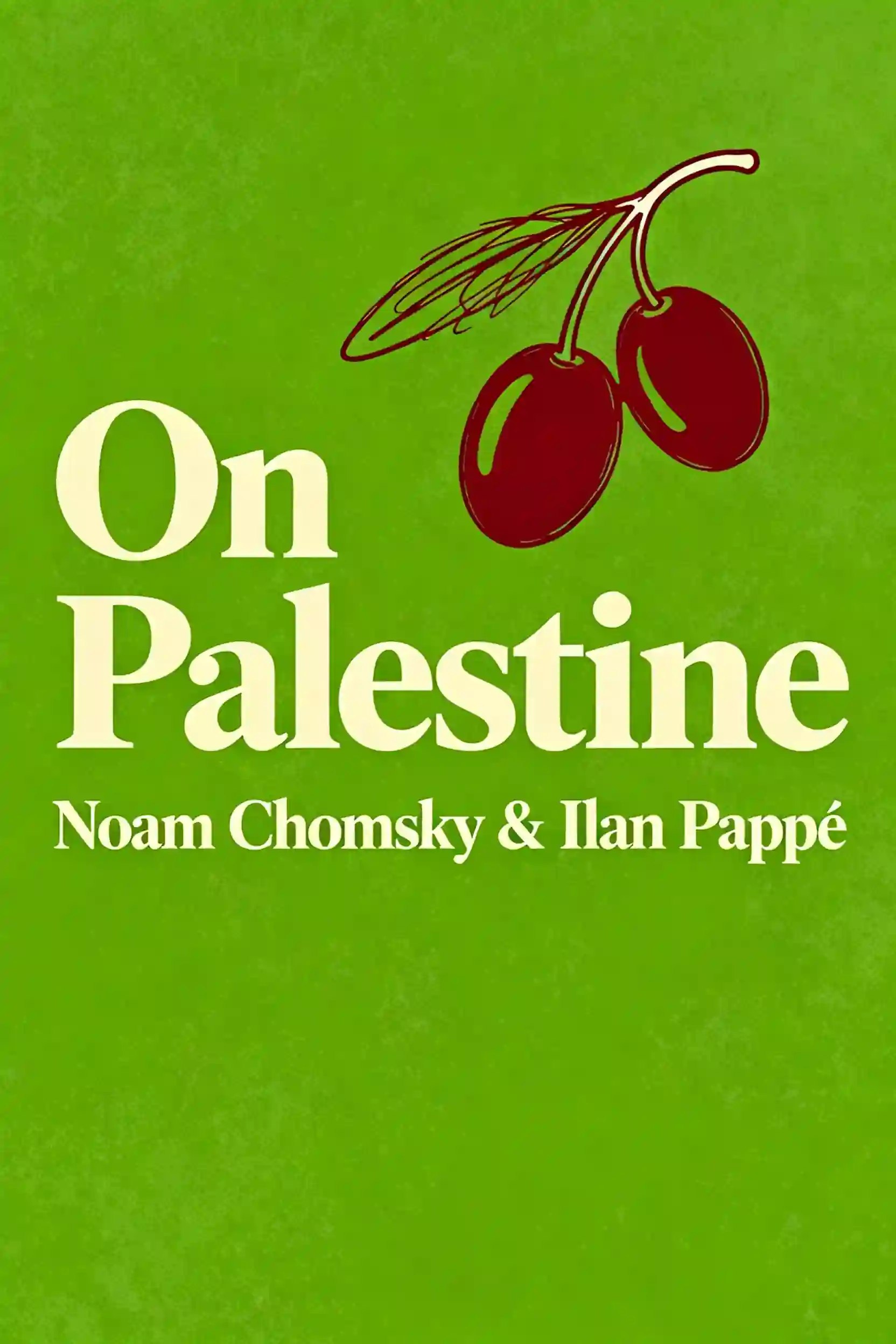
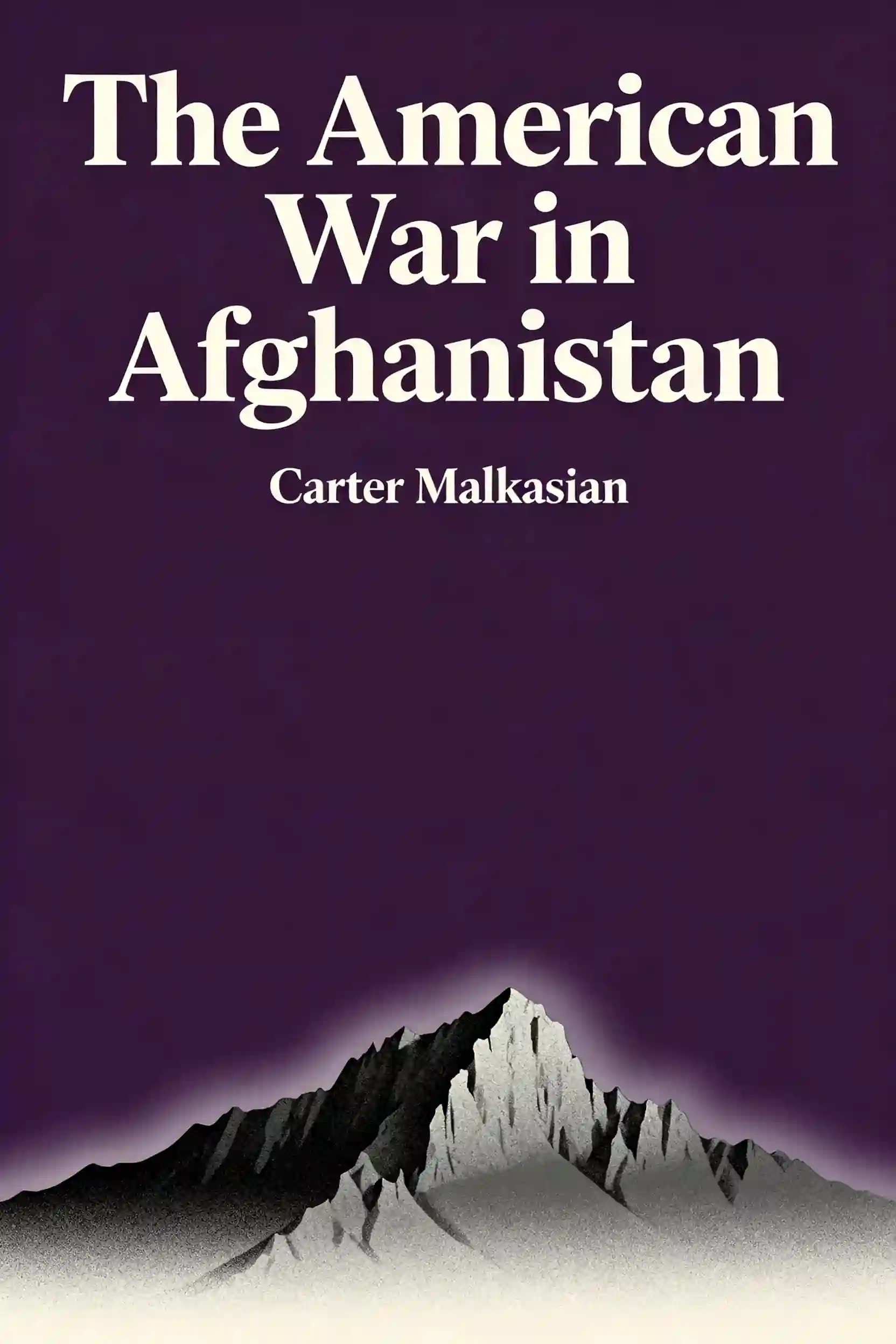
Discover more

Understand Israel-Palestine-Gaza conflict
Understand Israel-Palestine-Gaza conflict
This learning plan provides a balanced, multi-perspective approach to one of the world's most enduring conflicts. It is essential for students, journalists, and global citizens who wish to move beyond headlines to understand the deep historical and human complexities of the region.

Long-term impact of Iran-US-Israel conflict
Long-term impact of Iran-US-Israel conflict
This plan provides a critical lens into the geopolitical tensions shaping the modern world. It is essential for students of international relations, policymakers, and global investors seeking to understand how this conflict influences global stability.
Iran Israel war latest situation and analysis
Iran Israel war latest situation and analysis
The Iran-Israel conflict represents one of the most volatile and consequential geopolitical tensions in today's world, with potential to reshape regional and global security. This learning plan benefits diplomacy professionals, international relations students, journalists, and informed citizens seeking to understand the conflict beyond headlines.

Ancient Israel: Origins & Philistines
Ancient Israel: Origins & Philistines
This learning plan bridges the gap between archaeological science and historical texts to clarify the complex emergence of the Levant's most influential cultures. It is ideal for history enthusiasts, theology students, and researchers seeking a balanced, evidence-based view of the ancient world.

Uncover WWII & Nazi Secrets; Write History
Uncover WWII & Nazi Secrets; Write History
This plan is essential for aspiring historians and researchers who want to move beyond surface-level facts into the world of covert operations and classified archives. It provides the unique dual-skillset of rigorous investigative methodology and professional historical storytelling for those passionate about wartime mysteries.
About history
About history
This plan provides a comprehensive overview of the human experience, bridging the gap between ancient foundations and modern global dynamics. It is ideal for lifelong learners and students who want to understand the historical forces that continue to shape our present-day world.
Modern history since 1900
Modern history since 1900
This comprehensive survey of modern history is essential for anyone seeking to understand how our contemporary world was forged through conflict, innovation, and transformation. Perfect for students, professionals in international relations or policy, and lifelong learners who want to contextualize current events within the dramatic arc of the last 125 years. Understanding the 20th century's pivotal moments provides crucial insight into today's geopolitical tensions, technological disruptions, and global challenges.
Learn about geopolitics deeply
Learn about geopolitics deeply
This plan provides a comprehensive framework for understanding the forces that drive global instability and cooperation. It is ideal for aspiring diplomats, policy analysts, or anyone seeking to decode the complex power dynamics between modern superpowers.
From Columbia University alumni built in San Francisco
"Instead of endless scrolling, I just hit play on BeFreed. It saves me so much time."


"I never knew where to start with nonfiction—BeFreed’s book lists turned into podcasts gave me a clear path."


"Perfect balance between learning and entertainment. Finished ‘Thinking, Fast and Slow’ on my commute this week."
"Crazy how much I learned while walking the dog. BeFreed = small habits → big gains."
"Reading used to feel like a chore. Now it’s just part of my lifestyle."

"Feels effortless compared to reading. I’ve finished 6 books this month already."
"BeFreed turned my guilty doomscrolling into something that feels productive and inspiring."

"BeFreed turned my commute into learning time. 20-min podcasts are perfect for finishing books I never had time for."
"BeFreed replaced my podcast queue. Imagine Spotify for books — that’s it. 🙌"

"It is great for me to learn something from the book without reading it."
"The themed book list podcasts help me connect ideas across authors—like a guided audio journey."
"Makes me feel smarter every time before going to work"
From Columbia University alumni built in San Francisco
"Instead of endless scrolling, I just hit play on BeFreed. It saves me so much time."
"I never knew where to start with nonfiction—BeFreed’s book lists turned into podcasts gave me a clear path."
"Perfect balance between learning and entertainment. Finished ‘Thinking, Fast and Slow’ on my commute this week."
"Crazy how much I learned while walking the dog. BeFreed = small habits → big gains."
"Reading used to feel like a chore. Now it’s just part of my lifestyle."
"Feels effortless compared to reading. I’ve finished 6 books this month already."
"BeFreed turned my guilty doomscrolling into something that feels productive and inspiring."
"BeFreed turned my commute into learning time. 20-min podcasts are perfect for finishing books I never had time for."
"BeFreed replaced my podcast queue. Imagine Spotify for books — that’s it. 🙌"
"It is great for me to learn something from the book without reading it."
"The themed book list podcasts help me connect ideas across authors—like a guided audio journey."
"Makes me feel smarter every time before going to work"
"Instead of endless scrolling, I just hit play on BeFreed. It saves me so much time."
"I never knew where to start with nonfiction—BeFreed’s book lists turned into podcasts gave me a clear path."
"Perfect balance between learning and entertainment. Finished ‘Thinking, Fast and Slow’ on my commute this week."
"Crazy how much I learned while walking the dog. BeFreed = small habits → big gains."
"Reading used to feel like a chore. Now it’s just part of my lifestyle."
"Feels effortless compared to reading. I’ve finished 6 books this month already."
"BeFreed turned my guilty doomscrolling into something that feels productive and inspiring."
"BeFreed turned my commute into learning time. 20-min podcasts are perfect for finishing books I never had time for."
"BeFreed replaced my podcast queue. Imagine Spotify for books — that’s it. 🙌"
"It is great for me to learn something from the book without reading it."
"The themed book list podcasts help me connect ideas across authors—like a guided audio journey."
"Makes me feel smarter every time before going to work"
"Instead of endless scrolling, I just hit play on BeFreed. It saves me so much time."
"I never knew where to start with nonfiction—BeFreed’s book lists turned into podcasts gave me a clear path."
"Perfect balance between learning and entertainment. Finished ‘Thinking, Fast and Slow’ on my commute this week."
"Crazy how much I learned while walking the dog. BeFreed = small habits → big gains."
"Reading used to feel like a chore. Now it’s just part of my lifestyle."
"Feels effortless compared to reading. I’ve finished 6 books this month already."
"BeFreed turned my guilty doomscrolling into something that feels productive and inspiring."
"BeFreed turned my commute into learning time. 20-min podcasts are perfect for finishing books I never had time for."
"BeFreed replaced my podcast queue. Imagine Spotify for books — that’s it. 🙌"
"It is great for me to learn something from the book without reading it."
"The themed book list podcasts help me connect ideas across authors—like a guided audio journey."
"Makes me feel smarter every time before going to work"


