
Is human impact on nature actually natural?
If we are a biological species, is our industry just an evolved trait? Explore the line between natural systems and the scale of human-driven change.

Best quote from Is human impact on nature actually natural?
The 'unnatural' part isn't what we are doing, but the speed at which we are doing it. Our biological evolution and the planet’s geological cycles are moving at a snail’s pace, while our industrial evolution is moving at the speed of light.

This audio lesson was created by a BeFreed community member
Is human-driven climate change truly “unnatural” or are humans, like all species, part of Earth’s evolutionary system, making our impact inherently natural?

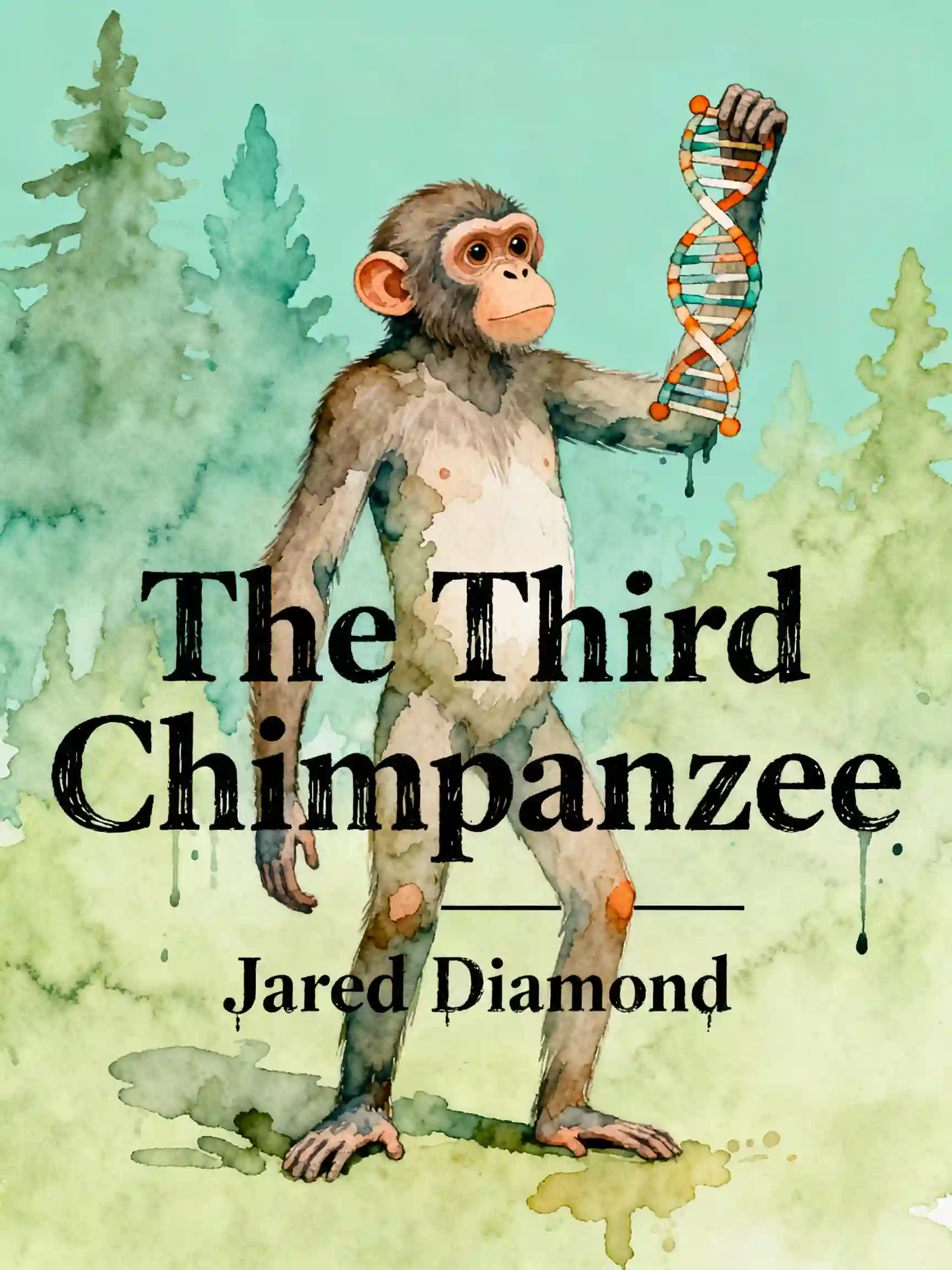
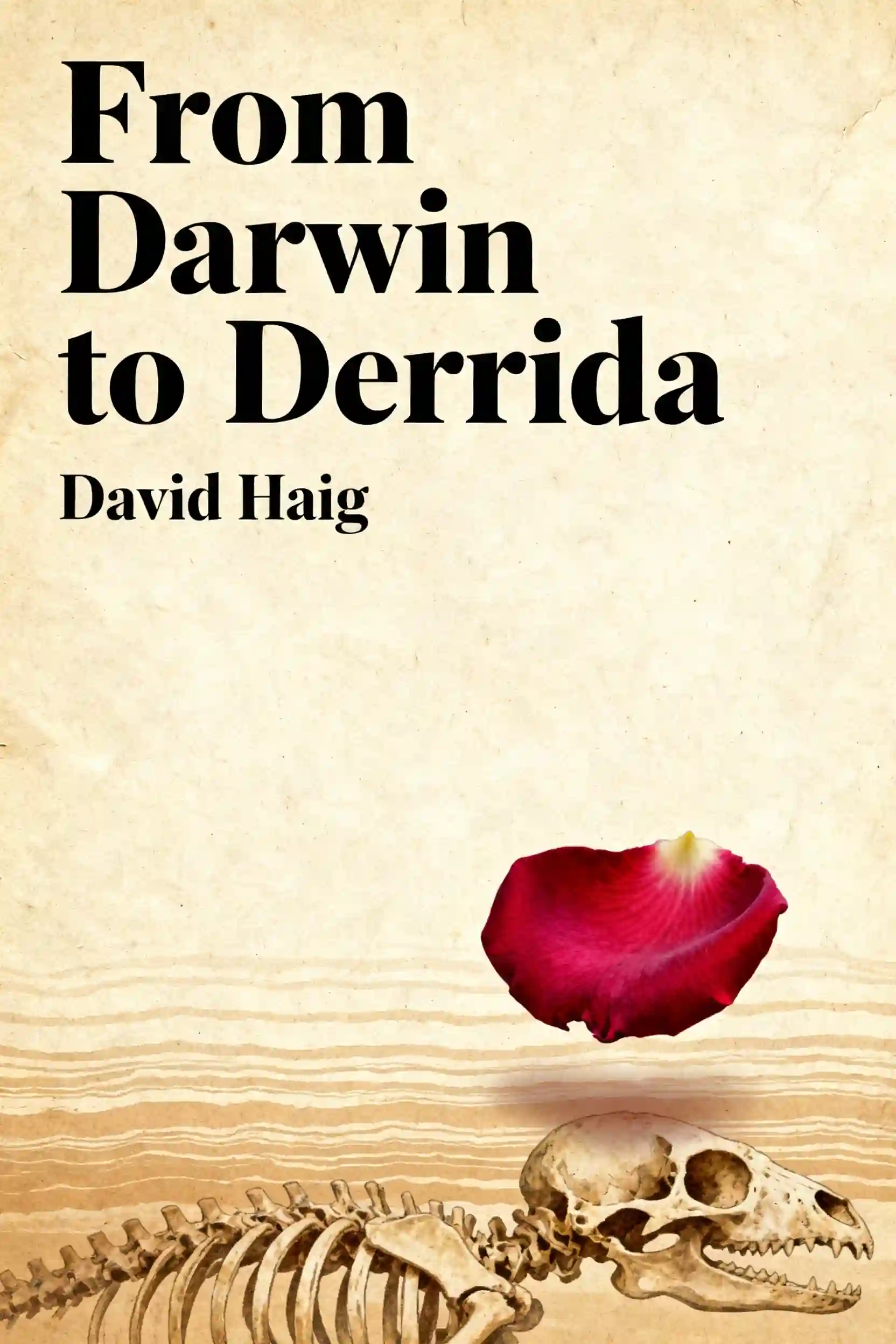
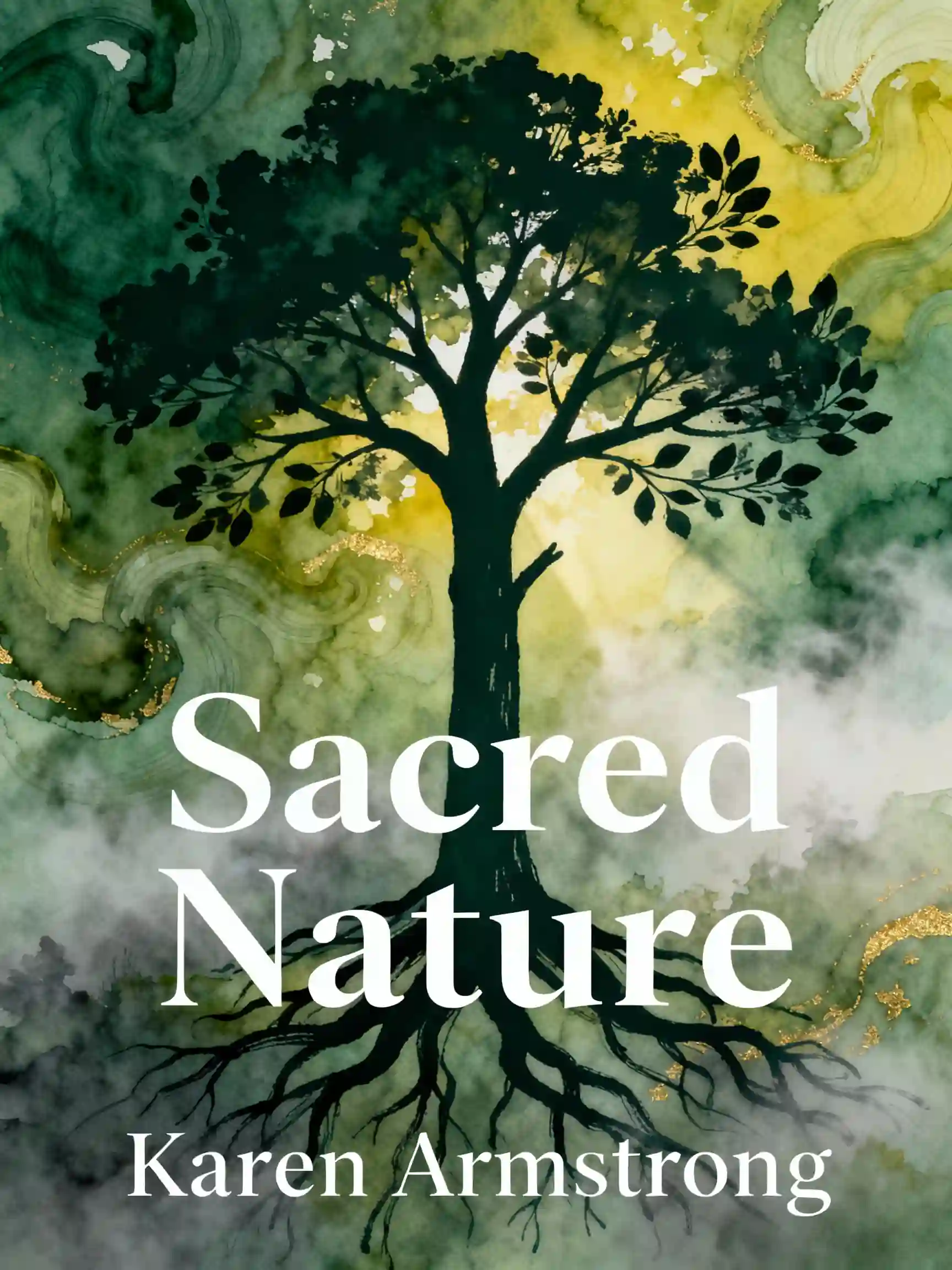
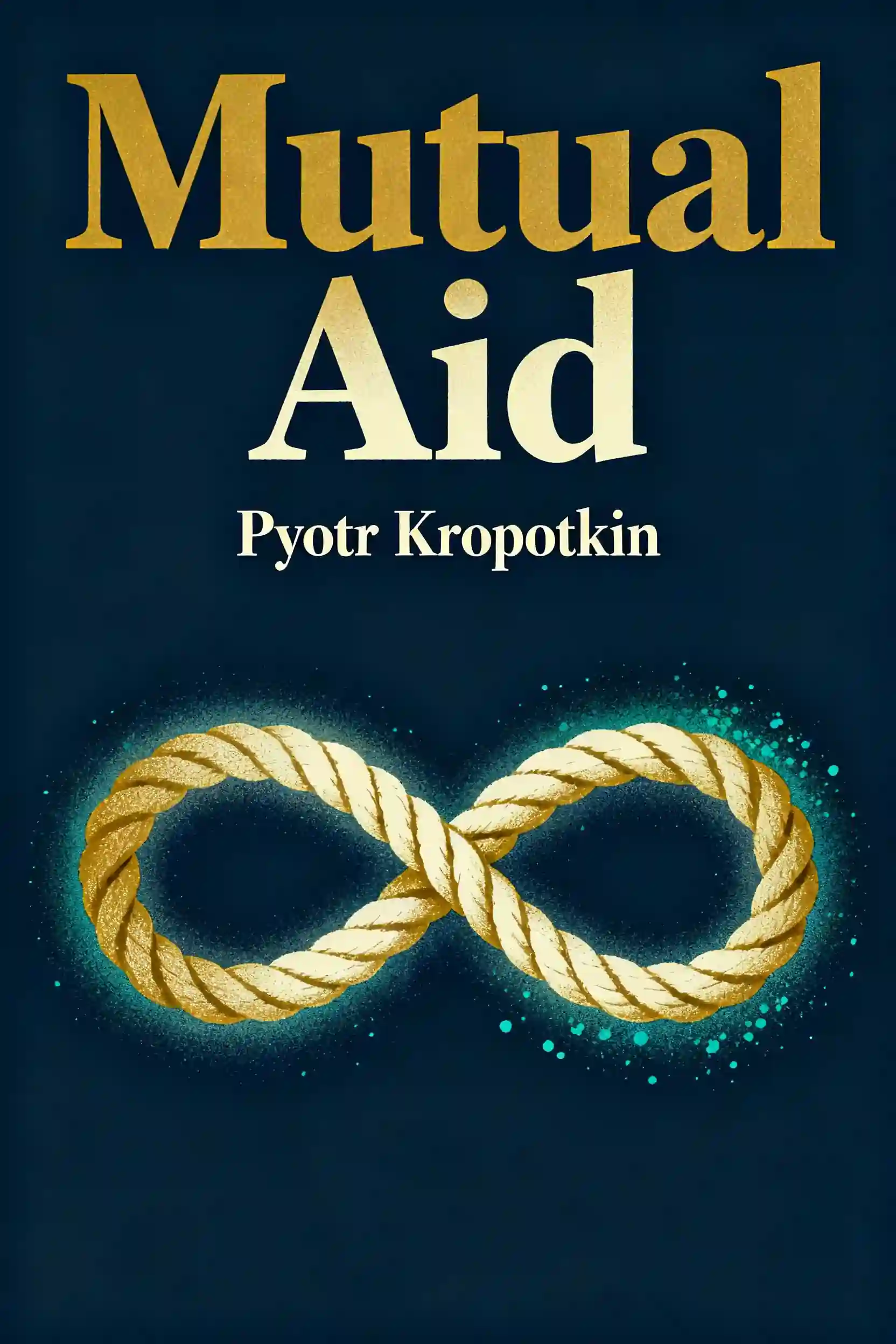
Frequently Asked Questions
While humans are a biological species using evolved traits like intelligence and industry, the "unnatural" label often refers to the unprecedented scale and speed of our impact. Unlike historical geological shifts that occurred over thousands or millions of years, human-driven changes—such as the extinction of the Steller’s sea cow in just 27 years—happen at a velocity that outpaces the ability of other species and natural systems to adapt. This creates a "temporal mismatch" between our rapid industrial evolution and the planet's slow geological cycles.
Data from satellites and geological research show that natural drivers cannot explain current warming trends. Since the 1970s, solar activity has remained relatively flat or even declined while global temperatures have spiked. Furthermore, human activities emit over 100 times more CO2 annually than all the world’s volcanoes combined. In fact, major volcanic eruptions often temporarily cool the planet due to ash reflecting sunlight, whereas the current warming is global, persistent, and aligns perfectly with the rise of industrial greenhouse gas emissions.
Ice cores containing trapped air bubbles allow scientists to reconstruct the atmosphere from the last 800,000 years. This record shows that CO2 levels historically stayed within a predictable, rhythmic range during ice ages and warm periods. However, since the Industrial Revolution, CO2 levels have shot up vertically to over 420 parts per million, the highest in millions of years. This indicates that our current era is a complete departure from the "natural" historical script the Earth followed for nearly a million years.
The oceans act as the Earth’s thermal regulator, absorbing approximately 90% of the excess heat generated by human-induced warming. While this "buffer" has slowed the warming of the atmosphere, it has caused the water to expand and polar ice to melt from below, leading to rising sea levels. This stored heat also creates a "time-lag" effect, meaning that even if emissions stopped today, the oceans would continue to warm for some time due to the energy already trapped in the system.
The term "biological asteroid" describes the cataclysmic impact humans have on biodiversity, similar to a mass extinction event caused by a space impact. Currently, one million species are at risk of extinction because human-driven changes like habitat loss and ocean acidification are happening too fast for natural selection to function. However, unlike an asteroid, humans are a conscious force capable of reading the data and choosing to change their trajectory to act as a "restorative" rather than a "disruptive" force.
Discover more

Explore Human Nature, Science & Society
Explore Human Nature, Science & Society
This learning plan bridges the gap between biological origins and future technological impacts, offering a holistic view of the human experience. It is ideal for curious minds, social scientists, and leaders who want to understand the forces shaping our behavior and the ethical challenges of tomorrow.

Neuroscience, Behavior, Eco & Inspiration
Neuroscience, Behavior, Eco & Inspiration
This multidisciplinary guide bridges the gap between biological science and real-world impact, offering a holistic view of human nature. It is ideal for lifelong learners, policy advocates, or professionals seeking to align personal growth with environmental and social consciousness.

Explore Environment, History & Culture
Explore Environment, History & Culture
This plan bridges the gap between natural history and human development, offering a holistic view of our world. It is ideal for curious minds and students looking to understand how environmental shifts directly influence cultural evolution and global connectivity.

Evolution beyond human being
Evolution beyond human being
As we approach a technological singularity, understanding the intersection of biology and artificial intelligence is critical for future-proofing our species. This plan is designed for futurists, ethicists, and tech enthusiasts eager to lead the transition into the next stage of human evolution.
Growth, Tech, Nature & Human Connection
Growth, Tech, Nature & Human Connection
This plan is essential for modern professionals and seekers looking to bridge the gap between rapid technological advancement and the need for grounded, natural wisdom. It benefits anyone striving for a balanced life where digital efficiency enhances rather than replaces authentic human connection and environmental stewardship.
Explore Diverse Human & Tech Insights
Explore Diverse Human & Tech Insights
In an era of rapid digital transformation, understanding the intersection of biological nature and technological innovation is essential. This plan is ideal for forward-thinking professionals and curious minds looking to navigate the complexities of AI and societal evolution.
From Columbia University alumni built in San Francisco
"Instead of endless scrolling, I just hit play on BeFreed. It saves me so much time."


"I never knew where to start with nonfiction—BeFreed’s book lists turned into podcasts gave me a clear path."


"Perfect balance between learning and entertainment. Finished ‘Thinking, Fast and Slow’ on my commute this week."
"Crazy how much I learned while walking the dog. BeFreed = small habits → big gains."
"Reading used to feel like a chore. Now it’s just part of my lifestyle."

"Feels effortless compared to reading. I’ve finished 6 books this month already."
"BeFreed turned my guilty doomscrolling into something that feels productive and inspiring."

"BeFreed turned my commute into learning time. 20-min podcasts are perfect for finishing books I never had time for."
"BeFreed replaced my podcast queue. Imagine Spotify for books — that’s it. 🙌"

"It is great for me to learn something from the book without reading it."
"The themed book list podcasts help me connect ideas across authors—like a guided audio journey."
"Makes me feel smarter every time before going to work"
From Columbia University alumni built in San Francisco
"Instead of endless scrolling, I just hit play on BeFreed. It saves me so much time."
"I never knew where to start with nonfiction—BeFreed’s book lists turned into podcasts gave me a clear path."
"Perfect balance between learning and entertainment. Finished ‘Thinking, Fast and Slow’ on my commute this week."
"Crazy how much I learned while walking the dog. BeFreed = small habits → big gains."
"Reading used to feel like a chore. Now it’s just part of my lifestyle."
"Feels effortless compared to reading. I’ve finished 6 books this month already."
"BeFreed turned my guilty doomscrolling into something that feels productive and inspiring."
"BeFreed turned my commute into learning time. 20-min podcasts are perfect for finishing books I never had time for."
"BeFreed replaced my podcast queue. Imagine Spotify for books — that’s it. 🙌"
"It is great for me to learn something from the book without reading it."
"The themed book list podcasts help me connect ideas across authors—like a guided audio journey."
"Makes me feel smarter every time before going to work"
"Instead of endless scrolling, I just hit play on BeFreed. It saves me so much time."
"I never knew where to start with nonfiction—BeFreed’s book lists turned into podcasts gave me a clear path."
"Perfect balance between learning and entertainment. Finished ‘Thinking, Fast and Slow’ on my commute this week."
"Crazy how much I learned while walking the dog. BeFreed = small habits → big gains."
"Reading used to feel like a chore. Now it’s just part of my lifestyle."
"Feels effortless compared to reading. I’ve finished 6 books this month already."
"BeFreed turned my guilty doomscrolling into something that feels productive and inspiring."
"BeFreed turned my commute into learning time. 20-min podcasts are perfect for finishing books I never had time for."
"BeFreed replaced my podcast queue. Imagine Spotify for books — that’s it. 🙌"
"It is great for me to learn something from the book without reading it."
"The themed book list podcasts help me connect ideas across authors—like a guided audio journey."
"Makes me feel smarter every time before going to work"
"Instead of endless scrolling, I just hit play on BeFreed. It saves me so much time."
"I never knew where to start with nonfiction—BeFreed’s book lists turned into podcasts gave me a clear path."
"Perfect balance between learning and entertainment. Finished ‘Thinking, Fast and Slow’ on my commute this week."
"Crazy how much I learned while walking the dog. BeFreed = small habits → big gains."
"Reading used to feel like a chore. Now it’s just part of my lifestyle."
"Feels effortless compared to reading. I’ve finished 6 books this month already."
"BeFreed turned my guilty doomscrolling into something that feels productive and inspiring."
"BeFreed turned my commute into learning time. 20-min podcasts are perfect for finishing books I never had time for."
"BeFreed replaced my podcast queue. Imagine Spotify for books — that’s it. 🙌"
"It is great for me to learn something from the book without reading it."
"The themed book list podcasts help me connect ideas across authors—like a guided audio journey."
"Makes me feel smarter every time before going to work"


![[PDF] « Le vivant » Bibliographie - Joan Martinez Alier, L'écologisme des ...](/_next/image?url=https%3A%2F%2Fd1y2du6z1jfm9e.cloudfront.net%2Fassets%2Fpodcast%2Fblue.png&w=1024&q=50)


