
Is Christian Psychology an Oxymoron?
Can faith and science coexist? Explore whether psychology and Christianity are fundamentally at odds or if they can work together to treat the soul.

Best quote from Is Christian Psychology an Oxymoron?
Science and faith should actually complement each other because God is the author of all truth—including creation and the human mind. It is not a collision, but a symphony where the mechanics of the mind and the reality of the soul work in harmony.

This audio lesson was created by a BeFreed community member
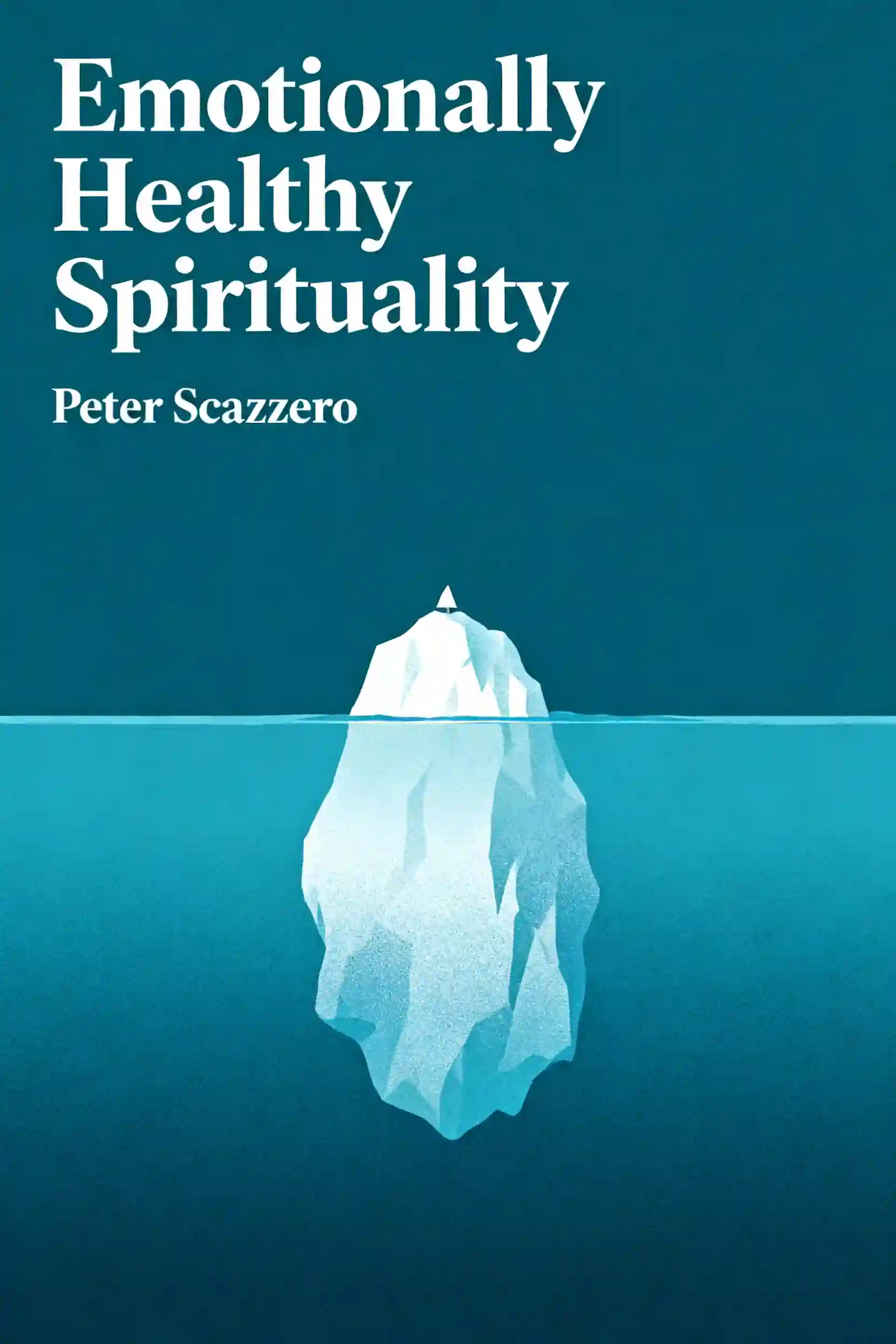
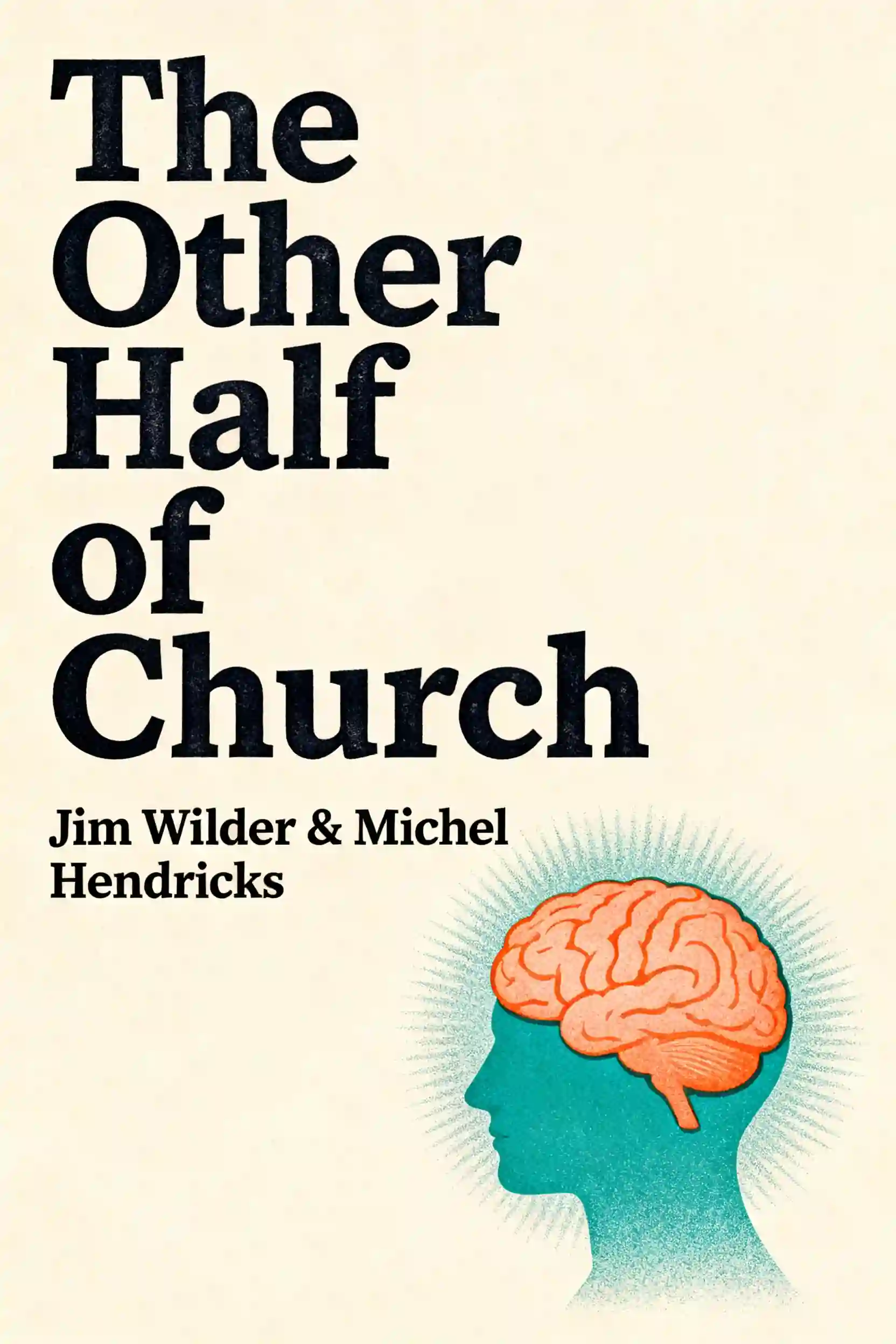
Is There Such a Thing as Christian Psychology? There are some well meaning individuals who claim that psychology and Christianity are totally incompatible and therefore there can be no such thing as Christian psychology. They state that the term “Christian psychology” is an oxymoron in that the words are totally incompatible and diametrically opposed beliefs and concepts. These individuals make statements such as, “Psychology has its roots in ancient philosophers like Socrates, Aristotle, and P

Frequently Asked Questions
While some critics argue that psychology is incompatible with faith due to its roots in Greek philosophers like Socrates and Aristotle, the script suggests these two worlds can exist in harmony. Early Christians often used the intellectual framework and language of Greek philosophy to articulate spiritual truths, such as the Gospel of John using the philosophical term Logos to describe Jesus. Rather than a "pre-polluted" secular field, many see psychology as a way to study the "hardware" of the human mind that God created, provided it is grounded in a Christian worldview.
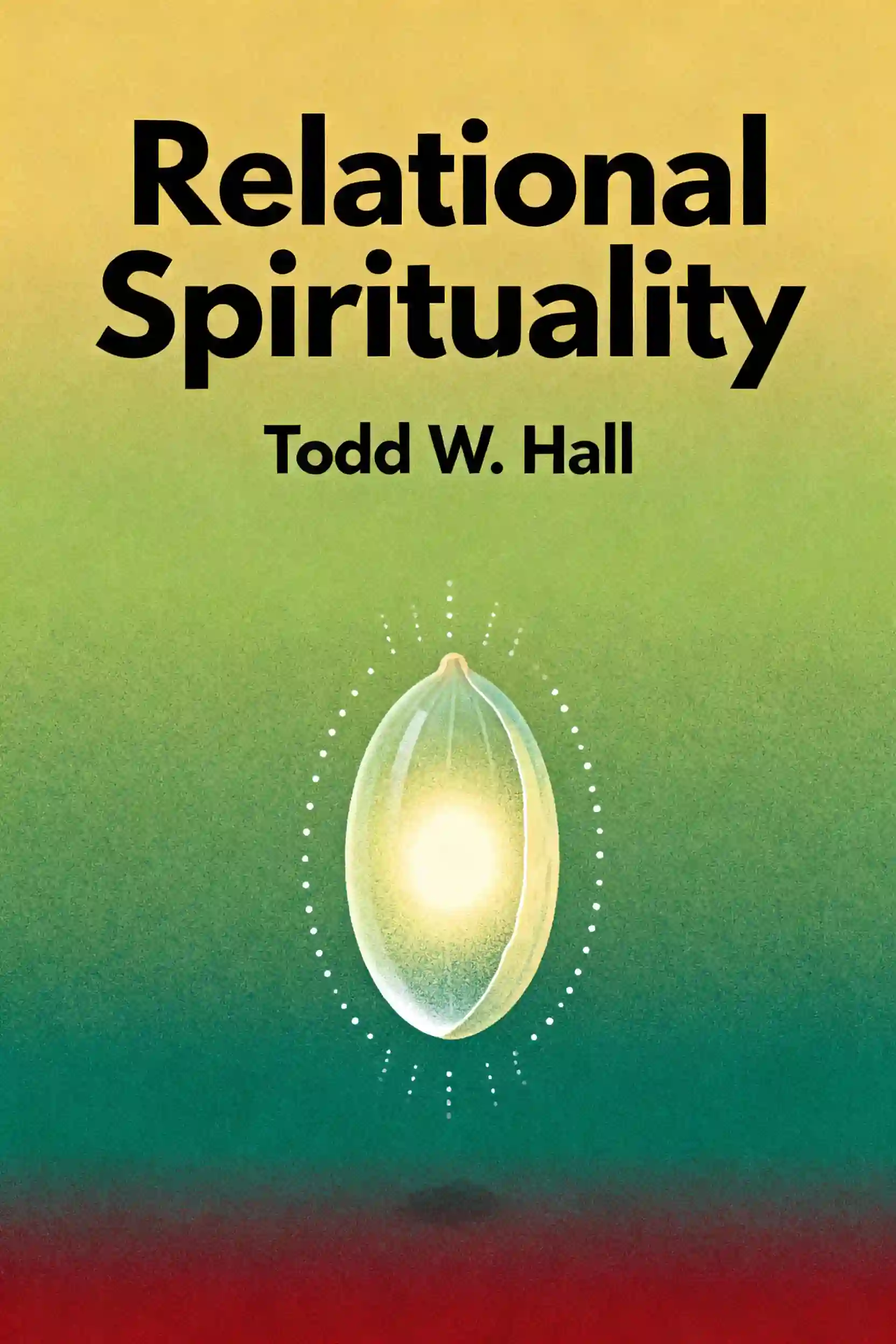
There are five primary views on how to combine these disciplines. "Biblical Counseling" prioritizes the sufficiency of Scripture and is wary of secular theories. "Christian Psychology" seeks to build a unique psychological framework based on the Bible and church history. The "Integration" view treats all truth as God’s truth, combining scientific discoveries with theological foundations. "Levels-of-Explanation" views science and theology as different but complementary ways of describing the same reality. Finally, the "Transformational" view focuses on the spiritual formation and heart of the counselor as the primary vehicle for healing.
A biblical blueprint of the person involves five key themes: relationality, brokenness, embodiment, agency, and meaning-seeking. While secular psychology often focuses on self-actualization and environment, a Christian perspective acknowledges "brokenness" or sin as an honest diagnosis of the human condition. It also emphasizes "embodiment," recognizing that spiritual struggles can sometimes be tied to physical issues like brain chemistry or trauma, and "anchored identity," which finds personal worth in being a child of God rather than in self-esteem alone.
The script argues that many psychological tools are "common grace" and can be reclaimed for spiritual use. For example, mindfulness can be reframed as a spiritual discipline to "be still" and practice the presence of God, while cognitive reframing can help a believer "take every thought captive." Regarding medication, the script suggests that just as one would see a doctor for a broken leg, one should not feel shame in seeking medical help for a "broken brain circuit" or chemical imbalance, as the body is considered a temple that requires care.
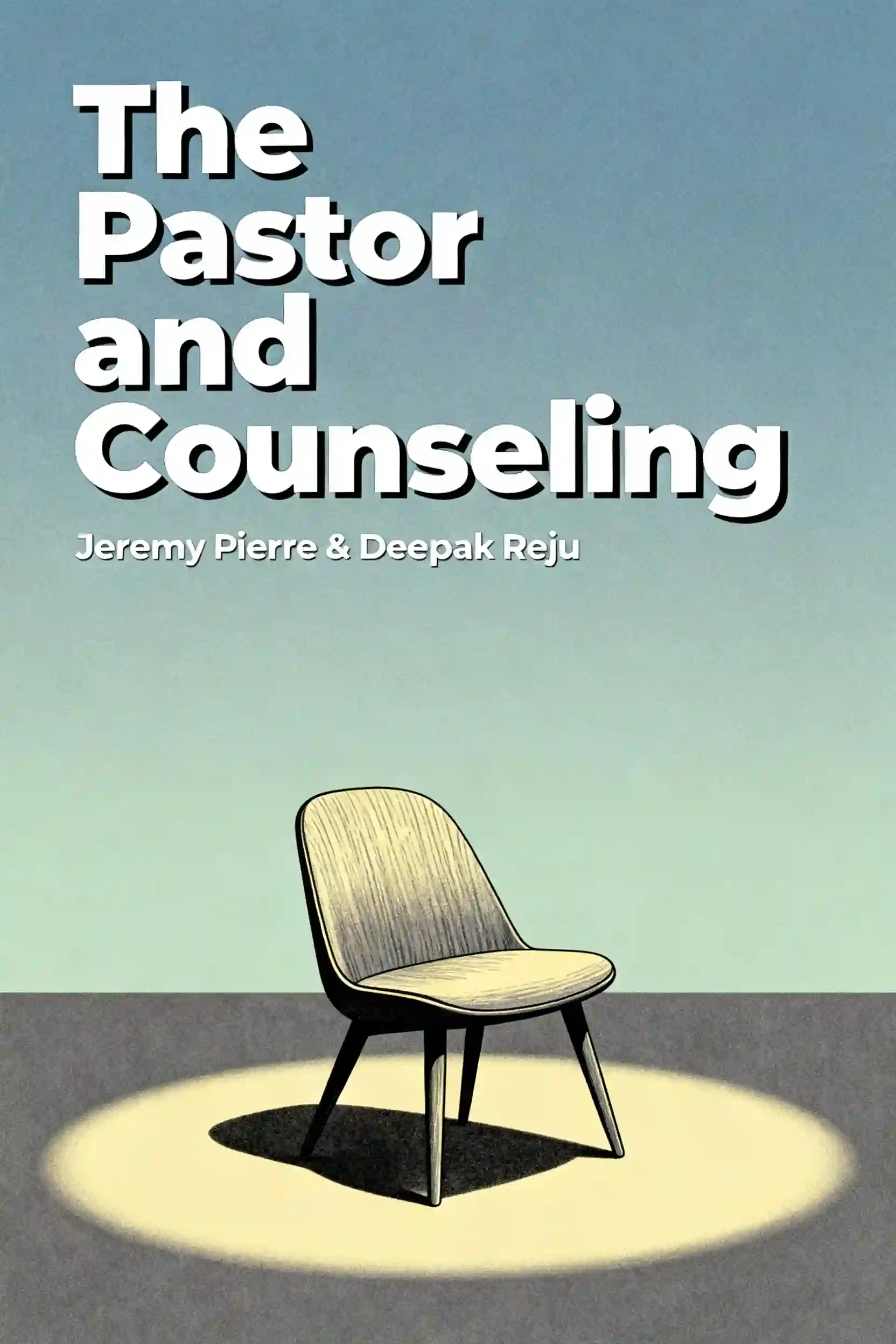
While they may seem similar, the two serve different roles in a "multidisciplinary team" approach to healing. Confession is primarily about moral restoration and receiving God’s forgiveness for the soul. Psychotherapy, on the other hand, focuses on the "psyche" by helping an individual understand biological patterns, process trauma, and develop practical tools to manage behavior. A pastor handles the "why" of meaning and values, while a therapist addresses the "how" of brain function and emotional regulation.
Discover more

The cognitive science of religion
The cognitive science of religion
This plan bridges the gap between theology and biology, offering a scientific lens on why humans are predisposed to faith. It is ideal for psychology students, neuroscientists, or anyone curious about the evolutionary roots of spiritual behavior.

Psychology, Philosophy & Relationships
Psychology, Philosophy & Relationships
In an era of constant distraction, understanding the intersection of mental mechanics and timeless wisdom is essential for personal stability. This plan is ideal for individuals seeking to bridge the gap between academic psychology and practical philosophy to improve their interpersonal relationships.

Wise Christian: Mind Control & Confidence
Wise Christian: Mind Control & Confidence
This plan is essential for Christians struggling with insecurity, anxiety, or negative thought cycles. It provides a scriptural roadmap for anyone seeking to align their mental health with their faith through practical spiritual disciplines.

Read books on psych & spirit
Read books on psych & spirit
The psychology-spirituality intersection offers a powerful framework for holistic personal development, addressing both mental health and existential questions. This plan benefits seekers wanting to deepen their understanding of consciousness, therapists integrating spiritual elements into practice, and anyone seeking to heal psychological wounds through spiritual awareness.
Bible, Quantum Physics & Theology Link
Bible, Quantum Physics & Theology Link
This plan bridges the perceived gap between ancient scripture and modern science, offering a unique interdisciplinary perspective on the nature of reality. It is ideal for theologians, science enthusiasts, and seekers curious about how quantum theory illuminates divine mystery.
Science, Tinkering, Faith & Recovery Skills
Science, Tinkering, Faith & Recovery Skills
This plan offers a unique multidisciplinary approach for individuals seeking to rebuild their lives through both logic and spirit. It is ideal for those in recovery or transition who want to combine practical problem-solving skills with deep spiritual resilience.
Study dark psych, religion, and mythology
Study dark psych, religion, and mythology
This plan bridge the gap between ancient wisdom and modern behavioral science to reveal the hidden forces driving human behavior. It is ideal for students of psychology, writers, or anyone seeking to understand the intersection of power, ethics, and the collective unconscious.

Coaching and psychology
Coaching and psychology
Coaching psychology combines psychological theory with practical coaching techniques to facilitate profound personal and professional development. This learning plan is ideal for aspiring coaches, HR professionals, managers, and therapists seeking to enhance their ability to guide others through transformative change.
From Columbia University alumni built in San Francisco
"Instead of endless scrolling, I just hit play on BeFreed. It saves me so much time."


"I never knew where to start with nonfiction—BeFreed’s book lists turned into podcasts gave me a clear path."


"Perfect balance between learning and entertainment. Finished ‘Thinking, Fast and Slow’ on my commute this week."
"Crazy how much I learned while walking the dog. BeFreed = small habits → big gains."
"Reading used to feel like a chore. Now it’s just part of my lifestyle."

"Feels effortless compared to reading. I’ve finished 6 books this month already."
"BeFreed turned my guilty doomscrolling into something that feels productive and inspiring."

"BeFreed turned my commute into learning time. 20-min podcasts are perfect for finishing books I never had time for."
"BeFreed replaced my podcast queue. Imagine Spotify for books — that’s it. 🙌"

"It is great for me to learn something from the book without reading it."
"The themed book list podcasts help me connect ideas across authors—like a guided audio journey."
"Makes me feel smarter every time before going to work"
From Columbia University alumni built in San Francisco
"Instead of endless scrolling, I just hit play on BeFreed. It saves me so much time."
"I never knew where to start with nonfiction—BeFreed’s book lists turned into podcasts gave me a clear path."
"Perfect balance between learning and entertainment. Finished ‘Thinking, Fast and Slow’ on my commute this week."
"Crazy how much I learned while walking the dog. BeFreed = small habits → big gains."
"Reading used to feel like a chore. Now it’s just part of my lifestyle."
"Feels effortless compared to reading. I’ve finished 6 books this month already."
"BeFreed turned my guilty doomscrolling into something that feels productive and inspiring."
"BeFreed turned my commute into learning time. 20-min podcasts are perfect for finishing books I never had time for."
"BeFreed replaced my podcast queue. Imagine Spotify for books — that’s it. 🙌"
"It is great for me to learn something from the book without reading it."
"The themed book list podcasts help me connect ideas across authors—like a guided audio journey."
"Makes me feel smarter every time before going to work"
"Instead of endless scrolling, I just hit play on BeFreed. It saves me so much time."
"I never knew where to start with nonfiction—BeFreed’s book lists turned into podcasts gave me a clear path."
"Perfect balance between learning and entertainment. Finished ‘Thinking, Fast and Slow’ on my commute this week."
"Crazy how much I learned while walking the dog. BeFreed = small habits → big gains."
"Reading used to feel like a chore. Now it’s just part of my lifestyle."
"Feels effortless compared to reading. I’ve finished 6 books this month already."
"BeFreed turned my guilty doomscrolling into something that feels productive and inspiring."
"BeFreed turned my commute into learning time. 20-min podcasts are perfect for finishing books I never had time for."
"BeFreed replaced my podcast queue. Imagine Spotify for books — that’s it. 🙌"
"It is great for me to learn something from the book without reading it."
"The themed book list podcasts help me connect ideas across authors—like a guided audio journey."
"Makes me feel smarter every time before going to work"
"Instead of endless scrolling, I just hit play on BeFreed. It saves me so much time."
"I never knew where to start with nonfiction—BeFreed’s book lists turned into podcasts gave me a clear path."
"Perfect balance between learning and entertainment. Finished ‘Thinking, Fast and Slow’ on my commute this week."
"Crazy how much I learned while walking the dog. BeFreed = small habits → big gains."
"Reading used to feel like a chore. Now it’s just part of my lifestyle."
"Feels effortless compared to reading. I’ve finished 6 books this month already."
"BeFreed turned my guilty doomscrolling into something that feels productive and inspiring."
"BeFreed turned my commute into learning time. 20-min podcasts are perfect for finishing books I never had time for."
"BeFreed replaced my podcast queue. Imagine Spotify for books — that’s it. 🙌"
"It is great for me to learn something from the book without reading it."
"The themed book list podcasts help me connect ideas across authors—like a guided audio journey."
"Makes me feel smarter every time before going to work"


