
Is choosing not to have children actually selfish?
We often view parenthood as selfless, but is it? Explore the moral paradox of reproduction and why society judges those who choose a childfree life.

Best quote from Is choosing not to have children actually selfish?
The choice to be childfree is often a 'mirror' that reflects the parents' own freedom back at them, acting as a living reminder that parenthood was a choice, not a destiny.

This audio lesson was created by a BeFreed community member
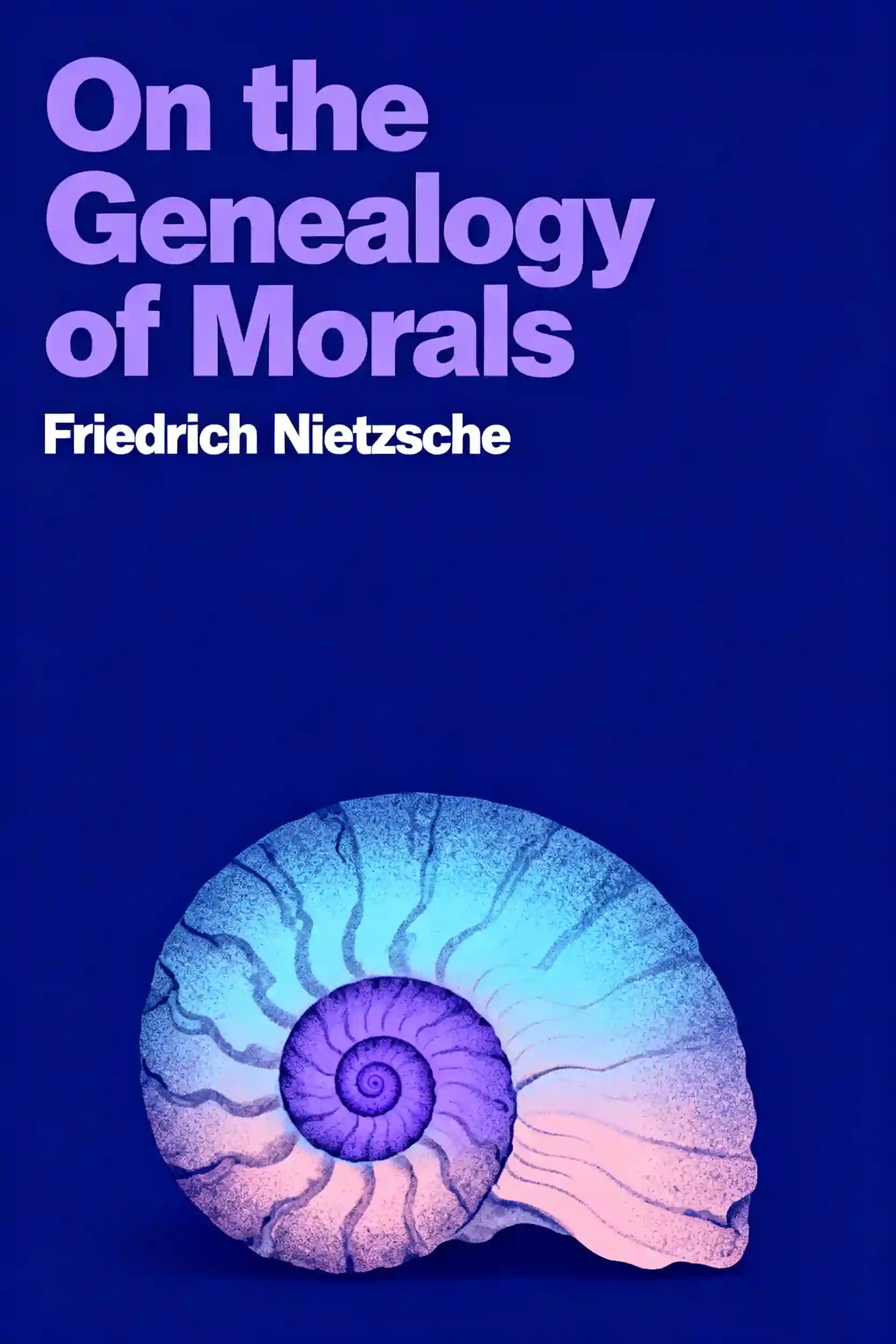
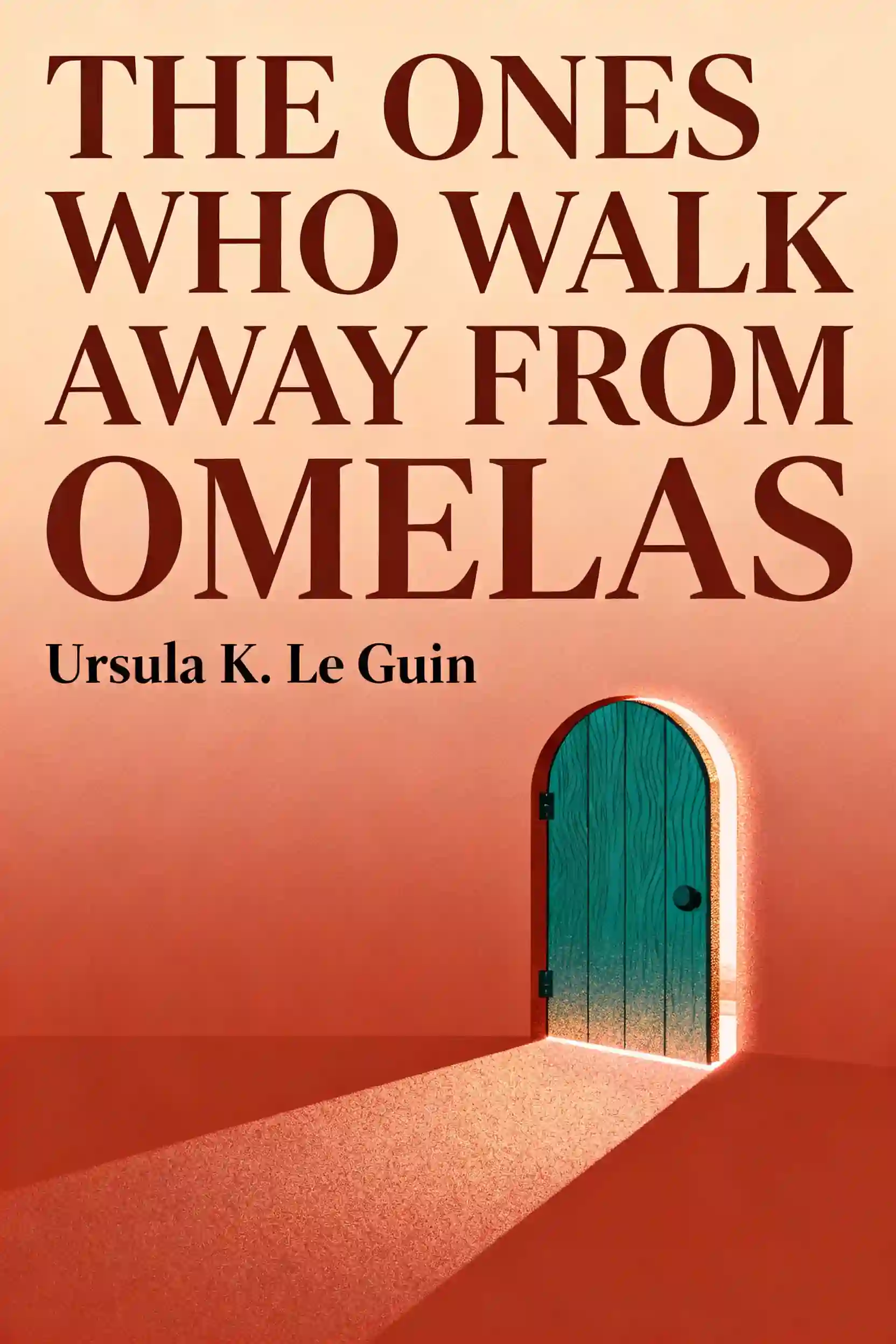
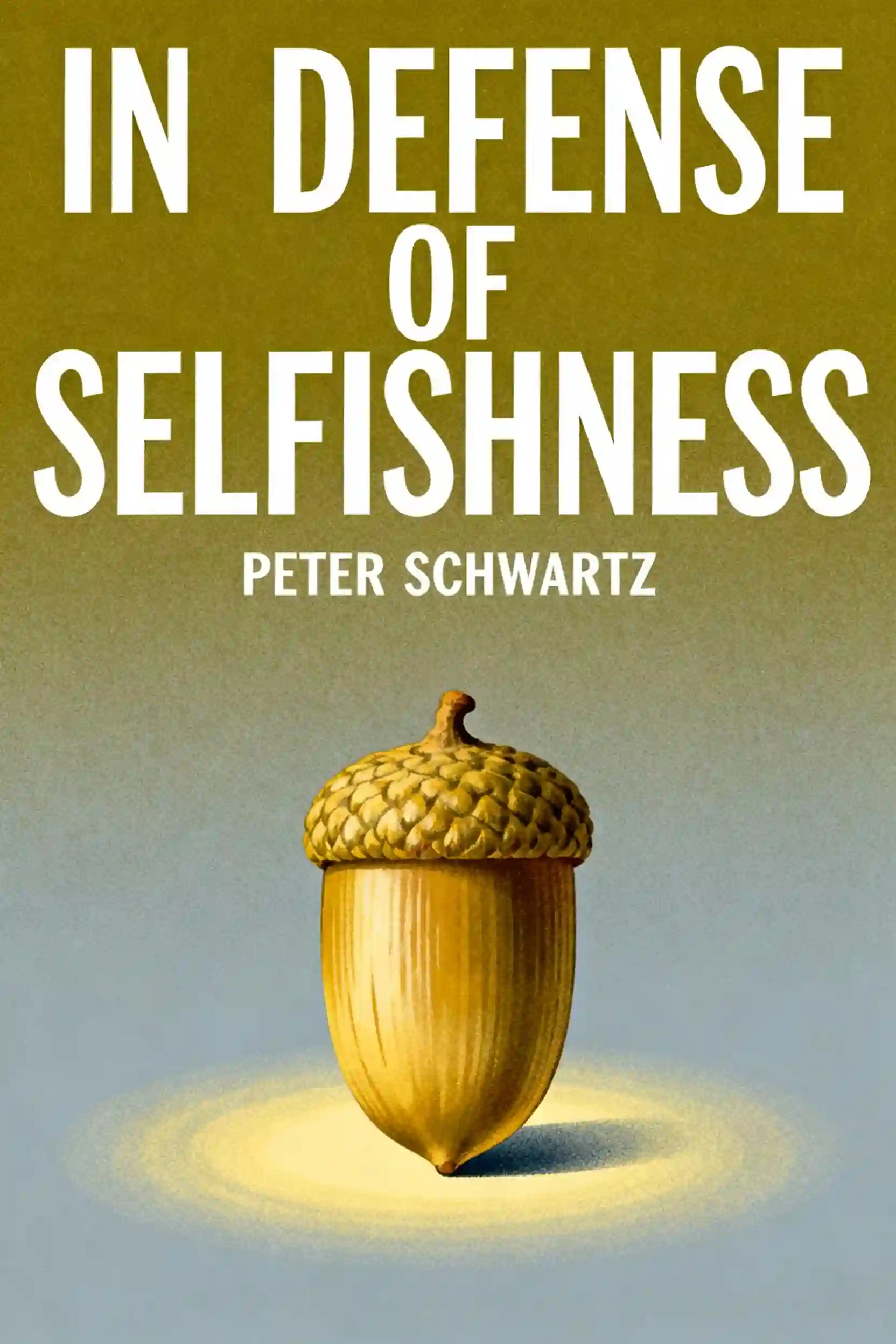
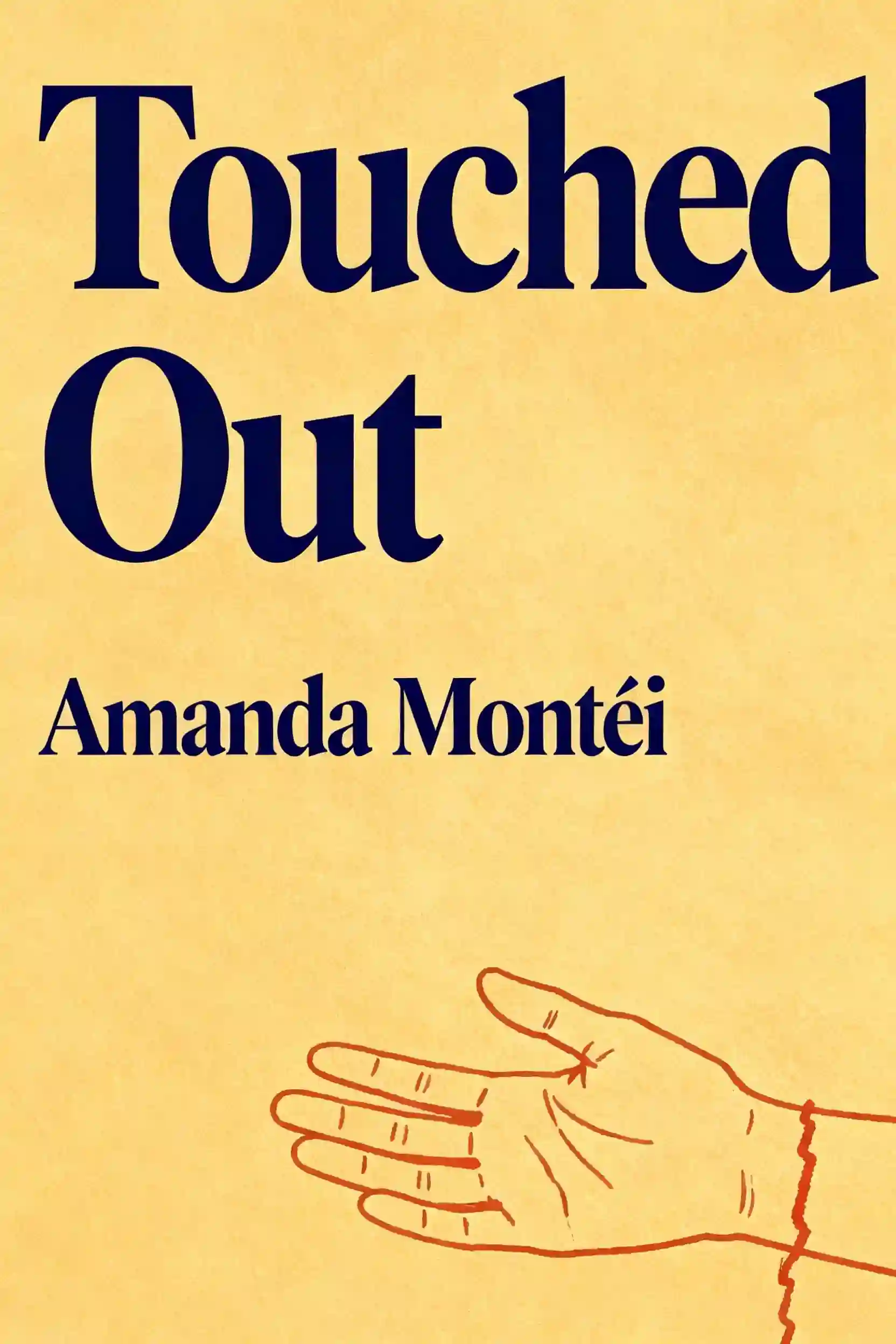
Explore the moral paradox that choosing to have children is often framed as loving or meaningful, even though it may satisfy personal desires for legacy, purpose, identity, or belonging, while choosing not to have children is often judged as selfish. Use philosophy, evolutionary psychology, sociology, and moral psychology to examine why society moralizes reproduction this way and what that reveals about human motives, norms, and self-deception.

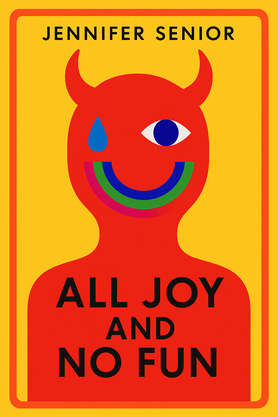
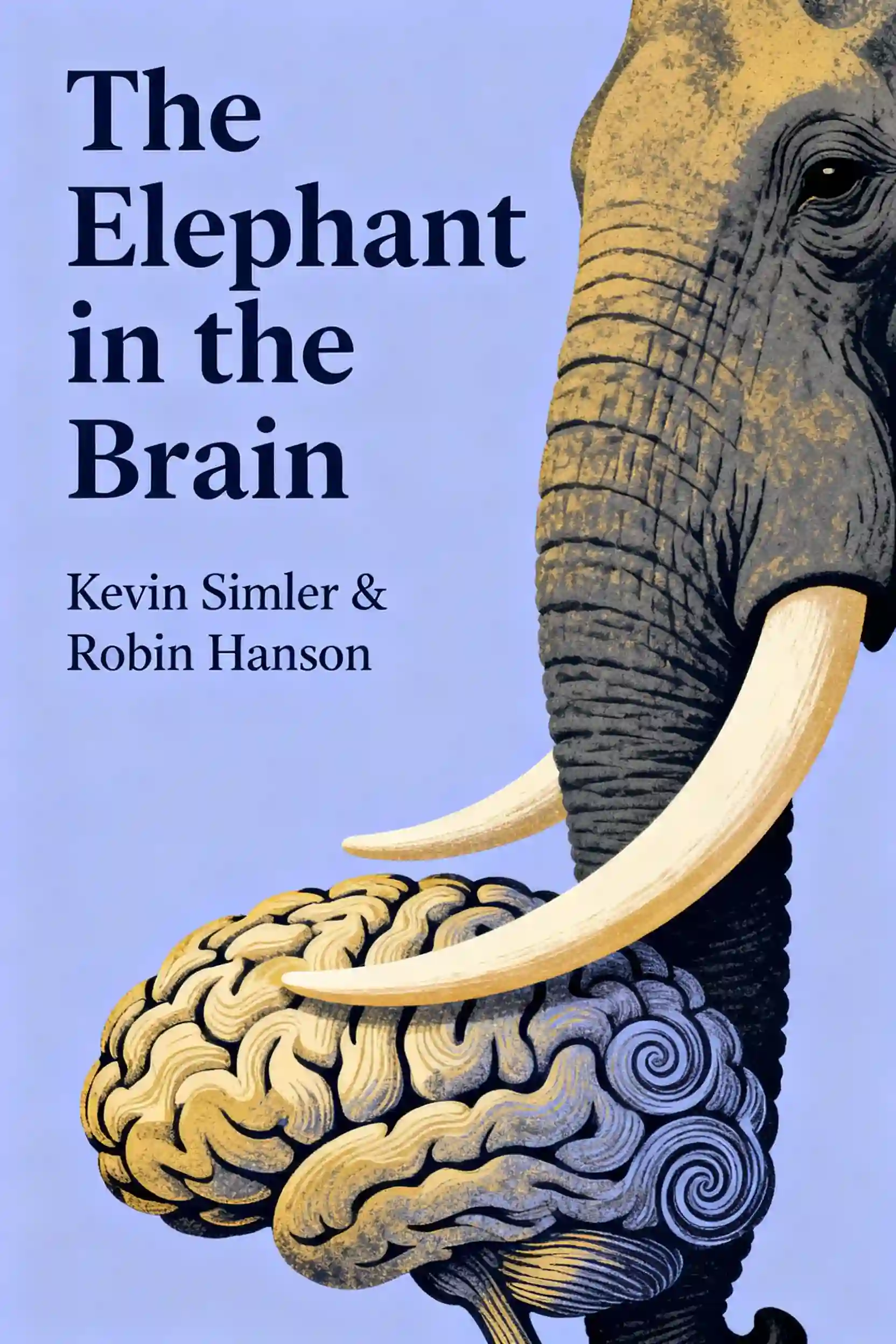
Frequently Asked Questions
The "Argument from the Last Humans" is a thought experiment that frames procreation as a moral duty to prevent a future humanitarian crisis. It suggests that if everyone stopped having children, the final generation of humans would endure immense suffering because there would be no younger people to maintain essential infrastructure, such as hospitals or power grids. In this view, having children is seen as a "prospective duty" to ensure that current infants and children have caregivers when they eventually become elderly and helpless.
This labeling often stems from "pronatalism," a socially necessary ideology that equates reproduction with virtue to ensure a steady supply of workers and caregivers for society's survival. While childfree people are criticized for prioritizing personal autonomy, the script suggests that biological parenthood can also be a form of "genetic selfishness," as it prioritizes propagating one's own DNA over helping children who already exist. The "selfish" label often acts as a defensive tool for parents to validate their own life-altering sacrifices by branding those who opt out as morally deficient.
David Benatar’s argument posits that there is a fundamental moral difference between pleasure and pain. He argues that while the presence of pain is bad and pleasure is good, the absence of pain is also good—even if no one exists to experience that absence. Conversely, the absence of pleasure is only "not bad" because there is no non-existent person to feel deprived of it. Therefore, staying childfree is viewed as a 100% successful way to prevent all potential suffering, such as illness or grief, without actually harming or depriving anyone.
The "warmth penalty" is a social psychological phenomenon where childfree individuals are perceived as highly competent but significantly lacking in "warmth." This stigma is deeply gendered, as cultural norms often inextricably link femininity with motherhood. Women who choose not to have children are often seen as rejecting their "nature" or failing a communal duty, leading to "moralized stigma" and righteous indignation from others. This reaction serves as a social mechanism to protect the traditional "maternal norm" and discourage others from questioning the standard reproductive script.
The climate crisis has introduced "eco-reproductive concerns," where young people abstain from having children to prevent the suffering of future generations on a degraded planet. This flips the "Last Humans" argument; instead of procreating to save the elderly, people choose not to procreate to save the unborn from a "scorched earth." However, society often delegitimizes these concerns, viewing the choice as an act of "despair" rather than "responsibility," because admitting the validity of climate-based childfreedom would require acknowledging that the future is in genuine peril.
Discover more

Find purpose in retired, child-free life
Find purpose in retired, child-free life
Retirement often presents a unique identity challenge for child-free individuals who lack traditional family-centric milestones. This plan is designed for those seeking to construct a deeply personal sense of meaning and legacy through unconventional paths of contribution and growth.

Focus on self, ignore others' opinions.
Focus on self, ignore others' opinions.
In a world driven by social media and constant comparison, many struggle with the paralyzing need for approval. This plan is designed for individuals feeling drained by people-pleasing who want to reclaim their autonomy and build a life rooted in their own values.

Mindful, Productive & Better Parenting
Mindful, Productive & Better Parenting
Modern parents often struggle to balance professional productivity with the emotional demands of raising children. This plan is designed for busy caregivers seeking to replace reactive habits with intentional systems and deeper emotional connections.

Be a better parents
Be a better parents
Parenting is one of life's most important roles, yet few of us receive formal training for it. This learning plan is designed for parents who want to move beyond reactive parenting and build a intentional, research-backed approach that nurtures emotionally healthy, capable, and resilient children while strengthening the parent-child bond.

Parenting, Love, Desire & Relationships
Parenting, Love, Desire & Relationships
Modern couples often struggle to balance the demands of raising children with the need to maintain a vibrant romantic connection. This plan is designed for parents and partners seeking to integrate attachment science and conscious communication into their daily lives to foster lasting family harmony.
Confident, Wealthy, Healthy Parent Mindset
Confident, Wealthy, Healthy Parent Mindset
Modern parents often struggle to balance emotional intelligence, financial security, and physical health. This plan is designed for busy caregivers seeking a holistic approach to personal growth and effective child-rearing.
Help my selfishness tords my self
Help my selfishness tords my self
This plan is essential for anyone struggling with self-criticism or a lack of self-worth. It provides a structured path for individuals to transition from self-sabotage to self-compassion by building foundational emotional skills.
Build Resilience in People-Pleasing Kids
Build Resilience in People-Pleasing Kids
This plan is essential for parents who notice their children prioritizing others' happiness at the expense of their own well-being. It provides a roadmap for transforming submissive behaviors into confident self-advocacy, making it ideal for families seeking to raise emotionally secure and resilient individuals.
From Columbia University alumni built in San Francisco
"Instead of endless scrolling, I just hit play on BeFreed. It saves me so much time."


"I never knew where to start with nonfiction—BeFreed’s book lists turned into podcasts gave me a clear path."


"Perfect balance between learning and entertainment. Finished ‘Thinking, Fast and Slow’ on my commute this week."
"Crazy how much I learned while walking the dog. BeFreed = small habits → big gains."
"Reading used to feel like a chore. Now it’s just part of my lifestyle."

"Feels effortless compared to reading. I’ve finished 6 books this month already."
"BeFreed turned my guilty doomscrolling into something that feels productive and inspiring."

"BeFreed turned my commute into learning time. 20-min podcasts are perfect for finishing books I never had time for."
"BeFreed replaced my podcast queue. Imagine Spotify for books — that’s it. 🙌"

"It is great for me to learn something from the book without reading it."
"The themed book list podcasts help me connect ideas across authors—like a guided audio journey."
"Makes me feel smarter every time before going to work"
From Columbia University alumni built in San Francisco
"Instead of endless scrolling, I just hit play on BeFreed. It saves me so much time."
"I never knew where to start with nonfiction—BeFreed’s book lists turned into podcasts gave me a clear path."
"Perfect balance between learning and entertainment. Finished ‘Thinking, Fast and Slow’ on my commute this week."
"Crazy how much I learned while walking the dog. BeFreed = small habits → big gains."
"Reading used to feel like a chore. Now it’s just part of my lifestyle."
"Feels effortless compared to reading. I’ve finished 6 books this month already."
"BeFreed turned my guilty doomscrolling into something that feels productive and inspiring."
"BeFreed turned my commute into learning time. 20-min podcasts are perfect for finishing books I never had time for."
"BeFreed replaced my podcast queue. Imagine Spotify for books — that’s it. 🙌"
"It is great for me to learn something from the book without reading it."
"The themed book list podcasts help me connect ideas across authors—like a guided audio journey."
"Makes me feel smarter every time before going to work"
"Instead of endless scrolling, I just hit play on BeFreed. It saves me so much time."
"I never knew where to start with nonfiction—BeFreed’s book lists turned into podcasts gave me a clear path."
"Perfect balance between learning and entertainment. Finished ‘Thinking, Fast and Slow’ on my commute this week."
"Crazy how much I learned while walking the dog. BeFreed = small habits → big gains."
"Reading used to feel like a chore. Now it’s just part of my lifestyle."
"Feels effortless compared to reading. I’ve finished 6 books this month already."
"BeFreed turned my guilty doomscrolling into something that feels productive and inspiring."
"BeFreed turned my commute into learning time. 20-min podcasts are perfect for finishing books I never had time for."
"BeFreed replaced my podcast queue. Imagine Spotify for books — that’s it. 🙌"
"It is great for me to learn something from the book without reading it."
"The themed book list podcasts help me connect ideas across authors—like a guided audio journey."
"Makes me feel smarter every time before going to work"
"Instead of endless scrolling, I just hit play on BeFreed. It saves me so much time."
"I never knew where to start with nonfiction—BeFreed’s book lists turned into podcasts gave me a clear path."
"Perfect balance between learning and entertainment. Finished ‘Thinking, Fast and Slow’ on my commute this week."
"Crazy how much I learned while walking the dog. BeFreed = small habits → big gains."
"Reading used to feel like a chore. Now it’s just part of my lifestyle."
"Feels effortless compared to reading. I’ve finished 6 books this month already."
"BeFreed turned my guilty doomscrolling into something that feels productive and inspiring."
"BeFreed turned my commute into learning time. 20-min podcasts are perfect for finishing books I never had time for."
"BeFreed replaced my podcast queue. Imagine Spotify for books — that’s it. 🙌"
"It is great for me to learn something from the book without reading it."
"The themed book list podcasts help me connect ideas across authors—like a guided audio journey."
"Makes me feel smarter every time before going to work"


