
Iron Ore: The Hidden Foundation of Civilization
Discover how one commodity - iron ore - quietly powers our entire modern world, from skyscrapers to smartphones, and why a few nations control this critical resource that shapes global economics and geopolitics.

Best quote from Iron Ore: The Hidden Foundation of Civilization
Iron ore is essentially the raw material of industrial civilization. Understanding how it's extracted, processed, shipped, and transformed into steel gives you insight into how the physical world actually gets built.

This audio lesson was created by a BeFreed community member
Iron ore

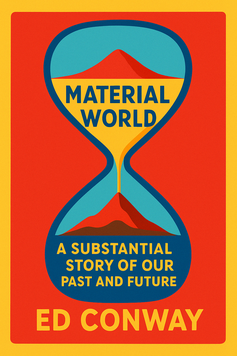
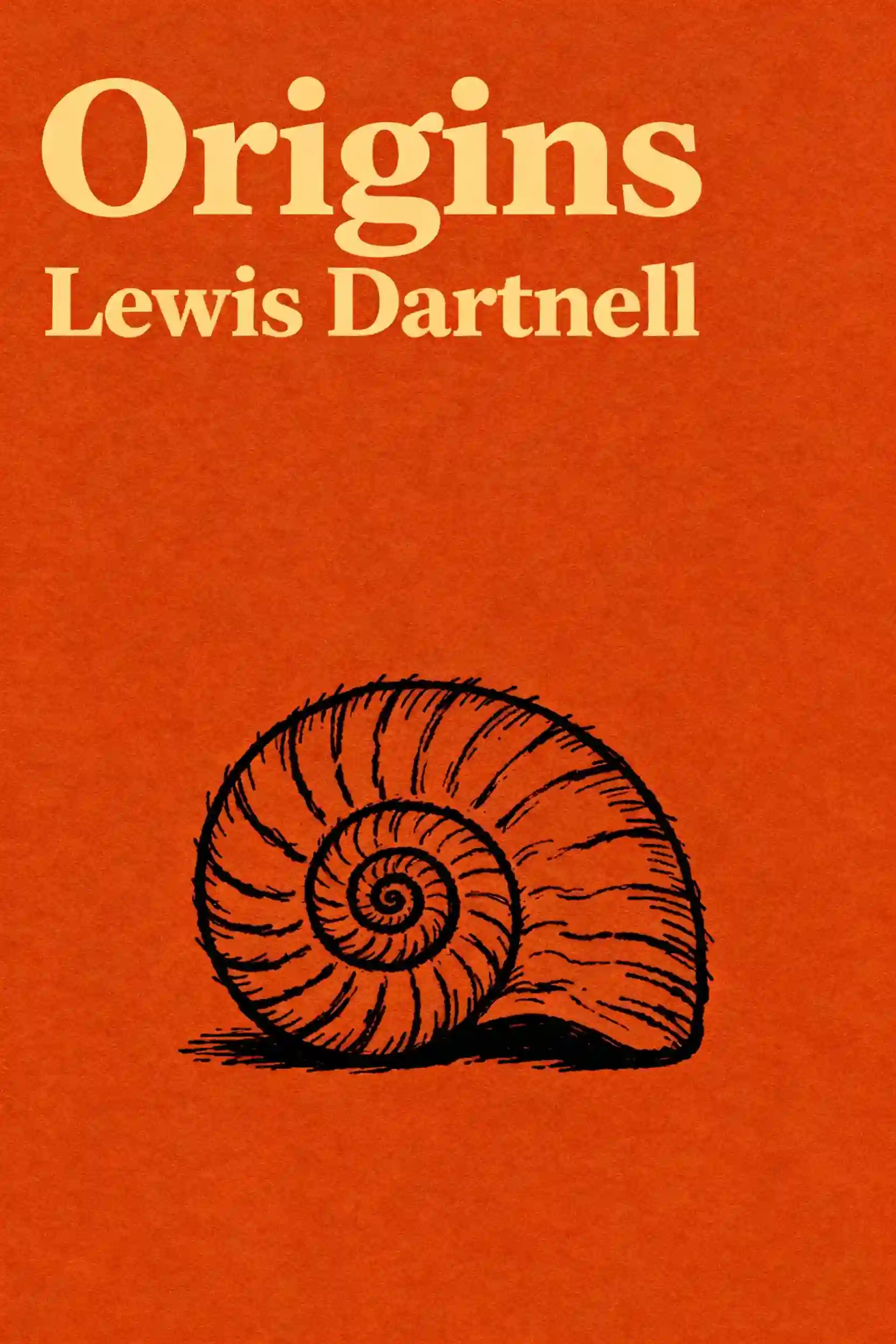
Discover more

Study Bronze Age to Industry
Study Bronze Age to Industry
This comprehensive historical journey is essential for anyone seeking to understand how modern society came to be. It's particularly valuable for students, professionals in policy or business, and lifelong learners who want to contextualize current events and technological changes within broader historical patterns. By connecting ancient innovations to industrial transformation, learners gain perspective on how human societies adapt, innovate, and build upon previous generations' achievements.

Material engineering
Material engineering
This plan is essential for aspiring engineers and innovators looking to understand the building blocks of modern technology. It provides a comprehensive bridge from atomic theory to advanced manufacturing and emerging smart materials.

History
History
This plan provides a comprehensive overview of human progress, from the dawn of civilization to the complexities of the modern industrial world. It is ideal for curious minds and aspiring scholars who want to develop the analytical tools necessary to interpret the past and its impact on the present.

钢铁是怎样练成的
钢铁是怎样练成的
在充满不确定性的现代社会,重温经典文学中的意志品质具有极高的现实意义。本课程专为渴望提升抗压能力、在困境中寻求突破的职场人士和文学爱好者设计,旨在通过苏联革命史与经典解读,为学习者构建钢铁般的精神内核。
Ancient civilizations
Ancient civilizations
This learning plan provides essential context for understanding how modern institutions, technologies, and cultural practices emerged from ancient foundations across the globe. It's ideal for history enthusiasts, students, educators, and anyone seeking to develop a more nuanced understanding of human civilization beyond traditional Western-focused narratives. By exploring diverse ancient cultures simultaneously, learners gain critical perspective on how different societies independently developed sophisticated solutions to universal human challenges.

French Industrial Revolution
French Industrial Revolution
This learning plan is essential for anyone seeking to understand how modern economic and social systems emerged from the transformative forces of industrialization. It's particularly valuable for students of European history, economics, political science, and sociology who want to grasp why France's path to modernity differed from Anglo-American models. The content provides crucial context for understanding contemporary issues like labor rights, urbanization, and technological change through their historical origins.
I'm curious about History, Politics, Culture
I'm curious about History, Politics, Culture
This plan is essential for anyone seeking to understand the invisible forces that govern our world, from ancient foundations to modern political systems. It is ideal for lifelong learners and curious minds who want to build a sophisticated framework for analyzing global events and cultural shifts.
Explore Politics, Culture, Investing & Econ
Explore Politics, Culture, Investing & Econ
This learning plan provides a holistic understanding of the invisible forces that govern our world, from social hierarchies to global markets. It is ideal for curious minds and aspiring investors who want to connect the dots between political power, cultural trends, and economic success.
From Columbia University alumni built in San Francisco
"Instead of endless scrolling, I just hit play on BeFreed. It saves me so much time."


"I never knew where to start with nonfiction—BeFreed’s book lists turned into podcasts gave me a clear path."


"Perfect balance between learning and entertainment. Finished ‘Thinking, Fast and Slow’ on my commute this week."
"Crazy how much I learned while walking the dog. BeFreed = small habits → big gains."
"Reading used to feel like a chore. Now it’s just part of my lifestyle."

"Feels effortless compared to reading. I’ve finished 6 books this month already."
"BeFreed turned my guilty doomscrolling into something that feels productive and inspiring."

"BeFreed turned my commute into learning time. 20-min podcasts are perfect for finishing books I never had time for."
"BeFreed replaced my podcast queue. Imagine Spotify for books — that’s it. 🙌"

"It is great for me to learn something from the book without reading it."
"The themed book list podcasts help me connect ideas across authors—like a guided audio journey."
"Makes me feel smarter every time before going to work"
From Columbia University alumni built in San Francisco
"Instead of endless scrolling, I just hit play on BeFreed. It saves me so much time."
"I never knew where to start with nonfiction—BeFreed’s book lists turned into podcasts gave me a clear path."
"Perfect balance between learning and entertainment. Finished ‘Thinking, Fast and Slow’ on my commute this week."
"Crazy how much I learned while walking the dog. BeFreed = small habits → big gains."
"Reading used to feel like a chore. Now it’s just part of my lifestyle."
"Feels effortless compared to reading. I’ve finished 6 books this month already."
"BeFreed turned my guilty doomscrolling into something that feels productive and inspiring."
"BeFreed turned my commute into learning time. 20-min podcasts are perfect for finishing books I never had time for."
"BeFreed replaced my podcast queue. Imagine Spotify for books — that’s it. 🙌"
"It is great for me to learn something from the book without reading it."
"The themed book list podcasts help me connect ideas across authors—like a guided audio journey."
"Makes me feel smarter every time before going to work"
"Instead of endless scrolling, I just hit play on BeFreed. It saves me so much time."
"I never knew where to start with nonfiction—BeFreed’s book lists turned into podcasts gave me a clear path."
"Perfect balance between learning and entertainment. Finished ‘Thinking, Fast and Slow’ on my commute this week."
"Crazy how much I learned while walking the dog. BeFreed = small habits → big gains."
"Reading used to feel like a chore. Now it’s just part of my lifestyle."
"Feels effortless compared to reading. I’ve finished 6 books this month already."
"BeFreed turned my guilty doomscrolling into something that feels productive and inspiring."
"BeFreed turned my commute into learning time. 20-min podcasts are perfect for finishing books I never had time for."
"BeFreed replaced my podcast queue. Imagine Spotify for books — that’s it. 🙌"
"It is great for me to learn something from the book without reading it."
"The themed book list podcasts help me connect ideas across authors—like a guided audio journey."
"Makes me feel smarter every time before going to work"
"Instead of endless scrolling, I just hit play on BeFreed. It saves me so much time."
"I never knew where to start with nonfiction—BeFreed’s book lists turned into podcasts gave me a clear path."
"Perfect balance between learning and entertainment. Finished ‘Thinking, Fast and Slow’ on my commute this week."
"Crazy how much I learned while walking the dog. BeFreed = small habits → big gains."
"Reading used to feel like a chore. Now it’s just part of my lifestyle."
"Feels effortless compared to reading. I’ve finished 6 books this month already."
"BeFreed turned my guilty doomscrolling into something that feels productive and inspiring."
"BeFreed turned my commute into learning time. 20-min podcasts are perfect for finishing books I never had time for."
"BeFreed replaced my podcast queue. Imagine Spotify for books — that’s it. 🙌"
"It is great for me to learn something from the book without reading it."
"The themed book list podcasts help me connect ideas across authors—like a guided audio journey."
"Makes me feel smarter every time before going to work"


