
Invasive power dynamics and the snake in your home
When a guest treats your privacy as a game, your home stops feeling safe. Learn to decode these invasive tactics and reclaim your sense of peace.

Best quote from Invasive power dynamics and the snake in your home
Your gut—that intuition—is usually picking up on the weaponized ambiguity; he’s being just weird enough to be scary, but just 'normal' enough that if you bring it up, he can act like you’re the one being dramatic.

This audio lesson was created by a BeFreed community member
My brother in law is a very money hungry person he is mean to my sister Erika but now that I feel comfortable in my own home I catch him watching me through my window and then throwing something in the trash to make sure I hear him. Evrte he is playing game and when I find out the game he is the one that shows up after or a little before I’ve figured out the game I’m starting to think he’s the snake or both

Frequently Asked Questions
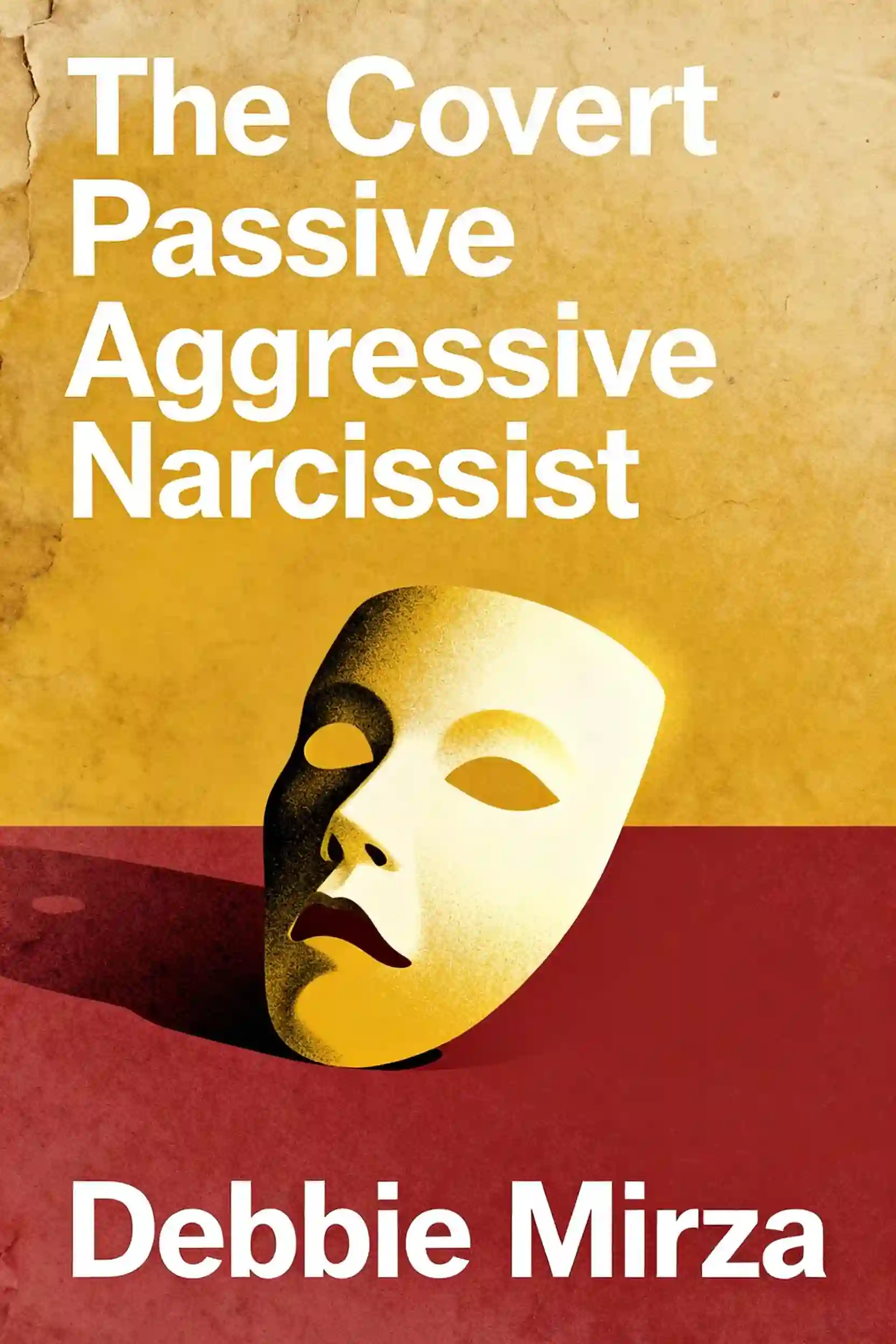
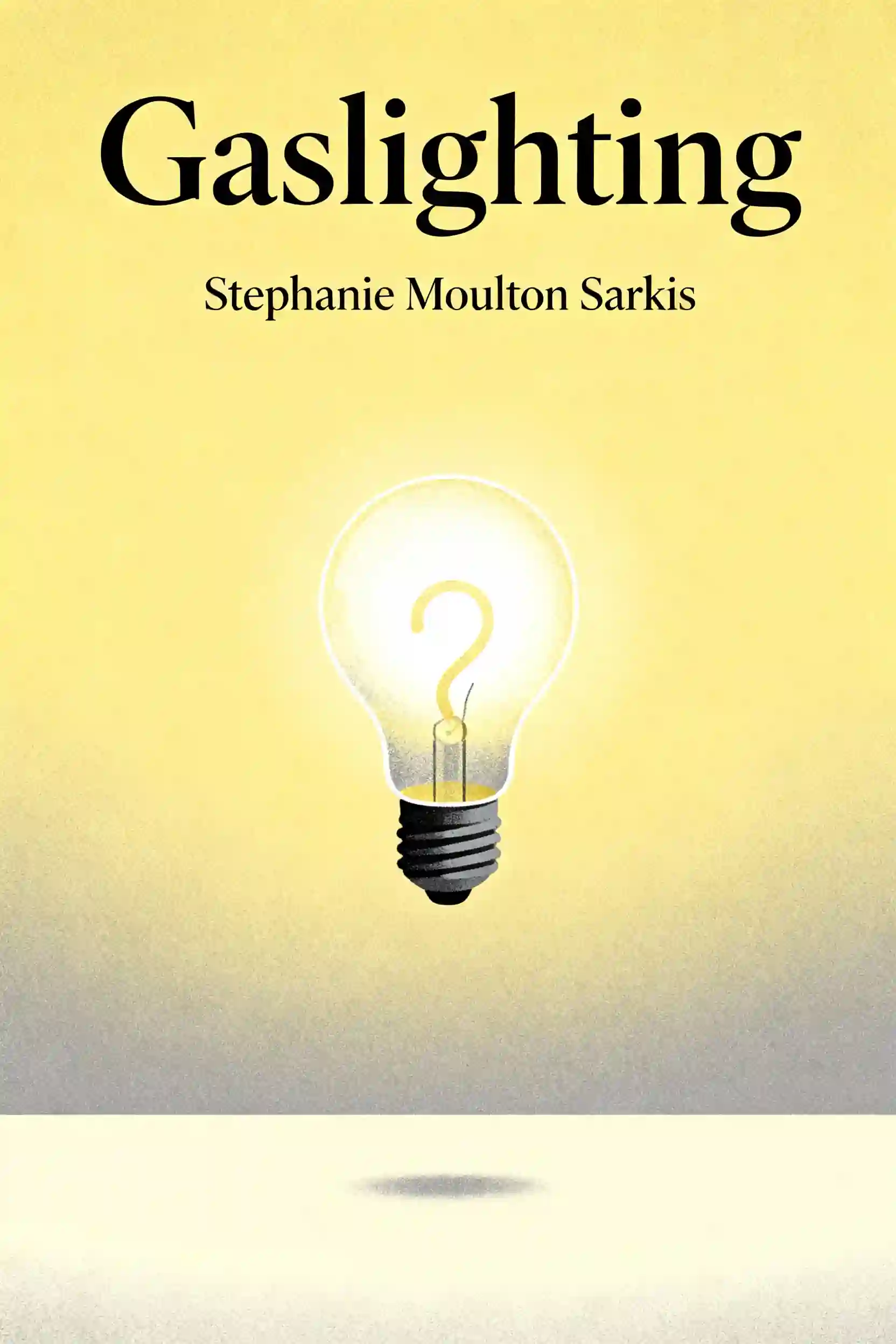
According to the script, these individuals often use systematic tactics like "surveillance and monitoring" to create internal instability. Key behaviors include boundary testing—such as looking through windows or entering private spaces—and using "noise as dominance," like slamming drawers or throwing trash specifically to startle others. These actions are often paired with "weaponized ambiguity," where the person acts just "normal" enough that they can dismiss your concerns as paranoia or overreaction if confronted.
This is a high-level manipulation tactic often involving "predictive monitoring" or "intermittent reinforcement." The script suggests that the manipulator senses when a victim is catching on and pops up to "reset" the dynamic or change the rules. In some modern cases, this "one step ahead" behavior may be fueled by "technology-enabled abuse," where the individual monitors digital activity or location sharing to know exactly when to intervene and maintain psychological confusion.
The "Grey Rock" method is a tactical communication style used to make yourself uninteresting to a predator. By keeping your responses bland, brief, and purely factual—using simple "yes" or "no" answers without explaining or defending yourself—you starve the manipulator of the emotional "supply" or reaction they crave. When a manipulator can no longer trigger a response, they often eventually move on to look for an easier target.
The script recommends keeping a "neutral, factual log" that includes the date, time, specific actions, witnesses, and how the incident made you feel. This serves as a "reality re-anchoring" tool to combat gaslighting. It is advised to do this quietly and to prioritize "digital safety" by changing passwords and checking for spyware on a safe device, rather than engaging in a direct, high-stakes confrontation which a malignant person may meet with rage or "financial retaliation."
Manipulators often use "covert aggression" and "audience dynamics" to maintain a charming or helpful image for the rest of the family while being cold or punishing toward their specific target. This creates "triangulation" and isolation. The script suggests building a support system outside of the manipulator's influence and being very careful about which family members you confide in, as "flying monkeys" may simply report your concerns back to the manipulator, leading to a "smear campaign."
Discover more

Mind games 😞
Mind games 😞
In an era of complex social dynamics, understanding psychological manipulation is essential for personal safety and mental health. This plan is designed for anyone seeking to reclaim their agency and protect themselves from toxic individuals in professional or personal settings.

Dark psychology
Dark psychology
In an increasingly complex social landscape, understanding the hidden mechanics of influence is essential for self-protection. This plan is designed for individuals seeking to safeguard their mental well-being by mastering the art of identifying and neutralizing manipulative behaviors.
Revenging a manipulator
Revenging a manipulator
This plan is essential for anyone seeking to break free from toxic cycles and reclaim their autonomy. It provides a strategic roadmap for victims of manipulation to transform into empowered survivors through psychological mastery and boundary setting.

Manipulation
Manipulation
This plan is essential for anyone looking to navigate complex social dynamics and protect their mental well-being from predatory behavior. It is particularly beneficial for individuals recovering from toxic environments or professionals seeking to master ethical persuasion while maintaining strong personal boundaries.
Reduce jealousy & insecurity
Reduce jealousy & insecurity
Jealousy and insecurity damage even the strongest relationships, leaving you trapped in cycles of doubt and fear. This learning plan helps anyone struggling with relationship anxiety, low self-worth, or trust issues develop the emotional security needed for healthy, fulfilling connections. Whether you're healing from past relationships or building better patterns for the future, these skills are essential for lasting personal growth.

Manage toxic people & set healthy boundaries
Manage toxic people & set healthy boundaries
This plan is designed for individuals feeling drained by manipulative personalities or struggling to maintain personal space. It provides the essential tools to transition from being a victim of toxic patterns to a confident communicator with strong emotional safeguards.
Reclaim power and clear negative thoughts.
Reclaim power and clear negative thoughts.
This learning plan is essential for individuals feeling drained by self-criticism and a lack of personal boundaries. It offers a structured path for anyone looking to transition from reactive people-pleasing to proactive, self-assured leadership of their own life.

To understand human tactics
To understand human tactics
This plan is essential for professionals and individuals seeking to master social dynamics and protect themselves from manipulation. It provides a comprehensive toolkit for anyone looking to improve their influence, communication, and psychological resilience.
From Columbia University alumni built in San Francisco
"Instead of endless scrolling, I just hit play on BeFreed. It saves me so much time."


"I never knew where to start with nonfiction—BeFreed’s book lists turned into podcasts gave me a clear path."


"Perfect balance between learning and entertainment. Finished ‘Thinking, Fast and Slow’ on my commute this week."
"Crazy how much I learned while walking the dog. BeFreed = small habits → big gains."
"Reading used to feel like a chore. Now it’s just part of my lifestyle."

"Feels effortless compared to reading. I’ve finished 6 books this month already."
"BeFreed turned my guilty doomscrolling into something that feels productive and inspiring."

"BeFreed turned my commute into learning time. 20-min podcasts are perfect for finishing books I never had time for."
"BeFreed replaced my podcast queue. Imagine Spotify for books — that’s it. 🙌"

"It is great for me to learn something from the book without reading it."
"The themed book list podcasts help me connect ideas across authors—like a guided audio journey."
"Makes me feel smarter every time before going to work"
From Columbia University alumni built in San Francisco
"Instead of endless scrolling, I just hit play on BeFreed. It saves me so much time."
"I never knew where to start with nonfiction—BeFreed’s book lists turned into podcasts gave me a clear path."
"Perfect balance between learning and entertainment. Finished ‘Thinking, Fast and Slow’ on my commute this week."
"Crazy how much I learned while walking the dog. BeFreed = small habits → big gains."
"Reading used to feel like a chore. Now it’s just part of my lifestyle."
"Feels effortless compared to reading. I’ve finished 6 books this month already."
"BeFreed turned my guilty doomscrolling into something that feels productive and inspiring."
"BeFreed turned my commute into learning time. 20-min podcasts are perfect for finishing books I never had time for."
"BeFreed replaced my podcast queue. Imagine Spotify for books — that’s it. 🙌"
"It is great for me to learn something from the book without reading it."
"The themed book list podcasts help me connect ideas across authors—like a guided audio journey."
"Makes me feel smarter every time before going to work"
"Instead of endless scrolling, I just hit play on BeFreed. It saves me so much time."
"I never knew where to start with nonfiction—BeFreed’s book lists turned into podcasts gave me a clear path."
"Perfect balance between learning and entertainment. Finished ‘Thinking, Fast and Slow’ on my commute this week."
"Crazy how much I learned while walking the dog. BeFreed = small habits → big gains."
"Reading used to feel like a chore. Now it’s just part of my lifestyle."
"Feels effortless compared to reading. I’ve finished 6 books this month already."
"BeFreed turned my guilty doomscrolling into something that feels productive and inspiring."
"BeFreed turned my commute into learning time. 20-min podcasts are perfect for finishing books I never had time for."
"BeFreed replaced my podcast queue. Imagine Spotify for books — that’s it. 🙌"
"It is great for me to learn something from the book without reading it."
"The themed book list podcasts help me connect ideas across authors—like a guided audio journey."
"Makes me feel smarter every time before going to work"
"Instead of endless scrolling, I just hit play on BeFreed. It saves me so much time."
"I never knew where to start with nonfiction—BeFreed’s book lists turned into podcasts gave me a clear path."
"Perfect balance between learning and entertainment. Finished ‘Thinking, Fast and Slow’ on my commute this week."
"Crazy how much I learned while walking the dog. BeFreed = small habits → big gains."
"Reading used to feel like a chore. Now it’s just part of my lifestyle."
"Feels effortless compared to reading. I’ve finished 6 books this month already."
"BeFreed turned my guilty doomscrolling into something that feels productive and inspiring."
"BeFreed turned my commute into learning time. 20-min podcasts are perfect for finishing books I never had time for."
"BeFreed replaced my podcast queue. Imagine Spotify for books — that’s it. 🙌"
"It is great for me to learn something from the book without reading it."
"The themed book list podcasts help me connect ideas across authors—like a guided audio journey."
"Makes me feel smarter every time before going to work"


