
Internet arguments and why they get so unhinged
Why do online debates spiral into chaos so quickly? We break down the logic behind digital meltdowns and how to protect your sanity from bad takes.

Best quote from Internet arguments and why they get so unhinged
The internet isn’t just a place where people happen to be angry—it’s actually a factory designed to produce that anger, where the algorithm was literally told that an angry person is five times more valuable than a happy one.

This audio lesson was created by a BeFreed community member
The hosts debate dumb arguments on the internet.

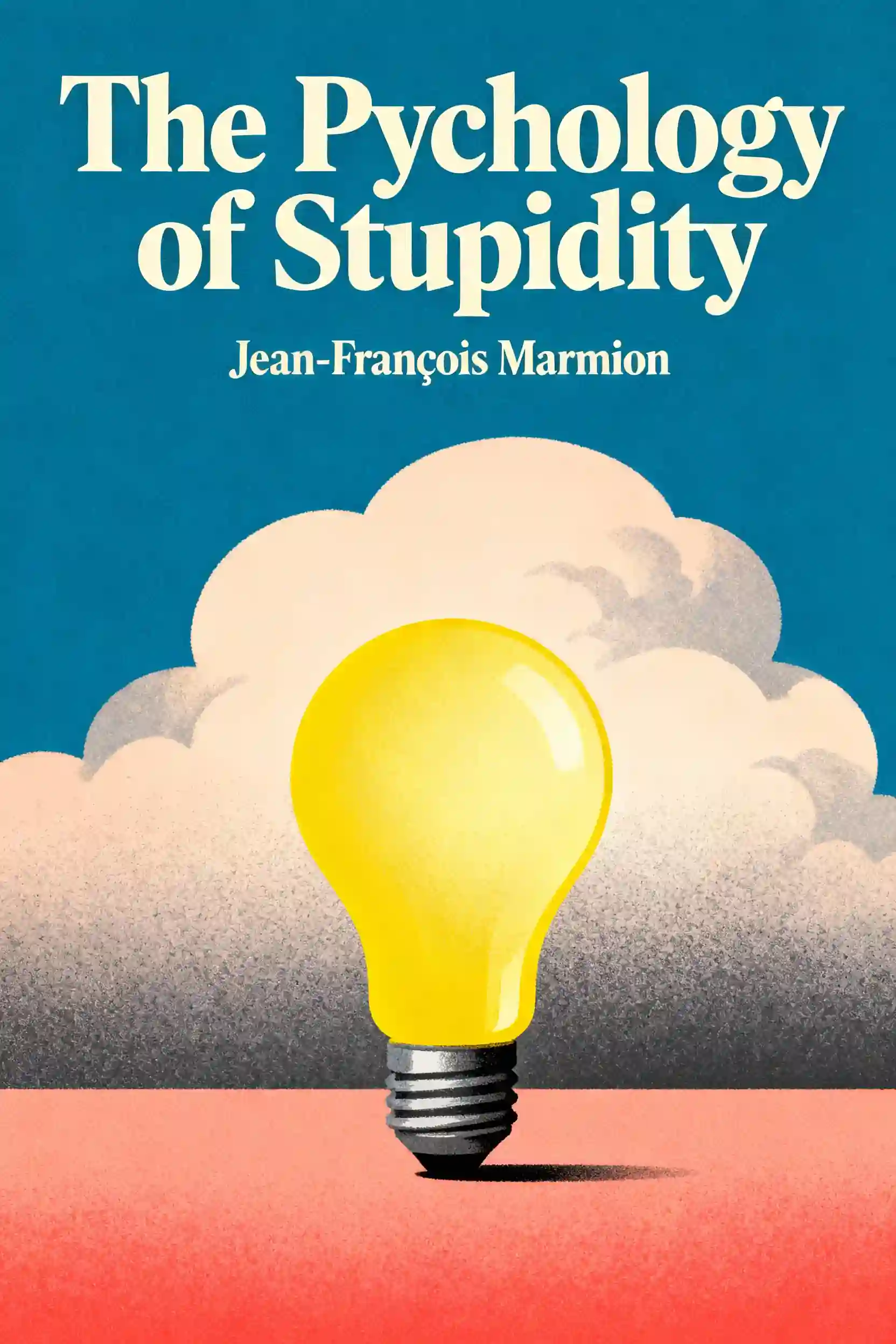
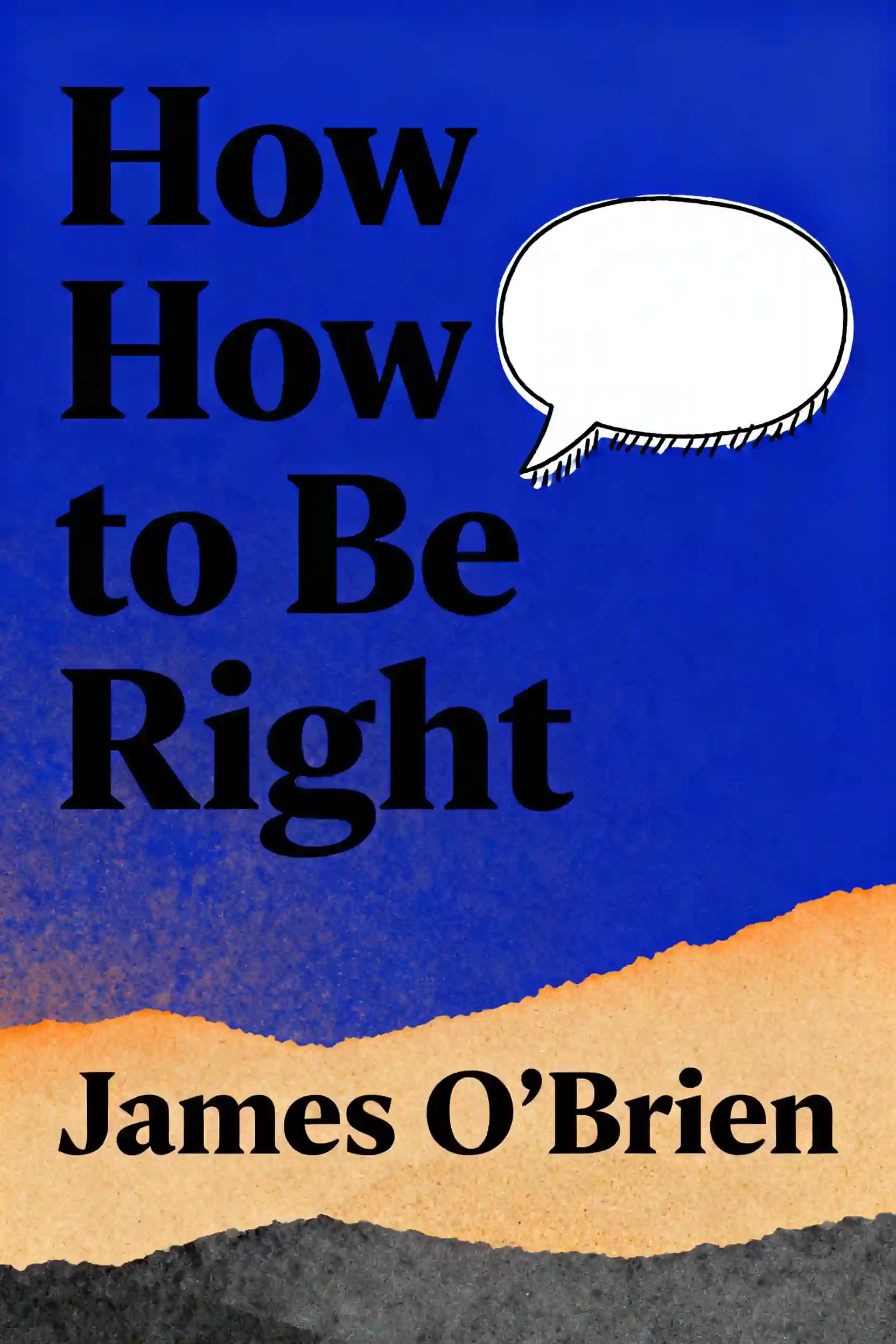
Frequently Asked Questions
The internet functions as a "dissent factory" because of the way social media algorithms are designed. Platforms have historically prioritized high-arousal emotions because they drive engagement, which is more profitable for them. For example, between 2017 and 2021, Facebook’s algorithm gave the "Angry" reaction five times the weight of a regular "Like," essentially valuing an angry user five times more than a happy one. This creates a "Social Validation Feedback Loop" where users are rewarded with dopamine hits in the form of likes and shares for posting inflammatory content.
Rage bait is content created specifically to provoke anger so that users will interact with it through clicks, comments, or shares. This tactic exploits our "negativity bias," an evolutionary trait that primes humans to pay more attention to potential threats than positive information. Online, this manifests as "anger clicking," where users repeatedly engage with frustrating content. Research from MIT shows that false information—often designed to be outrageous—is 70 percent more likely to be shared and spreads six times faster than the truth.
Disproof by fallacy occurs when someone assumes a conclusion must be false simply because the argument used to support it contains a logical error. While a person might use a "bad" argument—such as an Ad Hominem attack or a Straw Man—the underlying fact they are trying to prove could still be true. It is important to distinguish between the "validity" of the logic and the "soundness" of the facts. Winning a point on the structure of an argument does not automatically mean you have disproven the conclusion itself.
A bad faith argument is one where the participant is not actually seeking the truth but is instead trying to "win," stall, or get a reaction. Common markers include the use of "vague targets," where someone attacks broad concepts like "the mainstream" without specific facts, and "Whataboutism," which redirects a direct question toward an unrelated grievance. Another sign is the "Straw Man" tactic, where a person misrepresents your nuanced position as an extreme version that is easier to attack.
One effective method is the "Claim–Evidence–Link" test: identify the claim, look at the evidence, and ask if the evidence actually implies the claim without relying on emotional appeals. Another strategy is "Steel-manning," which involves stating your opponent's argument in its strongest possible form before responding to it. Additionally, slowing down the exchange can help; introducing a time delay allows the emotional investment to fade, making the structural failures of a "dumb" argument much more obvious.
Discover more

Learn key logical fallacies
Learn key logical fallacies
In an age of viral misinformation, persuasive social media, and polarized debates, the ability to think critically and spot flawed reasoning is essential. This learning plan is ideal for anyone who wants to make better decisions, avoid being manipulated, engage in more productive discussions, or simply understand how arguments actually work—from students and professionals to concerned citizens navigating today's information landscape.

How to argue
How to argue
Effective argumentation is a foundational skill for success in any field where ideas matter—from business negotiations to academic discourse to everyday relationships. This learning plan benefits professionals seeking to influence stakeholders, students developing critical thinking abilities, and anyone who wants to communicate more persuasively while maintaining intellectual integrity and fostering genuine understanding.

Make better religious arguments
Make better religious arguments
In an era of increasing polarization, the ability to articulate faith through reason is a vital skill for clergy, students, and curious laypeople. This plan bridges the gap between ancient wisdom and modern skepticism, offering a structured path to mastering the art of theological discourse.

Read academic articles vs Facebook posts
Read academic articles vs Facebook posts
In an era where social media algorithms prioritize engagement over accuracy, the ability to distinguish credible research from misinformation is essential for making informed decisions. This learning plan is ideal for anyone tired of falling for misleading headlines and wanting to develop critical thinking skills to navigate the overwhelming amount of information online with confidence and discernment.

Stop Fighting and Start Connecting
Stop Fighting and Start Connecting
Conflict is inevitable in relationships, but how we handle it determines whether it damages or strengthens our connections. This learning plan provides practical tools for anyone struggling with recurring arguments, communication breakdowns, or the desire to build more authentic and resilient relationships.
Explore Tech, Culture, Identity & Wellness
Explore Tech, Culture, Identity & Wellness
In an era of constant connectivity, maintaining a sense of self and mental clarity is a vital skill. This plan is designed for anyone feeling overwhelmed by digital noise who wants to reclaim their focus and build a healthier, more intentional relationship with technology.
Don't Doom Scroll
Don't Doom Scroll
This learning plan addresses the growing crisis of attention fragmentation and digital addiction that affects millions who find themselves trapped in cycles of compulsive news and social media consumption. It's ideal for anyone who feels their relationship with technology has become unhealthy, professionals struggling to maintain focus, or individuals seeking to reclaim their time and mental energy from the endless scroll.
Social media effects review
Social media effects review
Social media has become deeply embedded in daily life, yet most users remain unaware of its engineered design and far-reaching consequences on mental health and society. This learning plan is essential for anyone who uses social media and wants to understand its true impact while developing practical strategies to navigate the digital world more mindfully and intentionally.
From Columbia University alumni built in San Francisco
"Instead of endless scrolling, I just hit play on BeFreed. It saves me so much time."


"I never knew where to start with nonfiction—BeFreed’s book lists turned into podcasts gave me a clear path."


"Perfect balance between learning and entertainment. Finished ‘Thinking, Fast and Slow’ on my commute this week."
"Crazy how much I learned while walking the dog. BeFreed = small habits → big gains."
"Reading used to feel like a chore. Now it’s just part of my lifestyle."

"Feels effortless compared to reading. I’ve finished 6 books this month already."
"BeFreed turned my guilty doomscrolling into something that feels productive and inspiring."

"BeFreed turned my commute into learning time. 20-min podcasts are perfect for finishing books I never had time for."
"BeFreed replaced my podcast queue. Imagine Spotify for books — that’s it. 🙌"

"It is great for me to learn something from the book without reading it."
"The themed book list podcasts help me connect ideas across authors—like a guided audio journey."
"Makes me feel smarter every time before going to work"
From Columbia University alumni built in San Francisco
"Instead of endless scrolling, I just hit play on BeFreed. It saves me so much time."
"I never knew where to start with nonfiction—BeFreed’s book lists turned into podcasts gave me a clear path."
"Perfect balance between learning and entertainment. Finished ‘Thinking, Fast and Slow’ on my commute this week."
"Crazy how much I learned while walking the dog. BeFreed = small habits → big gains."
"Reading used to feel like a chore. Now it’s just part of my lifestyle."
"Feels effortless compared to reading. I’ve finished 6 books this month already."
"BeFreed turned my guilty doomscrolling into something that feels productive and inspiring."
"BeFreed turned my commute into learning time. 20-min podcasts are perfect for finishing books I never had time for."
"BeFreed replaced my podcast queue. Imagine Spotify for books — that’s it. 🙌"
"It is great for me to learn something from the book without reading it."
"The themed book list podcasts help me connect ideas across authors—like a guided audio journey."
"Makes me feel smarter every time before going to work"
"Instead of endless scrolling, I just hit play on BeFreed. It saves me so much time."
"I never knew where to start with nonfiction—BeFreed’s book lists turned into podcasts gave me a clear path."
"Perfect balance between learning and entertainment. Finished ‘Thinking, Fast and Slow’ on my commute this week."
"Crazy how much I learned while walking the dog. BeFreed = small habits → big gains."
"Reading used to feel like a chore. Now it’s just part of my lifestyle."
"Feels effortless compared to reading. I’ve finished 6 books this month already."
"BeFreed turned my guilty doomscrolling into something that feels productive and inspiring."
"BeFreed turned my commute into learning time. 20-min podcasts are perfect for finishing books I never had time for."
"BeFreed replaced my podcast queue. Imagine Spotify for books — that’s it. 🙌"
"It is great for me to learn something from the book without reading it."
"The themed book list podcasts help me connect ideas across authors—like a guided audio journey."
"Makes me feel smarter every time before going to work"
"Instead of endless scrolling, I just hit play on BeFreed. It saves me so much time."
"I never knew where to start with nonfiction—BeFreed’s book lists turned into podcasts gave me a clear path."
"Perfect balance between learning and entertainment. Finished ‘Thinking, Fast and Slow’ on my commute this week."
"Crazy how much I learned while walking the dog. BeFreed = small habits → big gains."
"Reading used to feel like a chore. Now it’s just part of my lifestyle."
"Feels effortless compared to reading. I’ve finished 6 books this month already."
"BeFreed turned my guilty doomscrolling into something that feels productive and inspiring."
"BeFreed turned my commute into learning time. 20-min podcasts are perfect for finishing books I never had time for."
"BeFreed replaced my podcast queue. Imagine Spotify for books — that’s it. 🙌"
"It is great for me to learn something from the book without reading it."
"The themed book list podcasts help me connect ideas across authors—like a guided audio journey."
"Makes me feel smarter every time before going to work"


