
Evolution of Homo Sapiens: From Common Ancestors to Modern Humans
Explore the evolution of Homo sapiens, from bipedalism and fire use to global migrations and interbreeding with Neanderthals. Discover our ancient ancestors.

Best quote from Evolution of Homo Sapiens: From Common Ancestors to Modern Humans
We didn't just replace these other species; we swallowed them up, carrying their genetic wisdom forward into the modern age.

This audio lesson was created by a BeFreed community member
Evolution of Homo sapiens, from our common ancestors with chimpanzees. Include migrations, walking upright, using fire, tribes, species cross breeding, how species were discovered etc

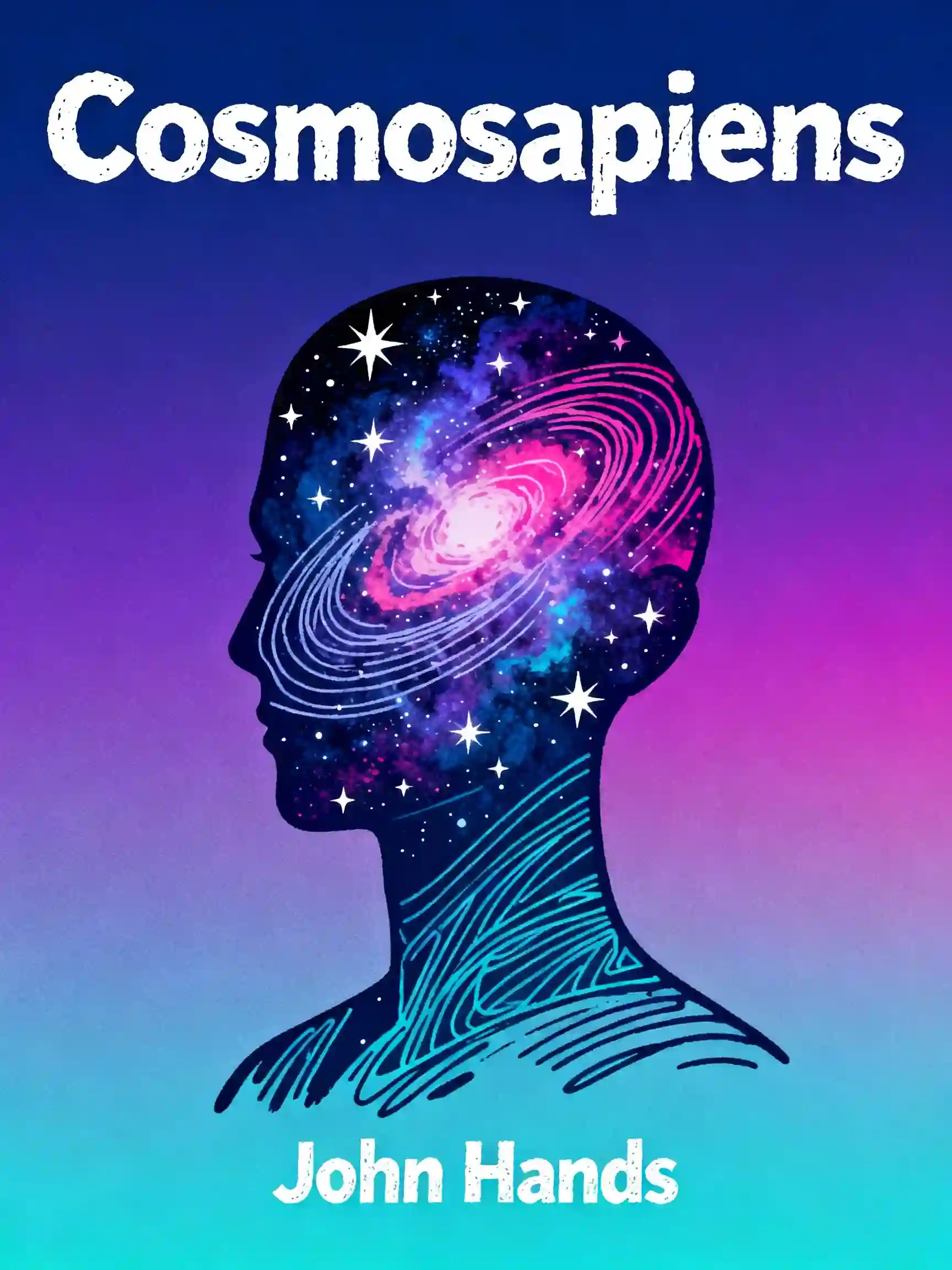
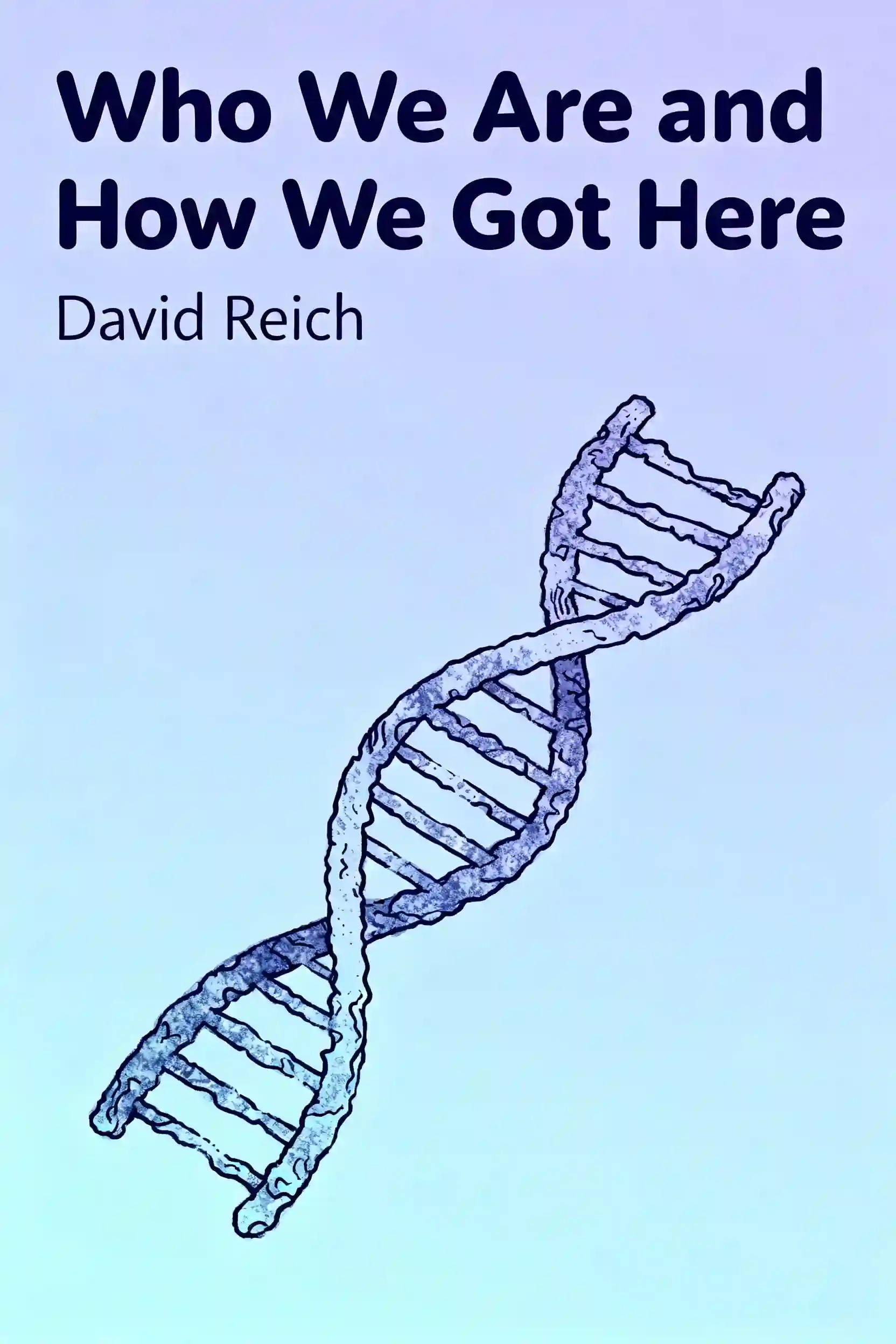
Frequently Asked Questions
The evolution of Homo sapiens began millions of years ago following the split from our common ancestors with chimpanzees. Key milestones in this journey included the development of bipedalism, which allowed early human ancestors to walk upright, and a significant increase in brain size. Over time, these lineages developed complex behaviors such as the history of fire use and the formation of early human tribes, eventually leading to the emergence of modern humans who migrated out of Africa to inhabit the entire globe.
Genetic research and the discovery of human species through fossil records have revealed that Homo sapiens did not evolve in total isolation. As modern humans migrated into Europe and Asia, they encountered other hominid groups. Evidence shows significant interbreeding with Neanderthals and Denisovans, meaning modern human DNA contains traces of these extinct relatives. This cross-breeding likely helped our ancestors adapt to new environments and diseases as they settled in diverse climates across the world.
The discovery of human species is a result of decades of archaeological excavations and advancements in paleoanthropology. Scientists identify human ancestors by analyzing fossilized remains, such as skulls and limb bones, which provide evidence of bipedalism and cranial capacity. Additionally, the study of stone tools and charred remains helps researchers determine the history of fire use and social structures. Modern DNA sequencing of ancient bones has further revolutionized our understanding of how various species coexisted and interacted.
Bipedalism was a transformative adaptation that freed the hands for tool use and allowed for more efficient long-distance travel during human migrations. Similarly, the history of fire use provided a way to cook food, which increased nutrient intake and supported brain growth. Fire also offered protection from predators and a central point for early human tribes to gather, fostering the social cooperation and cultural development that are hallmarks of the Homo sapiens evolution.
Discover more

Explore Human Growth, Science & Society
Explore Human Growth, Science & Society
This plan provides a comprehensive look at what it means to be human, from our evolutionary origins to our technological future. It is ideal for curious minds, educators, or professionals looking to understand the forces that drive human behavior and societal evolution.

History
History
This plan provides a comprehensive overview of human progress, from the dawn of civilization to the complexities of the modern industrial world. It is ideal for curious minds and aspiring scholars who want to develop the analytical tools necessary to interpret the past and its impact on the present.
History, Culture, Science & Innovation
History, Culture, Science & Innovation
This learning plan provides a comprehensive overview of the human journey, bridging the gap between historical foundations and future technological frontiers. It is ideal for curious minds and lifelong learners seeking to understand the intersection of social evolution and scientific advancement.

Milestones in humanity history Philosophy
Milestones in humanity history Philosophy
This learning plan provides a comprehensive overview of how philosophical thought evolved from ancient foundations to modern ethical frontiers. It is ideal for curious minds and students seeking to understand the intellectual milestones that shaped Western civilization and human reasoning.

To learn more about world history.
To learn more about world history.
This learning plan provides a comprehensive overview of the human journey, bridging the gap between ancient foundations and modern complexities. It is ideal for curious minds and students seeking to understand the historical forces and patterns that continue to shape our global society today.

Ancient civilizations from start to finish
Ancient civilizations from start to finish
This plan provides a comprehensive overview of human history, perfect for history enthusiasts and students seeking to understand the roots of modern society. It offers a global perspective on how diverse cultures solved universal problems of governance, law, and social organization.
Explore all stories of our collective history
Explore all stories of our collective history
This comprehensive journey through human history is perfect for curious minds who want to understand where we came from and how past events shape our present. Whether you're a lifelong learner seeking context for current events, a student building foundational knowledge, or simply someone who believes that understanding diverse historical perspectives enriches our appreciation of human achievement and challenges, this learning plan offers an inclusive narrative of our shared past.
From Columbia University alumni built in San Francisco
"Instead of endless scrolling, I just hit play on BeFreed. It saves me so much time."


"I never knew where to start with nonfiction—BeFreed’s book lists turned into podcasts gave me a clear path."


"Perfect balance between learning and entertainment. Finished ‘Thinking, Fast and Slow’ on my commute this week."
"Crazy how much I learned while walking the dog. BeFreed = small habits → big gains."
"Reading used to feel like a chore. Now it’s just part of my lifestyle."

"Feels effortless compared to reading. I’ve finished 6 books this month already."
"BeFreed turned my guilty doomscrolling into something that feels productive and inspiring."

"BeFreed turned my commute into learning time. 20-min podcasts are perfect for finishing books I never had time for."
"BeFreed replaced my podcast queue. Imagine Spotify for books — that’s it. 🙌"

"It is great for me to learn something from the book without reading it."
"The themed book list podcasts help me connect ideas across authors—like a guided audio journey."
"Makes me feel smarter every time before going to work"
From Columbia University alumni built in San Francisco
"Instead of endless scrolling, I just hit play on BeFreed. It saves me so much time."
"I never knew where to start with nonfiction—BeFreed’s book lists turned into podcasts gave me a clear path."
"Perfect balance between learning and entertainment. Finished ‘Thinking, Fast and Slow’ on my commute this week."
"Crazy how much I learned while walking the dog. BeFreed = small habits → big gains."
"Reading used to feel like a chore. Now it’s just part of my lifestyle."
"Feels effortless compared to reading. I’ve finished 6 books this month already."
"BeFreed turned my guilty doomscrolling into something that feels productive and inspiring."
"BeFreed turned my commute into learning time. 20-min podcasts are perfect for finishing books I never had time for."
"BeFreed replaced my podcast queue. Imagine Spotify for books — that’s it. 🙌"
"It is great for me to learn something from the book without reading it."
"The themed book list podcasts help me connect ideas across authors—like a guided audio journey."
"Makes me feel smarter every time before going to work"
"Instead of endless scrolling, I just hit play on BeFreed. It saves me so much time."
"I never knew where to start with nonfiction—BeFreed’s book lists turned into podcasts gave me a clear path."
"Perfect balance between learning and entertainment. Finished ‘Thinking, Fast and Slow’ on my commute this week."
"Crazy how much I learned while walking the dog. BeFreed = small habits → big gains."
"Reading used to feel like a chore. Now it’s just part of my lifestyle."
"Feels effortless compared to reading. I’ve finished 6 books this month already."
"BeFreed turned my guilty doomscrolling into something that feels productive and inspiring."
"BeFreed turned my commute into learning time. 20-min podcasts are perfect for finishing books I never had time for."
"BeFreed replaced my podcast queue. Imagine Spotify for books — that’s it. 🙌"
"It is great for me to learn something from the book without reading it."
"The themed book list podcasts help me connect ideas across authors—like a guided audio journey."
"Makes me feel smarter every time before going to work"
"Instead of endless scrolling, I just hit play on BeFreed. It saves me so much time."
"I never knew where to start with nonfiction—BeFreed’s book lists turned into podcasts gave me a clear path."
"Perfect balance between learning and entertainment. Finished ‘Thinking, Fast and Slow’ on my commute this week."
"Crazy how much I learned while walking the dog. BeFreed = small habits → big gains."
"Reading used to feel like a chore. Now it’s just part of my lifestyle."
"Feels effortless compared to reading. I’ve finished 6 books this month already."
"BeFreed turned my guilty doomscrolling into something that feels productive and inspiring."
"BeFreed turned my commute into learning time. 20-min podcasts are perfect for finishing books I never had time for."
"BeFreed replaced my podcast queue. Imagine Spotify for books — that’s it. 🙌"
"It is great for me to learn something from the book without reading it."
"The themed book list podcasts help me connect ideas across authors—like a guided audio journey."
"Makes me feel smarter every time before going to work"


