
Human consciousness and the boundaries of reality
We assume our awareness is fixed, but our brains are flexible. Discover how neurobiology shifts your perception and how to navigate these states.

Best quote from Human consciousness and the boundaries of reality
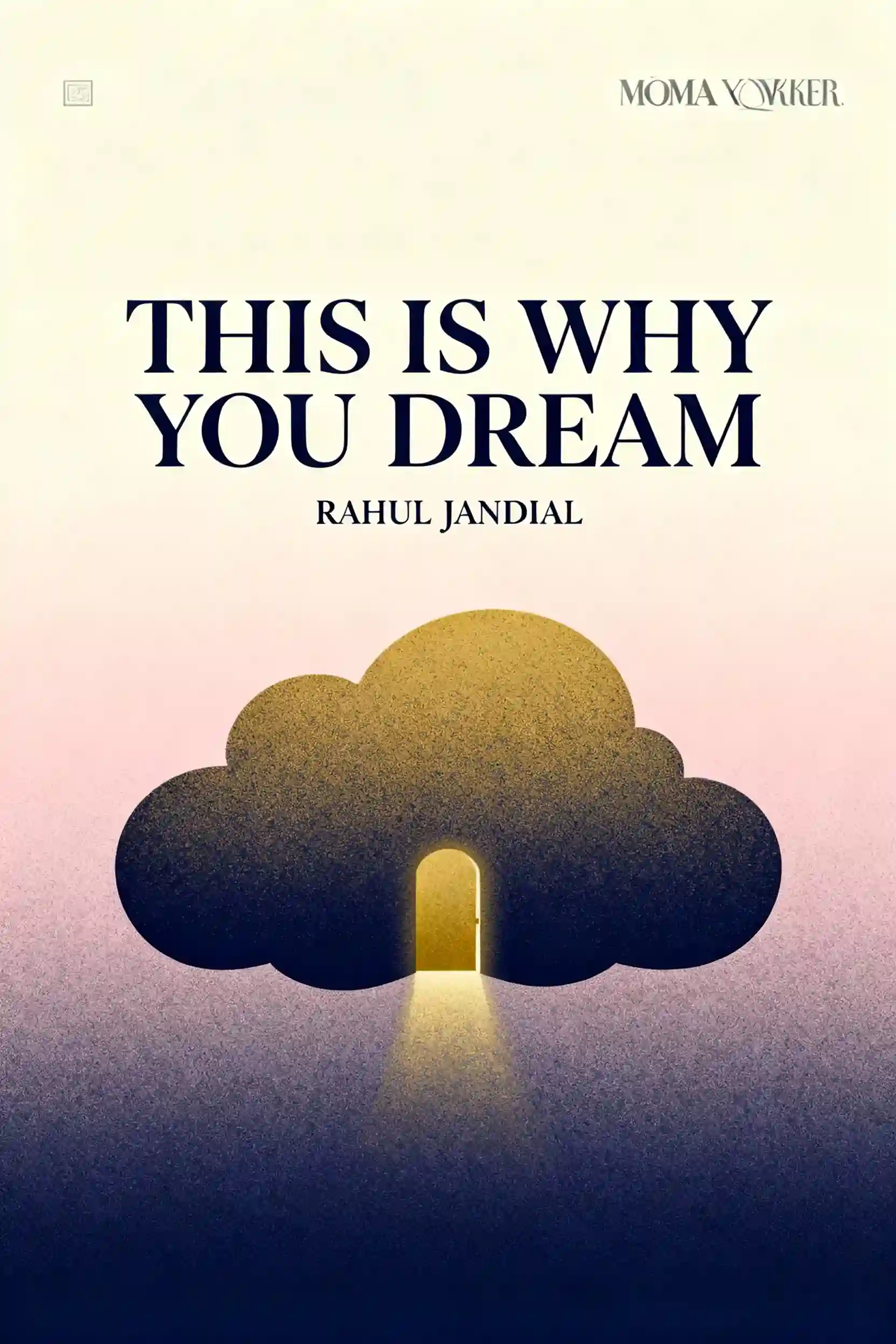
Normal consciousness is essentially a very controlled, very efficient hallucination that matches reality well enough to keep us alive; it’s a user interface for reality.

This audio lesson was created by a BeFreed community member
Exploring the boundaries of states of human consciousness.

Frequently Asked Questions
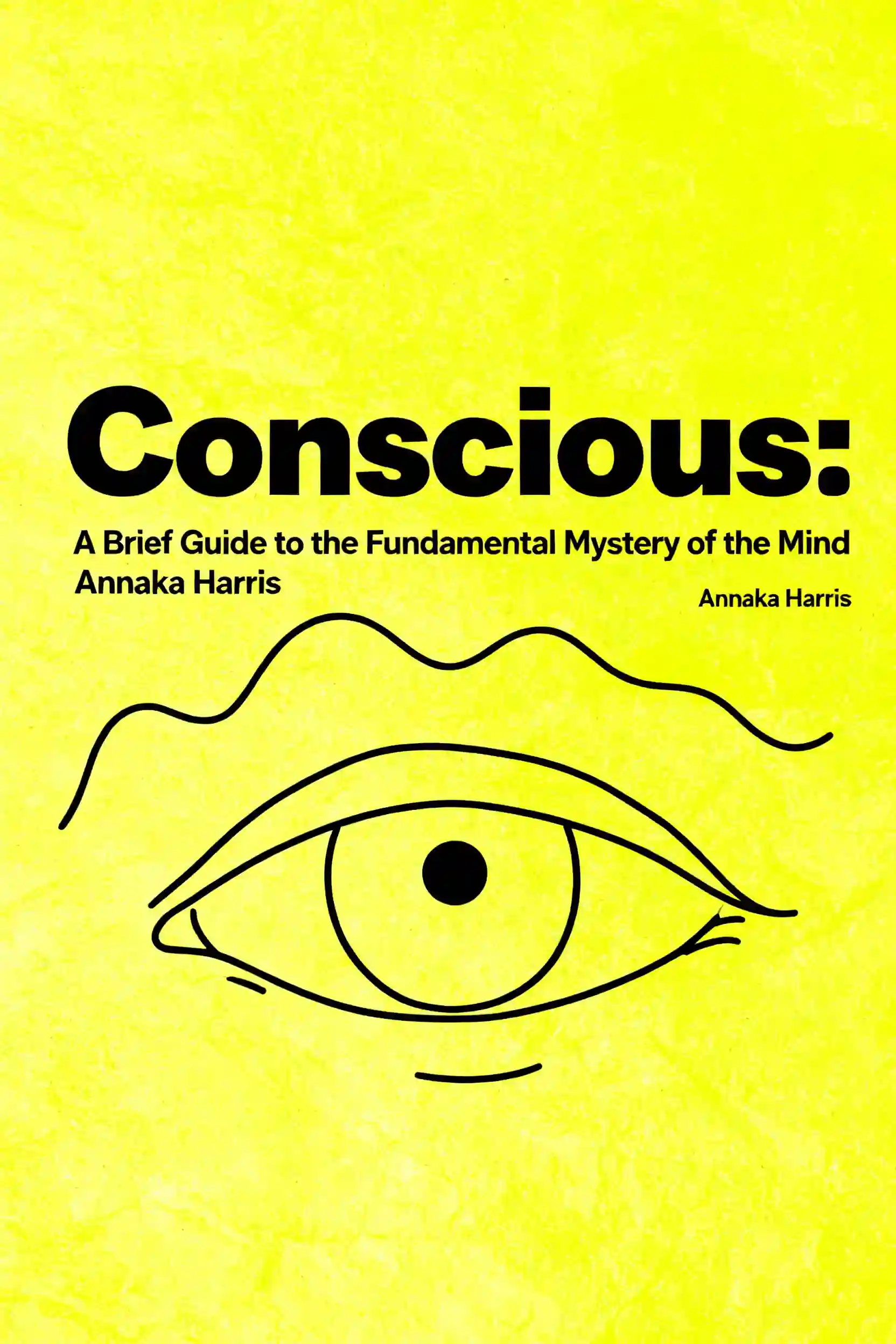
According to the script, the brain is not a passive observer of reality but an active "prediction machine" that generates models of what it expects to find in the world. Instead of simply recording sensory data like a camera, the brain uses high-level beliefs, or "priors," to filter out noise and maintain a stable "baseline" consciousness. This process is designed for efficiency and survival, essentially creating a controlled "user interface" for reality that minimizes prediction errors.
Altered states are explained through the REBUS hypothesis, which stands for "relaxed beliefs under psychedelics." In these states, the top-down "guardrails" or high-level predictions of the brain relax, allowing bottom-up sensory information to flow more freely and "anarchically." This leads to increased "entropy" or complexity in brain activity, enabling parts of the brain that don't usually communicate to engage in "cross-talk," which can result in experiences like synesthesia or a dissolved sense of self.
The thalamus acts as a "switchboard" or "conductor" that orchestrates the state of the brain by managing the integration of information across different regions. It decides which sensory data reaches the cortex and ensures that various parts of the brain play "in sync." When this thalamocortical connectivity is disrupted—such as during deep anesthesia or in disorders of consciousness—the "stitching together" of our unified experience fails, and the complexity of our mental state drops.
While both states involve the "default mode network" (the brain's inner critic) going offline, they represent different paths to the boundaries of consciousness. Flow is described as "extreme alignment" or "transient hypofrontality," where the brain operates with maximum efficiency and a laser-like focus on a task. In contrast, the psychedelic state is "anarchic," acting more like a "floodlight" that destabilizes patterns to allow for new, flexible connections. Flow is a state of optimal arousal where challenge meets skill, whereas the psychedelic state is a more raw, unfiltered experience of sensory data.
"Set and setting" are crucial because when the brain's high-level "priors" are relaxed, the individual becomes extremely sensitive to internal and external signals. Because the brain is in a "pivotal mental state" and looking for a new model to adopt, the environment and the person's intention directly shape the outcome of the experience. A supportive setting can guide the brain toward healing and pro-social "oneness," while a chaotic setting can lead to dread or the "locking in" of maladaptive mental models.
Discover more

Mastering Consciousness & Identity Shift
Mastering Consciousness & Identity Shift
This plan bridges the gap between ancient mindfulness and modern neuroscience for those seeking profound personal evolution. It is ideal for individuals ready to move beyond surface-level habits to fundamentally rewire their sense of self.

Understanding the human mind
Understanding the human mind
This plan bridges the gap between biological neuroscience and behavioral psychology to provide a holistic view of human nature. It is ideal for curious learners, aspiring psychologists, or professionals seeking to understand the hidden drivers behind human interaction and decision-making.

Quantum consciousness
Quantum consciousness
This learning plan bridges the gap between theoretical physics and neuroscience for those seeking to understand the nature of existence. It is ideal for curious thinkers, science enthusiasts, and philosophers eager to explore how subatomic behavior might explain the mystery of human awareness.
Brain & Mind Sciences
Brain & Mind Sciences
The brain sciences represent one of the most dynamic frontiers in modern science, bridging biology, psychology, and philosophy to understand the organ that makes us who we are. This learning plan is ideal for students, healthcare professionals, or anyone fascinated by how our neural architecture shapes our experiences, thoughts, and behaviors.
Mind, Behavior & Human Connection Study
Mind, Behavior & Human Connection Study
This study offers a profound look into the biological and psychological mechanisms that define our humanity. It is ideal for leaders, healthcare professionals, or anyone seeking to deepen their emotional intelligence and influence through the lens of neuroscience.

Neuroscience and research
Neuroscience and research
This learning plan bridges the gap between biological foundations and complex psychological phenomena, making it essential for aspiring researchers or curious minds. It provides a comprehensive overview of how neural structures dictate human experience and the modern methods used to study them.
Study Neuroscience, Philosophy & Psychology
Study Neuroscience, Philosophy & Psychology
This multidisciplinary path bridges the gap between biological science and deep philosophical inquiry. It is ideal for curious minds, students, or professionals seeking to understand the complex relationship between brain function, behavior, and the nature of consciousness.
Explore Mind, Brain, Health & Philosophy
Explore Mind, Brain, Health & Philosophy
This plan bridges the gap between scientific neuroscience and philosophical inquiry to provide a holistic understanding of the human experience. It is ideal for curious learners seeking both intellectual depth and practical tools for mental transformation.
From Columbia University alumni built in San Francisco
"Instead of endless scrolling, I just hit play on BeFreed. It saves me so much time."


"I never knew where to start with nonfiction—BeFreed’s book lists turned into podcasts gave me a clear path."


"Perfect balance between learning and entertainment. Finished ‘Thinking, Fast and Slow’ on my commute this week."
"Crazy how much I learned while walking the dog. BeFreed = small habits → big gains."
"Reading used to feel like a chore. Now it’s just part of my lifestyle."

"Feels effortless compared to reading. I’ve finished 6 books this month already."
"BeFreed turned my guilty doomscrolling into something that feels productive and inspiring."

"BeFreed turned my commute into learning time. 20-min podcasts are perfect for finishing books I never had time for."
"BeFreed replaced my podcast queue. Imagine Spotify for books — that’s it. 🙌"

"It is great for me to learn something from the book without reading it."
"The themed book list podcasts help me connect ideas across authors—like a guided audio journey."
"Makes me feel smarter every time before going to work"
From Columbia University alumni built in San Francisco
"Instead of endless scrolling, I just hit play on BeFreed. It saves me so much time."
"I never knew where to start with nonfiction—BeFreed’s book lists turned into podcasts gave me a clear path."
"Perfect balance between learning and entertainment. Finished ‘Thinking, Fast and Slow’ on my commute this week."
"Crazy how much I learned while walking the dog. BeFreed = small habits → big gains."
"Reading used to feel like a chore. Now it’s just part of my lifestyle."
"Feels effortless compared to reading. I’ve finished 6 books this month already."
"BeFreed turned my guilty doomscrolling into something that feels productive and inspiring."
"BeFreed turned my commute into learning time. 20-min podcasts are perfect for finishing books I never had time for."
"BeFreed replaced my podcast queue. Imagine Spotify for books — that’s it. 🙌"
"It is great for me to learn something from the book without reading it."
"The themed book list podcasts help me connect ideas across authors—like a guided audio journey."
"Makes me feel smarter every time before going to work"
"Instead of endless scrolling, I just hit play on BeFreed. It saves me so much time."
"I never knew where to start with nonfiction—BeFreed’s book lists turned into podcasts gave me a clear path."
"Perfect balance between learning and entertainment. Finished ‘Thinking, Fast and Slow’ on my commute this week."
"Crazy how much I learned while walking the dog. BeFreed = small habits → big gains."
"Reading used to feel like a chore. Now it’s just part of my lifestyle."
"Feels effortless compared to reading. I’ve finished 6 books this month already."
"BeFreed turned my guilty doomscrolling into something that feels productive and inspiring."
"BeFreed turned my commute into learning time. 20-min podcasts are perfect for finishing books I never had time for."
"BeFreed replaced my podcast queue. Imagine Spotify for books — that’s it. 🙌"
"It is great for me to learn something from the book without reading it."
"The themed book list podcasts help me connect ideas across authors—like a guided audio journey."
"Makes me feel smarter every time before going to work"
"Instead of endless scrolling, I just hit play on BeFreed. It saves me so much time."
"I never knew where to start with nonfiction—BeFreed’s book lists turned into podcasts gave me a clear path."
"Perfect balance between learning and entertainment. Finished ‘Thinking, Fast and Slow’ on my commute this week."
"Crazy how much I learned while walking the dog. BeFreed = small habits → big gains."
"Reading used to feel like a chore. Now it’s just part of my lifestyle."
"Feels effortless compared to reading. I’ve finished 6 books this month already."
"BeFreed turned my guilty doomscrolling into something that feels productive and inspiring."
"BeFreed turned my commute into learning time. 20-min podcasts are perfect for finishing books I never had time for."
"BeFreed replaced my podcast queue. Imagine Spotify for books — that’s it. 🙌"
"It is great for me to learn something from the book without reading it."
"The themed book list podcasts help me connect ideas across authors—like a guided audio journey."
"Makes me feel smarter every time before going to work"


