
How to stop rambling and speak more clearly
Struggling to get your point across? Learn why our brains over-explain and how to use the BLUF method to communicate your ideas with more brevity.

Best quote from How to stop rambling and speak more clearly
Clear communication is just a symptom of clear thinking. If you find yourself rambling, it’s often because you’re trying to use your mouth as a search engine to find the point.

This audio lesson was created by a BeFreed community member
I would like to speak and articulate my thoughts better. I want be able to get my ideas across without rambling or cutting myself off

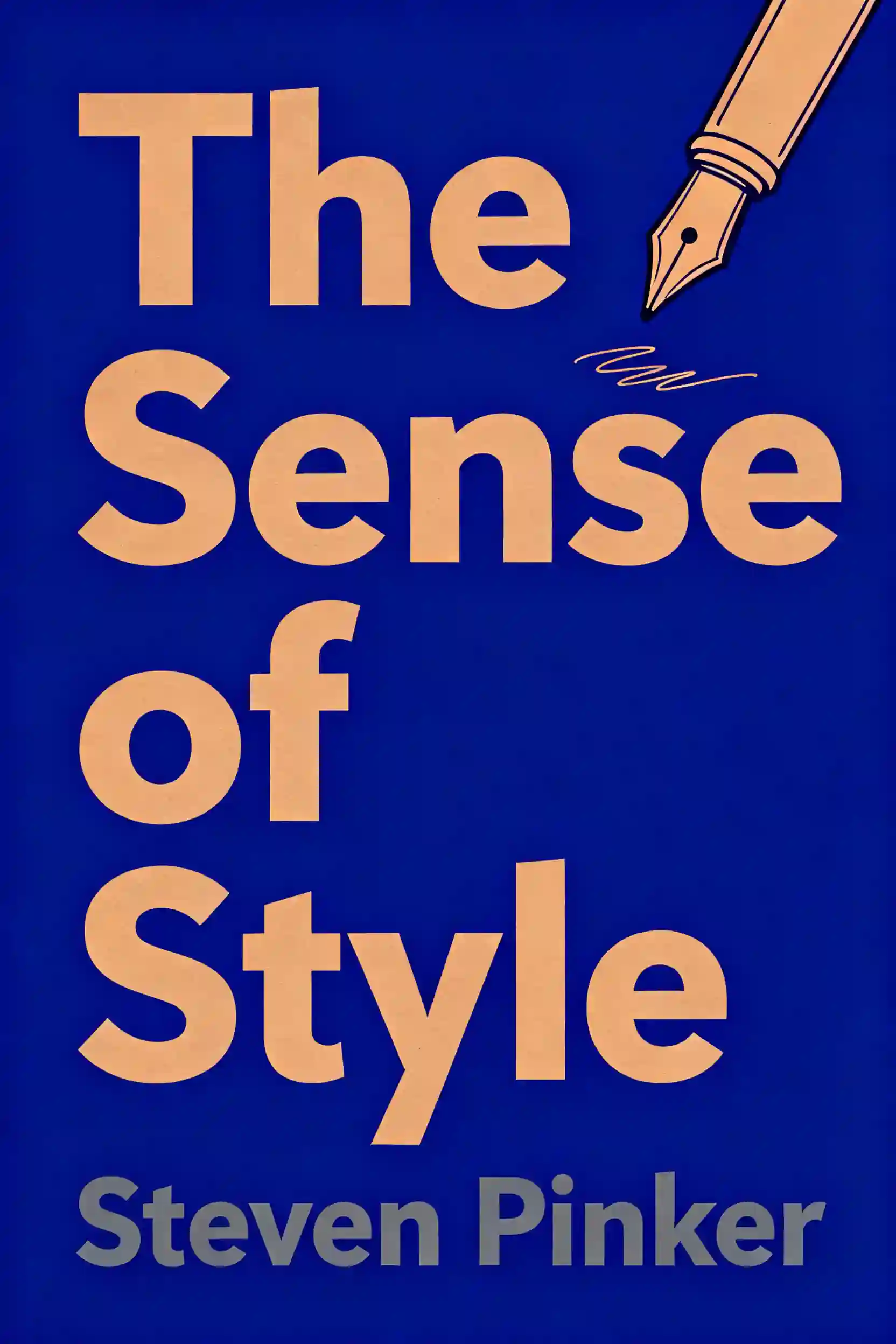
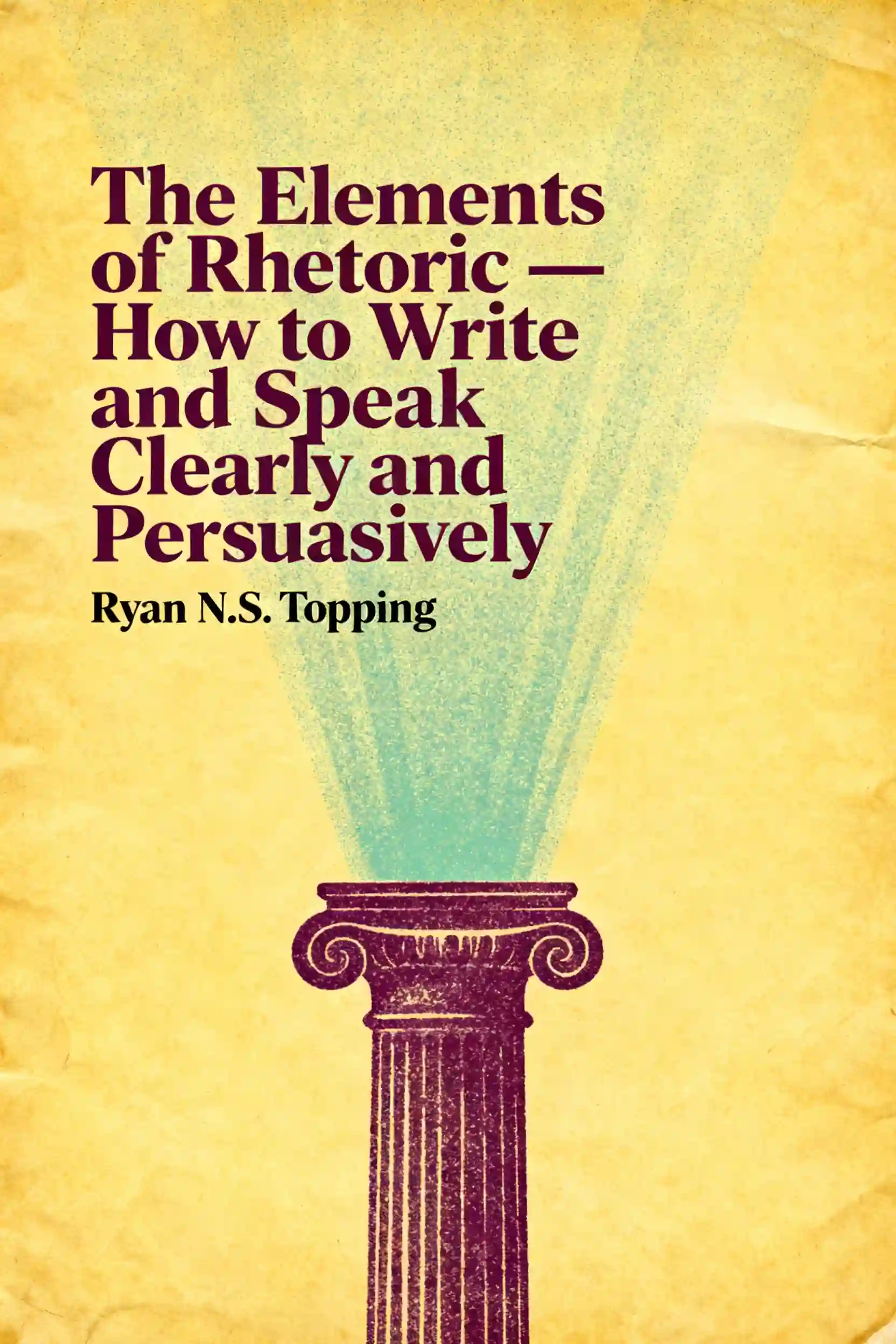
Frequently Asked Questions
BLUF stands for "Bottom Line Up Front." It is a communication technique where you lead with your main conclusion or the "apex" of your point before providing supporting details. This method is effective because listener attention typically peaks within the first thirty to sixty seconds and begins to drop off after ninety seconds. By starting with the conclusion, you provide the listener with a mental "hook" to hang all subsequent details on, making the information easier to process and respect the listener's time.
Rambling during high-pressure situations, such as interviews, is a biological response to adrenaline. When the brain is under stress, the "Central Executive" becomes fatigued, and the working memory—often compared to a mental whiteboard—gets crowded with anxious thoughts. This cognitive bottleneck forces the brain to take the path of least resistance, leading to "exploratory speech" where the speaker thinks out loud or uses low-effort fillers like "and also" because the effort required to structure a linear path is too high.
Frameworks act as "rails" to prevent your thoughts from wandering. For everyday opinions, the PREP framework (Point, Reason, Example, Point) creates a clear beginning, middle, and end. For interviews, the STAR method (Situation, Task, Action, Result) helps you focus on your specific contributions rather than getting lost in background details. For status updates, the "What? So What? Now What?" model ensures you move from the current situation to its impact and finally to the necessary next steps.
To sound more authoritative and reduce rambling, you can use the "Last Sound" technique, which involves making a conscious effort to finish every word by emphasizing final consonants. Additionally, the "Pause-Swap" technique encourages replacing filler words like "um" or "like" with intentional silence, which listeners often perceive as a sign of confidence and thoughtfulness. Finally, using a "Downward Inflection" at the end of sentences—rather than a rising pitch—signals that you are making a definitive statement rather than asking for permission.
The "Layer Cake" approach, also known as progressive disclosure, involves sharing information in stages rather than dumping all details at once. You start by delivering "Layer 1," which is a one-sentence headline or the most basic version of your point. You then pause to provide "Layer 2," which is a single piece of supporting evidence. After this, you stop and ask the listener if they require more detail, which puts the power in the listener's hands and prevents you from providing unnecessary technical "noise."
Discover more

i ramble when i'm nervous and want to sound more clear and confident when speaking
i ramble when i'm nervous and want to sound more clear and confident when speaking
This plan is designed for professionals and students who struggle with verbal clutter and anxiety during high-stakes conversations. It provides actionable techniques to transform nervous energy into a structured, commanding presence.

Speak slower and clearer
Speak slower and clearer
Clear communication is a cornerstone of professional leadership and personal influence. This plan is designed for professionals, public speakers, and anyone looking to overcome rapid speech or mumbling to command respect in any room.
speak clearly and people understand
speak clearly and people understand
Effective communication is the cornerstone of professional success and personal influence. This plan is designed for anyone looking to overcome vocal hesitation, organize their ideas quickly, and command attention in any speaking environment.

Become well articulated in speaking skills
Become well articulated in speaking skills
In today’s professional landscape, the ability to communicate with clarity and poise is a critical differentiator for leadership. This plan is designed for professionals and aspiring leaders who want to overcome vocal hesitations, sharpen their spontaneous thinking, and master the art of influential conversation.
i want to improve my memory and way of speaking to make my words more noticeable and bold
i want to improve my memory and way of speaking to make my words more noticeable and bold
Strong memory and bold communication are foundational skills that enhance professional credibility, social influence, and personal confidence. This learning plan helps anyone who wants to be more memorable in their interactions, whether they're giving presentations, leading meetings, or engaging in everyday conversations.

Improve speech and intelligence
Improve speech and intelligence
This plan bridges the gap between cognitive capacity and verbal expression, ensuring your ideas are as sharp as your delivery. It is ideal for professionals, leaders, and students who want to enhance their mental performance while mastering the art of influential communication.

Mindful speech & rich vocab
Mindful speech & rich vocab
Effective communication is the cornerstone of leadership, relationships, and personal influence, yet most people never receive formal training in the art of mindful speech and vocabulary mastery. This learning plan is ideal for professionals, leaders, writers, educators, and anyone seeking to transform how they express themselves and connect with others through the strategic use of language.
Improve speaking articulation
Improve speaking articulation
Clear, articulate speech is essential for professional success, leadership, and meaningful communication in any field. This learning plan benefits professionals seeking to enhance their executive presence, aspiring public speakers, anyone who presents ideas regularly, and individuals who want to communicate with greater confidence and influence in both professional and personal settings.
From Columbia University alumni built in San Francisco
"Instead of endless scrolling, I just hit play on BeFreed. It saves me so much time."


"I never knew where to start with nonfiction—BeFreed’s book lists turned into podcasts gave me a clear path."


"Perfect balance between learning and entertainment. Finished ‘Thinking, Fast and Slow’ on my commute this week."
"Crazy how much I learned while walking the dog. BeFreed = small habits → big gains."
"Reading used to feel like a chore. Now it’s just part of my lifestyle."

"Feels effortless compared to reading. I’ve finished 6 books this month already."
"BeFreed turned my guilty doomscrolling into something that feels productive and inspiring."

"BeFreed turned my commute into learning time. 20-min podcasts are perfect for finishing books I never had time for."
"BeFreed replaced my podcast queue. Imagine Spotify for books — that’s it. 🙌"

"It is great for me to learn something from the book without reading it."
"The themed book list podcasts help me connect ideas across authors—like a guided audio journey."
"Makes me feel smarter every time before going to work"
From Columbia University alumni built in San Francisco
"Instead of endless scrolling, I just hit play on BeFreed. It saves me so much time."
"I never knew where to start with nonfiction—BeFreed’s book lists turned into podcasts gave me a clear path."
"Perfect balance between learning and entertainment. Finished ‘Thinking, Fast and Slow’ on my commute this week."
"Crazy how much I learned while walking the dog. BeFreed = small habits → big gains."
"Reading used to feel like a chore. Now it’s just part of my lifestyle."
"Feels effortless compared to reading. I’ve finished 6 books this month already."
"BeFreed turned my guilty doomscrolling into something that feels productive and inspiring."
"BeFreed turned my commute into learning time. 20-min podcasts are perfect for finishing books I never had time for."
"BeFreed replaced my podcast queue. Imagine Spotify for books — that’s it. 🙌"
"It is great for me to learn something from the book without reading it."
"The themed book list podcasts help me connect ideas across authors—like a guided audio journey."
"Makes me feel smarter every time before going to work"
"Instead of endless scrolling, I just hit play on BeFreed. It saves me so much time."
"I never knew where to start with nonfiction—BeFreed’s book lists turned into podcasts gave me a clear path."
"Perfect balance between learning and entertainment. Finished ‘Thinking, Fast and Slow’ on my commute this week."
"Crazy how much I learned while walking the dog. BeFreed = small habits → big gains."
"Reading used to feel like a chore. Now it’s just part of my lifestyle."
"Feels effortless compared to reading. I’ve finished 6 books this month already."
"BeFreed turned my guilty doomscrolling into something that feels productive and inspiring."
"BeFreed turned my commute into learning time. 20-min podcasts are perfect for finishing books I never had time for."
"BeFreed replaced my podcast queue. Imagine Spotify for books — that’s it. 🙌"
"It is great for me to learn something from the book without reading it."
"The themed book list podcasts help me connect ideas across authors—like a guided audio journey."
"Makes me feel smarter every time before going to work"
"Instead of endless scrolling, I just hit play on BeFreed. It saves me so much time."
"I never knew where to start with nonfiction—BeFreed’s book lists turned into podcasts gave me a clear path."
"Perfect balance between learning and entertainment. Finished ‘Thinking, Fast and Slow’ on my commute this week."
"Crazy how much I learned while walking the dog. BeFreed = small habits → big gains."
"Reading used to feel like a chore. Now it’s just part of my lifestyle."
"Feels effortless compared to reading. I’ve finished 6 books this month already."
"BeFreed turned my guilty doomscrolling into something that feels productive and inspiring."
"BeFreed turned my commute into learning time. 20-min podcasts are perfect for finishing books I never had time for."
"BeFreed replaced my podcast queue. Imagine Spotify for books — that’s it. 🙌"
"It is great for me to learn something from the book without reading it."
"The themed book list podcasts help me connect ideas across authors—like a guided audio journey."
"Makes me feel smarter every time before going to work"


