
How to start life coaching in a crowded market
Think the coaching market is too full? Learn why choosing a niche and getting certified are the keys to building a profitable, action-oriented career.

Best quote from How to start life coaching in a crowded market
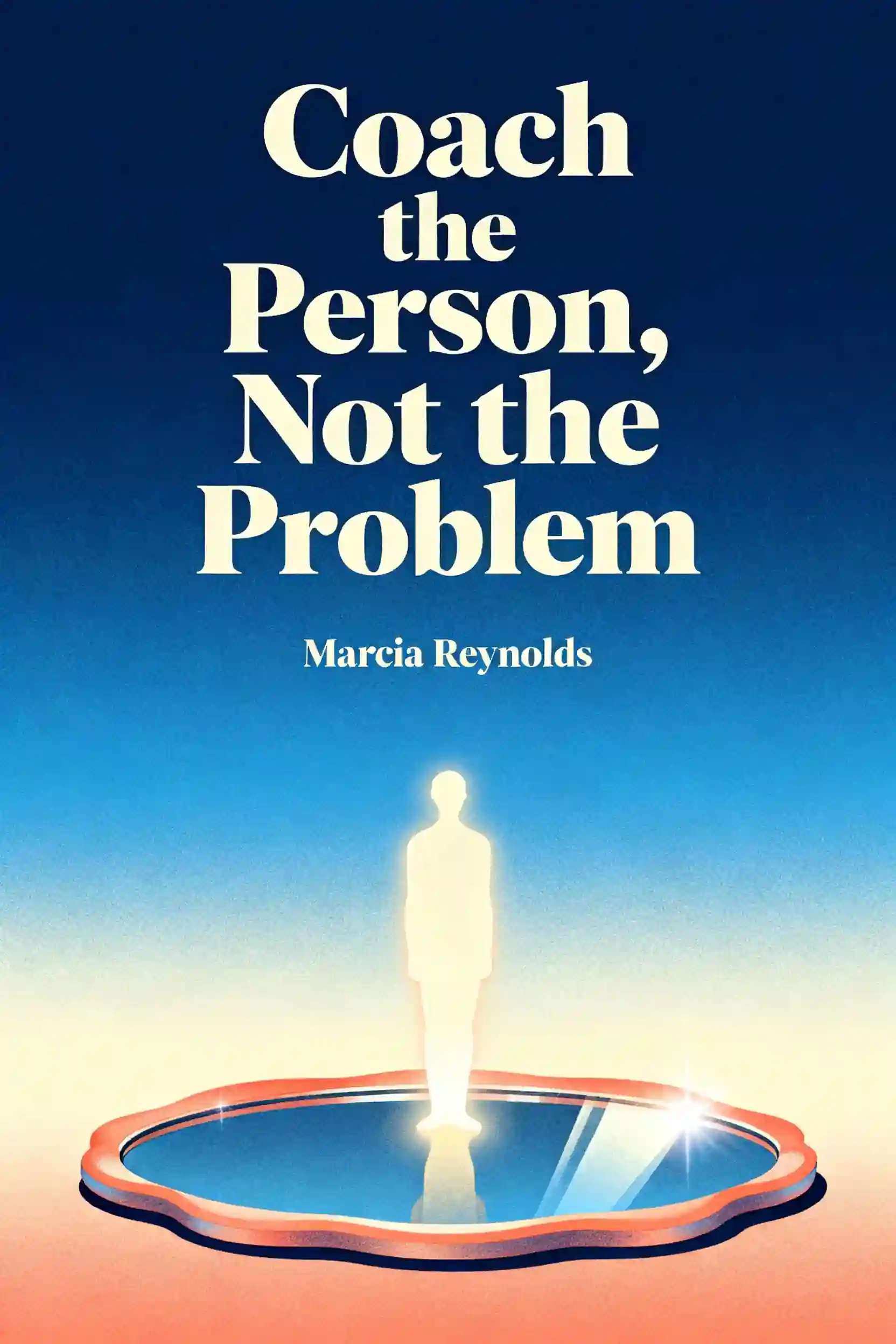
Therapy is like looking in the rearview mirror to heal the past, while coaching is the windshield, focusing entirely on where you’re going next.

This audio lesson was created by a BeFreed community member
How to be a life coach

Frequently Asked Questions
The script distinguishes the two by using a vehicle metaphor: therapy is like looking in the rearview mirror to heal the past, while coaching is the windshield, focusing entirely on where the client is going next. Coaching is described as forward-looking and action-oriented, focusing on future goals and transformations rather than healing past trauma.
Specializing in a niche is considered a "secret weapon" because general life coaches are often invisible in a crowded five-billion-dollar market. By focusing on a specific group, such as first-time managers or people with ADHD, a coach becomes a solution to a specific, expensive problem. This specialization allows coaches to charge significantly higher rates—potentially up to $500 an hour—compared to generalists who may start at much lower fees.
The International Coaching Federation (ICF) offers different levels of credentialing, starting with the Associate Certified Coach (ACC). To earn an ACC, a coach typically needs at least 60 hours of coach-specific training and 100 hours of actual coaching experience. Higher levels, like the Professional Certified Coach (PCC) and Master Certified Coach (MCC), require 500 and 2,500 coaching hours respectively, demonstrating a commitment to rigorous global standards.
Great coaching avoids giving advice and instead uses frameworks like the "POWER" model—questions that are Purpose-driven, Open-ended, Wondering, Economical, and Right-timed. Techniques like the "AWE" question ("And what else?") and the "Miracle Question" help bypass the logical brain to uncover deeper human needs. By asking questions "three levels deep," a coach helps a client move past surface-level issues to find the real obstacles blocking their progress.
The roadmap to a successful practice begins with defining a specific niche and selecting a training path, whether it is an ICF-accredited program or a budget-friendly alternative. From a business perspective, it is vital to establish a "legal shield" by drafting a contract and obtaining professional liability insurance. Finally, new coaches should build a simple digital presence and start a "referral network" to gain the social proof and testimonials needed to attract paying clients.
Discover more

Life coaching
Life coaching
Life coaching has emerged as a powerful profession that helps people overcome obstacles, achieve goals, and create fulfilling lives. This learning plan equips aspiring and practicing coaches with both the methodology and business acumen needed to build a thriving practice while making meaningful impact.
Become an expert life coach
Become an expert life coach
Professional life coaching is a rapidly growing field where the difference between adequate and exceptional coaches lies in their depth of psychological understanding and business acumen. This comprehensive learning path is ideal for aspiring coaches looking to build a credible practice, helping professionals wanting to add coaching to their skillset, or existing coaches seeking to elevate their impact and income through mastery of both the art and business of transformation.

Life Coaching for Beginners & Pro Coaches
Life Coaching for Beginners & Pro Coaches
This plan bridges the gap between coaching theory and business success by integrating psychological science with practical entrepreneurial strategies. It is ideal for aspiring coaches and professionals looking to deepen their impact and build a sustainable, profitable practice.

Be a $20K/mo Life Coach, Speaker & Brand
Be a $20K/mo Life Coach, Speaker & Brand
This learning plan is designed for aspiring and intermediate coaches who want to bridge the gap between passion and a highly profitable business. It provides a comprehensive roadmap for integrating professional coaching skills with public speaking and strategic brand building to achieve financial freedom.

Honest Confidence Coach Guide (2026): How to Choose, What It Costs & 5 Self-Coach Methods
Learn how to choose a confidence coach, understand real pricing across 6 tiers, and discover 5 self-coaching methods using ACT and the Confidence Cycle.
BeFreed Team
Career Strategy
Career Strategy
In today's competitive market, a passive approach to career growth is no longer sufficient. This plan is designed for ambitious professionals looking to transition into leadership by mastering self-discovery, networking, and executive presence.
Grow niche markets & balance holistic health
Grow niche markets & balance holistic health
This plan is essential for entrepreneurs who feel burnt out by the hustle and want to build a specialized business that supports their well-being. It bridges the gap between strategic market dominance and holistic health, making it perfect for leaders seeking sustainable success.

Outsell top dog trainer via client rapport
Outsell top dog trainer via client rapport
In a saturated market, technical skill alone isn't enough to beat the competition. This plan is designed for ambitious dog trainers who want to master the human element of their business, combining sales psychology with rapport-building to secure high-value clients.
From Columbia University alumni built in San Francisco
"Instead of endless scrolling, I just hit play on BeFreed. It saves me so much time."


"I never knew where to start with nonfiction—BeFreed’s book lists turned into podcasts gave me a clear path."


"Perfect balance between learning and entertainment. Finished ‘Thinking, Fast and Slow’ on my commute this week."
"Crazy how much I learned while walking the dog. BeFreed = small habits → big gains."
"Reading used to feel like a chore. Now it’s just part of my lifestyle."

"Feels effortless compared to reading. I’ve finished 6 books this month already."
"BeFreed turned my guilty doomscrolling into something that feels productive and inspiring."

"BeFreed turned my commute into learning time. 20-min podcasts are perfect for finishing books I never had time for."
"BeFreed replaced my podcast queue. Imagine Spotify for books — that’s it. 🙌"

"It is great for me to learn something from the book without reading it."
"The themed book list podcasts help me connect ideas across authors—like a guided audio journey."
"Makes me feel smarter every time before going to work"
From Columbia University alumni built in San Francisco
"Instead of endless scrolling, I just hit play on BeFreed. It saves me so much time."
"I never knew where to start with nonfiction—BeFreed’s book lists turned into podcasts gave me a clear path."
"Perfect balance between learning and entertainment. Finished ‘Thinking, Fast and Slow’ on my commute this week."
"Crazy how much I learned while walking the dog. BeFreed = small habits → big gains."
"Reading used to feel like a chore. Now it’s just part of my lifestyle."
"Feels effortless compared to reading. I’ve finished 6 books this month already."
"BeFreed turned my guilty doomscrolling into something that feels productive and inspiring."
"BeFreed turned my commute into learning time. 20-min podcasts are perfect for finishing books I never had time for."
"BeFreed replaced my podcast queue. Imagine Spotify for books — that’s it. 🙌"
"It is great for me to learn something from the book without reading it."
"The themed book list podcasts help me connect ideas across authors—like a guided audio journey."
"Makes me feel smarter every time before going to work"
"Instead of endless scrolling, I just hit play on BeFreed. It saves me so much time."
"I never knew where to start with nonfiction—BeFreed’s book lists turned into podcasts gave me a clear path."
"Perfect balance between learning and entertainment. Finished ‘Thinking, Fast and Slow’ on my commute this week."
"Crazy how much I learned while walking the dog. BeFreed = small habits → big gains."
"Reading used to feel like a chore. Now it’s just part of my lifestyle."
"Feels effortless compared to reading. I’ve finished 6 books this month already."
"BeFreed turned my guilty doomscrolling into something that feels productive and inspiring."
"BeFreed turned my commute into learning time. 20-min podcasts are perfect for finishing books I never had time for."
"BeFreed replaced my podcast queue. Imagine Spotify for books — that’s it. 🙌"
"It is great for me to learn something from the book without reading it."
"The themed book list podcasts help me connect ideas across authors—like a guided audio journey."
"Makes me feel smarter every time before going to work"
"Instead of endless scrolling, I just hit play on BeFreed. It saves me so much time."
"I never knew where to start with nonfiction—BeFreed’s book lists turned into podcasts gave me a clear path."
"Perfect balance between learning and entertainment. Finished ‘Thinking, Fast and Slow’ on my commute this week."
"Crazy how much I learned while walking the dog. BeFreed = small habits → big gains."
"Reading used to feel like a chore. Now it’s just part of my lifestyle."
"Feels effortless compared to reading. I’ve finished 6 books this month already."
"BeFreed turned my guilty doomscrolling into something that feels productive and inspiring."
"BeFreed turned my commute into learning time. 20-min podcasts are perfect for finishing books I never had time for."
"BeFreed replaced my podcast queue. Imagine Spotify for books — that’s it. 🙌"
"It is great for me to learn something from the book without reading it."
"The themed book list podcasts help me connect ideas across authors—like a guided audio journey."
"Makes me feel smarter every time before going to work"


