
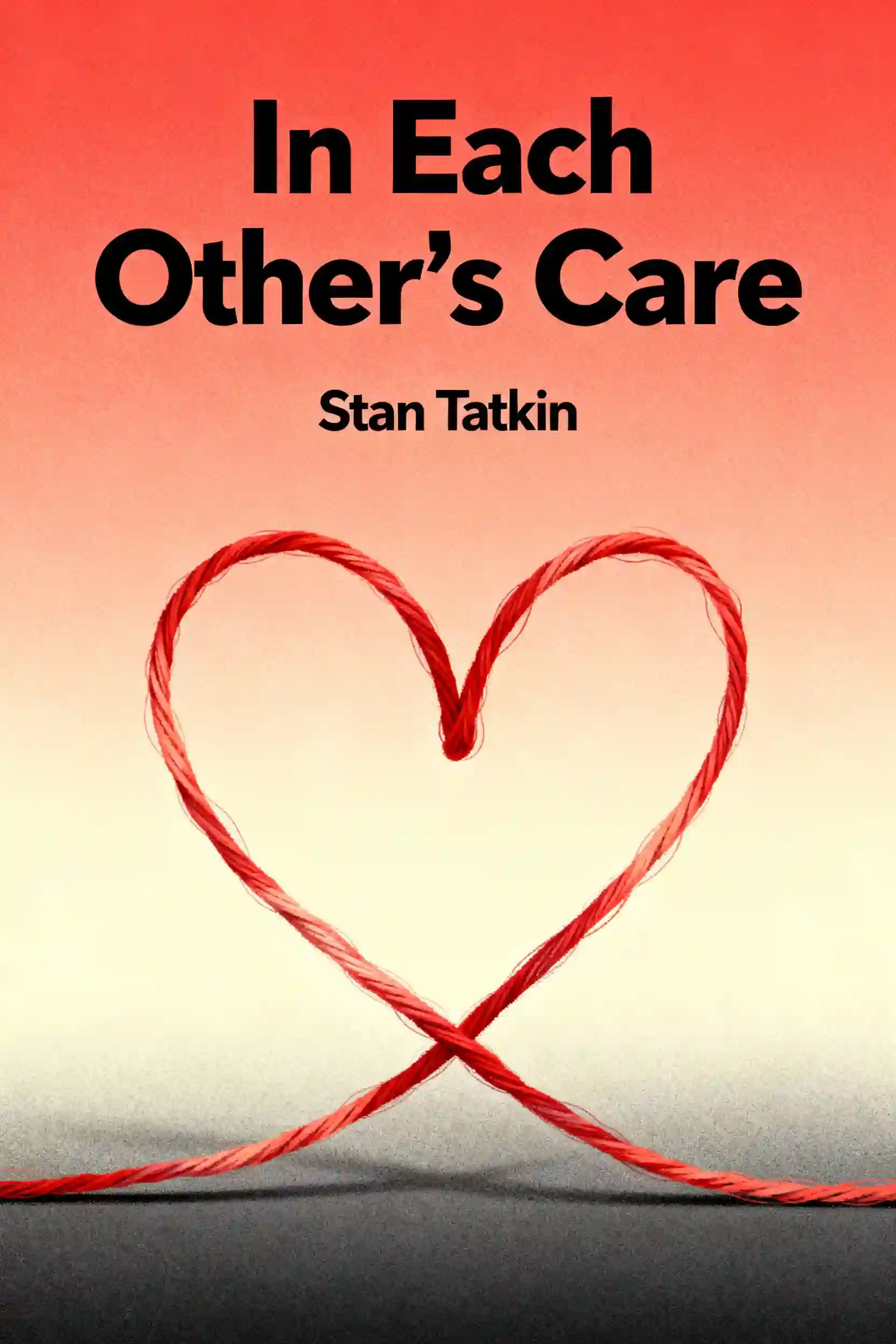
How to practice empathy after betrayal
Stopping the behavior isn't enough to save a marriage. Learn why empathy is a skill you must build to restore safety and truly reconnect with your partner.

Best quote from How to practice empathy after betrayal
Empathy starts when you stop seeing your partner's pain as an attack on you and start seeing it as a wound that needs tending.

This audio lesson was created by a BeFreed community member
How to be empathetic when healing someone you've betrayed


Frequently Asked Questions
While stopping the behavior is a necessary first step, it does not automatically restore connection. Betrayal acts as a biological shock to the nervous system, turning the partner into a source of danger rather than safety. Research indicates that marriages can still fail after sobriety if the betrayer does not learn the skill of empathy. Healing requires actively rebuilding safety through empathy and transparency, rather than just removing the "bad" behavior and hoping things return to normal.
Hypervigilance is a survival mechanism of the brain. When trust is broken, the betrayed partner’s nervous system enters a loop to protect them from being blindsided again. This often manifests as constant questioning or checking phones. For healing to occur, the person who committed the betrayal must stop viewing this behavior as a punishment or an attack and instead recognize it as a wound that requires a steady, empathetic response to help the partner's nervous system feel safe again.
It may seem counterintuitive, but sharing struggles before they lead to a slip is more effective than trying to appear perfect. Trust is broken by secrecy, so silence—even if nothing "bad" is happening—can feel like a threat to a betrayed partner. By voluntarily bringing internal struggles into the light, the betrayer replaces a "secrecy system" with a "communication system." This proves they are no longer hiding and values the partner's safety over their own image of being "fixed."
According to Dr. John Gottman, the roadmap to recovery involves Atonement, Attunement, and Attachment. Atonement requires taking full, non-defensive responsibility and providing total transparency. Attunement involves learning to listen to the partner's pain without trying to "fix" it or becoming defensive. Finally, Attachment is the phase where the couple co-creates "Relationship 2.0," building a new, sturdier foundation based on the honesty and emotional depth developed during the first two stages.
Triggers are not signs of failure; they are opportunities for further repair. When a partner is triggered by a song, place, or memory, the betrayer should avoid saying "I thought we were past this," as this is a withdrawal from the relationship's emotional bank account. Instead, they should lean into empathy by validating the pain and asking how they can help in that moment. Consistent, caring responses to triggers help the partner's nervous system eventually learn that the threat is gone.
Discover more

Rebuilding my wife’s trust after betrayal.
Rebuilding my wife’s trust after betrayal.
Rebuilding trust after betrayal requires understanding, accountability, and consistent effort to heal deep emotional wounds. This learning plan guides individuals who have broken their partner's trust through a structured process of taking responsibility, implementing repair strategies, and developing the skills needed to rebuild a stronger, more authentic relationship.
Restore trust and intimacy in marriage
Restore trust and intimacy in marriage
This learning plan is designed for couples struggling to navigate the aftermath of a major breach of trust. It provides a structured roadmap for partners to move beyond betrayal by focusing on psychological healing, transparent communication, and the intentional restoration of intimacy.

Rebuild trust and heal marriage with my wife
Rebuild trust and heal marriage with my wife
Rebuilding trust after betrayal is one of the most challenging yet transformative journeys a couple can undertake. This learning plan is designed for partners who have broken trust and are committed to genuine change—not quick fixes, but deep personal growth and consistent action. It's essential for anyone who wants to move beyond remorse into becoming truly trustworthy and creating a resilient, thriving marriage.
Be a more empathetic and loving partner
Be a more empathetic and loving partner
This plan is essential for anyone seeking to move beyond surface-level interactions and build a profound emotional connection. It is designed for partners who want to break negative cycles and foster a relationship rooted in empathy, security, and mutual understanding.

Save Your Marriage: Avoid Divorce & Rebuild
Save Your Marriage: Avoid Divorce & Rebuild
This plan is essential for couples facing a crisis who want to move beyond surface-level fixes to achieve deep, lasting healing. It is designed for partners seeking to transform conflict into connection and rebuild a foundation of trust and intimacy.
How to learn empathy
How to learn empathy
In our increasingly disconnected world, empathy serves as a bridge to deeper human connection and understanding. This learning plan benefits anyone seeking to enhance their personal and professional relationships through improved emotional intelligence and compassionate communication skills.

overcome emotional affair
overcome emotional affair
Emotional affairs can be as devastating as physical infidelity, leaving partners struggling with betrayal, broken trust, and uncertainty about their relationship's future. This learning plan is essential for couples navigating the aftermath of emotional infidelity, individuals seeking to understand and heal from betrayal trauma, or anyone wanting to affair-proof their relationship through stronger boundaries and deeper connection.

Improve marriage listening and communication
Improve marriage listening and communication
Healthy communication is the bedrock of a resilient marriage, yet many couples struggle with reactive patterns. This plan is designed for partners looking to transition from surface-level talk to deep, empathetic connection using proven psychological strategies.
From Columbia University alumni built in San Francisco
"Instead of endless scrolling, I just hit play on BeFreed. It saves me so much time."


"I never knew where to start with nonfiction—BeFreed’s book lists turned into podcasts gave me a clear path."


"Perfect balance between learning and entertainment. Finished ‘Thinking, Fast and Slow’ on my commute this week."
"Crazy how much I learned while walking the dog. BeFreed = small habits → big gains."
"Reading used to feel like a chore. Now it’s just part of my lifestyle."

"Feels effortless compared to reading. I’ve finished 6 books this month already."
"BeFreed turned my guilty doomscrolling into something that feels productive and inspiring."

"BeFreed turned my commute into learning time. 20-min podcasts are perfect for finishing books I never had time for."
"BeFreed replaced my podcast queue. Imagine Spotify for books — that’s it. 🙌"

"It is great for me to learn something from the book without reading it."
"The themed book list podcasts help me connect ideas across authors—like a guided audio journey."
"Makes me feel smarter every time before going to work"
From Columbia University alumni built in San Francisco
"Instead of endless scrolling, I just hit play on BeFreed. It saves me so much time."
"I never knew where to start with nonfiction—BeFreed’s book lists turned into podcasts gave me a clear path."
"Perfect balance between learning and entertainment. Finished ‘Thinking, Fast and Slow’ on my commute this week."
"Crazy how much I learned while walking the dog. BeFreed = small habits → big gains."
"Reading used to feel like a chore. Now it’s just part of my lifestyle."
"Feels effortless compared to reading. I’ve finished 6 books this month already."
"BeFreed turned my guilty doomscrolling into something that feels productive and inspiring."
"BeFreed turned my commute into learning time. 20-min podcasts are perfect for finishing books I never had time for."
"BeFreed replaced my podcast queue. Imagine Spotify for books — that’s it. 🙌"
"It is great for me to learn something from the book without reading it."
"The themed book list podcasts help me connect ideas across authors—like a guided audio journey."
"Makes me feel smarter every time before going to work"
"Instead of endless scrolling, I just hit play on BeFreed. It saves me so much time."
"I never knew where to start with nonfiction—BeFreed’s book lists turned into podcasts gave me a clear path."
"Perfect balance between learning and entertainment. Finished ‘Thinking, Fast and Slow’ on my commute this week."
"Crazy how much I learned while walking the dog. BeFreed = small habits → big gains."
"Reading used to feel like a chore. Now it’s just part of my lifestyle."
"Feels effortless compared to reading. I’ve finished 6 books this month already."
"BeFreed turned my guilty doomscrolling into something that feels productive and inspiring."
"BeFreed turned my commute into learning time. 20-min podcasts are perfect for finishing books I never had time for."
"BeFreed replaced my podcast queue. Imagine Spotify for books — that’s it. 🙌"
"It is great for me to learn something from the book without reading it."
"The themed book list podcasts help me connect ideas across authors—like a guided audio journey."
"Makes me feel smarter every time before going to work"
"Instead of endless scrolling, I just hit play on BeFreed. It saves me so much time."
"I never knew where to start with nonfiction—BeFreed’s book lists turned into podcasts gave me a clear path."
"Perfect balance between learning and entertainment. Finished ‘Thinking, Fast and Slow’ on my commute this week."
"Crazy how much I learned while walking the dog. BeFreed = small habits → big gains."
"Reading used to feel like a chore. Now it’s just part of my lifestyle."
"Feels effortless compared to reading. I’ve finished 6 books this month already."
"BeFreed turned my guilty doomscrolling into something that feels productive and inspiring."
"BeFreed turned my commute into learning time. 20-min podcasts are perfect for finishing books I never had time for."
"BeFreed replaced my podcast queue. Imagine Spotify for books — that’s it. 🙌"
"It is great for me to learn something from the book without reading it."
"The themed book list podcasts help me connect ideas across authors—like a guided audio journey."
"Makes me feel smarter every time before going to work"


