
How TMS wakes up your brain for emotional balance
Feeling stuck in depression isn't just a metaphor. Learn how TMS uses magnetic pulses to nudge the brain toward neuroplasticity and long-term healing.

Best quote from How TMS wakes up your brain for emotional balance
TMS isn't just 'zapping' the depression away—it’s actually restoring the brain’s natural ability to be flexible again. It’s giving the brain the tools to heal itself by supporting its inherent capacity to learn new ways to respond to stress and emotional triggers.

This audio lesson was created by a BeFreed community member
Put together a thing and understanding transcranial magnetic stimulation TMS the magnetic thing that does to the brain amen emotions to understand how it works it affects long-term things

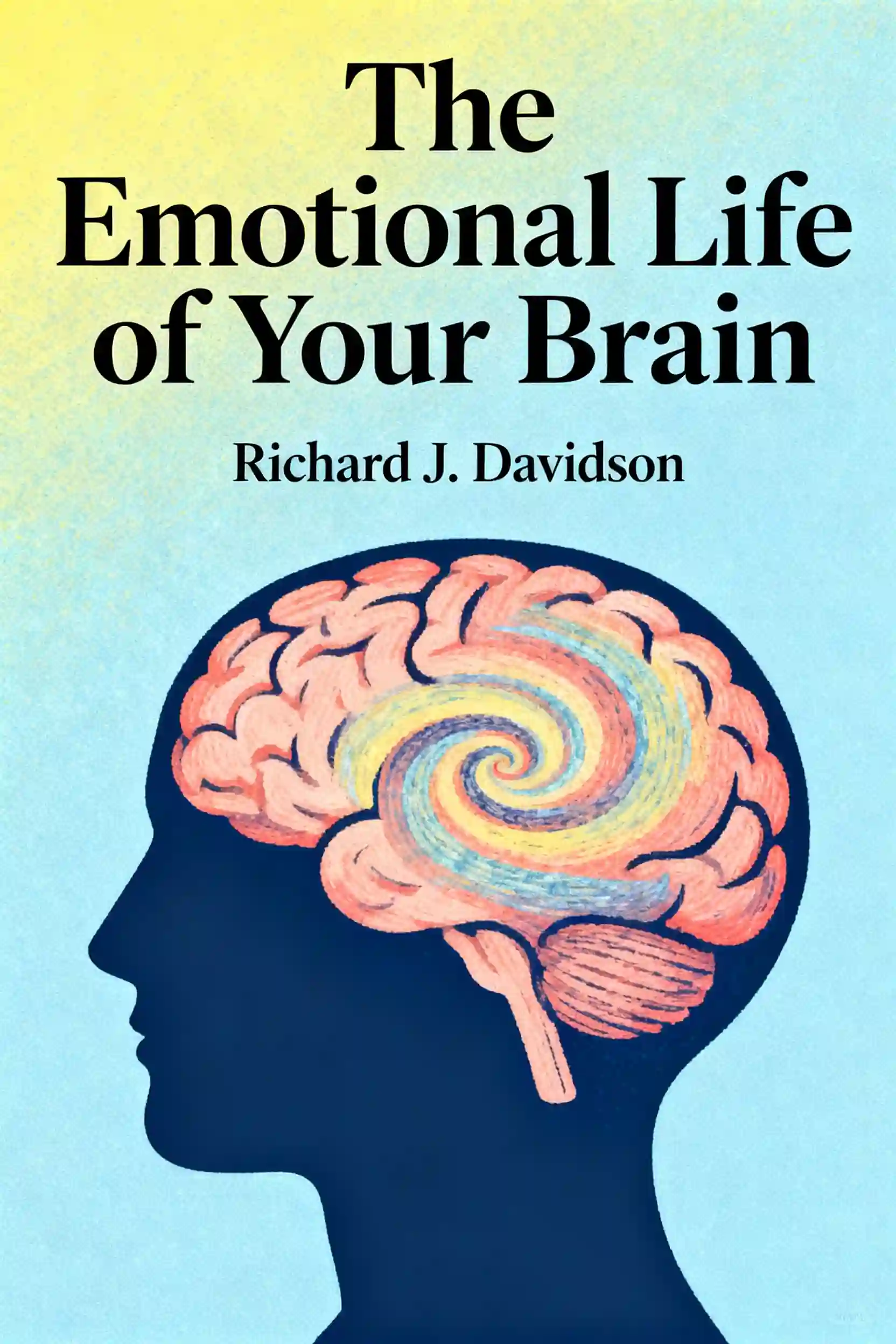
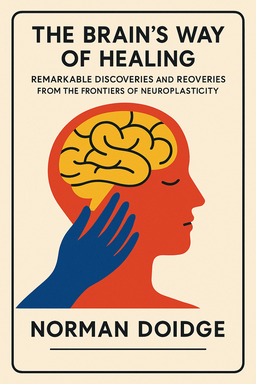
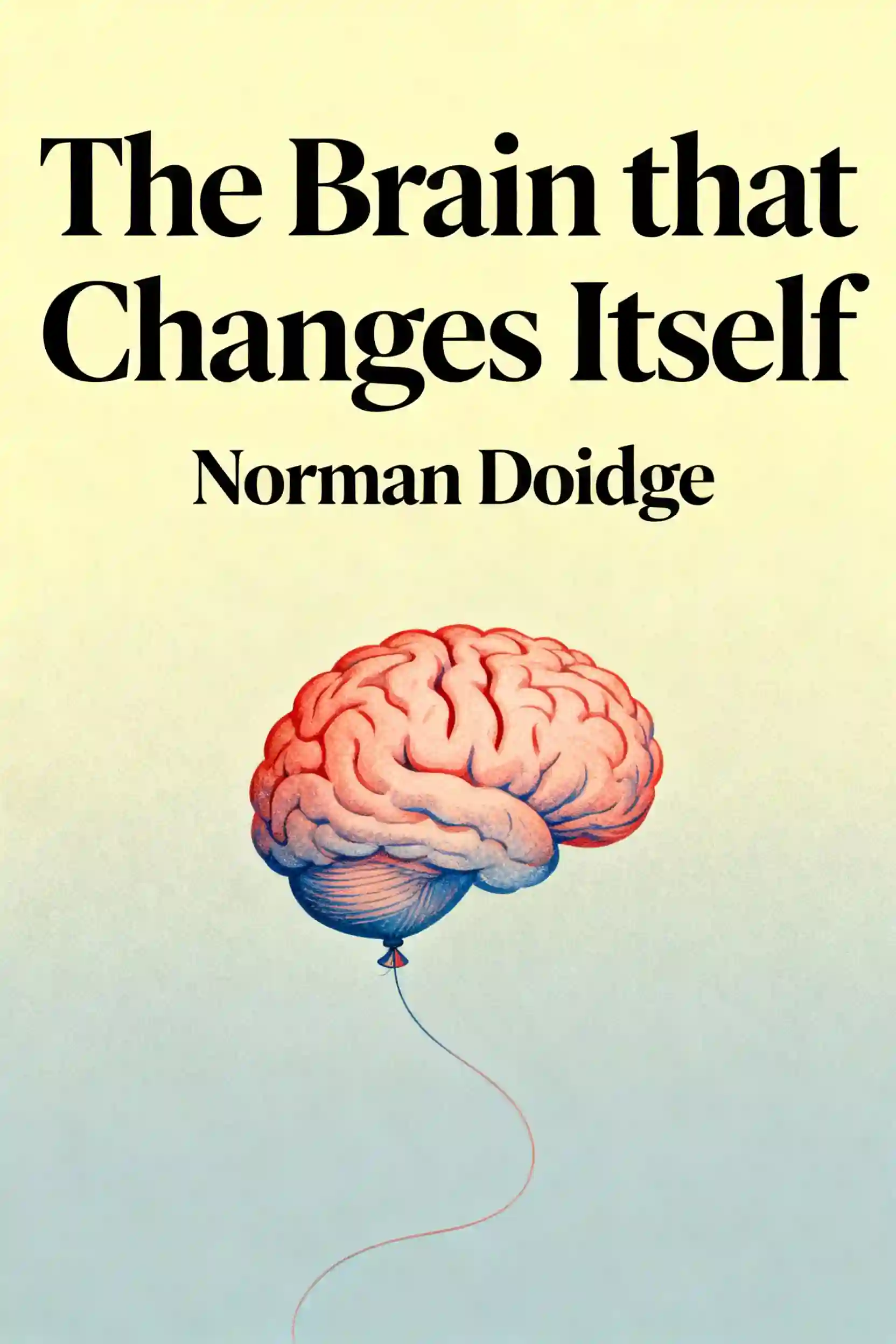
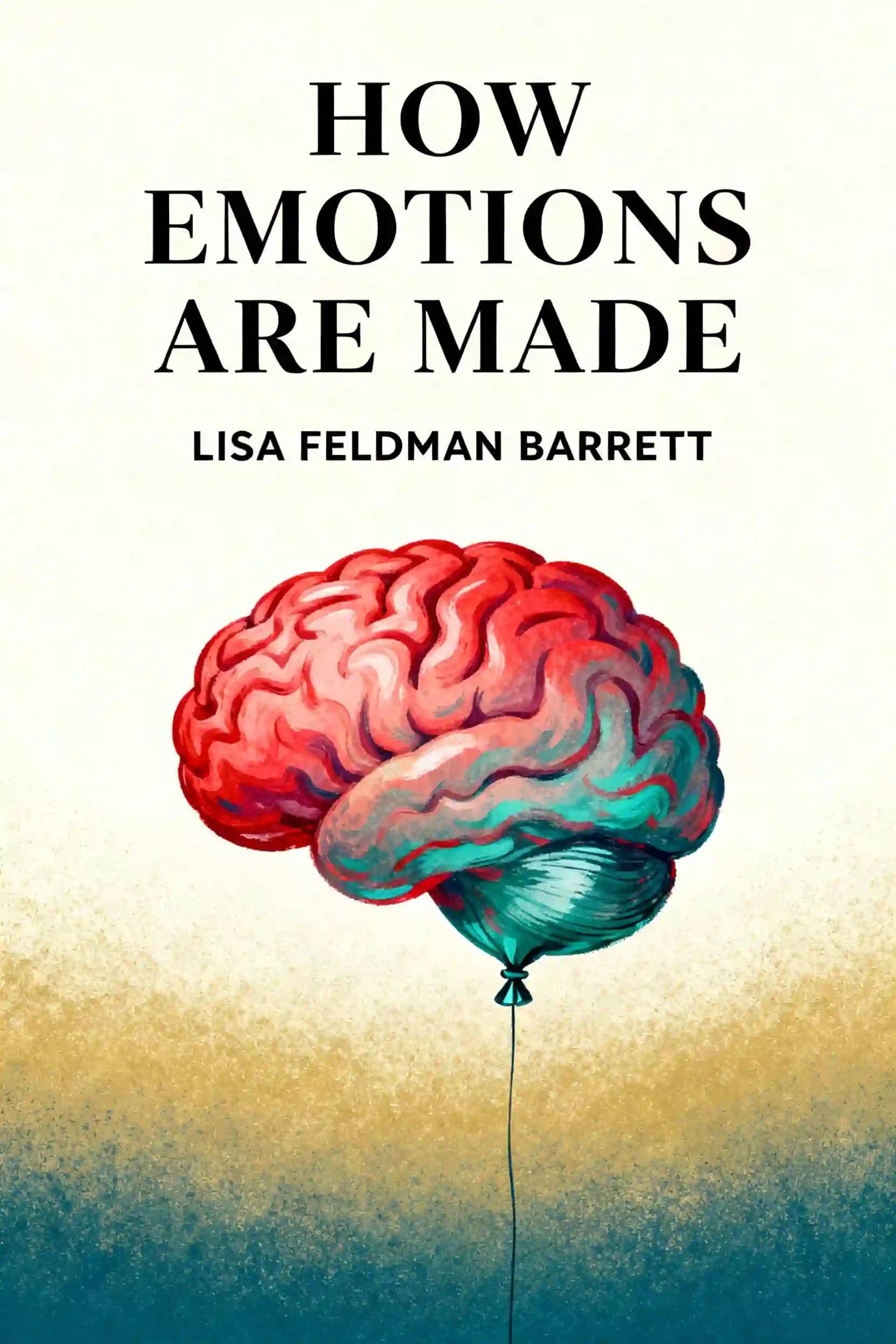
Frequently Asked Questions
TMS is a non-invasive procedure that uses a magnetic coil placed near the scalp to send targeted pulses into specific areas of the brain, such as the left dorsolateral prefrontal cortex (DLPFC). These magnetic pulses create a tiny electrical current in the brain tissue, which serves as a "nudge" to wake up underactive neurons involved in mood regulation. By encouraging these neurons to fire, the treatment helps the brain restore its natural ability to form healthy connections and regulate emotions.
The brain requires "spaced repetition" to create lasting structural and functional changes, a process known as synaptic plasticity. Just as you cannot become fluent in a language after one day of study, the brain needs consistent stimulation to realize that new, healthier activity patterns should be the new standard. Over the course of several weeks, these repeated sessions help the brain up-regulate "brain fertilizer" proteins like BDNF and build stable communication "highways" between different emotional processing centers.
Research indicates that TMS can shift a person’s "emotional bias" from negative to positive. When someone is depressed, they often have a negative bias, such as interpreting neutral facial expressions as angry or sad. After about a week of TMS treatment, patients often show increased activity in the rostral anterior cingulate cortex (rACC), which helps the brain prioritize positive information. This shift allows individuals to interpret ambiguous social cues more positively, which is often a predictor of long-term recovery.
TMS is often viewed as a "partner" to other treatments rather than a total replacement. It creates a "window of opportunity" by restoring neuroplasticity and making the brain more flexible and responsive. When the brain is no longer stuck in a rigid, negative loop, other interventions like psychotherapy, medication, or lifestyle changes can become more effective. It is particularly valuable for treatment-resistant cases where other methods have not provided sufficient relief.
Discover more

Learn how to address my depression
Learn how to address my depression
This plan provides a comprehensive roadmap for anyone feeling overwhelmed by low mood or persistent negative thinking. It combines scientific understanding with practical CBT and mindfulness tools to help individuals move from survival to long-term emotional thriving.

Mindful Living: Face Emotions Happily
Mindful Living: Face Emotions Happily
In an era of constant stress, mastering emotional intelligence is essential for mental health and resilience. This plan is designed for anyone seeking to break the cycle of emotional reactivity and find peace through mindful acceptance and practical daily habits.

Master Emotions and Mind Control
Master Emotions and Mind Control
In an era of constant distraction and stress, mastering one's internal landscape is the ultimate competitive advantage. This plan is designed for professionals and individuals seeking to transition from reactive living to conscious self-mastery by combining neuroscience with practical mental discipline.

How to change emotionally
How to change emotionally
This plan is essential for anyone feeling stuck in repetitive emotional cycles or reactive behaviors. It provides a comprehensive roadmap for individuals seeking to heal past wounds and build the psychological resilience needed for lasting personal change.

Heal trauma and build self-esteem
Heal trauma and build self-esteem
This plan is essential for anyone seeking to reclaim their life from the shadows of past experiences. It provides a structured path for individuals ready to transform their relationship with themselves by combining nervous system regulation with deep self-esteem work.
Explore Mental Health, Psych & Inspiration
Explore Mental Health, Psych & Inspiration
Understanding the mechanics of the mind is essential for navigating the complexities of modern life. This plan is designed for anyone seeking to improve their emotional intelligence, manage stress effectively, and build a resilient foundation for long-term mental well-being.
Find mental peace
Find mental peace
This plan is essential for high-stress individuals seeking a structured path to emotional stability and mental clarity. It bridges the gap between modern neuroscience and timeless philosophy, making it ideal for anyone looking to transform their internal landscape and build lasting resilience.

Psychology, Mental Health & Mindfulness
Psychology, Mental Health & Mindfulness
This learning plan provides a comprehensive roadmap from basic emotional intelligence to advanced trauma recovery. It is ideal for individuals seeking to improve their mental well-being or professionals looking to deepen their understanding of evidence-based therapeutic techniques.
From Columbia University alumni built in San Francisco
"Instead of endless scrolling, I just hit play on BeFreed. It saves me so much time."


"I never knew where to start with nonfiction—BeFreed’s book lists turned into podcasts gave me a clear path."


"Perfect balance between learning and entertainment. Finished ‘Thinking, Fast and Slow’ on my commute this week."
"Crazy how much I learned while walking the dog. BeFreed = small habits → big gains."
"Reading used to feel like a chore. Now it’s just part of my lifestyle."

"Feels effortless compared to reading. I’ve finished 6 books this month already."
"BeFreed turned my guilty doomscrolling into something that feels productive and inspiring."

"BeFreed turned my commute into learning time. 20-min podcasts are perfect for finishing books I never had time for."
"BeFreed replaced my podcast queue. Imagine Spotify for books — that’s it. 🙌"

"It is great for me to learn something from the book without reading it."
"The themed book list podcasts help me connect ideas across authors—like a guided audio journey."
"Makes me feel smarter every time before going to work"
From Columbia University alumni built in San Francisco
"Instead of endless scrolling, I just hit play on BeFreed. It saves me so much time."
"I never knew where to start with nonfiction—BeFreed’s book lists turned into podcasts gave me a clear path."
"Perfect balance between learning and entertainment. Finished ‘Thinking, Fast and Slow’ on my commute this week."
"Crazy how much I learned while walking the dog. BeFreed = small habits → big gains."
"Reading used to feel like a chore. Now it’s just part of my lifestyle."
"Feels effortless compared to reading. I’ve finished 6 books this month already."
"BeFreed turned my guilty doomscrolling into something that feels productive and inspiring."
"BeFreed turned my commute into learning time. 20-min podcasts are perfect for finishing books I never had time for."
"BeFreed replaced my podcast queue. Imagine Spotify for books — that’s it. 🙌"
"It is great for me to learn something from the book without reading it."
"The themed book list podcasts help me connect ideas across authors—like a guided audio journey."
"Makes me feel smarter every time before going to work"
"Instead of endless scrolling, I just hit play on BeFreed. It saves me so much time."
"I never knew where to start with nonfiction—BeFreed’s book lists turned into podcasts gave me a clear path."
"Perfect balance between learning and entertainment. Finished ‘Thinking, Fast and Slow’ on my commute this week."
"Crazy how much I learned while walking the dog. BeFreed = small habits → big gains."
"Reading used to feel like a chore. Now it’s just part of my lifestyle."
"Feels effortless compared to reading. I’ve finished 6 books this month already."
"BeFreed turned my guilty doomscrolling into something that feels productive and inspiring."
"BeFreed turned my commute into learning time. 20-min podcasts are perfect for finishing books I never had time for."
"BeFreed replaced my podcast queue. Imagine Spotify for books — that’s it. 🙌"
"It is great for me to learn something from the book without reading it."
"The themed book list podcasts help me connect ideas across authors—like a guided audio journey."
"Makes me feel smarter every time before going to work"
"Instead of endless scrolling, I just hit play on BeFreed. It saves me so much time."
"I never knew where to start with nonfiction—BeFreed’s book lists turned into podcasts gave me a clear path."
"Perfect balance between learning and entertainment. Finished ‘Thinking, Fast and Slow’ on my commute this week."
"Crazy how much I learned while walking the dog. BeFreed = small habits → big gains."
"Reading used to feel like a chore. Now it’s just part of my lifestyle."
"Feels effortless compared to reading. I’ve finished 6 books this month already."
"BeFreed turned my guilty doomscrolling into something that feels productive and inspiring."
"BeFreed turned my commute into learning time. 20-min podcasts are perfect for finishing books I never had time for."
"BeFreed replaced my podcast queue. Imagine Spotify for books — that’s it. 🙌"
"It is great for me to learn something from the book without reading it."
"The themed book list podcasts help me connect ideas across authors—like a guided audio journey."
"Makes me feel smarter every time before going to work"


