
How Not to Become a Narcissist
Discover the warning signs of narcissistic behavior and learn practical strategies to build authentic self-worth while avoiding the validation trap that leads to toxic patterns.

Best quote from How Not to Become a Narcissist
The very fact that you're asking 'How do I avoid becoming a narcissist?' is actually one of the strongest indicators that you're not heading down that path. True narcissists rarely have this level of self-awareness or concern about their impact on others.

This audio lesson was created by a BeFreed community member
How not to become a narcissist, how narcissistic act

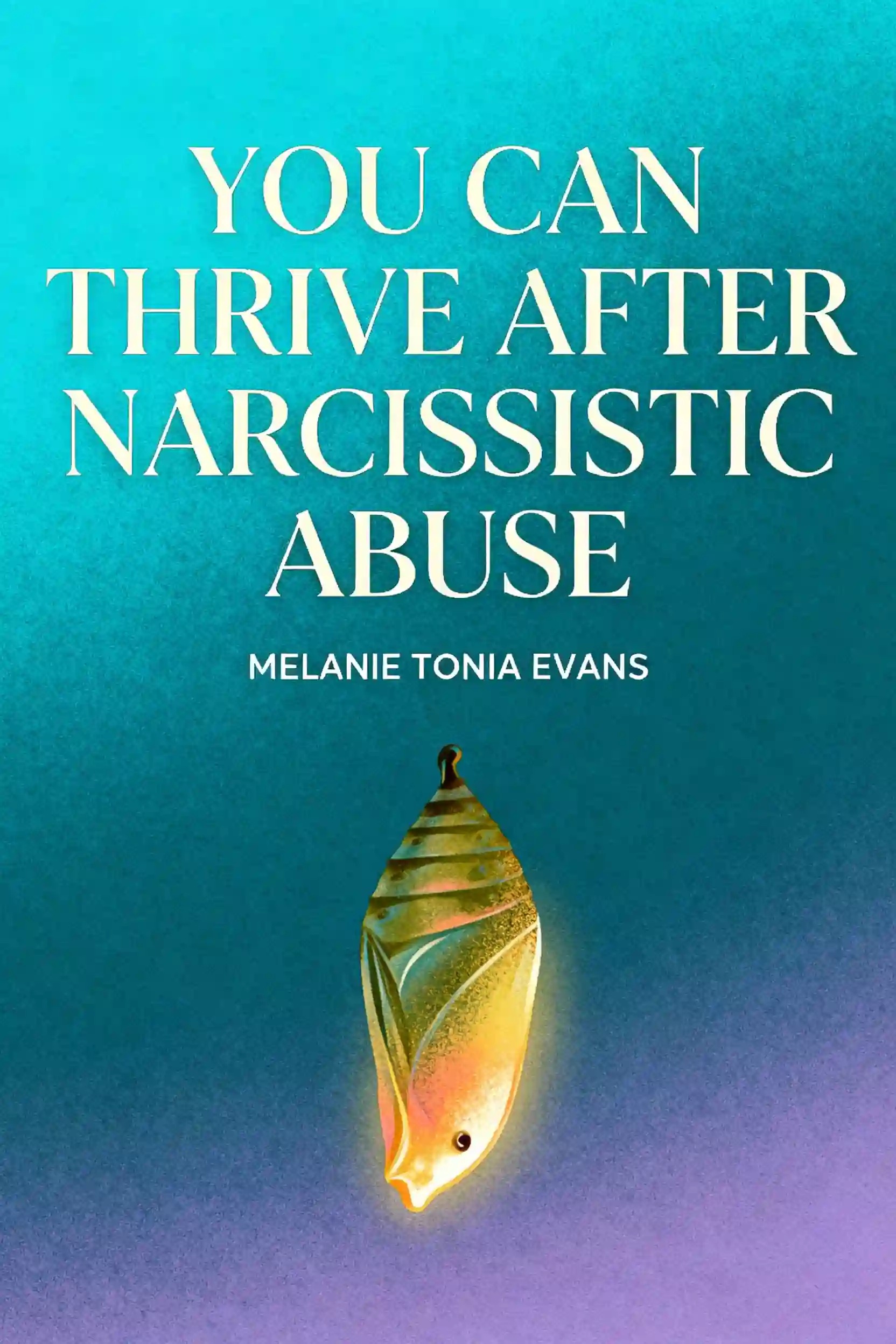
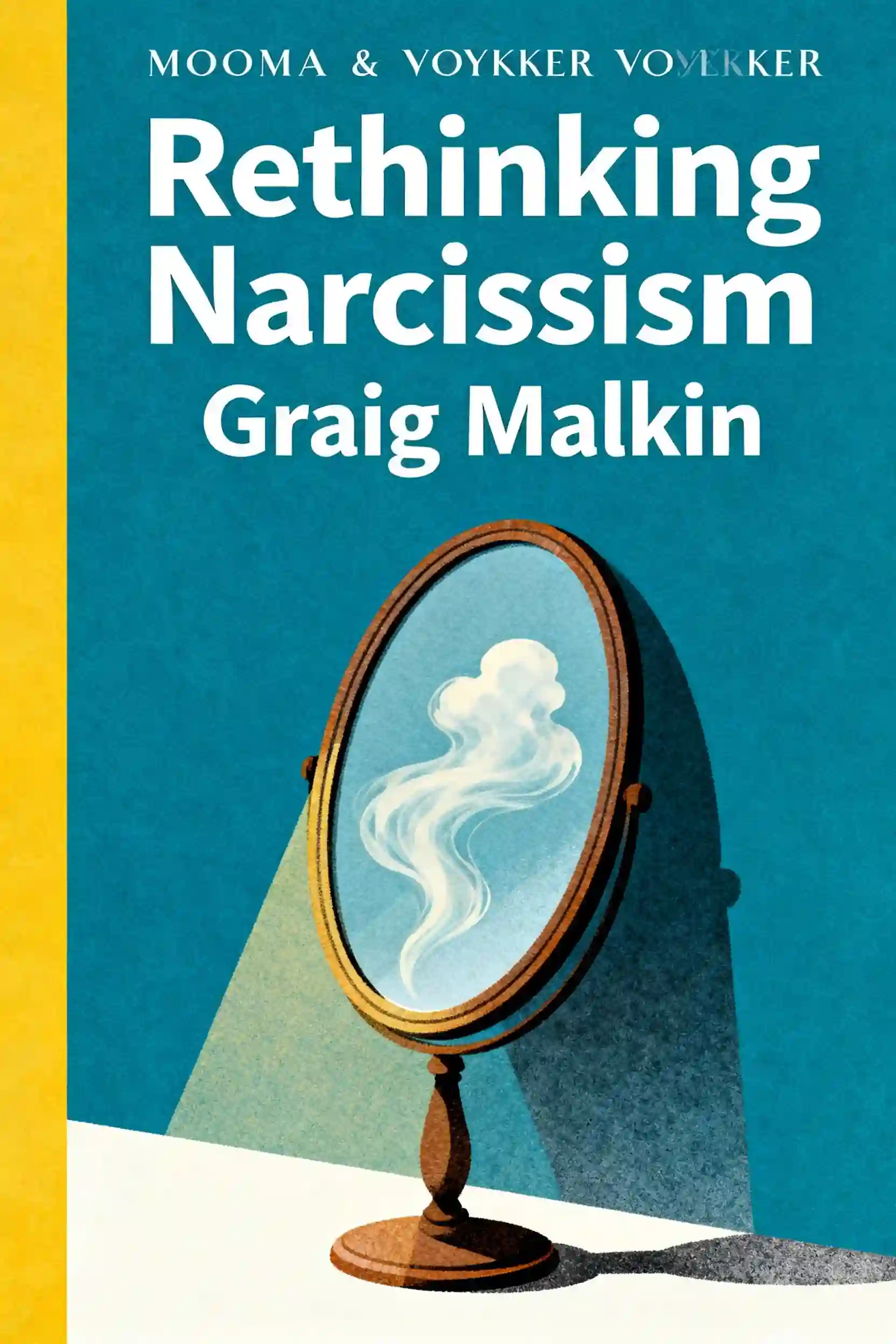
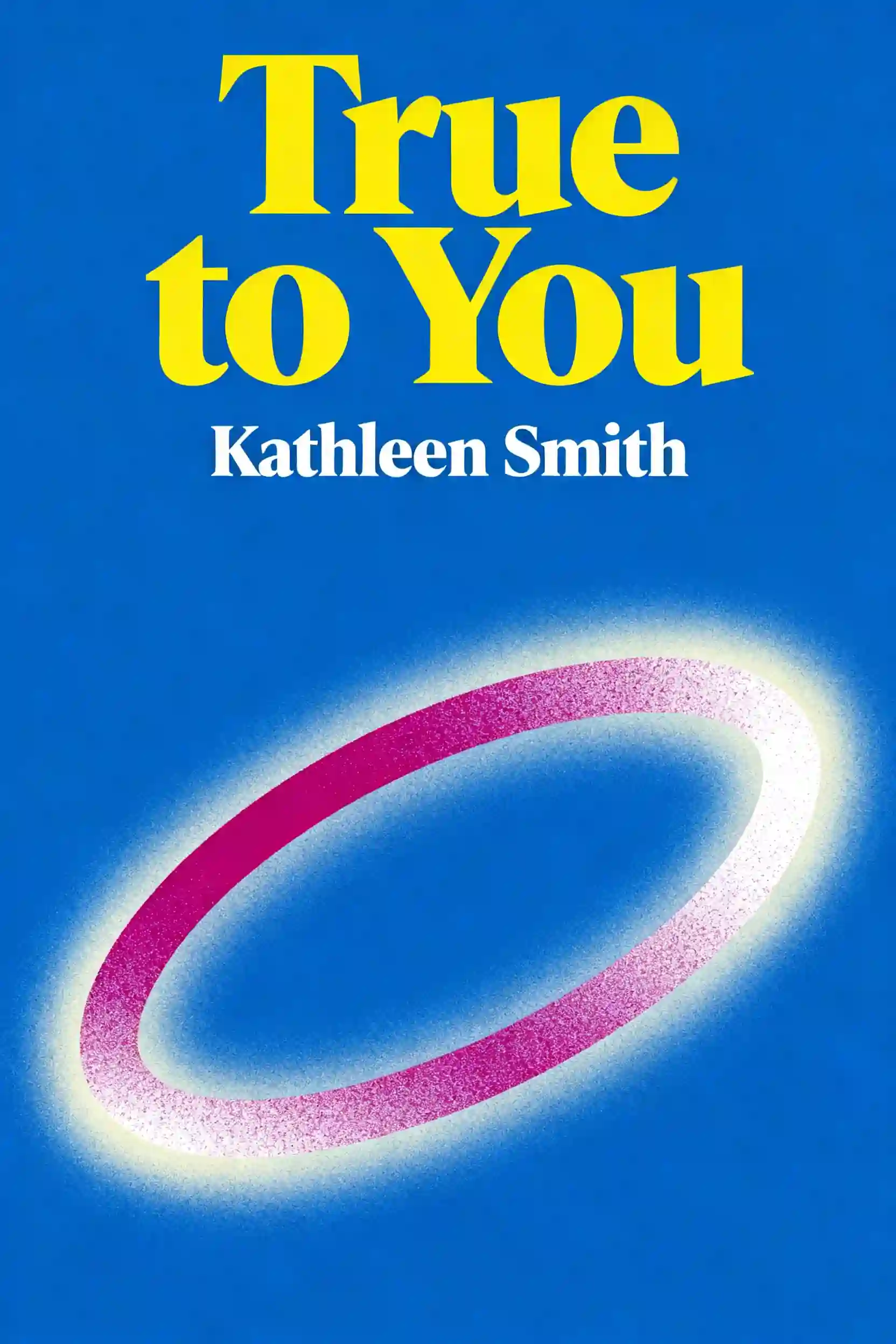
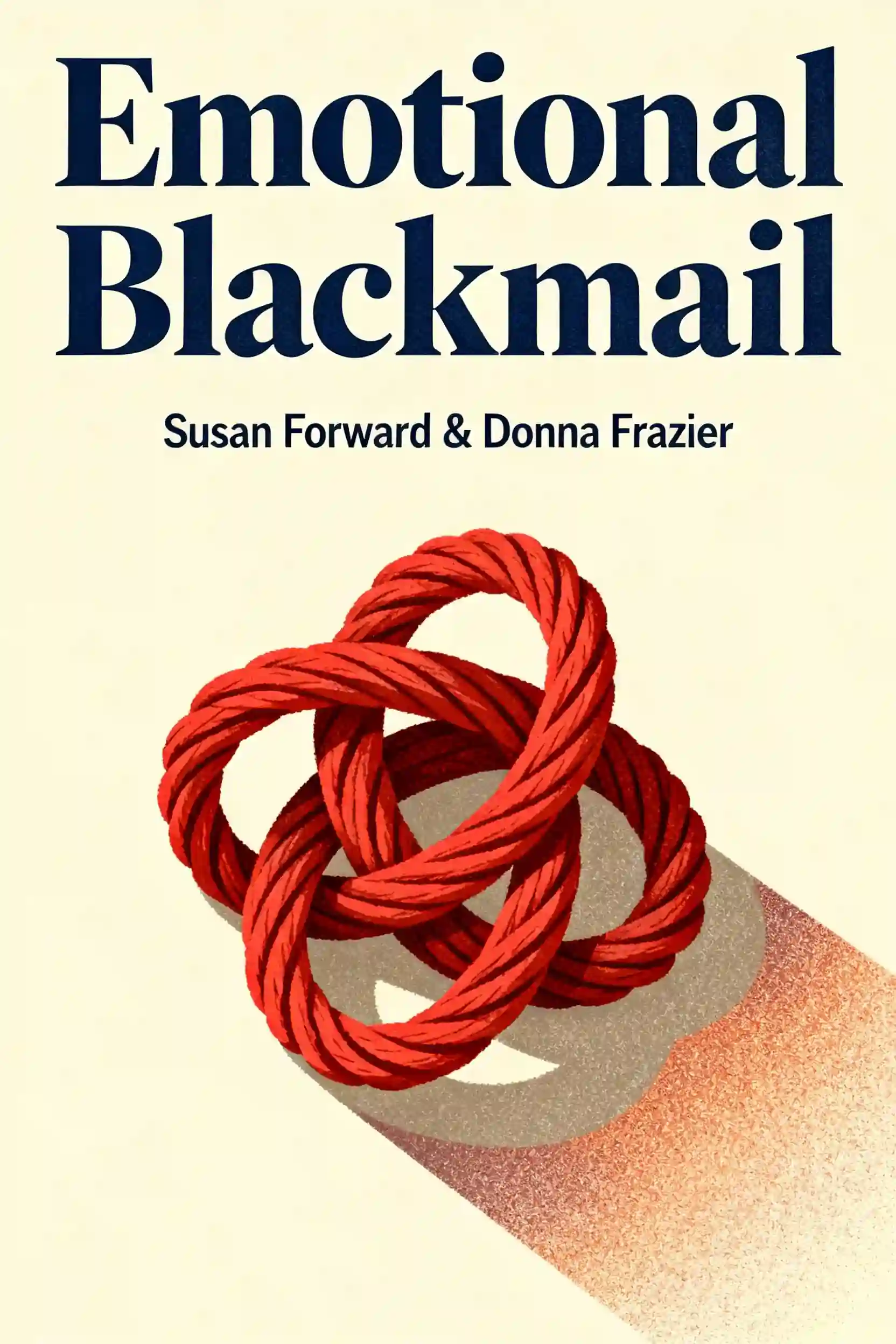
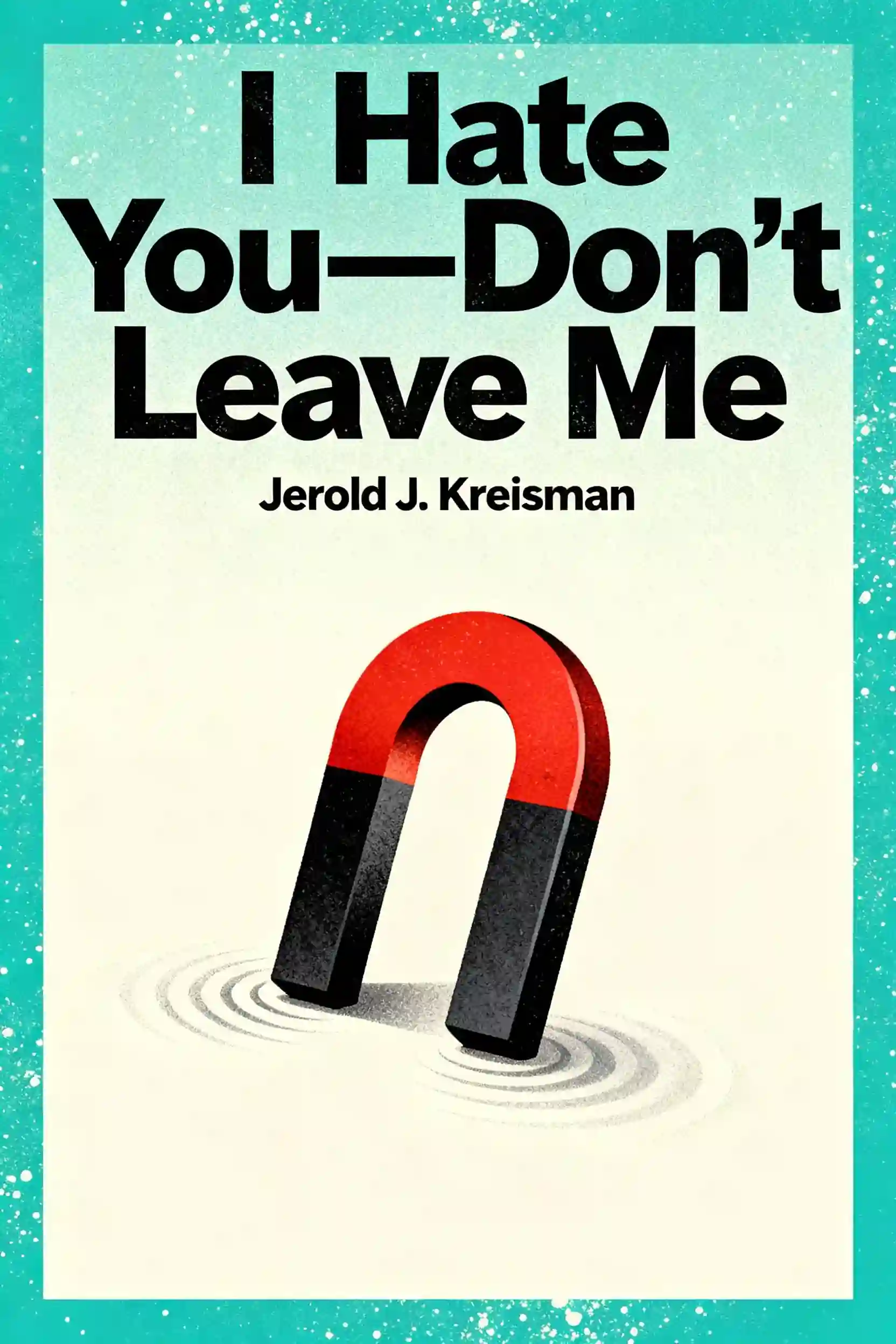
Discover more

Move past narc dynamics
Move past narc dynamics
This learning plan is designed for anyone recovering from relationships with narcissistic individuals or recognizing patterns of emotional manipulation in their life. It's particularly valuable for those who feel trapped in toxic dynamics, struggle with codependency, or are ready to break free from abusive relationships and rebuild their sense of self-worth. Whether you're currently in a difficult situation or healing from past experiences, this plan provides the tools to understand what happened, protect yourself, and create healthier connections moving forward.

How to not care what others think of you.
How to not care what others think of you.
This learning plan is essential for anyone struggling with social anxiety, chronic people-pleasing, or a loud inner critic. It provides a roadmap for individuals seeking to reclaim their autonomy and build a life rooted in authentic self-worth rather than external validation.

Covert narcissists
Covert narcissists
Covert narcissism is one of the most damaging yet hardest-to-detect relationship patterns, leaving victims questioning their reality and self-worth. This learning plan is essential for anyone who has experienced confusing, emotionally draining relationships where they feel controlled but can't quite pinpoint why, as well as those seeking to protect themselves from future manipulation and build healthier connections.

Stop seeking validation; own my values.
Stop seeking validation; own my values.
In a world driven by social comparison, many professionals struggle with people-pleasing that leads to burnout and a loss of identity. This plan is designed for individuals looking to reclaim their agency, establish healthy boundaries, and lead with authentic confidence.

Build Self-Worth & Walk-Away Power
Build Self-Worth & Walk-Away Power
This learning plan is essential for anyone struggling with people-pleasing, low self-esteem, or difficulty setting boundaries. It provides a psychological roadmap to reclaim your personal agency and build a life rooted in self-respect and emotional independence.
Help my selfishness tords my self
Help my selfishness tords my self
This plan is essential for anyone struggling with self-criticism or a lack of self-worth. It provides a structured path for individuals to transition from self-sabotage to self-compassion by building foundational emotional skills.
Manage toxic people & set healthy boundaries
Manage toxic people & set healthy boundaries
This plan is designed for individuals feeling drained by manipulative personalities or struggling to maintain personal space. It provides the essential tools to transition from being a victim of toxic patterns to a confident communicator with strong emotional safeguards.
Love self and gain social independence.
Love self and gain social independence.
This learning plan is designed for individuals who struggle with people-pleasing and external validation. It provides a structured path to transition from self-criticism to authentic leadership by building internal resilience and emotional self-reliance.
From Columbia University alumni built in San Francisco
"Instead of endless scrolling, I just hit play on BeFreed. It saves me so much time."


"I never knew where to start with nonfiction—BeFreed’s book lists turned into podcasts gave me a clear path."


"Perfect balance between learning and entertainment. Finished ‘Thinking, Fast and Slow’ on my commute this week."
"Crazy how much I learned while walking the dog. BeFreed = small habits → big gains."
"Reading used to feel like a chore. Now it’s just part of my lifestyle."

"Feels effortless compared to reading. I’ve finished 6 books this month already."
"BeFreed turned my guilty doomscrolling into something that feels productive and inspiring."

"BeFreed turned my commute into learning time. 20-min podcasts are perfect for finishing books I never had time for."
"BeFreed replaced my podcast queue. Imagine Spotify for books — that’s it. 🙌"

"It is great for me to learn something from the book without reading it."
"The themed book list podcasts help me connect ideas across authors—like a guided audio journey."
"Makes me feel smarter every time before going to work"
From Columbia University alumni built in San Francisco
"Instead of endless scrolling, I just hit play on BeFreed. It saves me so much time."
"I never knew where to start with nonfiction—BeFreed’s book lists turned into podcasts gave me a clear path."
"Perfect balance between learning and entertainment. Finished ‘Thinking, Fast and Slow’ on my commute this week."
"Crazy how much I learned while walking the dog. BeFreed = small habits → big gains."
"Reading used to feel like a chore. Now it’s just part of my lifestyle."
"Feels effortless compared to reading. I’ve finished 6 books this month already."
"BeFreed turned my guilty doomscrolling into something that feels productive and inspiring."
"BeFreed turned my commute into learning time. 20-min podcasts are perfect for finishing books I never had time for."
"BeFreed replaced my podcast queue. Imagine Spotify for books — that’s it. 🙌"
"It is great for me to learn something from the book without reading it."
"The themed book list podcasts help me connect ideas across authors—like a guided audio journey."
"Makes me feel smarter every time before going to work"
"Instead of endless scrolling, I just hit play on BeFreed. It saves me so much time."
"I never knew where to start with nonfiction—BeFreed’s book lists turned into podcasts gave me a clear path."
"Perfect balance between learning and entertainment. Finished ‘Thinking, Fast and Slow’ on my commute this week."
"Crazy how much I learned while walking the dog. BeFreed = small habits → big gains."
"Reading used to feel like a chore. Now it’s just part of my lifestyle."
"Feels effortless compared to reading. I’ve finished 6 books this month already."
"BeFreed turned my guilty doomscrolling into something that feels productive and inspiring."
"BeFreed turned my commute into learning time. 20-min podcasts are perfect for finishing books I never had time for."
"BeFreed replaced my podcast queue. Imagine Spotify for books — that’s it. 🙌"
"It is great for me to learn something from the book without reading it."
"The themed book list podcasts help me connect ideas across authors—like a guided audio journey."
"Makes me feel smarter every time before going to work"
"Instead of endless scrolling, I just hit play on BeFreed. It saves me so much time."
"I never knew where to start with nonfiction—BeFreed’s book lists turned into podcasts gave me a clear path."
"Perfect balance between learning and entertainment. Finished ‘Thinking, Fast and Slow’ on my commute this week."
"Crazy how much I learned while walking the dog. BeFreed = small habits → big gains."
"Reading used to feel like a chore. Now it’s just part of my lifestyle."
"Feels effortless compared to reading. I’ve finished 6 books this month already."
"BeFreed turned my guilty doomscrolling into something that feels productive and inspiring."
"BeFreed turned my commute into learning time. 20-min podcasts are perfect for finishing books I never had time for."
"BeFreed replaced my podcast queue. Imagine Spotify for books — that’s it. 🙌"
"It is great for me to learn something from the book without reading it."
"The themed book list podcasts help me connect ideas across authors—like a guided audio journey."
"Makes me feel smarter every time before going to work"


