
How Intelligence Assets Penetrated Tehran
Israeli and US intelligence used everyday data to track high-level targets. Learn how Mossad and the CIA turned urban infrastructure into a lethal net.

Best quote from How Intelligence Assets Penetrated Tehran
The real victory was won in the years spent mapping the trash collection, the grocery runs, and the parking habits of the men who guarded the revolution, turning the regime's tools of social control into the very sensors that would guide missiles to their doorsteps.

This audio lesson was created by a BeFreed community member
Everything you know about the assassination of ayatollah of Iran. Espionage, intelligence, assets etc.


Frequently Asked Questions
The Octopus Doctrine represented a strategic shift in Israeli intelligence from targeting "tentacles"—proxy groups like Hezbollah or militias in Iraq—to targeting the "head" of the octopus in Tehran. The goal was to make Iranian leadership feel the direct, personal cost of their regional ambitions. This was achieved through psychological warfare, such as the interrogation and release of Quds Force agent Mansour Rasouli within Iran, which sowed internal paranoia and distrust among the regime's high-ranking officials.
Operation Narnia focused on "strategic degradation" by targeting the "brain trust" of the nuclear program rather than just physical infrastructure. The logic was that while centrifuges can be rebuilt, the decades of institutional memory held by top scientists cannot be easily replaced. This culminated in the simultaneous elimination of nine key specialists in June 2025, effectively "lobotomizing" the program by removing experts in complex fields like multipoint initiation systems and bomb yield calculations.
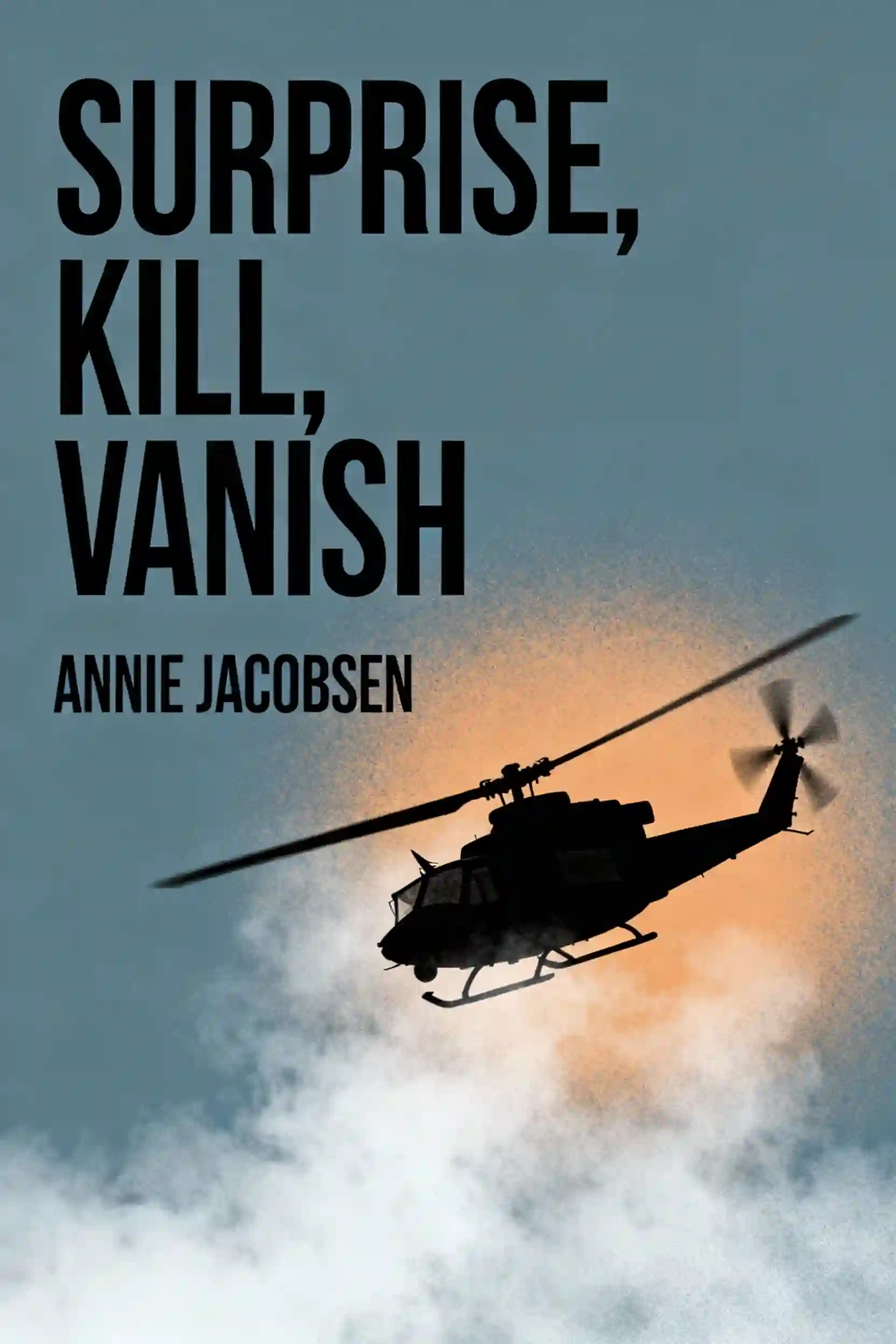
Intelligence agencies used Social Network Analysis and digital surveillance to map the "pattern of life" for high-value targets. By hacking Tehran’s traffic cameras and tracking the mobile metadata of bodyguards, Mossad and Unit 8200 built a portrait of the regime’s inner sanctum more accurate than the IRGC’s own reports. This allowed handlers to identify a "sixty-second window" for strikes based on mundane habits, such as where bodyguards parked or when officials held morning briefings.
The Nuclear Paradox refers to the fact that while massive bombing campaigns like Operation Epic Fury destroyed visible facilities, Iran remains a "post-production" state. Because Iran had already produced a significant stockpile of 60 percent enriched uranium and likely hidden advanced centrifuges in undisclosed, hardened locations, the physical destruction of known sites did not eliminate the "seeds" of a future weapon. This makes the program harder to track as it moves into deeper, more invisible layers or seeks external assistance from actors like North Korea.
The foundation of the "invisible net" was a human intelligence network composed of local citizens and marginalized ethnic groups, such as Kurds, Baluchis, and Azeris. These assets provided "plausible deniability" and allowed for high-stakes operations, like the theft of the "Project Amad" nuclear archive or the placement of explosives in high-security guest houses, to be carried out with an intimacy that outsiders could not achieve. This created a "glass house" effect where the regime could no longer trust its own internal security or supply chains.
Discover more

Master CIA-level intelligence and tradecraft
Master CIA-level intelligence and tradecraft
This curriculum provides a rare look into the psychological frameworks and operational tactics used by elite intelligence officers. It is ideal for security professionals, corporate negotiators, or anyone looking to master high-stakes human influence and situational awareness.

Historical intelligence
Historical intelligence
This learning plan provides essential context for understanding how intelligence operations have shaped global events and continue to influence modern geopolitics. It's ideal for students of history, international relations, security studies, or anyone seeking to comprehend the hidden mechanisms that have driven major historical turning points and contemporary world affairs.

Long-term impact of Iran-US-Israel conflict
Long-term impact of Iran-US-Israel conflict
This plan provides a critical lens into the geopolitical tensions shaping the modern world. It is essential for students of international relations, policymakers, and global investors seeking to understand how this conflict influences global stability.

Iran Israel war latest situation and analysis
Iran Israel war latest situation and analysis
The Iran-Israel conflict represents one of the most volatile and consequential geopolitical tensions in today's world, with potential to reshape regional and global security. This learning plan benefits diplomacy professionals, international relations students, journalists, and informed citizens seeking to understand the conflict beyond headlines.
US-Iran Conflict: Past, Present & Future
US-Iran Conflict: Past, Present & Future
This plan is essential for anyone seeking to understand the most volatile relationship in modern geopolitics. It is ideal for students of international relations, policy professionals, or curious citizens wanting to look beyond the headlines at the roots of Middle Eastern conflict.

Learn MKUltra & manipulation techniques
Learn MKUltra & manipulation techniques
This learning plan is essential for individuals seeking to understand the mechanics of human vulnerability and the history of psychological warfare. It is particularly beneficial for students of psychology, security professionals, or anyone wanting to safeguard their mental autonomy against modern manipulation.
Master mind reading & manipulation for power
Master mind reading & manipulation for power
This curriculum is designed for ambitious professionals and leaders who need to navigate high-stakes environments where social intelligence is the ultimate currency. It provides a deep dive into the mechanics of human behavior, offering the tools necessary to command authority and neutralize opposition.
AI Hacking, Cybersec & Bug Bounties
AI Hacking, Cybersec & Bug Bounties
As cyber threats evolve with artificial intelligence, mastering both traditional penetration testing and AI security is essential for modern defenders. This plan is ideal for aspiring ethical hackers and security professionals looking to monetize their skills through bug bounties and advanced threat detection.
From Columbia University alumni built in San Francisco
"Instead of endless scrolling, I just hit play on BeFreed. It saves me so much time."


"I never knew where to start with nonfiction—BeFreed’s book lists turned into podcasts gave me a clear path."


"Perfect balance between learning and entertainment. Finished ‘Thinking, Fast and Slow’ on my commute this week."
"Crazy how much I learned while walking the dog. BeFreed = small habits → big gains."
"Reading used to feel like a chore. Now it’s just part of my lifestyle."

"Feels effortless compared to reading. I’ve finished 6 books this month already."
"BeFreed turned my guilty doomscrolling into something that feels productive and inspiring."

"BeFreed turned my commute into learning time. 20-min podcasts are perfect for finishing books I never had time for."
"BeFreed replaced my podcast queue. Imagine Spotify for books — that’s it. 🙌"

"It is great for me to learn something from the book without reading it."
"The themed book list podcasts help me connect ideas across authors—like a guided audio journey."
"Makes me feel smarter every time before going to work"
From Columbia University alumni built in San Francisco
"Instead of endless scrolling, I just hit play on BeFreed. It saves me so much time."
"I never knew where to start with nonfiction—BeFreed’s book lists turned into podcasts gave me a clear path."
"Perfect balance between learning and entertainment. Finished ‘Thinking, Fast and Slow’ on my commute this week."
"Crazy how much I learned while walking the dog. BeFreed = small habits → big gains."
"Reading used to feel like a chore. Now it’s just part of my lifestyle."
"Feels effortless compared to reading. I’ve finished 6 books this month already."
"BeFreed turned my guilty doomscrolling into something that feels productive and inspiring."
"BeFreed turned my commute into learning time. 20-min podcasts are perfect for finishing books I never had time for."
"BeFreed replaced my podcast queue. Imagine Spotify for books — that’s it. 🙌"
"It is great for me to learn something from the book without reading it."
"The themed book list podcasts help me connect ideas across authors—like a guided audio journey."
"Makes me feel smarter every time before going to work"
"Instead of endless scrolling, I just hit play on BeFreed. It saves me so much time."
"I never knew where to start with nonfiction—BeFreed’s book lists turned into podcasts gave me a clear path."
"Perfect balance between learning and entertainment. Finished ‘Thinking, Fast and Slow’ on my commute this week."
"Crazy how much I learned while walking the dog. BeFreed = small habits → big gains."
"Reading used to feel like a chore. Now it’s just part of my lifestyle."
"Feels effortless compared to reading. I’ve finished 6 books this month already."
"BeFreed turned my guilty doomscrolling into something that feels productive and inspiring."
"BeFreed turned my commute into learning time. 20-min podcasts are perfect for finishing books I never had time for."
"BeFreed replaced my podcast queue. Imagine Spotify for books — that’s it. 🙌"
"It is great for me to learn something from the book without reading it."
"The themed book list podcasts help me connect ideas across authors—like a guided audio journey."
"Makes me feel smarter every time before going to work"
"Instead of endless scrolling, I just hit play on BeFreed. It saves me so much time."
"I never knew where to start with nonfiction—BeFreed’s book lists turned into podcasts gave me a clear path."
"Perfect balance between learning and entertainment. Finished ‘Thinking, Fast and Slow’ on my commute this week."
"Crazy how much I learned while walking the dog. BeFreed = small habits → big gains."
"Reading used to feel like a chore. Now it’s just part of my lifestyle."
"Feels effortless compared to reading. I’ve finished 6 books this month already."
"BeFreed turned my guilty doomscrolling into something that feels productive and inspiring."
"BeFreed turned my commute into learning time. 20-min podcasts are perfect for finishing books I never had time for."
"BeFreed replaced my podcast queue. Imagine Spotify for books — that’s it. 🙌"
"It is great for me to learn something from the book without reading it."
"The themed book list podcasts help me connect ideas across authors—like a guided audio journey."
"Makes me feel smarter every time before going to work"


