
How human physiology works as a system
We often treat body parts as separate, but they function as a coordinated orchestra. Learn how your organ systems maintain balance to keep you running.

Best quote from How human physiology works as a system
The big secret of physiology is that nothing happens in a vacuum. Every single one of your eleven organ systems is constantly talking to the others to maintain homeostasis, which is that steady internal balance we need to stay alive.

This audio lesson was created by a BeFreed community member
The fundamentals of the human body, leading into the individual systems and how they work together, as well as how additional stimuli such as exercise, sleep, diet, medicine, etc. interact with the systems.

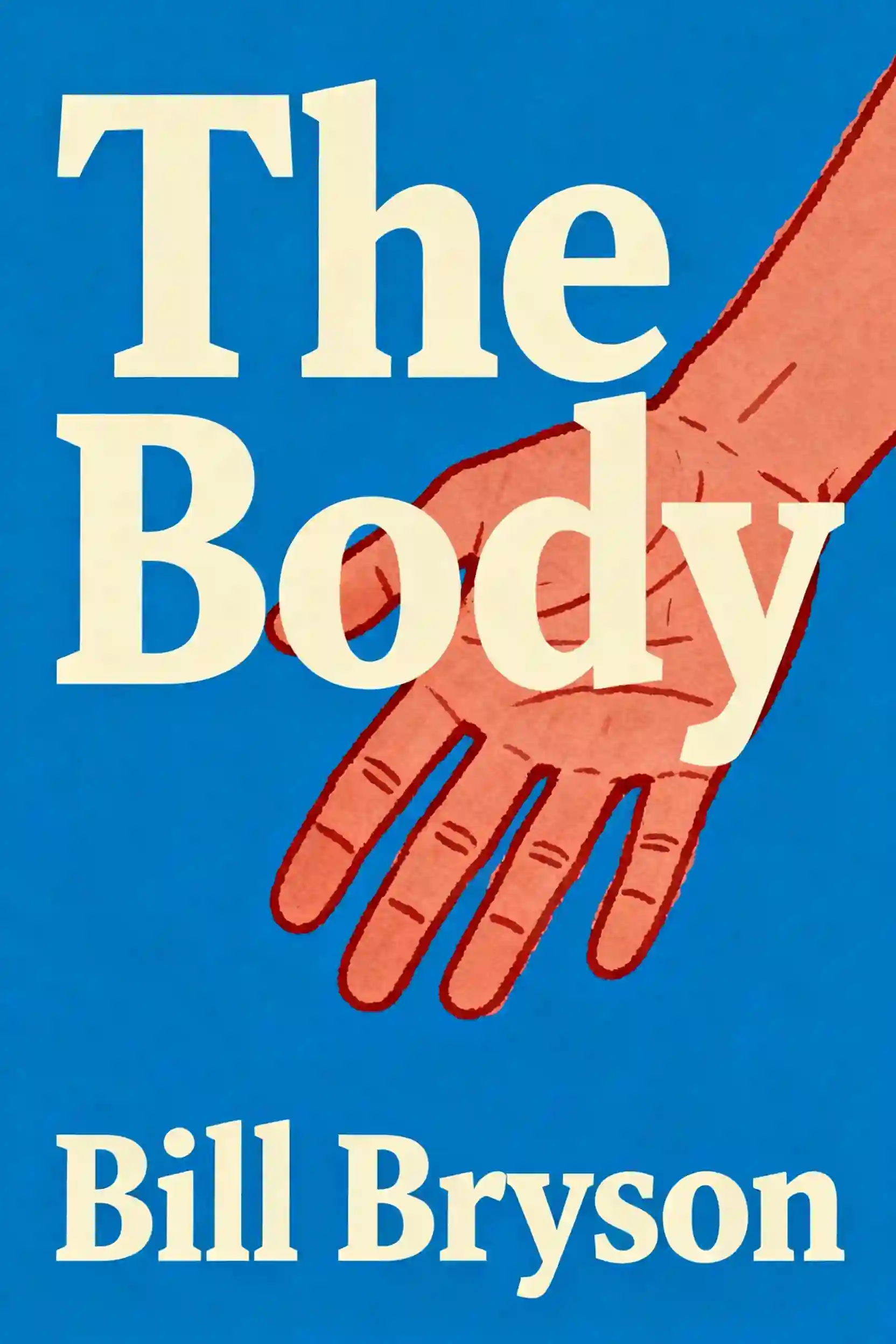
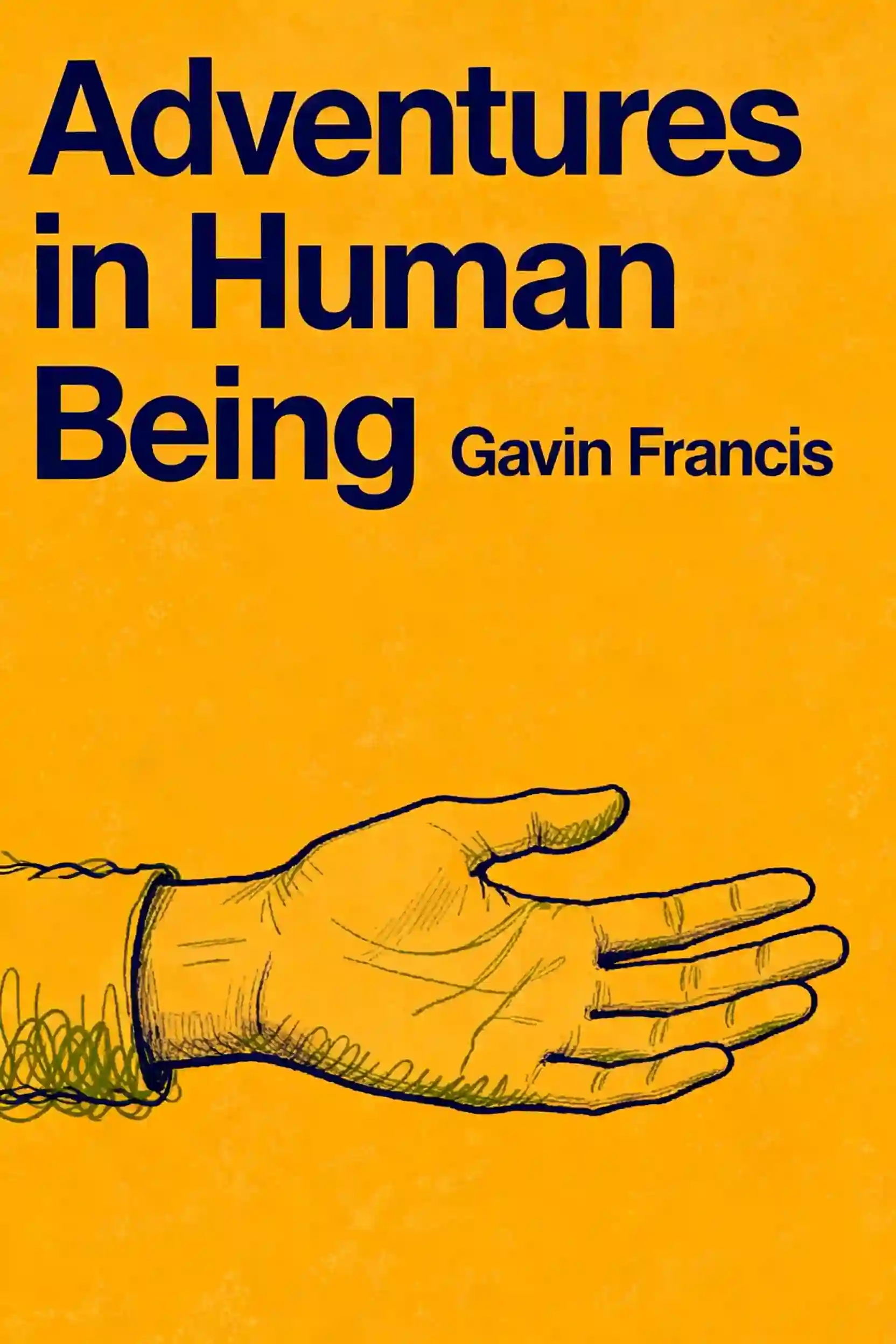
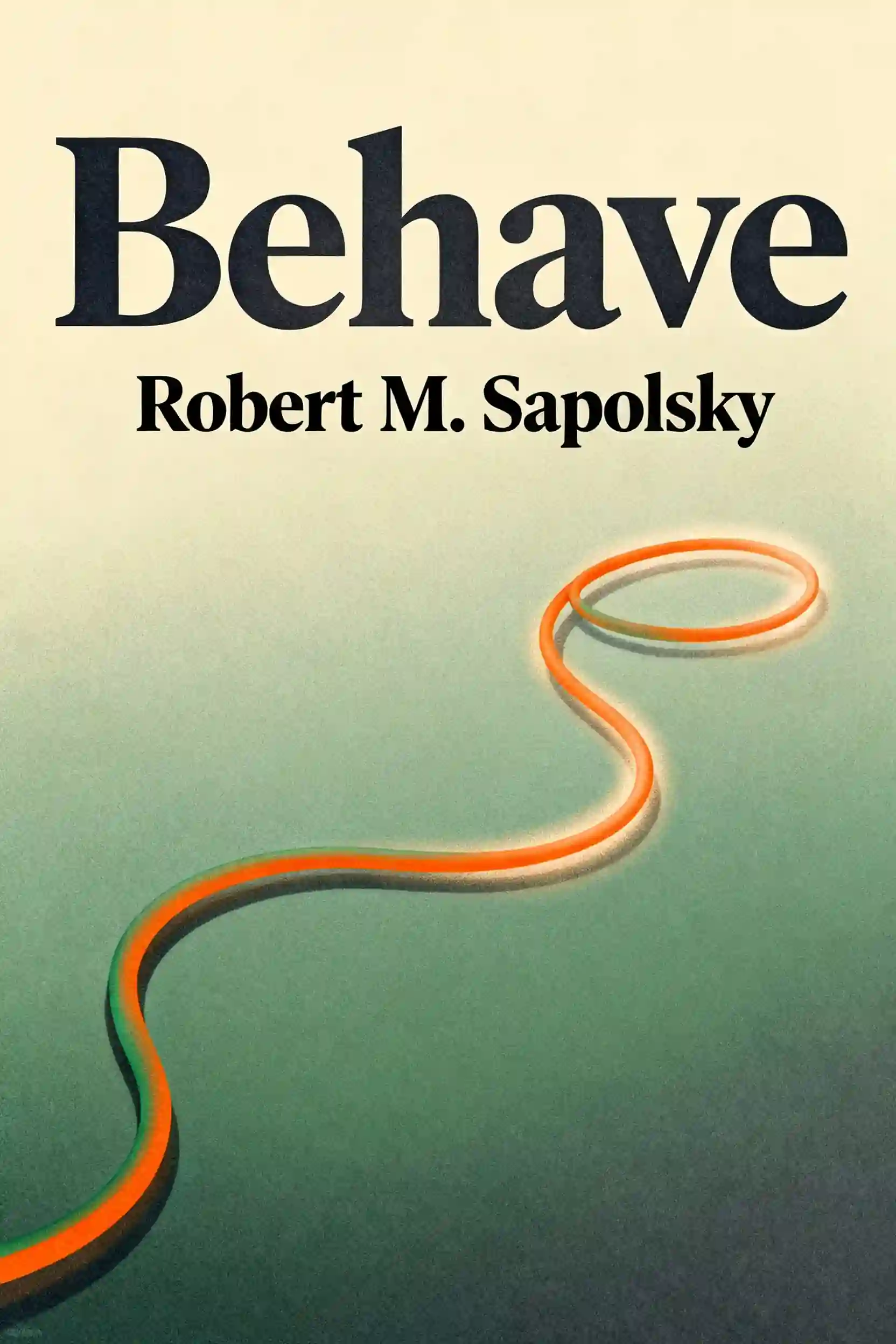
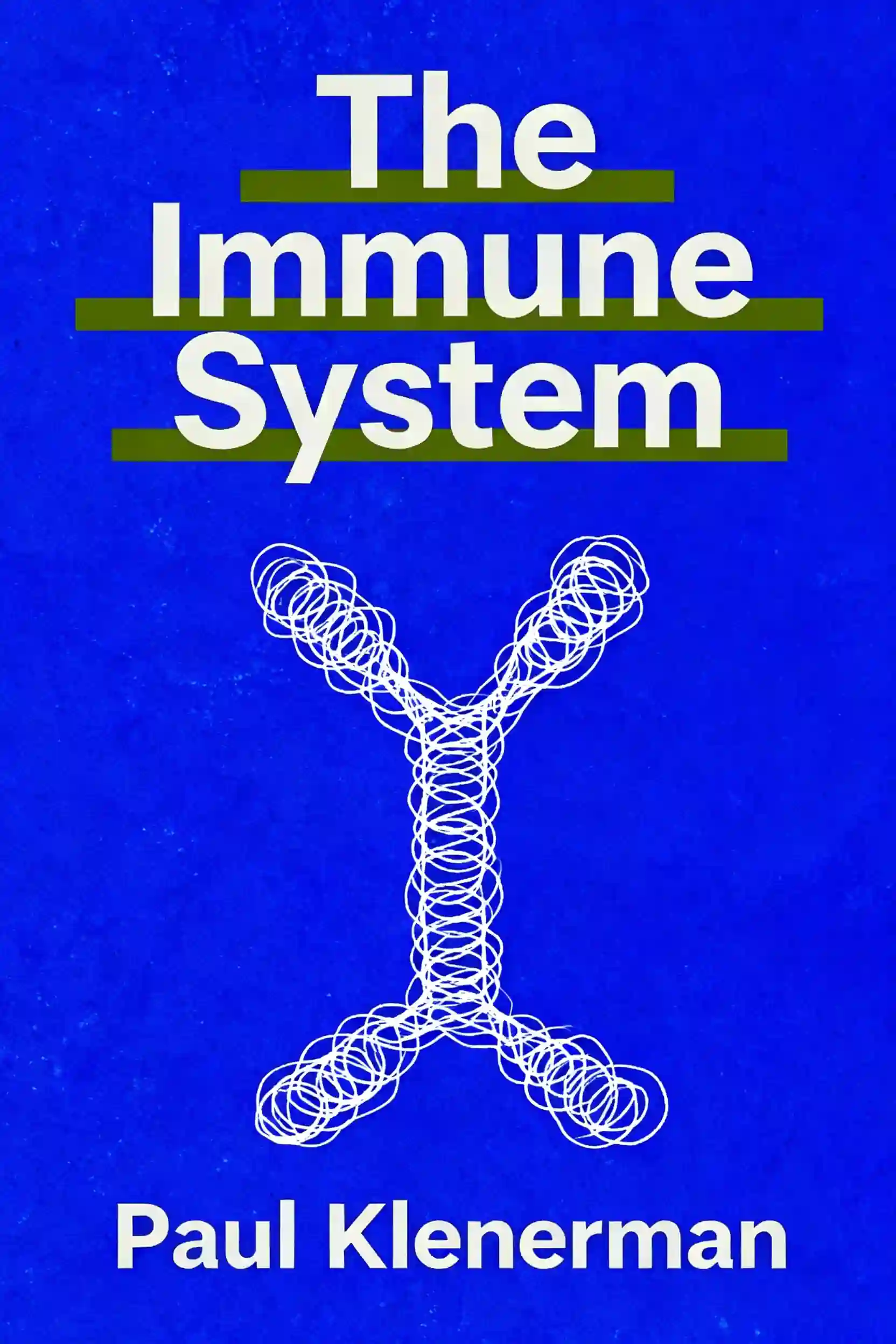
Frequently Asked Questions
Homeostasis is the body’s obsession with maintaining a steady internal balance, such as regulating temperature, pH, and electrolyte levels within a narrow functional range. It is compared to an orchestra because no organ system operates in a vacuum; instead, all eleven systems constantly "talk" to one another. When one system shifts, the others react and adjust in a perfectly timed coordination to ensure the "symphony" of life continues to play smoothly.
These two systems act as the body's dual command centers. The nervous system functions like high-speed fiber-optic cables, using electrical signals to coordinate immediate, split-second responses like movement or sensory perception. In contrast, the endocrine system acts like a targeted broadcast system, using hormones that travel through the bloodstream. While the endocrine system is slower to start, its effects on processes like growth, metabolism, and stress responses are much longer-lasting.
Sleep is a highly active biological process governed by a master clock in the brain called the suprachiasmatic nucleus. During this time, the body performs essential repairs, such as releasing growth hormones for tissue fix-up and engaging in "glymphatic clearance" to flush metabolic toxins out of the brain. Sleep also regulates vital metabolic hormones like leptin and ghrelin, which control appetite; without enough sleep, the body struggles to manage hunger and insulin sensitivity.
Exerkines are signaling molecules released by muscles during physical activity. They prove that muscles are not just for movement but act as metabolic powerhouses that communicate with the rest of the body. For example, the exerkine irisin can travel to the brain to support cognitive function, while others help regulate blood sugar and reduce systemic inflammation. This "metabolic chatter" helps the body stay sharp and maintain long-term cardiovascular and neural health.
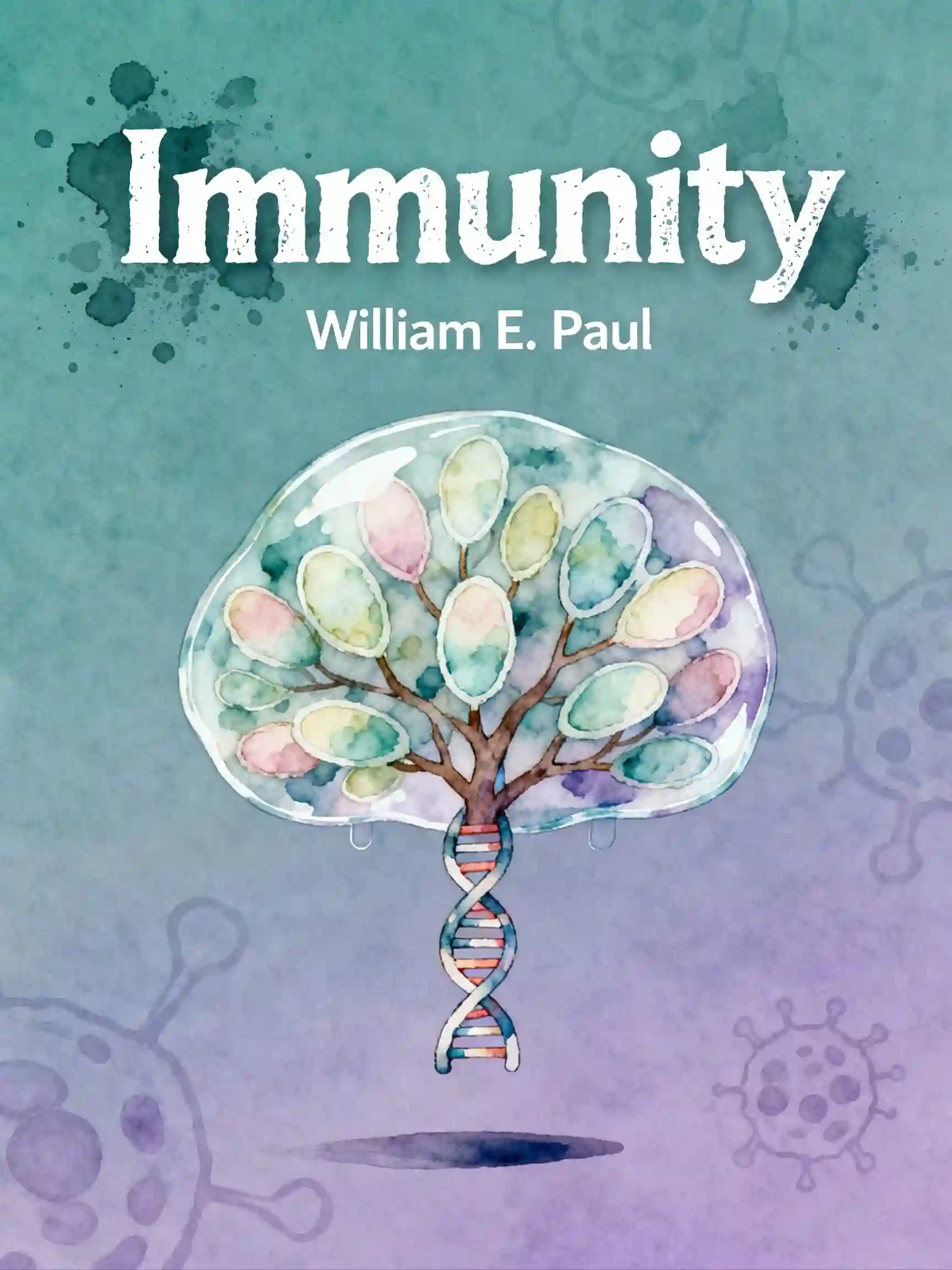
The immune system is a widespread security force that starts with the skin, the body's largest organ and primary protective barrier. Beyond the skin, a massive portion of the immune defense is located in the digestive tract as gut-associated lymphoid tissue (GALT), which monitors pathogens in the food we eat. This system is highly sensitive to lifestyle; for instance, chronic stress can signal the immune system to "stand down," while regular exercise and exposure to diverse microbes help "train" immune cells to function more effectively.
Discover more

Human physiology
Human physiology
Understanding the intricate mechanics of the human body is essential for anyone pursuing a career in healthcare, sports science, or biological research. This plan provides a comprehensive bridge between basic anatomy and clinical pathology, making it ideal for students and professionals seeking to master how life is sustained at a molecular and systemic level.

Human anatomy
Human anatomy
Understanding human anatomy is essential for anyone pursuing healthcare, fitness, or personal wellness. This plan provides a comprehensive overview of how our biological systems integrate to maintain life and movement.
Learn human anatomy and physiology functions
Learn human anatomy and physiology functions
This plan provides a comprehensive bridge between basic biological structures and complex physiological functions. It is ideal for students, healthcare aspirants, or curious learners seeking to understand the intricate machinery that sustains human life.

Learn about the human body
Learn about the human body
This learning plan provides a comprehensive overview of human biology, from cellular architecture to complex neural networks. It is essential for anyone seeking to understand their own physical health and the science-backed ways to maintain it.

Body, Pleasure, Nutrition & Neuroscience
Body, Pleasure, Nutrition & Neuroscience
This plan bridges the gap between biological science and daily well-being by exploring how our internal systems dictate our experience of life. It is ideal for individuals seeking a science-backed approach to mental health, nutrition, and somatic self-awareness.
Body, Habits, Psychology & Culture Study
Body, Habits, Psychology & Culture Study
This plan bridges the gap between biological systems and social influences to explain why we act the way we do. It is ideal for individuals seeking to master self-regulation and professionals looking to understand human behavior in a cultural context.
Health, Tech, Science & Human Performance
Health, Tech, Science & Human Performance
This plan bridges the gap between complex science and practical application for high achievers and athletes. It is essential for anyone looking to master their biology and use modern technology to gain a competitive edge in health and performance.
Body, Nutrition, Fitness, Sleep & Recovery
Body, Nutrition, Fitness, Sleep & Recovery
This comprehensive guide bridges the gap between biological theory and practical lifestyle application for total body optimization. It is ideal for health-conscious individuals and fitness enthusiasts looking to build a sustainable foundation in anatomy, nutrition, and recovery.
From Columbia University alumni built in San Francisco
"Instead of endless scrolling, I just hit play on BeFreed. It saves me so much time."


"I never knew where to start with nonfiction—BeFreed’s book lists turned into podcasts gave me a clear path."


"Perfect balance between learning and entertainment. Finished ‘Thinking, Fast and Slow’ on my commute this week."
"Crazy how much I learned while walking the dog. BeFreed = small habits → big gains."
"Reading used to feel like a chore. Now it’s just part of my lifestyle."

"Feels effortless compared to reading. I’ve finished 6 books this month already."
"BeFreed turned my guilty doomscrolling into something that feels productive and inspiring."

"BeFreed turned my commute into learning time. 20-min podcasts are perfect for finishing books I never had time for."
"BeFreed replaced my podcast queue. Imagine Spotify for books — that’s it. 🙌"

"It is great for me to learn something from the book without reading it."
"The themed book list podcasts help me connect ideas across authors—like a guided audio journey."
"Makes me feel smarter every time before going to work"
From Columbia University alumni built in San Francisco
"Instead of endless scrolling, I just hit play on BeFreed. It saves me so much time."
"I never knew where to start with nonfiction—BeFreed’s book lists turned into podcasts gave me a clear path."
"Perfect balance between learning and entertainment. Finished ‘Thinking, Fast and Slow’ on my commute this week."
"Crazy how much I learned while walking the dog. BeFreed = small habits → big gains."
"Reading used to feel like a chore. Now it’s just part of my lifestyle."
"Feels effortless compared to reading. I’ve finished 6 books this month already."
"BeFreed turned my guilty doomscrolling into something that feels productive and inspiring."
"BeFreed turned my commute into learning time. 20-min podcasts are perfect for finishing books I never had time for."
"BeFreed replaced my podcast queue. Imagine Spotify for books — that’s it. 🙌"
"It is great for me to learn something from the book without reading it."
"The themed book list podcasts help me connect ideas across authors—like a guided audio journey."
"Makes me feel smarter every time before going to work"
"Instead of endless scrolling, I just hit play on BeFreed. It saves me so much time."
"I never knew where to start with nonfiction—BeFreed’s book lists turned into podcasts gave me a clear path."
"Perfect balance between learning and entertainment. Finished ‘Thinking, Fast and Slow’ on my commute this week."
"Crazy how much I learned while walking the dog. BeFreed = small habits → big gains."
"Reading used to feel like a chore. Now it’s just part of my lifestyle."
"Feels effortless compared to reading. I’ve finished 6 books this month already."
"BeFreed turned my guilty doomscrolling into something that feels productive and inspiring."
"BeFreed turned my commute into learning time. 20-min podcasts are perfect for finishing books I never had time for."
"BeFreed replaced my podcast queue. Imagine Spotify for books — that’s it. 🙌"
"It is great for me to learn something from the book without reading it."
"The themed book list podcasts help me connect ideas across authors—like a guided audio journey."
"Makes me feel smarter every time before going to work"
"Instead of endless scrolling, I just hit play on BeFreed. It saves me so much time."
"I never knew where to start with nonfiction—BeFreed’s book lists turned into podcasts gave me a clear path."
"Perfect balance between learning and entertainment. Finished ‘Thinking, Fast and Slow’ on my commute this week."
"Crazy how much I learned while walking the dog. BeFreed = small habits → big gains."
"Reading used to feel like a chore. Now it’s just part of my lifestyle."
"Feels effortless compared to reading. I’ve finished 6 books this month already."
"BeFreed turned my guilty doomscrolling into something that feels productive and inspiring."
"BeFreed turned my commute into learning time. 20-min podcasts are perfect for finishing books I never had time for."
"BeFreed replaced my podcast queue. Imagine Spotify for books — that’s it. 🙌"
"It is great for me to learn something from the book without reading it."
"The themed book list podcasts help me connect ideas across authors—like a guided audio journey."
"Makes me feel smarter every time before going to work"


