
How Can We Know Anything? Foundationalism and Infinite Regression
Explore the limits of knowledge, from circular arguments and infinite regression to foundationalism and the complexities of personal and general revelation.

Best quote from How Can We Know Anything? Foundationalism and Infinite Regression
We’ve treated intelligibility as a guest in the universe when it’s actually the host; it is not something we construct or arrive at, but is already operative in every single act of thought.

This audio lesson was created by a BeFreed community member
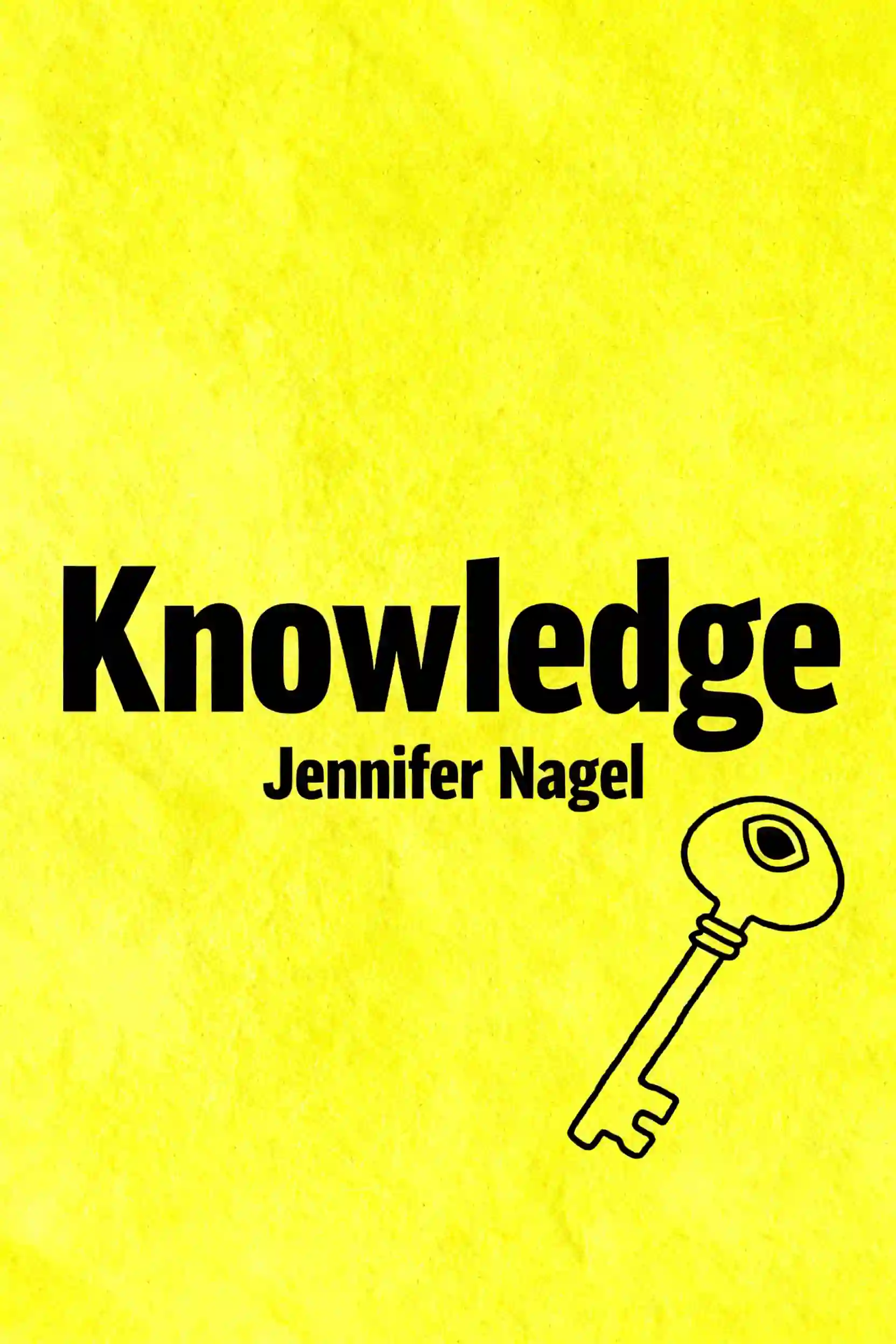
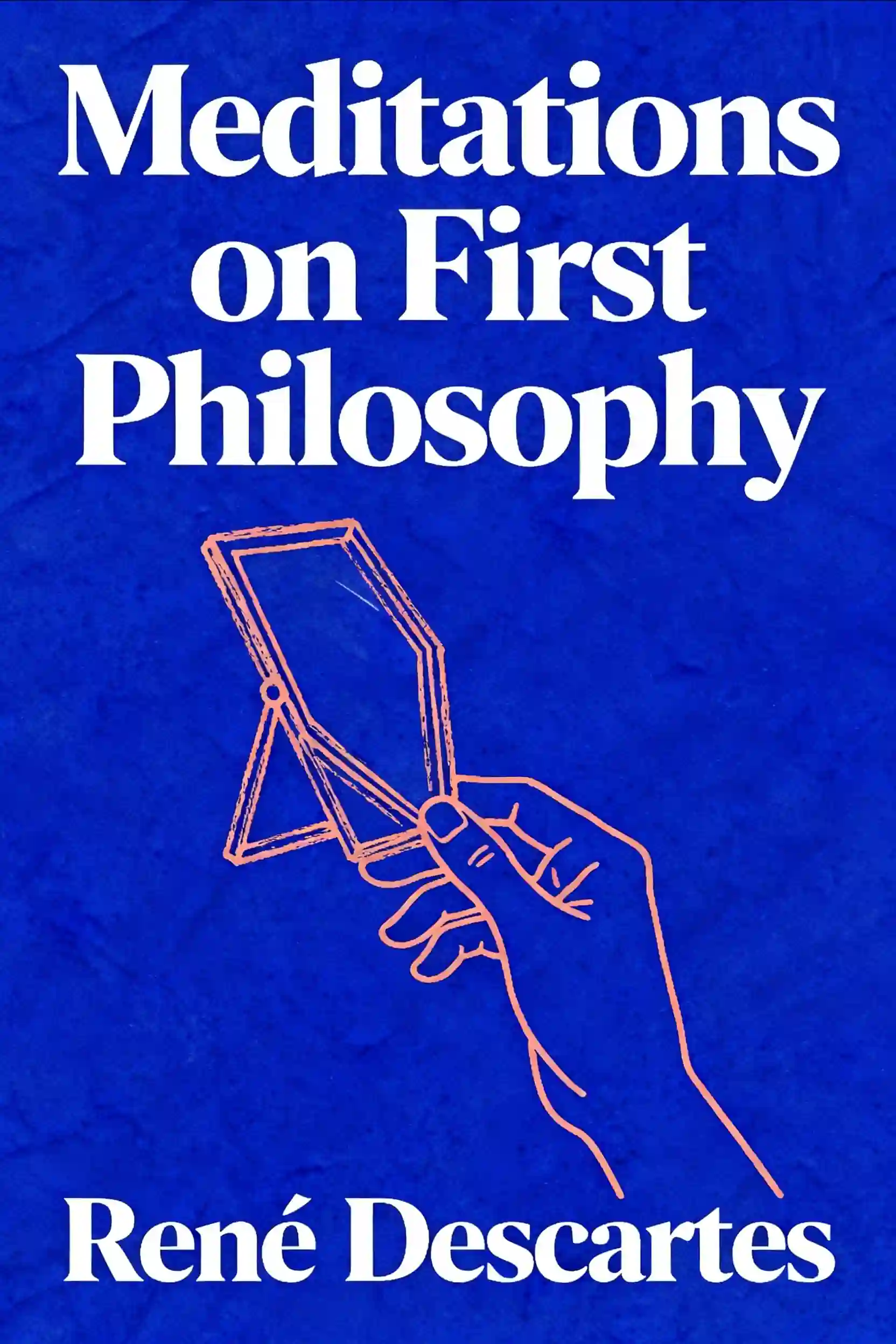
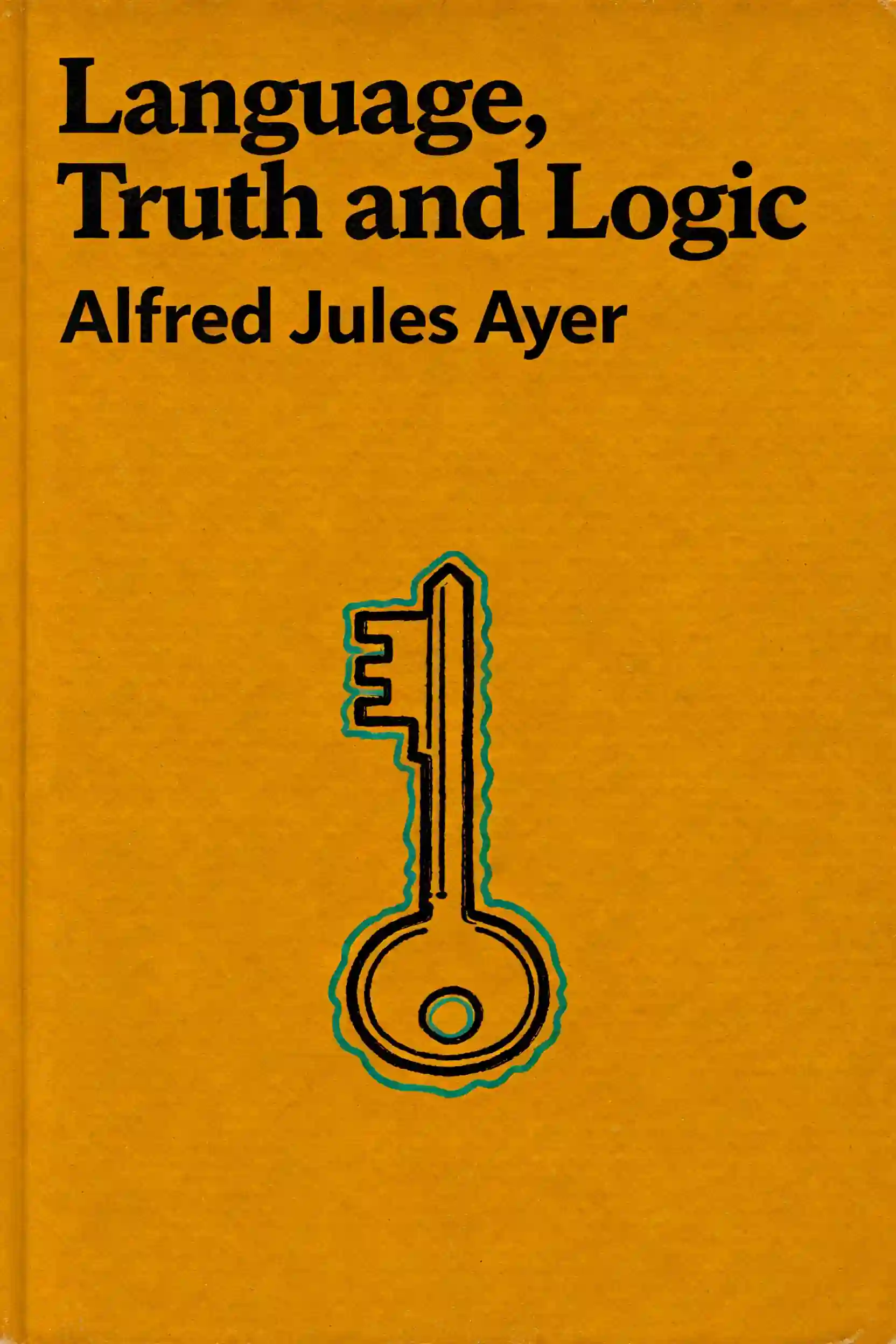
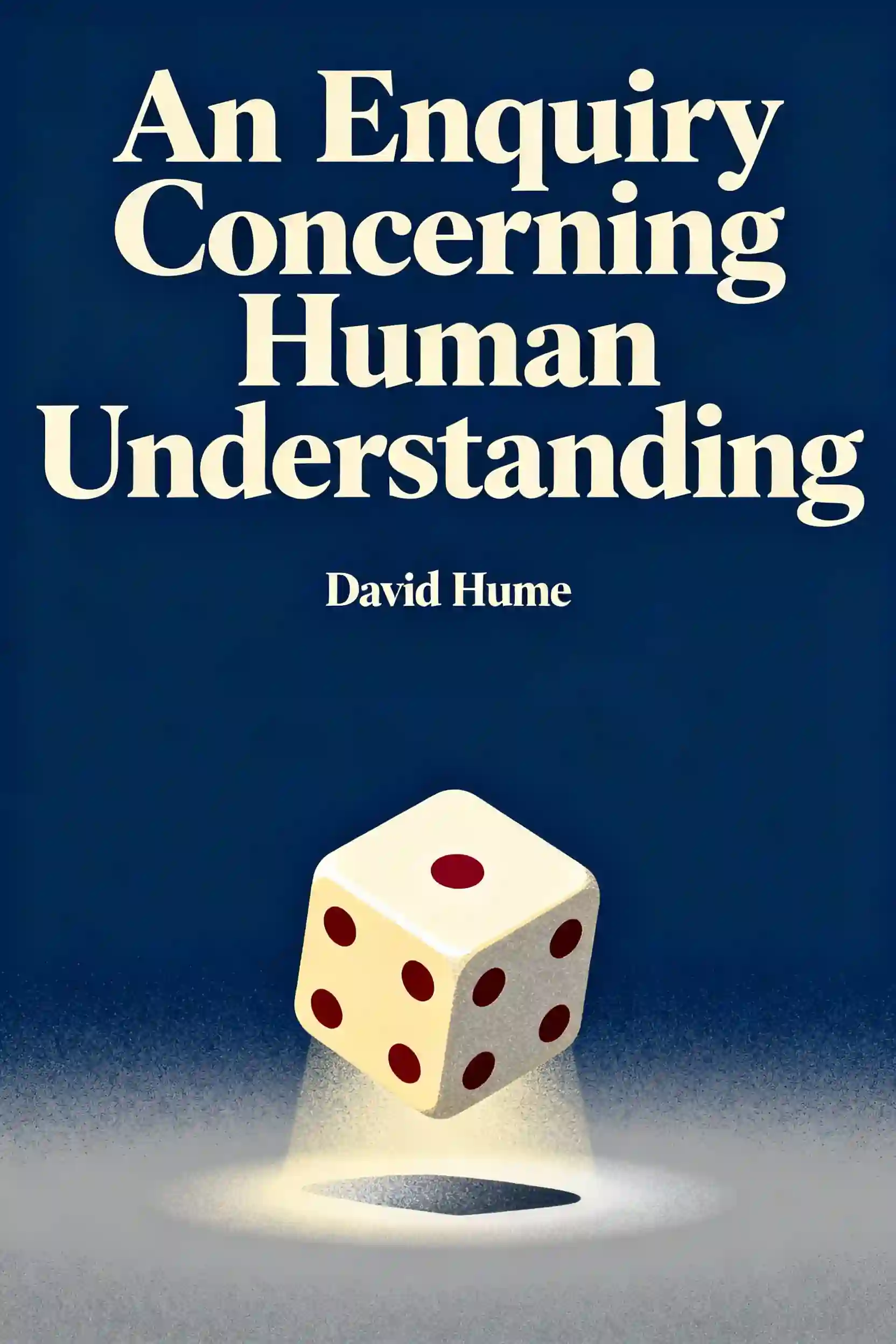
No matter how deep you go in a subject it seems to end in circular arguments , infinite regression one of these two.. so then you fall into foundationalism And you start asking, well the only way to know truth is be personal revelation or a general revaluation. But that then leads into all the messiness of revelation, personally and generally. Talk about knowledge. How can we know anything at all ?

Frequently Asked Questions
Foundationalism is an epistemological theory suggesting that all knowledge is built upon a base of self-evident truths or basic beliefs. When deep inquiry leads to infinite regression or circular arguments, many philosophers turn to foundationalism to establish a starting point. This approach seeks to find a solid ground for truth that does not require further justification, often leading to discussions about personal or general revelation as the ultimate source of certain knowledge.
Infinite regression occurs when every statement requires a prior justification, leading to an endless chain of reasoning with no finality. Circular arguments happen when the proof of a statement relies on the statement itself. Both issues present significant challenges in epistemology because they suggest that human reason alone may be unable to reach an ultimate, objective truth. This often forces a shift toward foundationalism or the consideration of revelation to break the cycle.
Personal and general revelation are often proposed as solutions to the messiness of foundationalism. Personal revelation involves direct, individual experiences of truth, while general revelation refers to truths accessible to everyone through nature or reason. While these can provide a sense of certainty, they introduce new complexities regarding how to verify such knowledge. Exploring these avenues is essential for anyone asking how we can know anything at all when logical systems seem to fail.
Discover more

Theory of mathematics and philosophy
Theory of mathematics and philosophy
This learning plan bridges the gap between abstract calculation and deep metaphysical inquiry, offering a rigorous look at how we define truth. It is ideal for students, mathematicians, and philosophers seeking to understand the logical scaffolding that supports our understanding of reality.

Learning all of philosophy
Learning all of philosophy
This comprehensive guide provides a structured journey through the evolution of human thought, offering clarity on life's most profound questions. It is ideal for intellectually curious individuals seeking to sharpen their critical thinking skills and understand the historical roots of modern logic and ethics.

Learn key logical fallacies
Learn key logical fallacies
In an age of viral misinformation, persuasive social media, and polarized debates, the ability to think critically and spot flawed reasoning is essential. This learning plan is ideal for anyone who wants to make better decisions, avoid being manipulated, engage in more productive discussions, or simply understand how arguments actually work—from students and professionals to concerned citizens navigating today's information landscape.

Understand the why of universal laws
Understand the why of universal laws
This plan is essential for curious minds seeking to understand the hidden logic of the cosmos. It benefits students, science enthusiasts, and thinkers who want to bridge the gap between physical science and philosophical meaning.
Science and math
Science and math
This plan bridges the gap between abstract mathematical logic and the physical world, providing a rigorous foundation for scientific literacy. It is ideal for curious minds or students seeking to understand the fundamental laws of nature through empirical evidence and cutting-edge theory.
Math Theorems for Beginners
Math Theorems for Beginners
Mathematical theorems are the building blocks of logical thinking and problem-solving across science, technology, engineering, and everyday decision-making. This learning plan is ideal for students beginning their mathematical journey, professionals seeking to strengthen their analytical skills, or curious learners who want to understand the elegant logic underlying mathematics and its profound impact on our understanding of reality.
Pure mathss
Pure mathss
This learning plan is designed for aspiring mathematicians and thinkers who want to move beyond calculation into the realm of abstract structures. It provides a rigorous path for anyone seeking to master the logic and beauty that define the foundations of modern mathematics.

Philosophy, especially existentialism
Philosophy, especially existentialism
This plan offers a profound journey into the human condition, bridging classical logical foundations with the intense personal inquiry of existentialist thought. It is ideal for deep thinkers and students of life seeking to navigate modern complexity with greater intellectual clarity and purpose.
From Columbia University alumni built in San Francisco
"Instead of endless scrolling, I just hit play on BeFreed. It saves me so much time."


"I never knew where to start with nonfiction—BeFreed’s book lists turned into podcasts gave me a clear path."


"Perfect balance between learning and entertainment. Finished ‘Thinking, Fast and Slow’ on my commute this week."
"Crazy how much I learned while walking the dog. BeFreed = small habits → big gains."
"Reading used to feel like a chore. Now it’s just part of my lifestyle."

"Feels effortless compared to reading. I’ve finished 6 books this month already."
"BeFreed turned my guilty doomscrolling into something that feels productive and inspiring."

"BeFreed turned my commute into learning time. 20-min podcasts are perfect for finishing books I never had time for."
"BeFreed replaced my podcast queue. Imagine Spotify for books — that’s it. 🙌"

"It is great for me to learn something from the book without reading it."
"The themed book list podcasts help me connect ideas across authors—like a guided audio journey."
"Makes me feel smarter every time before going to work"
From Columbia University alumni built in San Francisco
"Instead of endless scrolling, I just hit play on BeFreed. It saves me so much time."
"I never knew where to start with nonfiction—BeFreed’s book lists turned into podcasts gave me a clear path."
"Perfect balance between learning and entertainment. Finished ‘Thinking, Fast and Slow’ on my commute this week."
"Crazy how much I learned while walking the dog. BeFreed = small habits → big gains."
"Reading used to feel like a chore. Now it’s just part of my lifestyle."
"Feels effortless compared to reading. I’ve finished 6 books this month already."
"BeFreed turned my guilty doomscrolling into something that feels productive and inspiring."
"BeFreed turned my commute into learning time. 20-min podcasts are perfect for finishing books I never had time for."
"BeFreed replaced my podcast queue. Imagine Spotify for books — that’s it. 🙌"
"It is great for me to learn something from the book without reading it."
"The themed book list podcasts help me connect ideas across authors—like a guided audio journey."
"Makes me feel smarter every time before going to work"
"Instead of endless scrolling, I just hit play on BeFreed. It saves me so much time."
"I never knew where to start with nonfiction—BeFreed’s book lists turned into podcasts gave me a clear path."
"Perfect balance between learning and entertainment. Finished ‘Thinking, Fast and Slow’ on my commute this week."
"Crazy how much I learned while walking the dog. BeFreed = small habits → big gains."
"Reading used to feel like a chore. Now it’s just part of my lifestyle."
"Feels effortless compared to reading. I’ve finished 6 books this month already."
"BeFreed turned my guilty doomscrolling into something that feels productive and inspiring."
"BeFreed turned my commute into learning time. 20-min podcasts are perfect for finishing books I never had time for."
"BeFreed replaced my podcast queue. Imagine Spotify for books — that’s it. 🙌"
"It is great for me to learn something from the book without reading it."
"The themed book list podcasts help me connect ideas across authors—like a guided audio journey."
"Makes me feel smarter every time before going to work"
"Instead of endless scrolling, I just hit play on BeFreed. It saves me so much time."
"I never knew where to start with nonfiction—BeFreed’s book lists turned into podcasts gave me a clear path."
"Perfect balance between learning and entertainment. Finished ‘Thinking, Fast and Slow’ on my commute this week."
"Crazy how much I learned while walking the dog. BeFreed = small habits → big gains."
"Reading used to feel like a chore. Now it’s just part of my lifestyle."
"Feels effortless compared to reading. I’ve finished 6 books this month already."
"BeFreed turned my guilty doomscrolling into something that feels productive and inspiring."
"BeFreed turned my commute into learning time. 20-min podcasts are perfect for finishing books I never had time for."
"BeFreed replaced my podcast queue. Imagine Spotify for books — that’s it. 🙌"
"It is great for me to learn something from the book without reading it."
"The themed book list podcasts help me connect ideas across authors—like a guided audio journey."
"Makes me feel smarter every time before going to work"


