

Best quote from How bank-created money fuels the debt machine
We have a financial system that can grow at the speed of a keystroke, while the real world—the energy, the topsoil, the clean water—still moves at the slow, patient pace of biology.

This audio lesson was created by a BeFreed community member
The creation of money by banks supported by monetary policies is the real problem which fuels infinite growth causing income inequality, social and environmental problems also eroding our values during the process

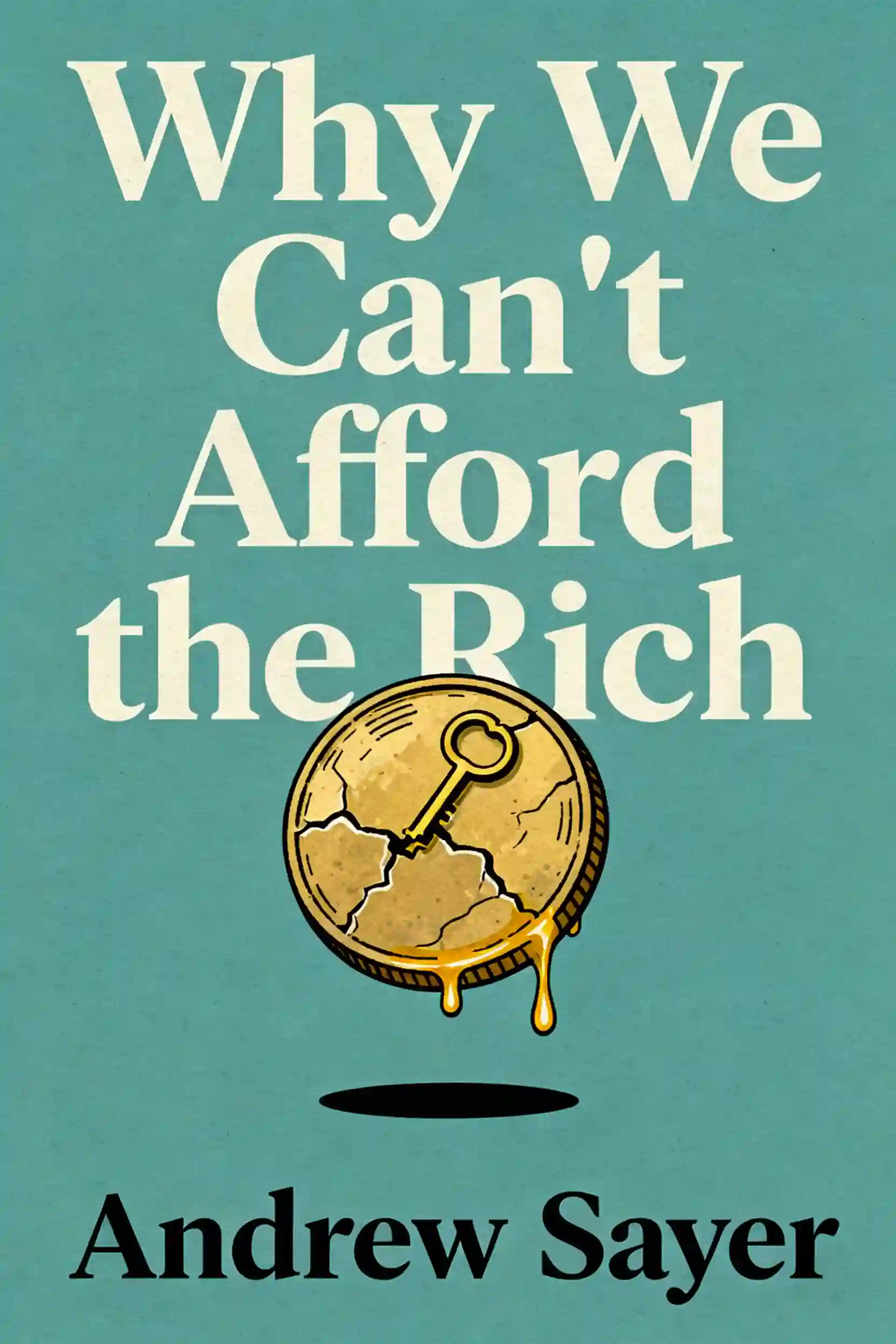
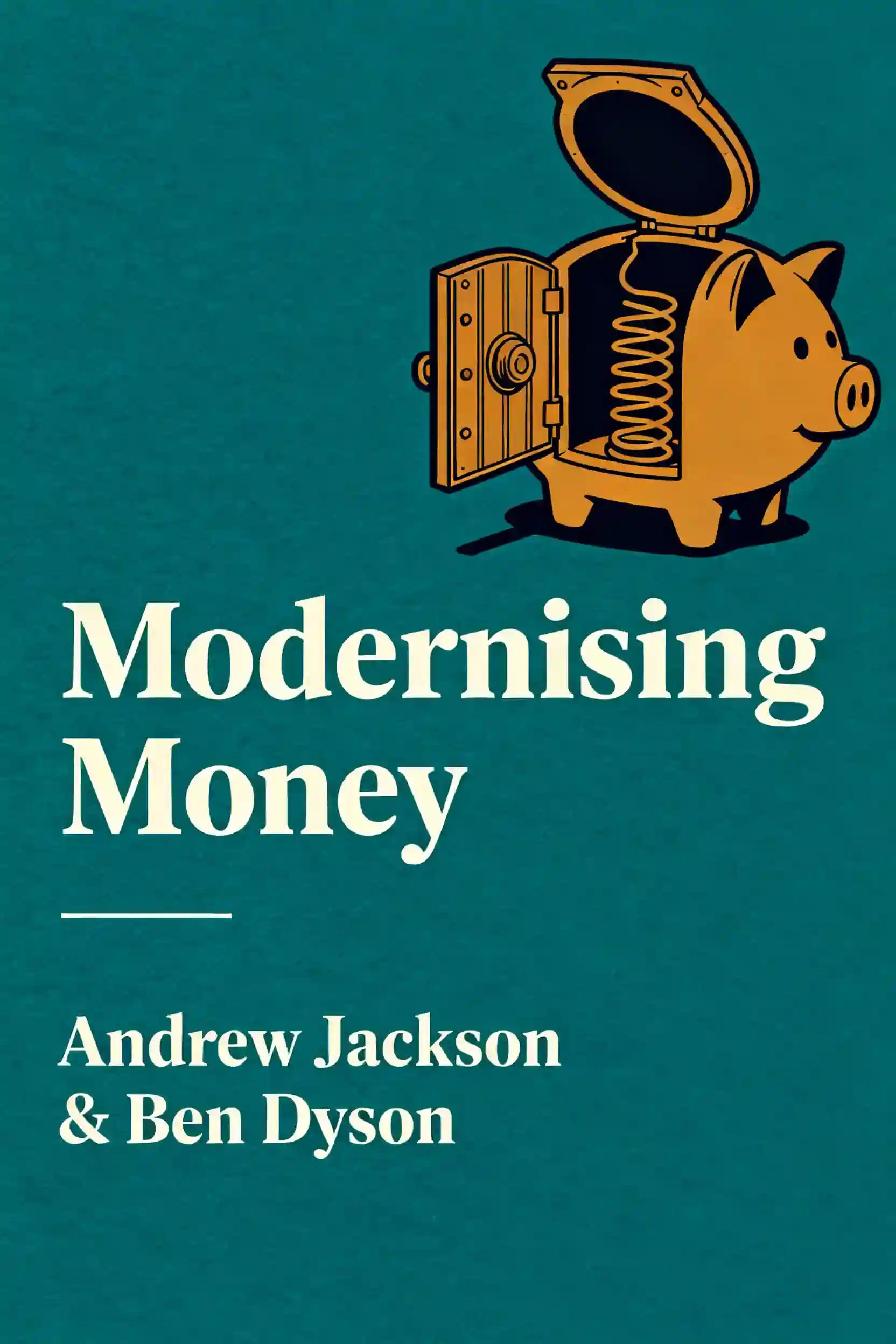
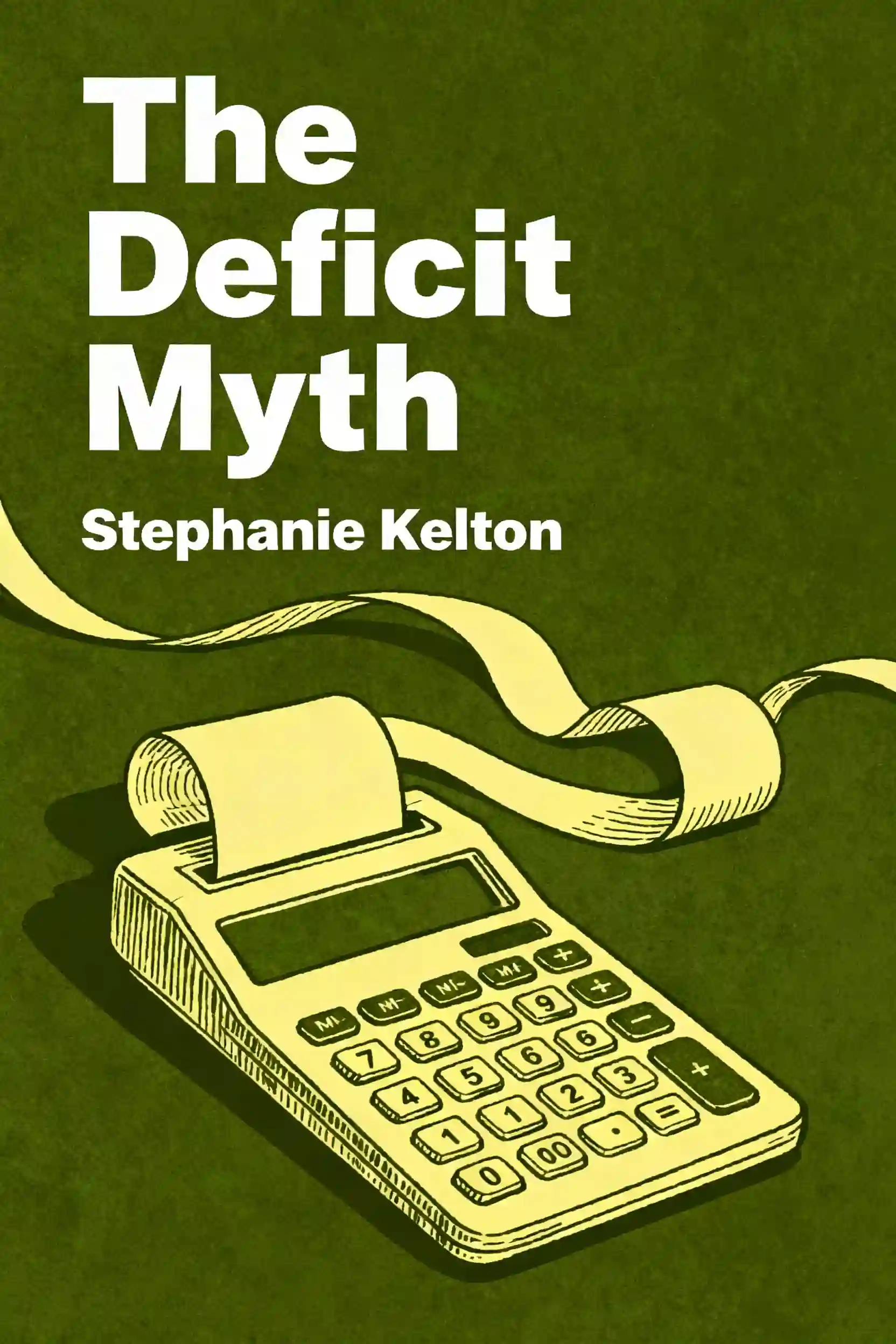
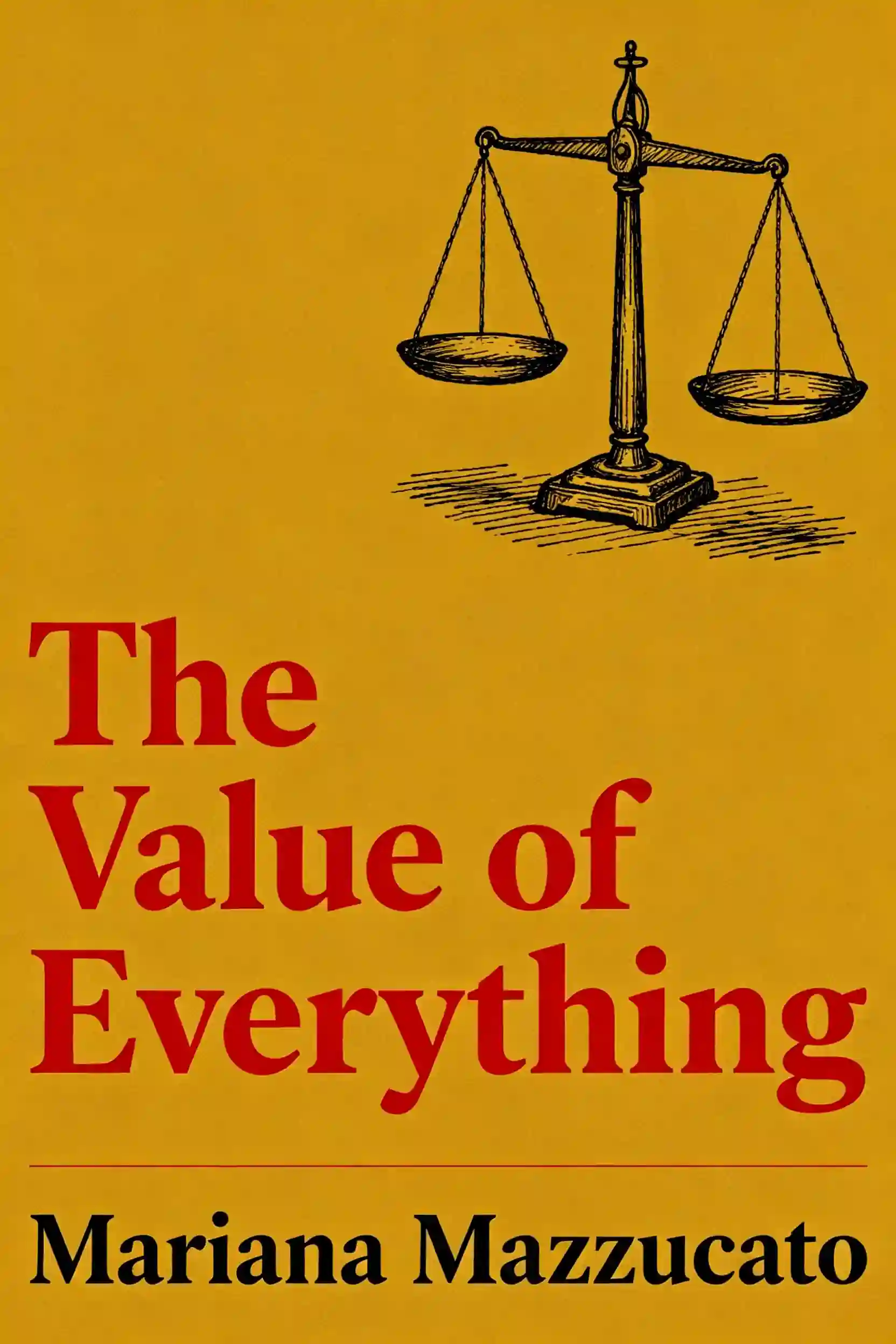
Frequently Asked Questions
Most people believe banks lend out existing savings or gold, but the script explains that as of 2026, this is a myth. When a bank issues a mortgage or a loan, they are creating brand-new digital IOUs out of thin air through keystrokes rather than moving existing assets. In the UK, approximately 95% of the money in circulation was created this way. This is described as a "magic spell" because it allows the money supply to grow at the speed of technology, completely detached from the physical laws and "carrying capacity" of the real world.
The inflation tax is a hidden cost paid by the public when a government expands its money supply. When a reserve currency like the US dollar is printed in massive quantities through "quantitative easing," it increases the price of global commodities like oil and wheat. This forces people worldwide—especially those in low-income countries—to pay more for basic necessities. Essentially, the wealth produced by people outside the issuing country is transferred back to the issuer for free, as their local currency loses purchasing power while the prices of dollar-denominated goods skyrocket.
Historically, governments were limited in their ability to wage war by the physical amount of gold in their treasuries or their ability to tax citizens directly. Under a fiat system, central banks can fund military campaigns by printing money or keeping interest rates artificially low, effectively borrowing the costs into existence. This detaches the immediate fiscal cost of war from the citizens, who pay for it over decades through the erosion of their savings via inflation. This "digital fuel" allows for prolonged conflicts because the perceived cost of war is lowered for the state.
The gambling stage occurs when a fiat currency reaches a point of excessive debt and the central bank floods the economy with "liquidity" to prevent a collapse. Because the currency is losing value so quickly, people feel they can no longer simply save money in a bank account. This forces everyone—from individuals to large corporations—to speculate on risky assets like stocks, real estate, or crypto just to keep their wealth from evaporating. This leads to "financialization," where the financial sector grows much faster than the productive economy, creating speculative bubbles and increasing social inequality.
The script suggests "de-financializing" your life by investing in tangible skills and community resilience rather than just digital assets. Practical steps include moving savings to local credit unions or ethical banks, using local or complementary currencies that keep wealth within a community, and avoiding unnecessary debt. By choosing to support regenerative local businesses over global corporations, individuals can "re-anchor" the economy to real-world resources and social relationships rather than digital IOUs.
Discover more

How global banking works
How global banking works
Global banking influences everything from the interest rate on your mortgage to international trade and economic crises that affect millions. This learning plan is essential for finance professionals, business leaders, policymakers, and anyone seeking to understand how money flows through our interconnected world and shapes economic outcomes.

Money & Finance Mentality
Money & Finance Mentality
This plan is designed for individuals who feel stuck in a cycle of financial stress and want to bridge the gap between earning and building true wealth. It provides a roadmap for anyone looking to master their internal money psychology and adopt the practical systems used by millionaires.

Build stronger money mindset
Build stronger money mindset
This learning plan addresses the critical gap between knowing what to do with money and actually doing it—a gap that keeps most people from building wealth regardless of their income. It's designed for anyone who feels stuck in their financial life, experiences anxiety around money, or knows they should be doing better financially but can't seem to break through their own behavioral patterns.

Manage money better
Manage money better
Financial stress affects millions of people who lack the foundational knowledge to manage money effectively. This learning plan is ideal for anyone feeling overwhelmed by debt, struggling to save consistently, or uncertain about how to build wealth for the future. Whether you're just starting your financial journey or looking to optimize your existing finances, these modules provide a clear path from basic money management to advanced wealth-building strategies.

How to obtain international monetary fund
How to obtain international monetary fund
This learning plan is essential for policy analysts, economists, and students seeking to understand the mechanics of global financial stability. It provides a comprehensive roadmap for navigating the complex relationship between sovereign nations and international lenders during economic crises.
Get out of debts and be financially stable
Get out of debts and be financially stable
This plan is essential for anyone feeling overwhelmed by debt and looking for a structured path to recovery. It offers a comprehensive roadmap from basic budgeting to advanced wealth-building strategies for lasting success.
Economics in depth
Economics in depth
Economics shapes every aspect of modern life, from personal financial decisions to global policy debates, yet most people lack a comprehensive understanding of how markets truly function. This learning plan is ideal for professionals, students, policymakers, and curious minds who want to move beyond surface-level explanations and develop genuine economic literacy that applies to real-world challenges.
Books on production-consumption disconnect
Books on production-consumption disconnect
This learning plan reveals how our separation from production processes drives mindless overconsumption and environmental harm. It's ideal for conscious consumers, sustainability advocates, and anyone seeking to develop more intentional relationships with material goods.
From Columbia University alumni built in San Francisco
"Instead of endless scrolling, I just hit play on BeFreed. It saves me so much time."


"I never knew where to start with nonfiction—BeFreed’s book lists turned into podcasts gave me a clear path."


"Perfect balance between learning and entertainment. Finished ‘Thinking, Fast and Slow’ on my commute this week."
"Crazy how much I learned while walking the dog. BeFreed = small habits → big gains."
"Reading used to feel like a chore. Now it’s just part of my lifestyle."

"Feels effortless compared to reading. I’ve finished 6 books this month already."
"BeFreed turned my guilty doomscrolling into something that feels productive and inspiring."

"BeFreed turned my commute into learning time. 20-min podcasts are perfect for finishing books I never had time for."
"BeFreed replaced my podcast queue. Imagine Spotify for books — that’s it. 🙌"

"It is great for me to learn something from the book without reading it."
"The themed book list podcasts help me connect ideas across authors—like a guided audio journey."
"Makes me feel smarter every time before going to work"
From Columbia University alumni built in San Francisco
"Instead of endless scrolling, I just hit play on BeFreed. It saves me so much time."
"I never knew where to start with nonfiction—BeFreed’s book lists turned into podcasts gave me a clear path."
"Perfect balance between learning and entertainment. Finished ‘Thinking, Fast and Slow’ on my commute this week."
"Crazy how much I learned while walking the dog. BeFreed = small habits → big gains."
"Reading used to feel like a chore. Now it’s just part of my lifestyle."
"Feels effortless compared to reading. I’ve finished 6 books this month already."
"BeFreed turned my guilty doomscrolling into something that feels productive and inspiring."
"BeFreed turned my commute into learning time. 20-min podcasts are perfect for finishing books I never had time for."
"BeFreed replaced my podcast queue. Imagine Spotify for books — that’s it. 🙌"
"It is great for me to learn something from the book without reading it."
"The themed book list podcasts help me connect ideas across authors—like a guided audio journey."
"Makes me feel smarter every time before going to work"
"Instead of endless scrolling, I just hit play on BeFreed. It saves me so much time."
"I never knew where to start with nonfiction—BeFreed’s book lists turned into podcasts gave me a clear path."
"Perfect balance between learning and entertainment. Finished ‘Thinking, Fast and Slow’ on my commute this week."
"Crazy how much I learned while walking the dog. BeFreed = small habits → big gains."
"Reading used to feel like a chore. Now it’s just part of my lifestyle."
"Feels effortless compared to reading. I’ve finished 6 books this month already."
"BeFreed turned my guilty doomscrolling into something that feels productive and inspiring."
"BeFreed turned my commute into learning time. 20-min podcasts are perfect for finishing books I never had time for."
"BeFreed replaced my podcast queue. Imagine Spotify for books — that’s it. 🙌"
"It is great for me to learn something from the book without reading it."
"The themed book list podcasts help me connect ideas across authors—like a guided audio journey."
"Makes me feel smarter every time before going to work"
"Instead of endless scrolling, I just hit play on BeFreed. It saves me so much time."
"I never knew where to start with nonfiction—BeFreed’s book lists turned into podcasts gave me a clear path."
"Perfect balance between learning and entertainment. Finished ‘Thinking, Fast and Slow’ on my commute this week."
"Crazy how much I learned while walking the dog. BeFreed = small habits → big gains."
"Reading used to feel like a chore. Now it’s just part of my lifestyle."
"Feels effortless compared to reading. I’ve finished 6 books this month already."
"BeFreed turned my guilty doomscrolling into something that feels productive and inspiring."
"BeFreed turned my commute into learning time. 20-min podcasts are perfect for finishing books I never had time for."
"BeFreed replaced my podcast queue. Imagine Spotify for books — that’s it. 🙌"
"It is great for me to learn something from the book without reading it."
"The themed book list podcasts help me connect ideas across authors—like a guided audio journey."
"Makes me feel smarter every time before going to work"


