

Best quote from History's Dangerous Political Theater
History doesn't give you answers—it gives you better questions. The art is figuring out which rhymes are meaningful and which are just coincidence, allowing us to see the present not as an inevitable result of past trends, but as genuinely open and uncertain.

This audio lesson was created by a BeFreed community member
I want to learn more about history and how it relates to modern events

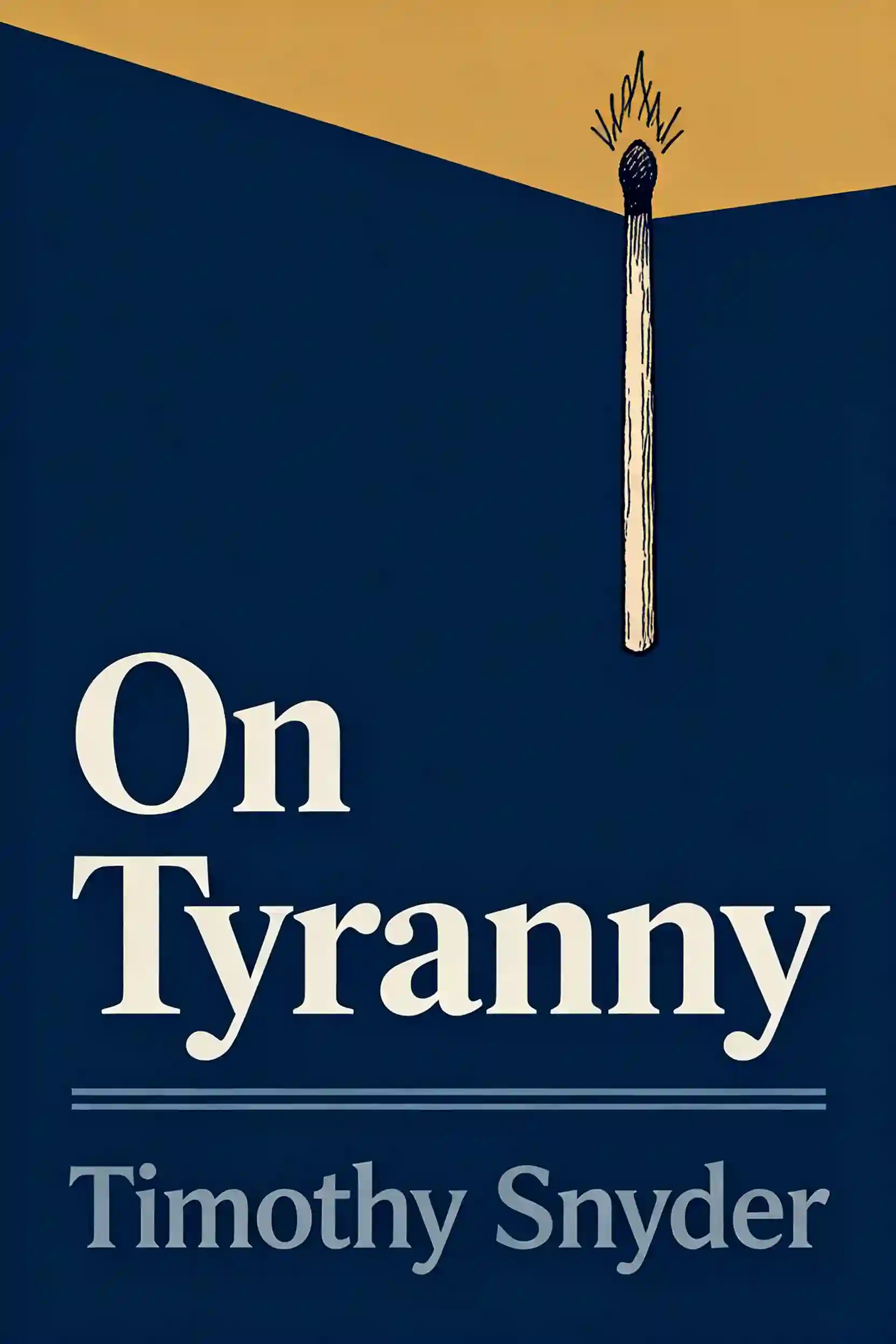
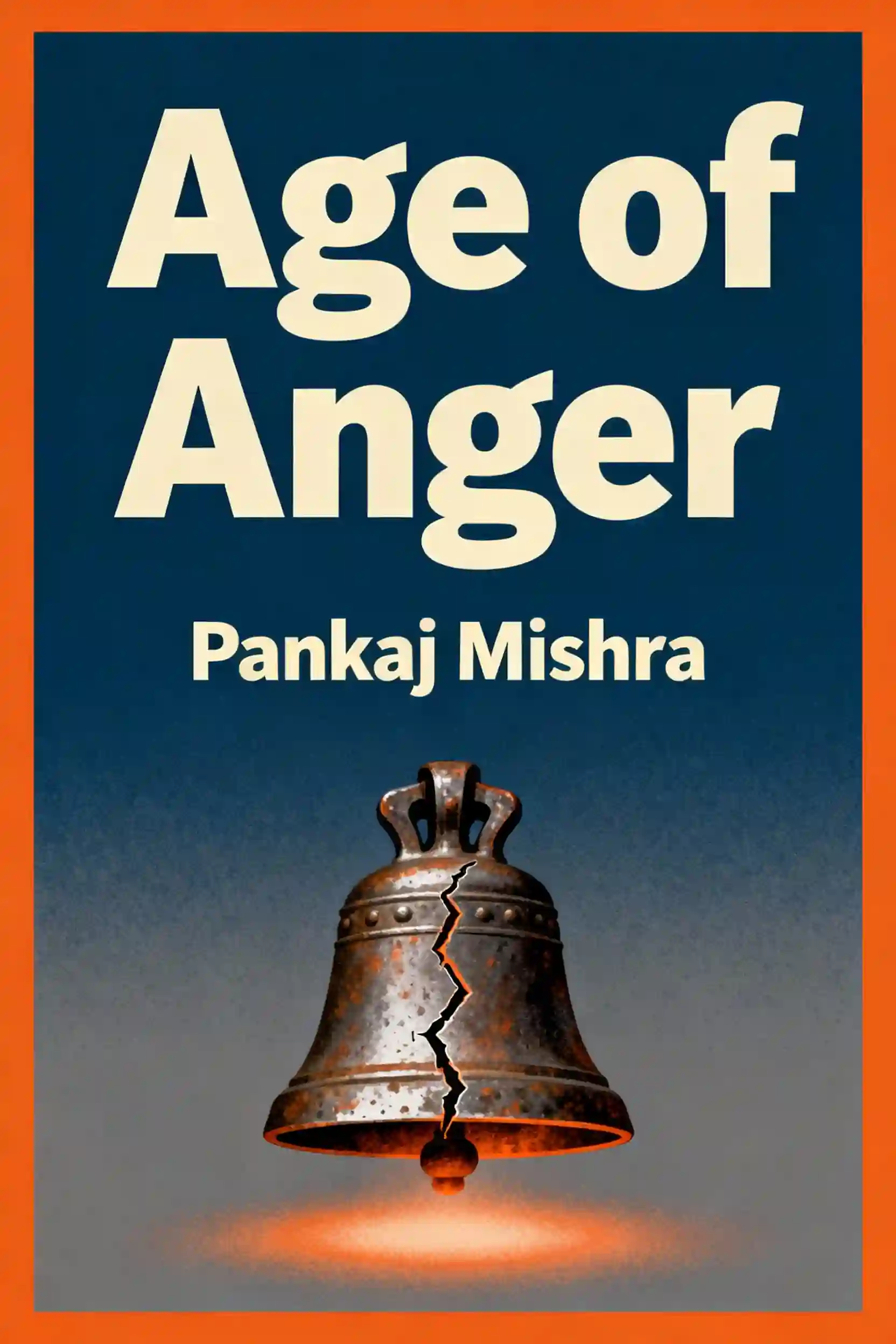
Discover more

History & politics essentials
History & politics essentials
This learning plan provides essential literacy for navigating our complex political world, combining historical perspective with contemporary analysis. It's ideal for professionals, students, and engaged citizens who want to move beyond headlines to truly understand how societies function, why nations behave as they do, and how political ideas shape our daily lives.

Explore History, Biographies & Politics
Explore History, Biographies & Politics
This learning plan offers a comprehensive synthesis of historical patterns and political theory. It is ideal for aspiring leaders, policy enthusiasts, and curious minds seeking to understand how past events and influential figures dictate today's global landscape.

Explore Politics, History & Education
Explore Politics, History & Education
Understanding the intersection of power, history, and pedagogy is essential for navigating the complexities of the 21st century. This plan is ideal for lifelong learners and aspiring leaders who want to bridge the gap between historical context and modern political challenges.

History
History
Understanding history provides crucial context for interpreting current events and recognizing patterns that continue to shape our world. This learning plan benefits students, professionals, and curious minds seeking to develop analytical thinking skills while gaining insight into how past civilizations and events have influenced contemporary society.
Add History to My Learning Curriculum
Add History to My Learning Curriculum
Understanding history provides the essential context needed to navigate today's complex political and social landscapes. This curriculum is ideal for lifelong learners seeking a comprehensive overview of human progress from antiquity to the modern era.
Track current news and key historical events
Track current news and key historical events
In an era of misinformation, understanding the intersection of history and current events is essential for informed citizenship. This plan is designed for curious minds and aspiring analysts who want to decode global power dynamics through a lens of historical context and media literacy.
Historical insight
Historical insight
This learning plan transforms how you understand the present by illuminating the past, making it essential for anyone seeking deeper insight into current events, politics, and human behavior. It's ideal for curious minds who want to move beyond memorizing dates to truly comprehending the forces that shape societies, as well as professionals in leadership, policy, education, or journalism who need historical context to inform better decisions.
Uncover hidden historical truths
Uncover hidden historical truths
This learning plan is designed for curious minds who sense that mainstream historical narratives may be incomplete or shaped by powerful interests. It's ideal for those who want to move beyond surface-level history education and develop the analytical skills needed to uncover hidden truths, understand how history is constructed, and recognize the political and social forces that shape what stories get told and whose perspectives are valued.
From Columbia University alumni built in San Francisco
"Instead of endless scrolling, I just hit play on BeFreed. It saves me so much time."


"I never knew where to start with nonfiction—BeFreed’s book lists turned into podcasts gave me a clear path."


"Perfect balance between learning and entertainment. Finished ‘Thinking, Fast and Slow’ on my commute this week."
"Crazy how much I learned while walking the dog. BeFreed = small habits → big gains."
"Reading used to feel like a chore. Now it’s just part of my lifestyle."

"Feels effortless compared to reading. I’ve finished 6 books this month already."
"BeFreed turned my guilty doomscrolling into something that feels productive and inspiring."

"BeFreed turned my commute into learning time. 20-min podcasts are perfect for finishing books I never had time for."
"BeFreed replaced my podcast queue. Imagine Spotify for books — that’s it. 🙌"

"It is great for me to learn something from the book without reading it."
"The themed book list podcasts help me connect ideas across authors—like a guided audio journey."
"Makes me feel smarter every time before going to work"
From Columbia University alumni built in San Francisco
"Instead of endless scrolling, I just hit play on BeFreed. It saves me so much time."
"I never knew where to start with nonfiction—BeFreed’s book lists turned into podcasts gave me a clear path."
"Perfect balance between learning and entertainment. Finished ‘Thinking, Fast and Slow’ on my commute this week."
"Crazy how much I learned while walking the dog. BeFreed = small habits → big gains."
"Reading used to feel like a chore. Now it’s just part of my lifestyle."
"Feels effortless compared to reading. I’ve finished 6 books this month already."
"BeFreed turned my guilty doomscrolling into something that feels productive and inspiring."
"BeFreed turned my commute into learning time. 20-min podcasts are perfect for finishing books I never had time for."
"BeFreed replaced my podcast queue. Imagine Spotify for books — that’s it. 🙌"
"It is great for me to learn something from the book without reading it."
"The themed book list podcasts help me connect ideas across authors—like a guided audio journey."
"Makes me feel smarter every time before going to work"
"Instead of endless scrolling, I just hit play on BeFreed. It saves me so much time."
"I never knew where to start with nonfiction—BeFreed’s book lists turned into podcasts gave me a clear path."
"Perfect balance between learning and entertainment. Finished ‘Thinking, Fast and Slow’ on my commute this week."
"Crazy how much I learned while walking the dog. BeFreed = small habits → big gains."
"Reading used to feel like a chore. Now it’s just part of my lifestyle."
"Feels effortless compared to reading. I’ve finished 6 books this month already."
"BeFreed turned my guilty doomscrolling into something that feels productive and inspiring."
"BeFreed turned my commute into learning time. 20-min podcasts are perfect for finishing books I never had time for."
"BeFreed replaced my podcast queue. Imagine Spotify for books — that’s it. 🙌"
"It is great for me to learn something from the book without reading it."
"The themed book list podcasts help me connect ideas across authors—like a guided audio journey."
"Makes me feel smarter every time before going to work"
"Instead of endless scrolling, I just hit play on BeFreed. It saves me so much time."
"I never knew where to start with nonfiction—BeFreed’s book lists turned into podcasts gave me a clear path."
"Perfect balance between learning and entertainment. Finished ‘Thinking, Fast and Slow’ on my commute this week."
"Crazy how much I learned while walking the dog. BeFreed = small habits → big gains."
"Reading used to feel like a chore. Now it’s just part of my lifestyle."
"Feels effortless compared to reading. I’ve finished 6 books this month already."
"BeFreed turned my guilty doomscrolling into something that feels productive and inspiring."
"BeFreed turned my commute into learning time. 20-min podcasts are perfect for finishing books I never had time for."
"BeFreed replaced my podcast queue. Imagine Spotify for books — that’s it. 🙌"
"It is great for me to learn something from the book without reading it."
"The themed book list podcasts help me connect ideas across authors—like a guided audio journey."
"Makes me feel smarter every time before going to work"


