
History of periodization and how we label time
Why do we divide history into clean boxes? Explore how artificial eras shape our past and learn to navigate your own timeline with more fluidity.

Best quote from History of periodization and how we label time
Periodization isn’t a physical law; it’s an indexing system. We use version labels—Ancient 1.0, Medieval 2.0, Modern 3.0—because without those tags, we’d just be staring at a billion lines of random events with no way to debug the past.

This audio lesson was created by a BeFreed community member
The history of periodization.

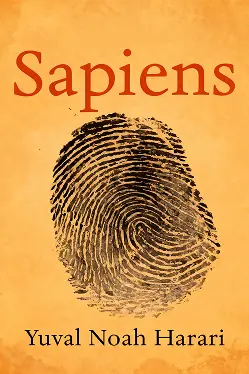
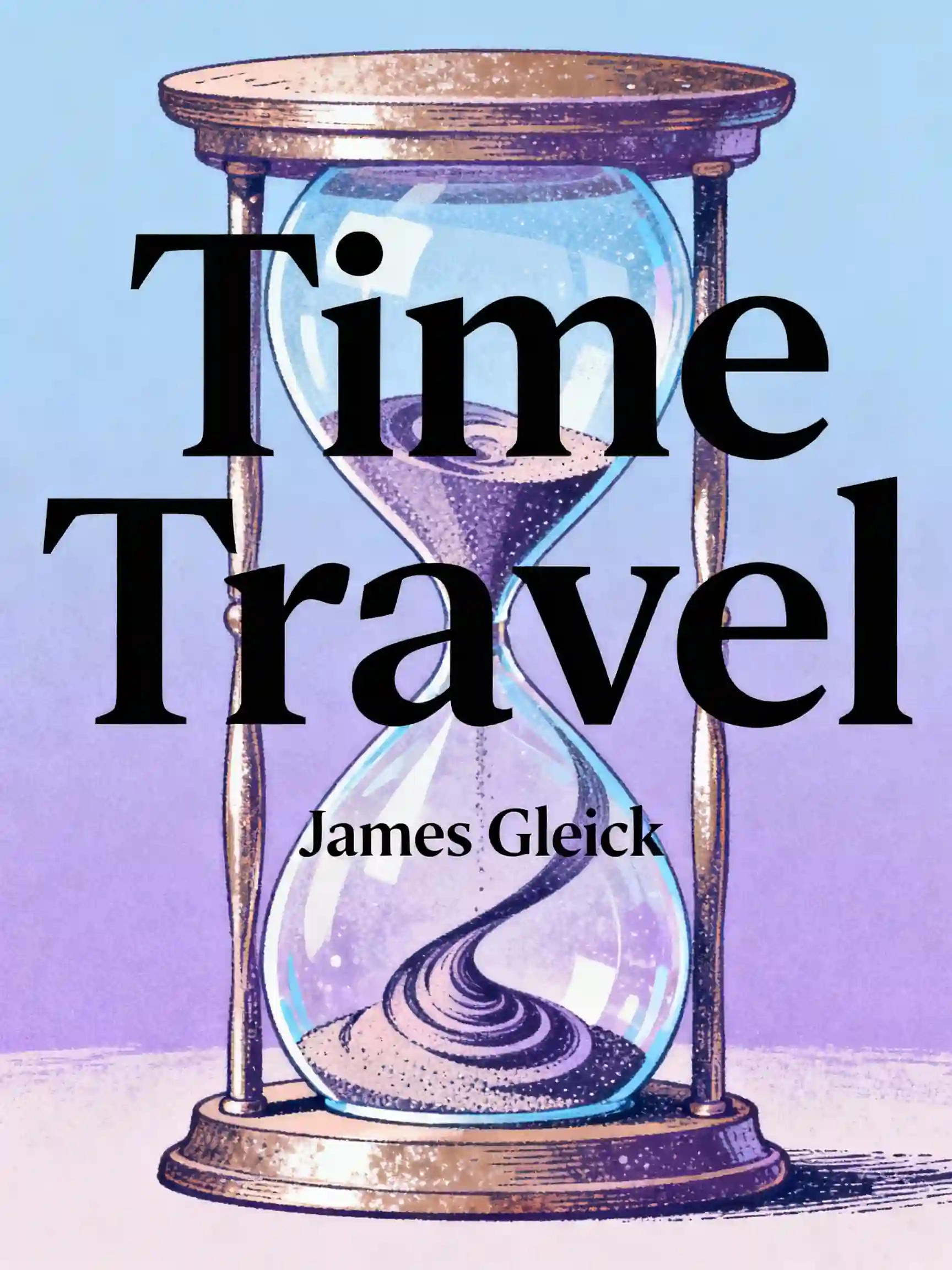
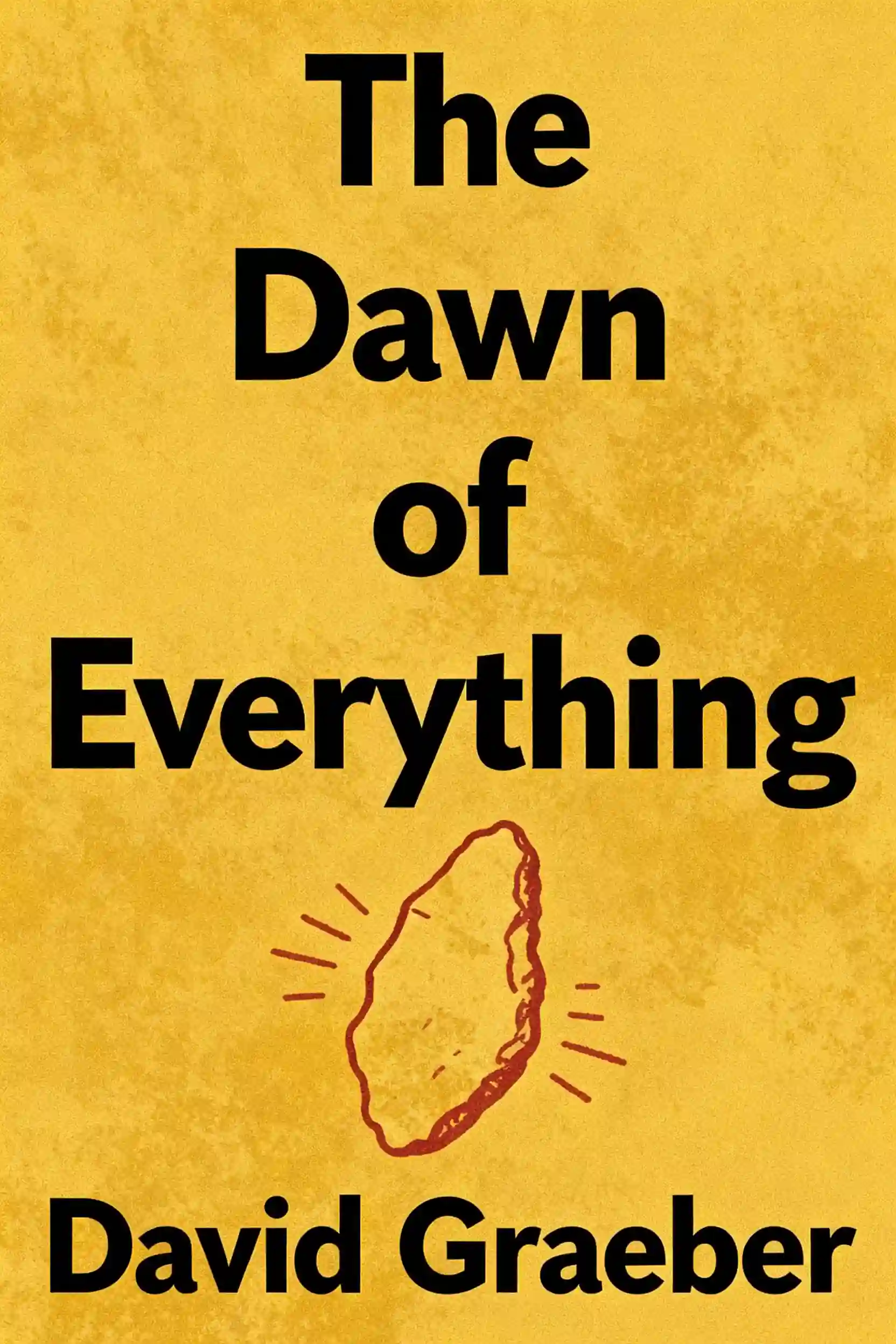
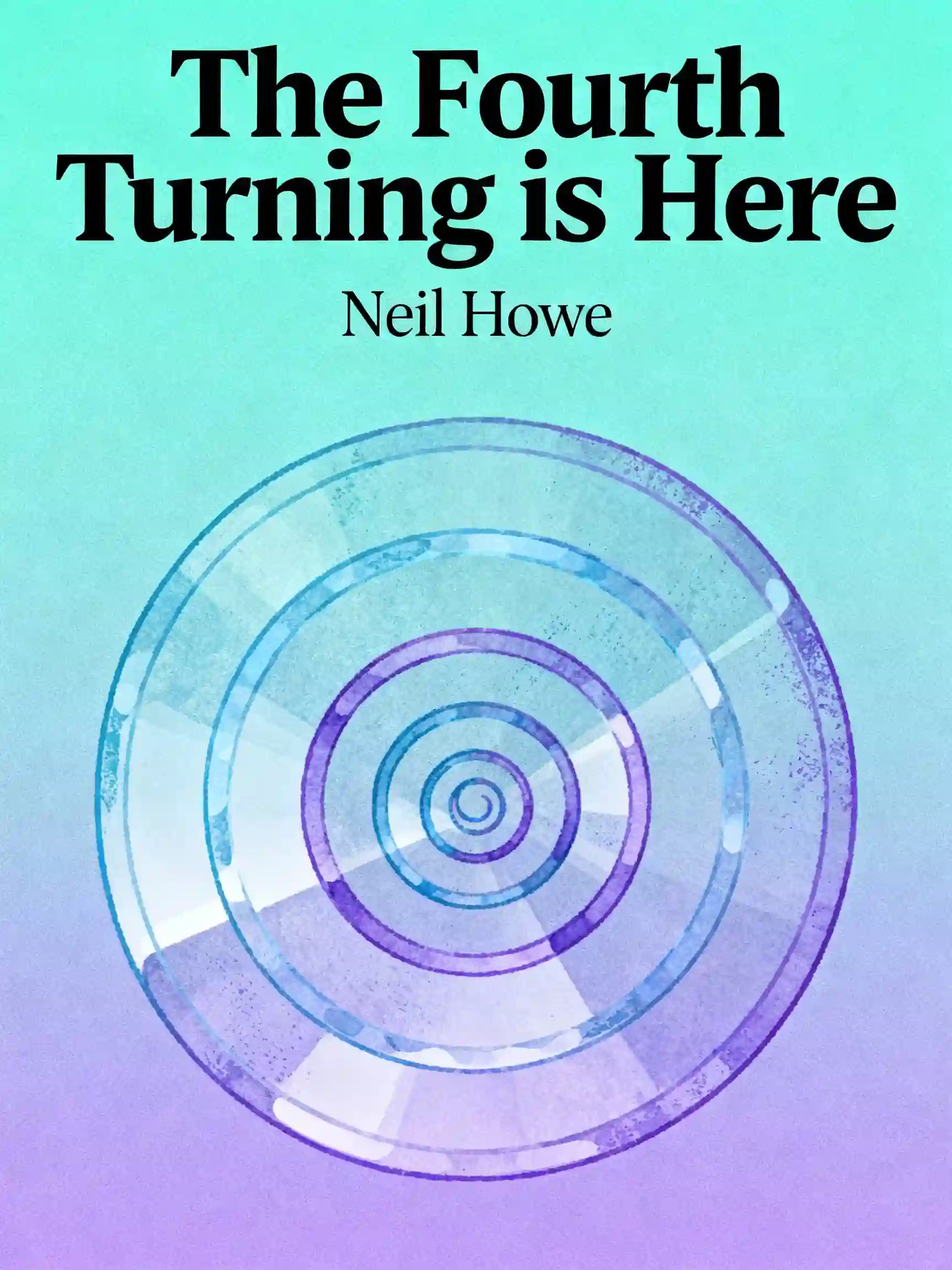
Frequently Asked Questions
The date 476 AD is used by historians as a symbolic "hero shot" or a clean narrative break to mark the deposition of Romulus Augustulus, the last Western Roman emperor. In reality, history functions more like "legacy code" in a computer system; Roman law, Christian institutions, and daily social customs continued to run in the background for centuries. Periodization is an indexing system created by humans to organize the chaos of the past into manageable "versions," even though the actual transition was a fuzzy, gradual shift rather than a hard wall.
The term "Middle Ages" (Medium Aevum) was coined by 14th-century Renaissance humanists like Petrarch as a retrospective branding exercise. They viewed Ancient Greece and Rome as a "Golden Age" and their own time as a "rebirth" of light, labeling everything in between as a dark, stagnant "middle" period. This Eurocentric lens often ignores the fact that while Europe was fragmented, other civilizations—such as the Tang Dynasty in China or the Islamic Golden Age—were experiencing peaks in technology, art, and centralized governance.
Historians often use "structural" dates rather than strict 100-year blocks to define an era's "operating system." For example, the "Long 19th Century" is typically defined as 1789 (the French Revolution) to 1914 (the start of World War I) because those events mark a cohesive shift in how the world functioned. Conversely, the "Short 20th Century" might be framed as 1914 to 1991 (the fall of the Soviet Union), grouping time by the political and social "vibe" rather than chronological increments.
In sports science, modern periodization was pioneered by Lev Matveyev, who divided an athlete’s training into macrocycles (yearly), mesocycles (monthly), and microcycles (weekly). This framework suggests that systems—whether a human body or a society—require "strategic stress" followed by "strategic recovery" to avoid crashing or "overtraining syndrome." Listeners can apply this by viewing their own lives in phases, identifying "legacy code" or old habits from their "ancient" childhood phase that may need to be updated for their "modern" adult goals.
The way we categorize time is often dictated by the type of evidence available, or "observability." Ancient history is characterized by "low observability" due to sparse logs like coins and inscriptions, while the Modern era is defined by an "explosion of logs" from printing presses and digital data. This creates a "data density" problem where we might compress 65,000 years of Indigenous history into one label because of a lack of written records, while slicing the last 50 years into multiple distinct technological ages.
Discover more

History
History
This plan provides a comprehensive look at how human history is constructed and interpreted beyond just dates and facts. It is ideal for curious learners and students who want to develop critical thinking skills and understand the forces shaping our modern global society.

How history actually moves
How history actually moves
This learning plan equips you with the analytical frameworks used by historians, strategists, and policymakers to understand why societies change over time. It's essential for anyone seeking to make sense of current geopolitical shifts, technological disruptions, or social transformations by understanding the deeper patterns and forces that have shaped human history. Whether you're a student of history, a business strategist, or simply someone who wants to think more rigorously about where we've been and where we're headed, this course provides the conceptual tools to analyze change at civilizational scale.

History is of interest
History is of interest
This learning plan transforms history from memorizing dates into understanding the forces that shaped our world and continue to influence the present. It's ideal for curious minds who want to make sense of current events through historical context, students seeking a sophisticated foundation in historical thinking, or anyone who wants to move beyond superficial knowledge to truly grasp how civilizations rise, fall, and evolve.

I want to learn history
I want to learn history
History is far more than memorizing dates—it's a powerful lens for understanding how we arrived at our present moment and where we might be headed. This learning plan is ideal for curious minds who want to think critically about the past, recognize patterns in human behavior, and develop the analytical skills that historians use to interpret complex events and challenge conventional narratives.
General knowledge of history.
General knowledge of history.
This comprehensive historical overview is essential for anyone seeking to understand how humanity arrived at our current moment and what forces continue to shape our world. Perfect for curious learners, professionals in policy or education, or anyone wanting a sophisticated framework for interpreting current events through the lens of historical patterns. The learning plan moves beyond memorizing dates to reveal the underlying dynamics that drive human societies forward.
From Columbia University alumni built in San Francisco
"Instead of endless scrolling, I just hit play on BeFreed. It saves me so much time."


"I never knew where to start with nonfiction—BeFreed’s book lists turned into podcasts gave me a clear path."


"Perfect balance between learning and entertainment. Finished ‘Thinking, Fast and Slow’ on my commute this week."
"Crazy how much I learned while walking the dog. BeFreed = small habits → big gains."
"Reading used to feel like a chore. Now it’s just part of my lifestyle."

"Feels effortless compared to reading. I’ve finished 6 books this month already."
"BeFreed turned my guilty doomscrolling into something that feels productive and inspiring."

"BeFreed turned my commute into learning time. 20-min podcasts are perfect for finishing books I never had time for."
"BeFreed replaced my podcast queue. Imagine Spotify for books — that’s it. 🙌"

"It is great for me to learn something from the book without reading it."
"The themed book list podcasts help me connect ideas across authors—like a guided audio journey."
"Makes me feel smarter every time before going to work"
From Columbia University alumni built in San Francisco
"Instead of endless scrolling, I just hit play on BeFreed. It saves me so much time."
"I never knew where to start with nonfiction—BeFreed’s book lists turned into podcasts gave me a clear path."
"Perfect balance between learning and entertainment. Finished ‘Thinking, Fast and Slow’ on my commute this week."
"Crazy how much I learned while walking the dog. BeFreed = small habits → big gains."
"Reading used to feel like a chore. Now it’s just part of my lifestyle."
"Feels effortless compared to reading. I’ve finished 6 books this month already."
"BeFreed turned my guilty doomscrolling into something that feels productive and inspiring."
"BeFreed turned my commute into learning time. 20-min podcasts are perfect for finishing books I never had time for."
"BeFreed replaced my podcast queue. Imagine Spotify for books — that’s it. 🙌"
"It is great for me to learn something from the book without reading it."
"The themed book list podcasts help me connect ideas across authors—like a guided audio journey."
"Makes me feel smarter every time before going to work"
"Instead of endless scrolling, I just hit play on BeFreed. It saves me so much time."
"I never knew where to start with nonfiction—BeFreed’s book lists turned into podcasts gave me a clear path."
"Perfect balance between learning and entertainment. Finished ‘Thinking, Fast and Slow’ on my commute this week."
"Crazy how much I learned while walking the dog. BeFreed = small habits → big gains."
"Reading used to feel like a chore. Now it’s just part of my lifestyle."
"Feels effortless compared to reading. I’ve finished 6 books this month already."
"BeFreed turned my guilty doomscrolling into something that feels productive and inspiring."
"BeFreed turned my commute into learning time. 20-min podcasts are perfect for finishing books I never had time for."
"BeFreed replaced my podcast queue. Imagine Spotify for books — that’s it. 🙌"
"It is great for me to learn something from the book without reading it."
"The themed book list podcasts help me connect ideas across authors—like a guided audio journey."
"Makes me feel smarter every time before going to work"
"Instead of endless scrolling, I just hit play on BeFreed. It saves me so much time."
"I never knew where to start with nonfiction—BeFreed’s book lists turned into podcasts gave me a clear path."
"Perfect balance between learning and entertainment. Finished ‘Thinking, Fast and Slow’ on my commute this week."
"Crazy how much I learned while walking the dog. BeFreed = small habits → big gains."
"Reading used to feel like a chore. Now it’s just part of my lifestyle."
"Feels effortless compared to reading. I’ve finished 6 books this month already."
"BeFreed turned my guilty doomscrolling into something that feels productive and inspiring."
"BeFreed turned my commute into learning time. 20-min podcasts are perfect for finishing books I never had time for."
"BeFreed replaced my podcast queue. Imagine Spotify for books — that’s it. 🙌"
"It is great for me to learn something from the book without reading it."
"The themed book list podcasts help me connect ideas across authors—like a guided audio journey."
"Makes me feel smarter every time before going to work"


