
Healing Toxic Shame and Your Need for Validation
Struggling with a constant need for approval? Explore how toxic shame creates validation addiction and learn practical steps to find internal freedom.

Best quote from Healing Toxic Shame and Your Need for Validation
We became whatever we needed to be to stay connected, trading our authenticity for attachment. Real healing starts when we realize we don't have to keep auditioning for our own lives or asking the world to clap to know that we are worthy.

This audio lesson was created by a BeFreed community member
How to heal from toxic shame and low self esteem that creates unhealthy patterns in relationships and validation addiction.

![Facing Codependence [ABRIDGED]](https://d1y2du6z1jfm9e.cloudfront.net/covers/1d91cc59-653c-487c-bb06-0a03ac09820d/image_resized.webp)
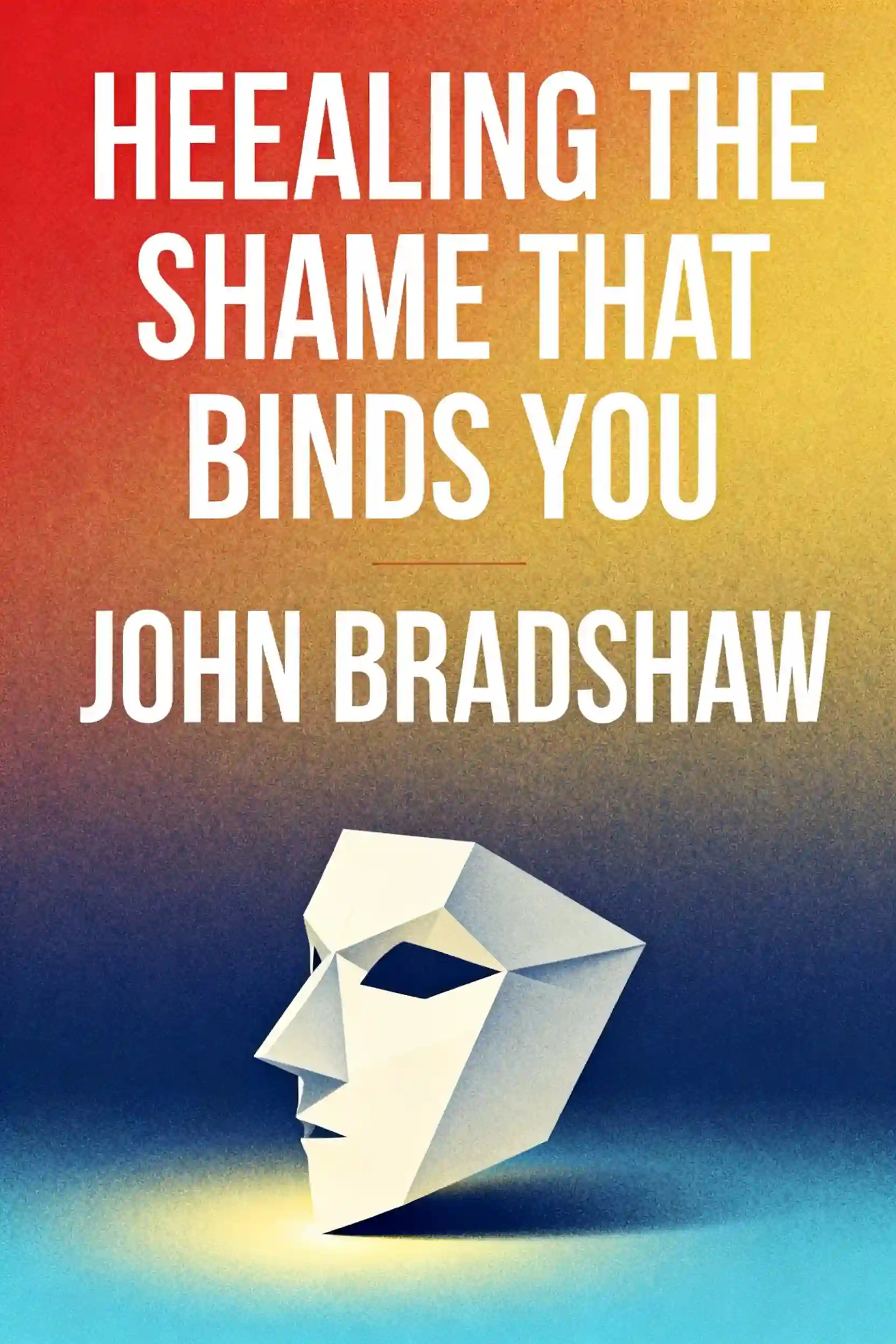
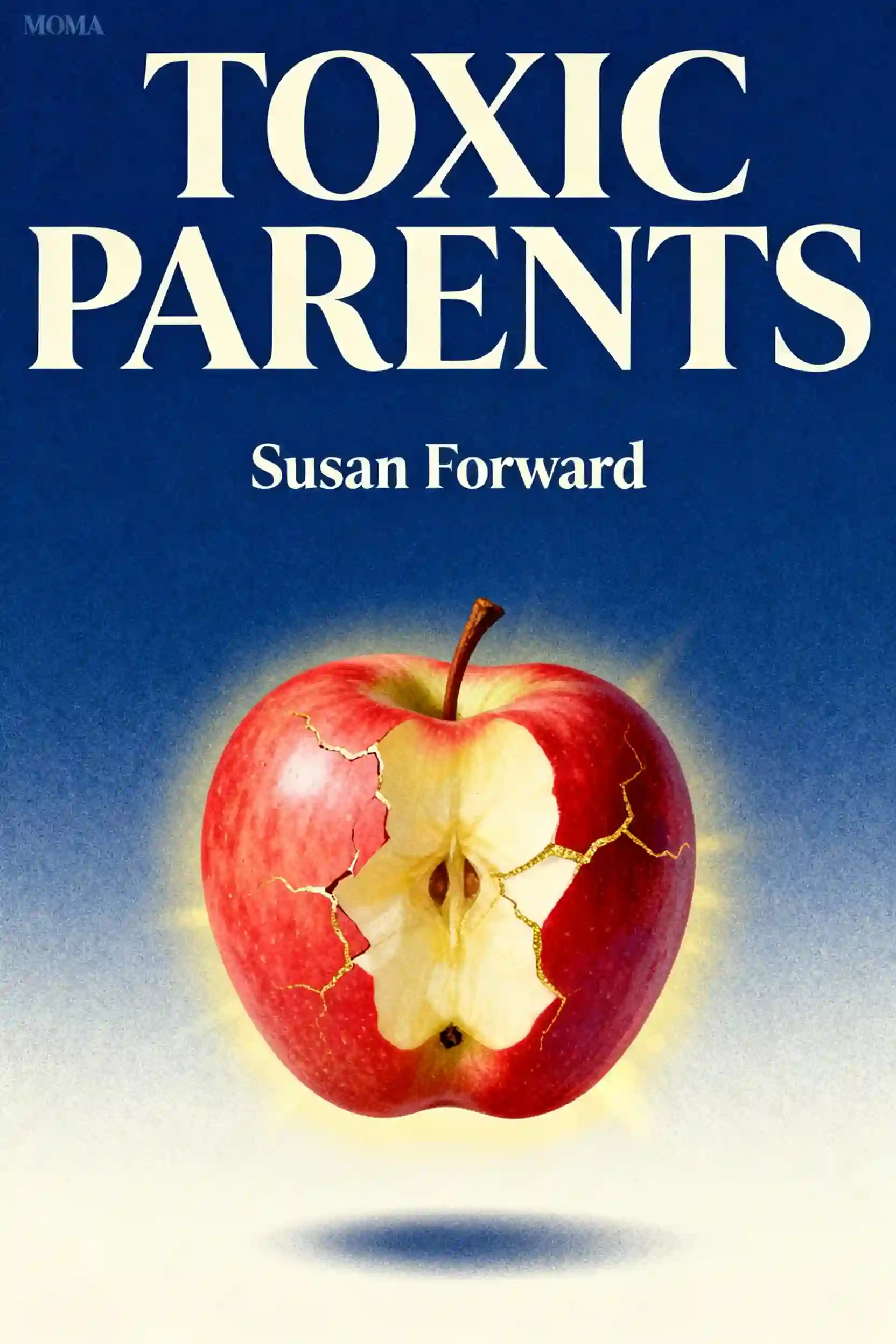
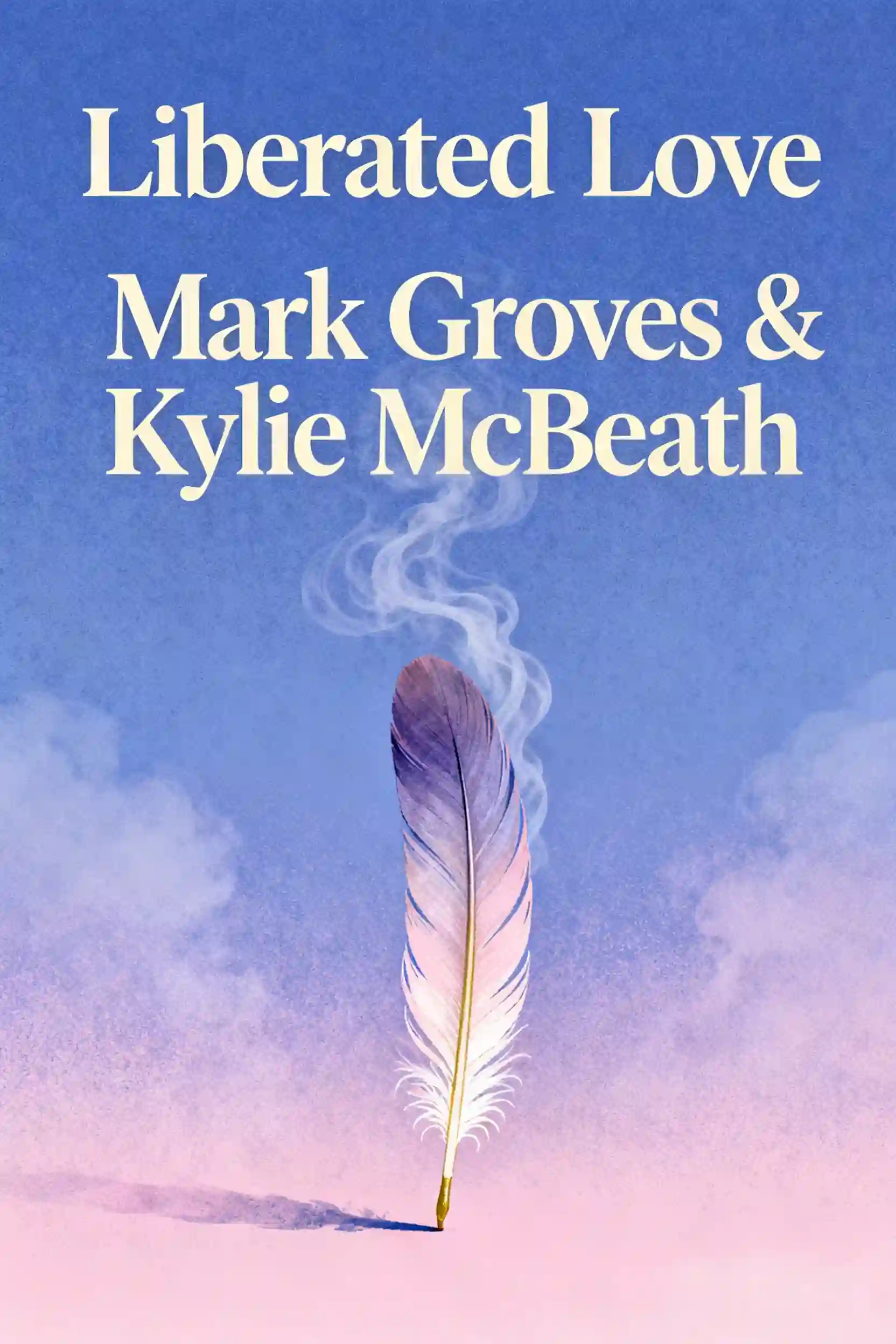
Frequently Asked Questions
Guilt is a functional emotion focused on behavior, allowing a person to recognize they did something wrong and take steps to fix the mistake. In contrast, shame is a "master emotion" that attacks a person's core identity, leading to the belief that they are wrong or fundamentally defective. While guilt can motivate positive change, shame often causes a total emotional shutdown and a sense of being unlovable.
According to the Internal Family Systems (IFS) model, behaviors like perfectionism, overachievement, and people-pleasing act as "Managers" or "protectors." These are internal survival programs developed in childhood to prevent external rejection by ensuring we are always helpful, successful, or funny. They attempt to hide a person's perceived "defective" core to maintain attachment and safety in environments where love may have felt conditional.
Validation addiction occurs because external praise acts as a temporary bandage on a deep, old wound. While receiving a "hit" of approval feels like medicine, it cannot answer childhood questions about intrinsic worth that were left unanswered. This creates a cycle of "emotional outsourcing," where a person becomes dependent on others for stability, leading to a hollow sense of identity and the need for increasingly frequent reassurance.
Stable chaos refers to a "relational repetition compulsion" where partners are locked in familiar but painful patterns, such as the pursuit-withdraw loop between an anxious and an avoidant person. Even though both individuals are miserable, the relationship feels "stable" to the brain because it mirrors the emotional inconsistency or distance experienced in childhood. The brain prioritizes this known pain over the unpredictable nature of a healthy, secure connection.
Healing begins with "unblending" from the shame by recognizing it as a part of oneself rather than one's entire identity. Practical steps include naming the shame when it arises physically, slowing down the impulse to seek reassurance, and grieving the mirroring or love that was missing in childhood. By practicing self-compassion and setting small boundaries, individuals can use neuroplasticity to build new neural pathways and move toward an authentic, secure foundation.
Discover more

Build self-worth and heal toxic shame
Build self-worth and heal toxic shame
This plan is essential for individuals struggling with persistent feelings of inadequacy or a harsh inner critic. It provides a structured path to move from shame-based living to a life of authentic self-worth and emotional resilience.
Learn about shame
Learn about shame
This learning plan is essential for anyone struggling with feelings of inadequacy or a harsh inner critic. It provides a compassionate roadmap for transforming deep-seated shame into self-acceptance and authentic connection, making it ideal for individuals seeking emotional healing and stronger relationships.
Overcome neediness
Overcome neediness
This learning plan is essential for anyone who finds themselves constantly seeking approval, struggling with codependency, or feeling incomplete without a relationship. It's particularly valuable for individuals who recognize patterns of people-pleasing, difficulty being alone, or anxiety about rejection, and who want to build healthier relationships by first developing a secure relationship with themselves.

Heal shame & master conflicts
Heal shame & master conflicts
Shame and unresolved conflicts damage relationships, career growth, and mental health, yet most people never learn the skills to address them effectively. This learning plan combines research-backed approaches from psychology, negotiation science, and relationship studies to help anyone struggling with self-criticism, avoiding difficult conversations, or feeling stuck in recurring conflicts. Whether you're navigating workplace tensions, personal relationships, or your own inner critic, these skills are fundamental to living authentically and building meaningful connections.

End addiction and learn self-love
End addiction and learn self-love
This learning plan is essential for individuals seeking to overcome addictive patterns by addressing the underlying neurological and emotional triggers. It is designed for anyone ready to move past shame and build a sustainable life rooted in self-compassion and mental resilience.
Heal trauma and build self-esteem
Heal trauma and build self-esteem
This plan is essential for anyone seeking to reclaim their life from the shadows of past experiences. It provides a structured path for individuals ready to transform their relationship with themselves by combining nervous system regulation with deep self-esteem work.
Heal Abandonment, Jealousy, Anger & Depress.
Heal Abandonment, Jealousy, Anger & Depress.
This plan is essential for individuals struggling with reactive emotional patterns that hinder personal peace and relationship stability. It provides a structured path for anyone seeking to heal deep-seated wounds and build lasting emotional resilience.

Recover from intermittent reinforcement
Recover from intermittent reinforcement
This plan is designed for individuals struggling to break free from the addictive cycle of toxic relationships and emotional inconsistency. It provides a science-based roadmap to heal attachment wounds, reclaim self-worth, and build a foundation for healthy future connections.
From Columbia University alumni built in San Francisco
"Instead of endless scrolling, I just hit play on BeFreed. It saves me so much time."


"I never knew where to start with nonfiction—BeFreed’s book lists turned into podcasts gave me a clear path."


"Perfect balance between learning and entertainment. Finished ‘Thinking, Fast and Slow’ on my commute this week."
"Crazy how much I learned while walking the dog. BeFreed = small habits → big gains."
"Reading used to feel like a chore. Now it’s just part of my lifestyle."

"Feels effortless compared to reading. I’ve finished 6 books this month already."
"BeFreed turned my guilty doomscrolling into something that feels productive and inspiring."

"BeFreed turned my commute into learning time. 20-min podcasts are perfect for finishing books I never had time for."
"BeFreed replaced my podcast queue. Imagine Spotify for books — that’s it. 🙌"

"It is great for me to learn something from the book without reading it."
"The themed book list podcasts help me connect ideas across authors—like a guided audio journey."
"Makes me feel smarter every time before going to work"
From Columbia University alumni built in San Francisco
"Instead of endless scrolling, I just hit play on BeFreed. It saves me so much time."
"I never knew where to start with nonfiction—BeFreed’s book lists turned into podcasts gave me a clear path."
"Perfect balance between learning and entertainment. Finished ‘Thinking, Fast and Slow’ on my commute this week."
"Crazy how much I learned while walking the dog. BeFreed = small habits → big gains."
"Reading used to feel like a chore. Now it’s just part of my lifestyle."
"Feels effortless compared to reading. I’ve finished 6 books this month already."
"BeFreed turned my guilty doomscrolling into something that feels productive and inspiring."
"BeFreed turned my commute into learning time. 20-min podcasts are perfect for finishing books I never had time for."
"BeFreed replaced my podcast queue. Imagine Spotify for books — that’s it. 🙌"
"It is great for me to learn something from the book without reading it."
"The themed book list podcasts help me connect ideas across authors—like a guided audio journey."
"Makes me feel smarter every time before going to work"
"Instead of endless scrolling, I just hit play on BeFreed. It saves me so much time."
"I never knew where to start with nonfiction—BeFreed’s book lists turned into podcasts gave me a clear path."
"Perfect balance between learning and entertainment. Finished ‘Thinking, Fast and Slow’ on my commute this week."
"Crazy how much I learned while walking the dog. BeFreed = small habits → big gains."
"Reading used to feel like a chore. Now it’s just part of my lifestyle."
"Feels effortless compared to reading. I’ve finished 6 books this month already."
"BeFreed turned my guilty doomscrolling into something that feels productive and inspiring."
"BeFreed turned my commute into learning time. 20-min podcasts are perfect for finishing books I never had time for."
"BeFreed replaced my podcast queue. Imagine Spotify for books — that’s it. 🙌"
"It is great for me to learn something from the book without reading it."
"The themed book list podcasts help me connect ideas across authors—like a guided audio journey."
"Makes me feel smarter every time before going to work"
"Instead of endless scrolling, I just hit play on BeFreed. It saves me so much time."
"I never knew where to start with nonfiction—BeFreed’s book lists turned into podcasts gave me a clear path."
"Perfect balance between learning and entertainment. Finished ‘Thinking, Fast and Slow’ on my commute this week."
"Crazy how much I learned while walking the dog. BeFreed = small habits → big gains."
"Reading used to feel like a chore. Now it’s just part of my lifestyle."
"Feels effortless compared to reading. I’ve finished 6 books this month already."
"BeFreed turned my guilty doomscrolling into something that feels productive and inspiring."
"BeFreed turned my commute into learning time. 20-min podcasts are perfect for finishing books I never had time for."
"BeFreed replaced my podcast queue. Imagine Spotify for books — that’s it. 🙌"
"It is great for me to learn something from the book without reading it."
"The themed book list podcasts help me connect ideas across authors—like a guided audio journey."
"Makes me feel smarter every time before going to work"


