
Healing from trauma when peace feels like a threat
Leaving chaos is only the first step. Learn why your nervous system stays on high alert and how to retrain your brain to accept safety and quiet.

Best quote from Healing from trauma when peace feels like a threat
Healing isn't about going back to who you were; it’s about becoming someone new who can finally tolerate being okay. For a nervous system used to constant chaos, peace can actually feel like a threat.

This audio lesson was created by a BeFreed community member
Healing from domestic violence and ptsd. Learning to be ok with healthy and not chaos

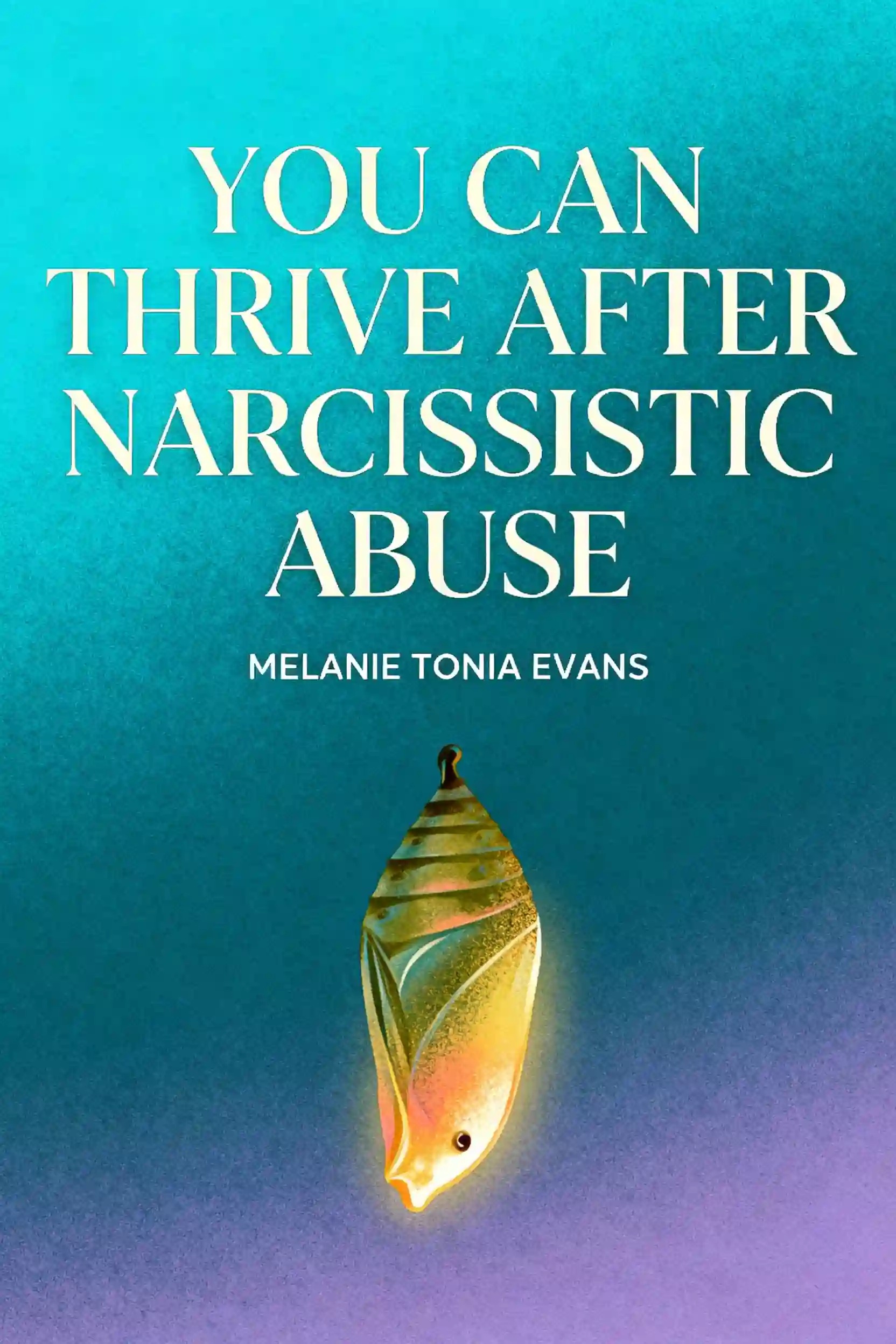
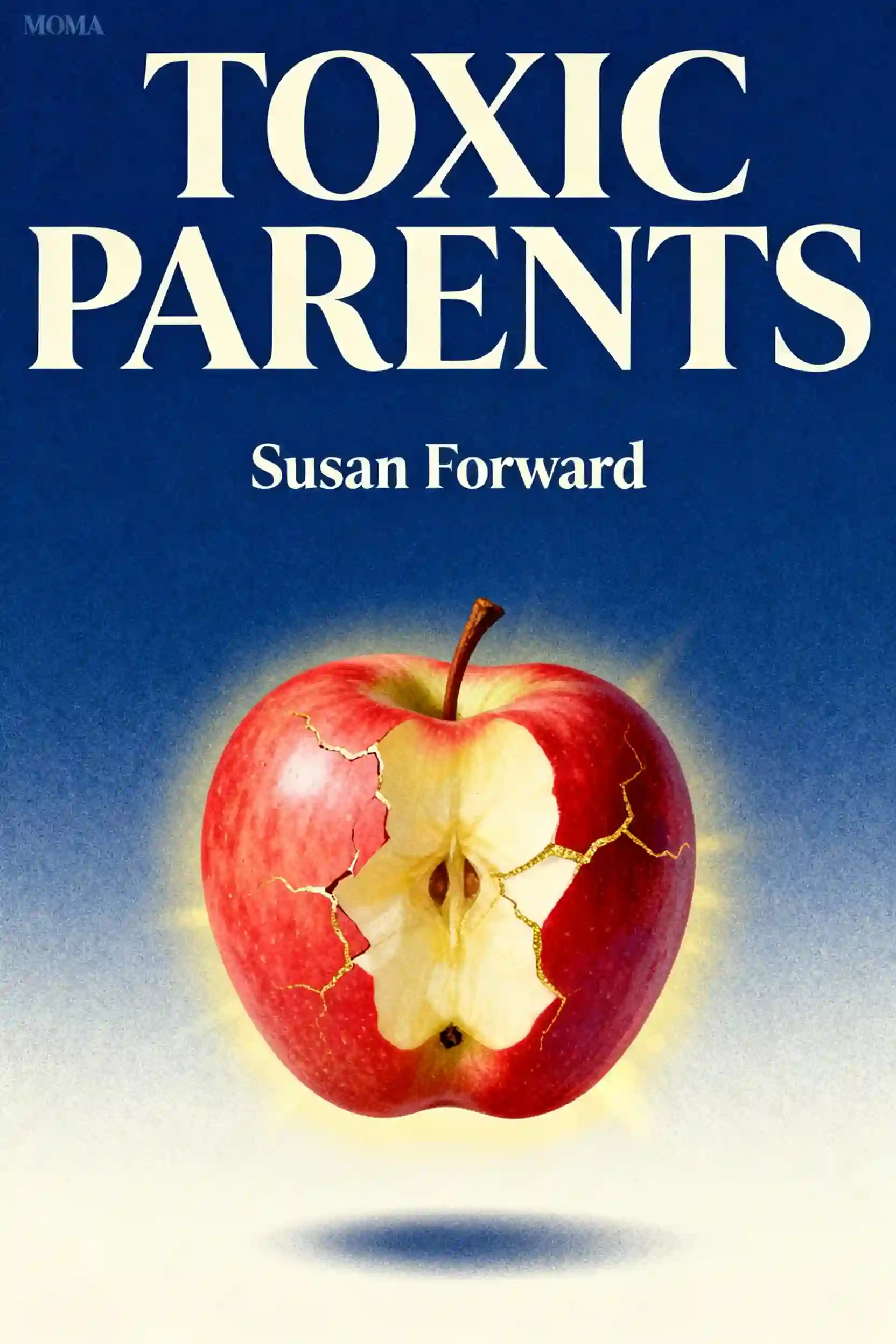
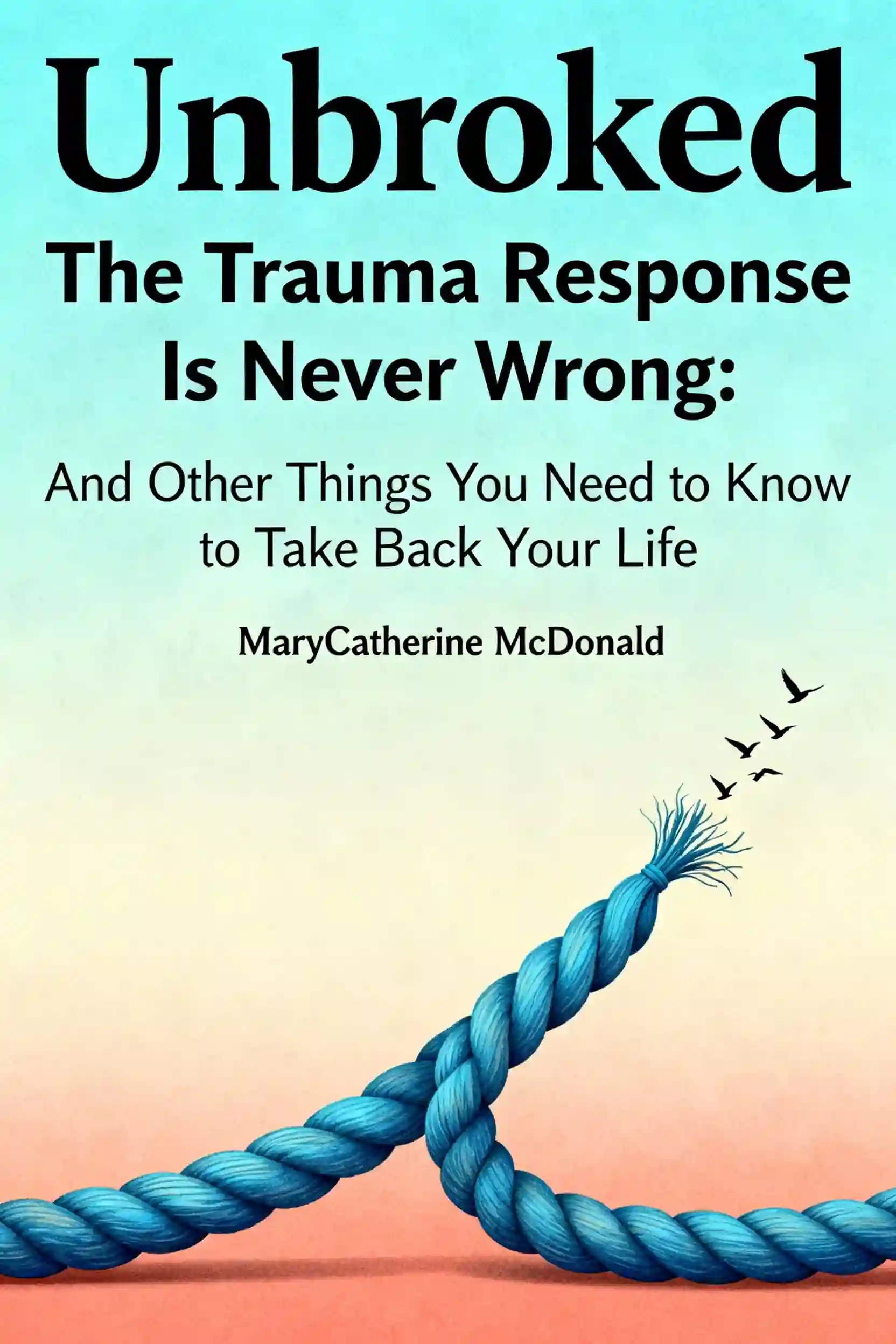
Frequently Asked Questions
For a nervous system accustomed to constant chaos or "walking on eggshells," a quiet environment can feel suspicious rather than relaxing. This occurs because the body’s internal fire alarm remains stuck in a state of hyper-vigilance, constantly scanning for the next potential blow. When the external environment becomes peaceful, it creates internal dissonance; the brain may even attempt to create a problem or pick a fight simply to make the outside world match the high-alert "threat detection" state happening inside the body.
While standard PTSD is often categorized as a disorder of memory and fear resulting from a single scary event, C-PTSD stems from long-term environments where escape felt impossible. It is described as a disturbance in "self-organization," meaning the trauma reshapes a person's identity, emotional regulation, and way of connecting with others. Survivors of C-PTSD often struggle with a negative self-concept, feeling inherently "bad" or permanently damaged, which is a survival mechanism developed to maintain a sense of control in uncontrollable situations.
Traumatic stress is a physiological problem that originates in the primitive parts of the brain, such as the amygdala and brainstem, which can override the logical, "top-down" thinking parts of the brain. Because the prefrontal cortex often goes offline during a trauma response, a person cannot simply "think" themselves into being calm. Bottom-up techniques—such as rhythmic breathing, grounding, and movement—communicate directly with the primitive brain to signal that the danger has passed, allowing the nervous system to stabilize before cognitive work can begin.
Relational trauma, caused by people who were supposed to be trustworthy, often leads survivors to perceive the world as fundamentally dangerous. This "Trust Barrier" can make it difficult to engage with healthcare providers or form new friendships without maintaining a protective shield. Recovery involves correcting power imbalances, where practitioners act as partners rather than authority figures, and slowly testing the waters of connection to move from "transactional" interactions to genuine, safe relationships.
Discover more

Heal trauma to regain control
Heal trauma to regain control
This learning plan is essential for anyone struggling with the lasting effects of trauma who feels stuck in survival mode or disconnected from their body. It's particularly valuable for those who've tried traditional therapy but still experience triggers, hypervigilance, or emotional numbness, offering a comprehensive approach that addresses trauma where it lives—in the nervous system and body.

Healing from childhood trauma
Healing from childhood trauma
This learning plan is designed for anyone whose early experiences continue to impact their emotional well-being, relationships, and sense of safety in the world. Whether you struggle with anxiety, hypervigilance, relationship patterns, or feeling stuck in survival mode, this comprehensive approach combines neuroscience-based understanding with practical healing tools to help you reclaim your life from the effects of childhood trauma.

Heal my nervous system
Heal my nervous system
This learning plan is essential for anyone experiencing chronic stress, anxiety, or the lingering effects of trauma that manifest as physical tension, emotional dysregulation, or feeling constantly on edge. It's particularly valuable for those who've tried traditional talk therapy alone and are seeking body-based approaches to healing, as well as anyone wanting to understand the physiological roots of their stress responses and develop practical tools for lasting nervous system regulation.

I want to learn how to heal from trauma.
I want to learn how to heal from trauma.
This plan is essential for survivors and wellness advocates seeking a body-based approach to recovery beyond traditional talk therapy. It provides a structured path for anyone looking to regulate their nervous system and build a resilient future after adversity.

Heal attachment, set boundaries & slow down
Heal attachment, set boundaries & slow down
This plan is designed for individuals seeking to break cycles of relational stress and nervous system burnout. It is ideal for anyone ready to heal childhood wounds, set healthier boundaries, and embrace a slower, more intentional pace of life.

Manage ADHD/PTSD challenges
Manage ADHD/PTSD challenges
Living with ADHD and PTSD can feel overwhelming, but understanding how your brain works and having the right tools can transform your daily experience. This learning plan is designed for anyone managing the intersection of ADHD and trauma who wants to move beyond survival mode into genuine healing and thriving, using evidence-based approaches that honor both neurodivergence and trauma recovery.
Heal Abandonment, Jealousy, Anger & Depress.
Heal Abandonment, Jealousy, Anger & Depress.
This plan is essential for individuals struggling with reactive emotional patterns that hinder personal peace and relationship stability. It provides a structured path for anyone seeking to heal deep-seated wounds and build lasting emotional resilience.
Stay calm, stop overthinking & set boundaries
Stay calm, stop overthinking & set boundaries
In an era of constant digital noise and high pressure, the ability to regulate your nervous system and protect your time is essential for mental health. This plan is designed for professionals and individuals prone to burnout who want to reclaim their focus and improve their interpersonal dynamics.
From Columbia University alumni built in San Francisco
"Instead of endless scrolling, I just hit play on BeFreed. It saves me so much time."


"I never knew where to start with nonfiction—BeFreed’s book lists turned into podcasts gave me a clear path."


"Perfect balance between learning and entertainment. Finished ‘Thinking, Fast and Slow’ on my commute this week."
"Crazy how much I learned while walking the dog. BeFreed = small habits → big gains."
"Reading used to feel like a chore. Now it’s just part of my lifestyle."

"Feels effortless compared to reading. I’ve finished 6 books this month already."
"BeFreed turned my guilty doomscrolling into something that feels productive and inspiring."

"BeFreed turned my commute into learning time. 20-min podcasts are perfect for finishing books I never had time for."
"BeFreed replaced my podcast queue. Imagine Spotify for books — that’s it. 🙌"

"It is great for me to learn something from the book without reading it."
"The themed book list podcasts help me connect ideas across authors—like a guided audio journey."
"Makes me feel smarter every time before going to work"
From Columbia University alumni built in San Francisco
"Instead of endless scrolling, I just hit play on BeFreed. It saves me so much time."
"I never knew where to start with nonfiction—BeFreed’s book lists turned into podcasts gave me a clear path."
"Perfect balance between learning and entertainment. Finished ‘Thinking, Fast and Slow’ on my commute this week."
"Crazy how much I learned while walking the dog. BeFreed = small habits → big gains."
"Reading used to feel like a chore. Now it’s just part of my lifestyle."
"Feels effortless compared to reading. I’ve finished 6 books this month already."
"BeFreed turned my guilty doomscrolling into something that feels productive and inspiring."
"BeFreed turned my commute into learning time. 20-min podcasts are perfect for finishing books I never had time for."
"BeFreed replaced my podcast queue. Imagine Spotify for books — that’s it. 🙌"
"It is great for me to learn something from the book without reading it."
"The themed book list podcasts help me connect ideas across authors—like a guided audio journey."
"Makes me feel smarter every time before going to work"
"Instead of endless scrolling, I just hit play on BeFreed. It saves me so much time."
"I never knew where to start with nonfiction—BeFreed’s book lists turned into podcasts gave me a clear path."
"Perfect balance between learning and entertainment. Finished ‘Thinking, Fast and Slow’ on my commute this week."
"Crazy how much I learned while walking the dog. BeFreed = small habits → big gains."
"Reading used to feel like a chore. Now it’s just part of my lifestyle."
"Feels effortless compared to reading. I’ve finished 6 books this month already."
"BeFreed turned my guilty doomscrolling into something that feels productive and inspiring."
"BeFreed turned my commute into learning time. 20-min podcasts are perfect for finishing books I never had time for."
"BeFreed replaced my podcast queue. Imagine Spotify for books — that’s it. 🙌"
"It is great for me to learn something from the book without reading it."
"The themed book list podcasts help me connect ideas across authors—like a guided audio journey."
"Makes me feel smarter every time before going to work"
"Instead of endless scrolling, I just hit play on BeFreed. It saves me so much time."
"I never knew where to start with nonfiction—BeFreed’s book lists turned into podcasts gave me a clear path."
"Perfect balance between learning and entertainment. Finished ‘Thinking, Fast and Slow’ on my commute this week."
"Crazy how much I learned while walking the dog. BeFreed = small habits → big gains."
"Reading used to feel like a chore. Now it’s just part of my lifestyle."
"Feels effortless compared to reading. I’ve finished 6 books this month already."
"BeFreed turned my guilty doomscrolling into something that feels productive and inspiring."
"BeFreed turned my commute into learning time. 20-min podcasts are perfect for finishing books I never had time for."
"BeFreed replaced my podcast queue. Imagine Spotify for books — that’s it. 🙌"
"It is great for me to learn something from the book without reading it."
"The themed book list podcasts help me connect ideas across authors—like a guided audio journey."
"Makes me feel smarter every time before going to work"


