

Best quote from Global development is changing: Is the aid model dead?
We’re shifting from a world of 'permanent alliances' to a world of 'transactional partnerships.' It’s more flexible, sure, but it’s also much colder.

This audio lesson was created by a BeFreed community member
The future of development work and NGOs in the global political and economic landscape.

Frequently Asked Questions
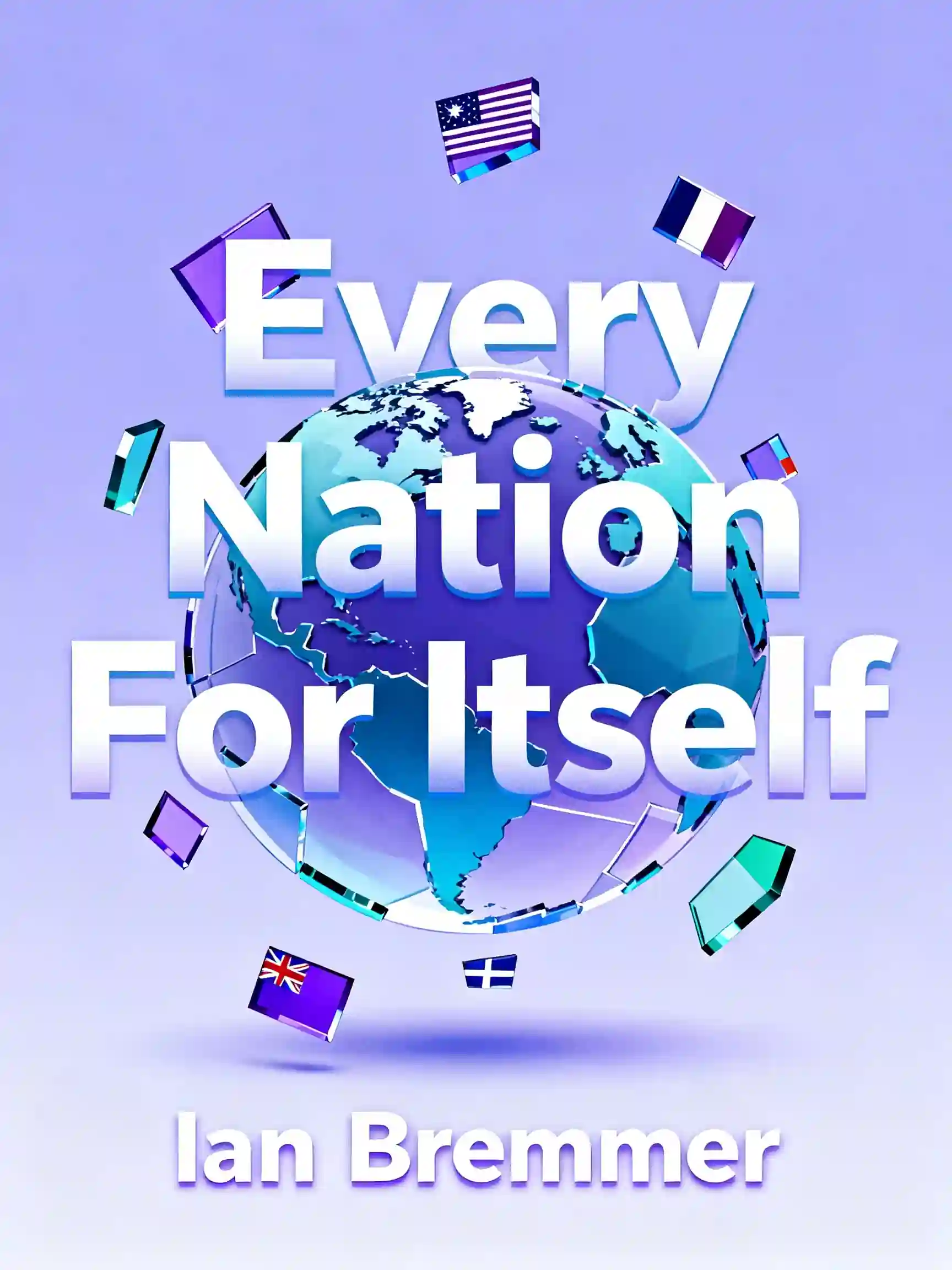
Multi-alignment is a strategic approach where countries in the Global South, such as Brazil, Indonesia, and Turkey, diversify their partnerships based on national interest rather than sticking to a single "East versus West" alliance. In the 2026 landscape, this means smaller nations no longer have to follow strict Western rules to receive aid; they can choose from a "menu of options" including the World Bank, China, or Gulf states. This shift grants more agency to the Global South but also creates a more fragmented and unpredictable international order where traditional Western leadership is no longer the default.
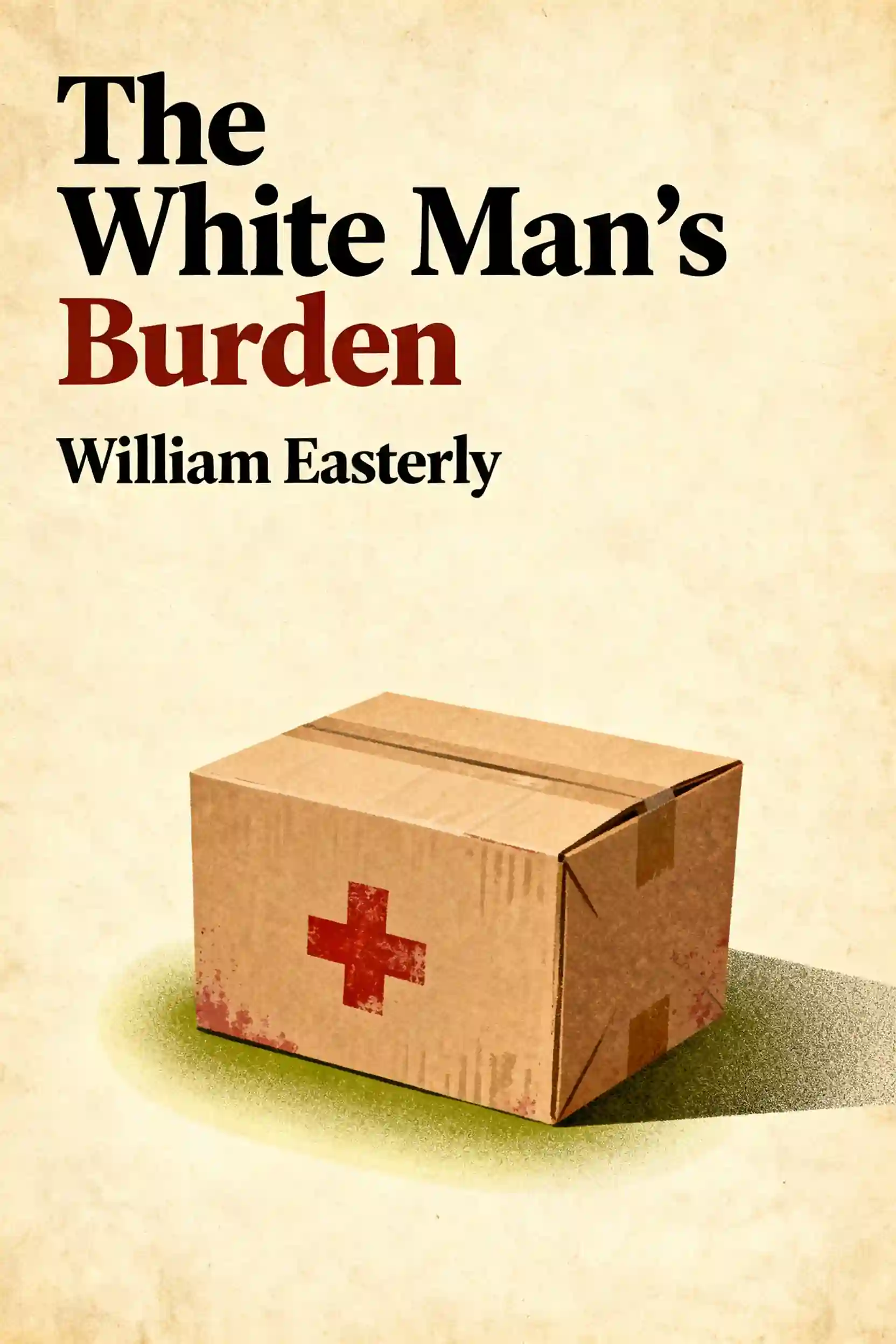
China maintains a "hybrid positioning" by approaching high-income economic status while politically doubling down on its identity as a "developing country." This allows China to lead Global South coalitions through initiatives like the Global Governance Initiative, which emphasizes sovereign equality and "actionable outcomes" over Western-style moral conditionality. By focusing on concrete infrastructure like 5G networks and ports, China positions itself as a relatable partner to developing nations, contrasting with Western donors who are often perceived as paternalistic.
Unlike China, Russia lacks a coherent development narrative but exerts influence through "spoiler" tools such as arms, disinformation, and nuclear energy. Through state-owned Rosatom, Russia offers integrated nuclear packages to countries in the Global South, creating deep, fifty-year dependencies that provide Moscow with significant geopolitical leverage. Additionally, Russia exploits local disillusionment with traditional democracy and Western aid through digital disinformation, supporting military-led regimes that have turned away from Western partnerships.
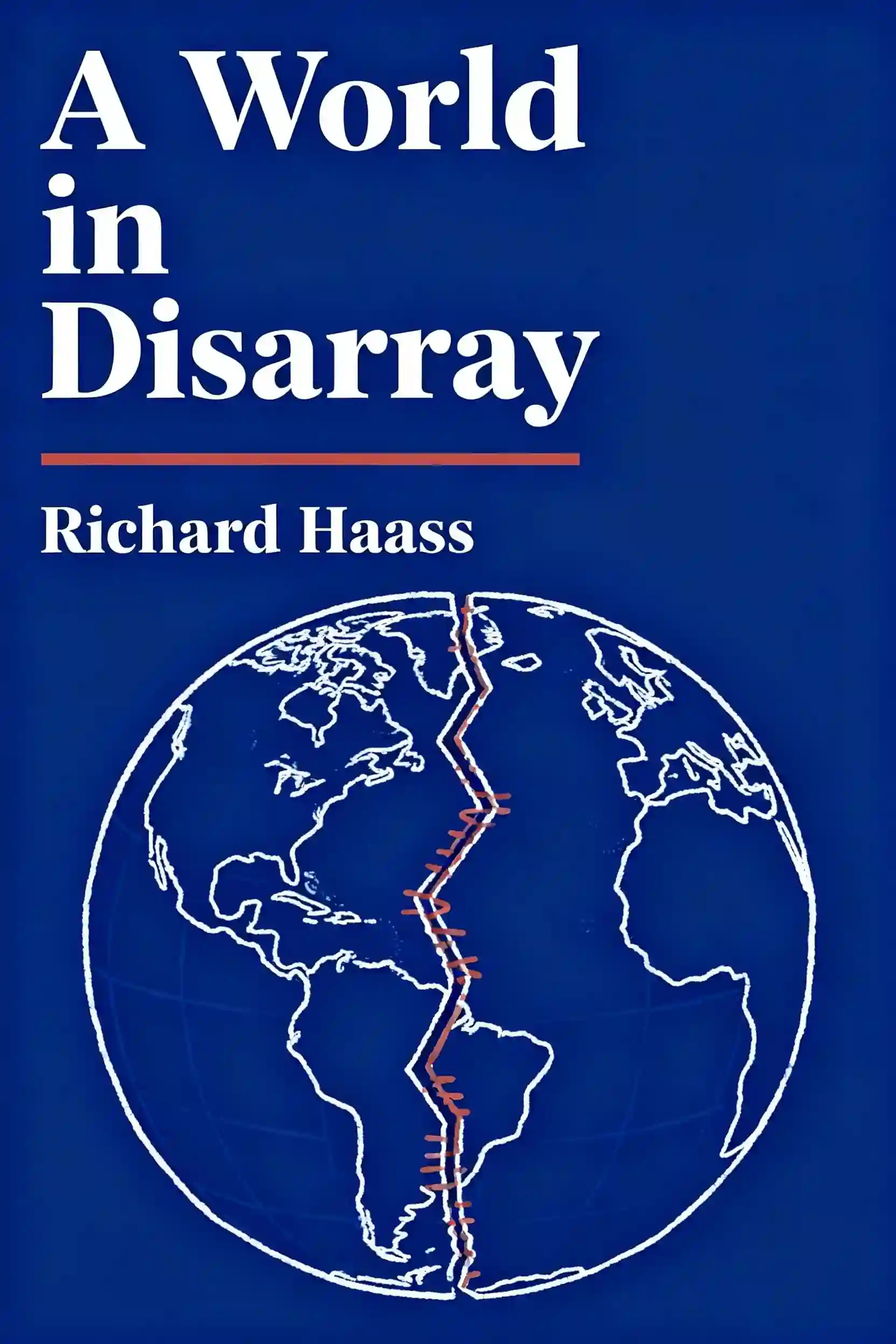
The "funding cliff" refers to a massive 60% funding gap caused by major donors like the U.S., UK, and Germany slashing their aid budgets and dismantling traditional agencies. To survive, NGOs must move away from the "grant-chasing" model, which is costly and inefficient, and pivot toward becoming "Technical Partners" for Multilateral Development Banks. This involves focusing on institutional capacity building and high-level oversight rather than simple service delivery. NGOs must also prioritize rigorous compliance certifications, such as the Core Humanitarian Standard, to remain competitive in a leaner, more specialized sector.
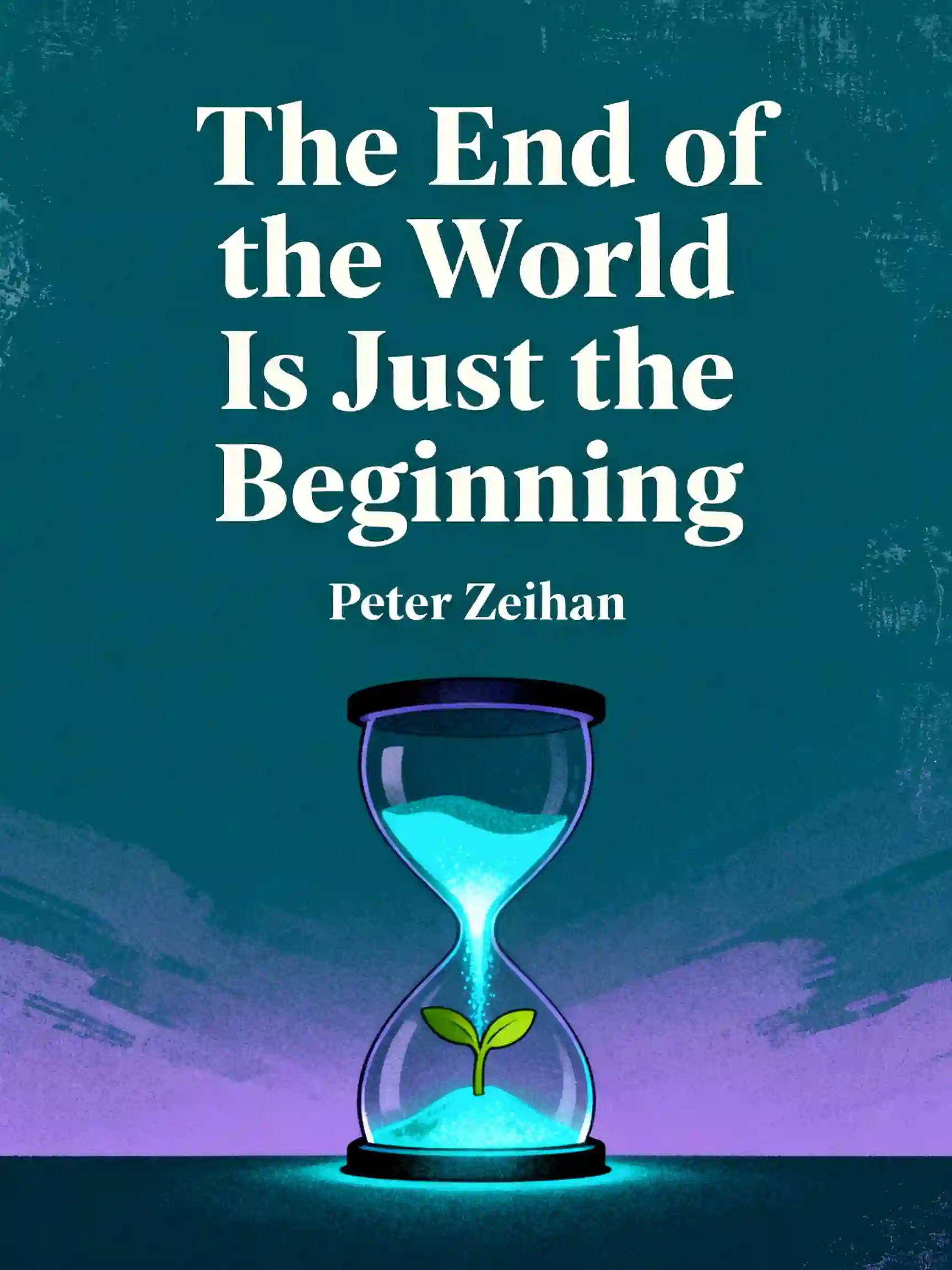
Digital Balkanization is the fracturing of the global internet into "Splinternets" or "Digital Sovereignty Zones" where countries impose their own technical standards and data regulations. This shift is driven by a desire for data sovereignty, as nations want to control the data that fuels their AI and economic growth. For the development sector, this creates "weaponized interdependence" and high costs, as NGOs may need to build multiple versions of the same digital system to comply with the incompatible technical and ethical standards of different regional blocs.
Discover more

Global South Anti-Imperialist Solidarity
Global South Anti-Imperialist Solidarity
This plan provides a critical framework for understanding how historical power dynamics continue to shape modern global economics and politics. It is essential for activists, students of international relations, and anyone committed to decolonial justice and global equity.

Expert in Affordable Housing & Development
Expert in Affordable Housing & Development
This plan addresses the critical global need for equitable urban growth by merging financial expertise with social advocacy. It is designed for aspiring developers, urban planners, and nonprofit leaders dedicated to solving the housing crisis through sustainable and inclusive development.

expert in fundraising
expert in fundraising
This curriculum is designed for aspiring development directors and nonprofit leaders who need to move beyond basic grant writing. It bridges the gap between tactical execution and strategic leadership to secure high-impact funding and organizational growth.

Explore Global Issues & Human Progress
Explore Global Issues & Human Progress
In an era of constant crisis narratives, understanding the balance between human advancement and systemic challenges is essential for informed global citizenship. This plan is ideal for leaders, students, and advocates who want to look beyond the headlines to find data-driven solutions for a sustainable future.

Unstoppable: Women Leading Global Change
Unstoppable: Women Leading Global Change
This plan is designed for aspiring and established female leaders who want to translate their vision into global impact. It provides a comprehensive framework for overcoming systemic hurdles while fostering innovation and sustainable organizational growth.
Architect retiring to nonprofit work
Architect retiring to nonprofit work
Transitioning from a technical career like architecture to the nonprofit sector requires a specific shift in both mindset and management style. This plan is designed for experienced professionals looking to leverage their structural thinking and leadership skills for social good.
Self-Growth, Health, Tech & Global Affairs
Self-Growth, Health, Tech & Global Affairs
In an era of rapid disruption, true success requires a holistic approach that bridges personal development with global awareness. This plan is designed for ambitious professionals and lifelong learners seeking to master their health, leverage cutting-edge technology, and navigate the complexities of modern geopolitics.
Holistic Growth, Science & Global Trends
Holistic Growth, Science & Global Trends
This learning plan is essential for leaders and innovators navigating a rapidly changing world driven by technology and complexity. It bridges the gap between personal development, systems science, and global economics to foster a comprehensive understanding of future trends.
From Columbia University alumni built in San Francisco
"Instead of endless scrolling, I just hit play on BeFreed. It saves me so much time."


"I never knew where to start with nonfiction—BeFreed’s book lists turned into podcasts gave me a clear path."


"Perfect balance between learning and entertainment. Finished ‘Thinking, Fast and Slow’ on my commute this week."
"Crazy how much I learned while walking the dog. BeFreed = small habits → big gains."
"Reading used to feel like a chore. Now it’s just part of my lifestyle."

"Feels effortless compared to reading. I’ve finished 6 books this month already."
"BeFreed turned my guilty doomscrolling into something that feels productive and inspiring."

"BeFreed turned my commute into learning time. 20-min podcasts are perfect for finishing books I never had time for."
"BeFreed replaced my podcast queue. Imagine Spotify for books — that’s it. 🙌"

"It is great for me to learn something from the book without reading it."
"The themed book list podcasts help me connect ideas across authors—like a guided audio journey."
"Makes me feel smarter every time before going to work"
From Columbia University alumni built in San Francisco
"Instead of endless scrolling, I just hit play on BeFreed. It saves me so much time."
"I never knew where to start with nonfiction—BeFreed’s book lists turned into podcasts gave me a clear path."
"Perfect balance between learning and entertainment. Finished ‘Thinking, Fast and Slow’ on my commute this week."
"Crazy how much I learned while walking the dog. BeFreed = small habits → big gains."
"Reading used to feel like a chore. Now it’s just part of my lifestyle."
"Feels effortless compared to reading. I’ve finished 6 books this month already."
"BeFreed turned my guilty doomscrolling into something that feels productive and inspiring."
"BeFreed turned my commute into learning time. 20-min podcasts are perfect for finishing books I never had time for."
"BeFreed replaced my podcast queue. Imagine Spotify for books — that’s it. 🙌"
"It is great for me to learn something from the book without reading it."
"The themed book list podcasts help me connect ideas across authors—like a guided audio journey."
"Makes me feel smarter every time before going to work"
"Instead of endless scrolling, I just hit play on BeFreed. It saves me so much time."
"I never knew where to start with nonfiction—BeFreed’s book lists turned into podcasts gave me a clear path."
"Perfect balance between learning and entertainment. Finished ‘Thinking, Fast and Slow’ on my commute this week."
"Crazy how much I learned while walking the dog. BeFreed = small habits → big gains."
"Reading used to feel like a chore. Now it’s just part of my lifestyle."
"Feels effortless compared to reading. I’ve finished 6 books this month already."
"BeFreed turned my guilty doomscrolling into something that feels productive and inspiring."
"BeFreed turned my commute into learning time. 20-min podcasts are perfect for finishing books I never had time for."
"BeFreed replaced my podcast queue. Imagine Spotify for books — that’s it. 🙌"
"It is great for me to learn something from the book without reading it."
"The themed book list podcasts help me connect ideas across authors—like a guided audio journey."
"Makes me feel smarter every time before going to work"
"Instead of endless scrolling, I just hit play on BeFreed. It saves me so much time."
"I never knew where to start with nonfiction—BeFreed’s book lists turned into podcasts gave me a clear path."
"Perfect balance between learning and entertainment. Finished ‘Thinking, Fast and Slow’ on my commute this week."
"Crazy how much I learned while walking the dog. BeFreed = small habits → big gains."
"Reading used to feel like a chore. Now it’s just part of my lifestyle."
"Feels effortless compared to reading. I’ve finished 6 books this month already."
"BeFreed turned my guilty doomscrolling into something that feels productive and inspiring."
"BeFreed turned my commute into learning time. 20-min podcasts are perfect for finishing books I never had time for."
"BeFreed replaced my podcast queue. Imagine Spotify for books — that’s it. 🙌"
"It is great for me to learn something from the book without reading it."
"The themed book list podcasts help me connect ideas across authors—like a guided audio journey."
"Makes me feel smarter every time before going to work"


