
Getting Things Done Without the Mental Clutter
Struggling with open loops and a busy brain? Learn how to clear your mind and use a trusted system to turn mental chaos into actual momentum.

Best quote from Getting Things Done Without the Mental Clutter
Your brain is great for having ideas, but it’s actually pretty terrible at holding them. There is usually an inverse relationship between how much something is on your mind and how much progress you’re actually making on it.

This audio lesson was created by a BeFreed community member
Getting things done and being productive.

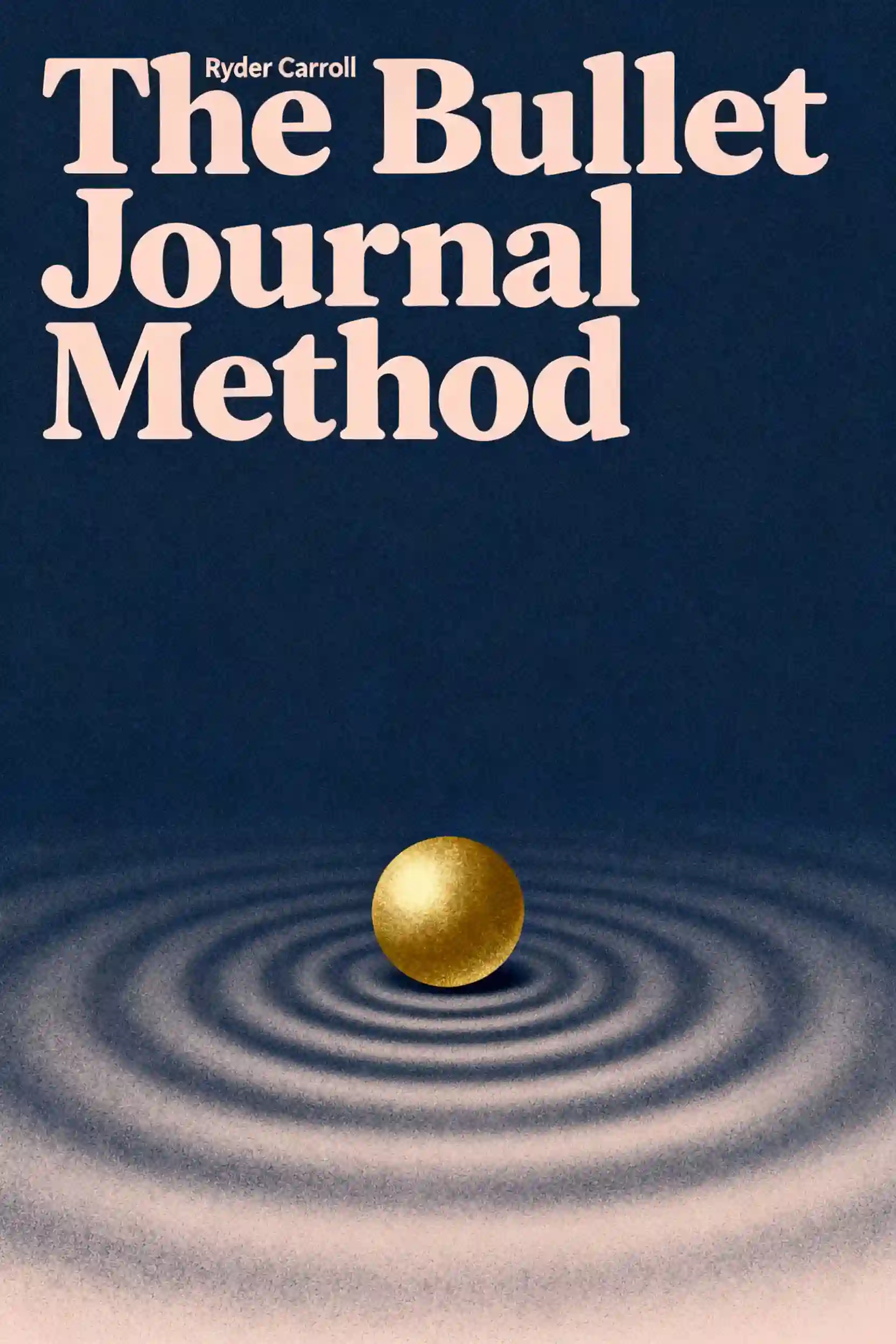
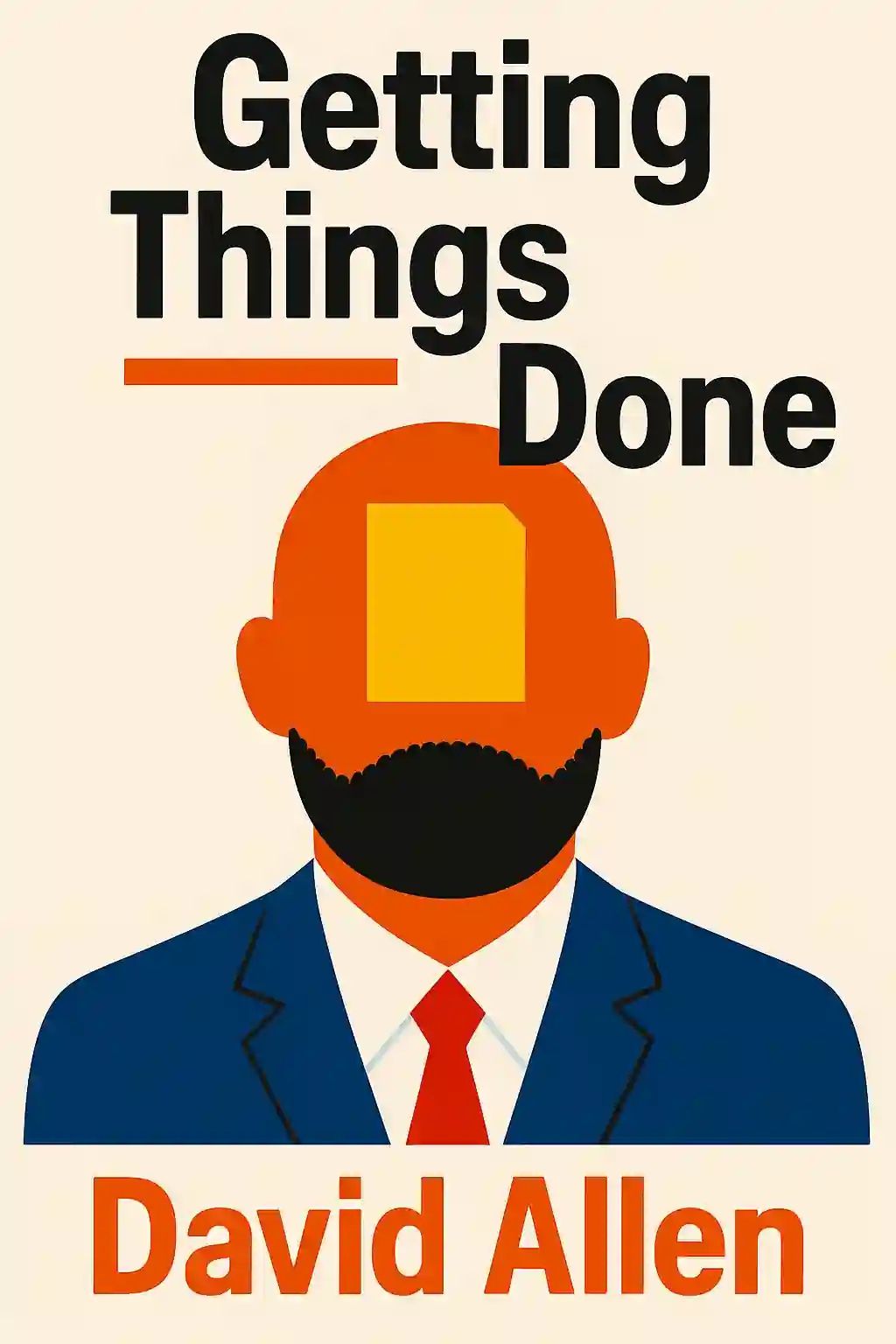
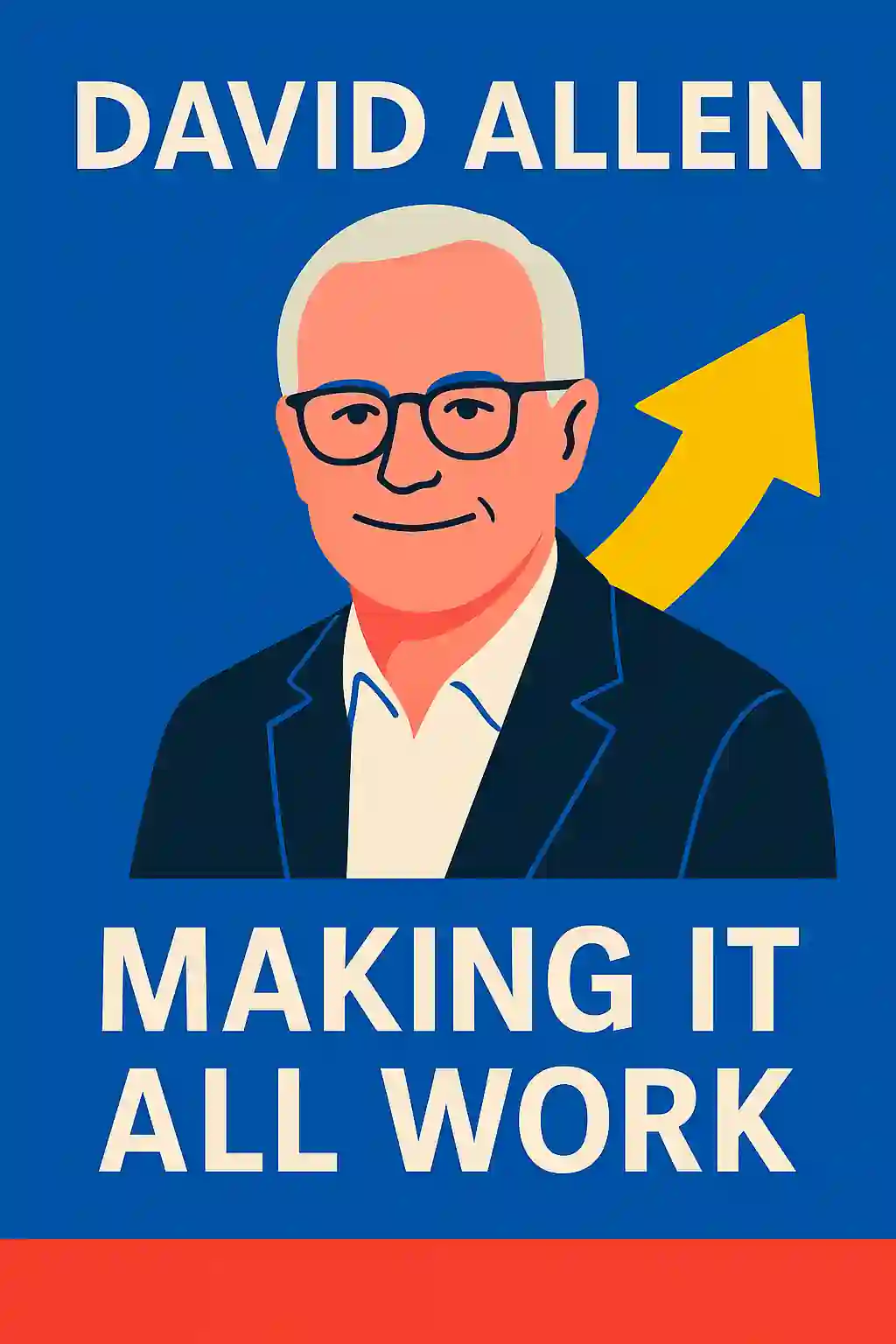
Frequently Asked Questions
An open loop is any task, commitment, or idea that is pulling at your attention but hasn't been captured in a trusted system. According to the script, these loops create mental clutter because your brain is better at having ideas than holding them. This leads to the Zeigarnik Effect, a psychological phenomenon where unfinished tasks create mental tension and stress, effectively eating up your "mental RAM" and making it harder to focus on the task at hand.
Clarifying is the process of looking at captured items and deciding if they are actionable. If an item is actionable, you must define the very next physical action required to move it forward. For example, instead of a vague project like "Tax Return," you would define a tiny, concrete step like "Gather receipts for 2025." This removes the friction of starting and prevents your inbox from becoming a "digital junk drawer" of vague worries.
Contexts are filters used to organize your "Next Actions" based on the tools, location, or energy level required to complete them. Common contexts include @Computer, @Phone, or @Errands. By organizing tasks this way, you only see what you can actually accomplish in your current environment. This prevents your brain from wasting energy on irrelevant tasks, such as seeing a coding task while you are at the grocery store.
The Weekly Review is a ritual used to get "clean, clear, current, and complete." Without it, the system eventually degrades into a junkyard of old, irrelevant tasks, causing your brain to lose trust in the system and return to the habit of trying to remember everything. During a review, you empty your head of new thoughts, ensure every active project has a defined next action, and move non-urgent ideas to a "Someday/Maybe" list.
The Two-Minute Rule states that if a task on your list will take less than two minutes to complete—such as a quick email reply or making an appointment—you should do it immediately rather than filing or scheduling it. The script suggests that applying this rule can often clear up to 30% of a typical brain dump instantly, providing immediate momentum and reducing the number of items that need to be managed by the system.
Discover more

How to organise my life and clear my head.
How to organise my life and clear my head.
This plan is essential for professionals and individuals feeling overwhelmed by modern demands and mental clutter. It provides a roadmap for anyone seeking to transition from a state of constant chaos to a life of structured clarity and sustainable balance.

How to be productive and not procrastinate
How to be productive and not procrastinate
This plan is essential for professionals and students struggling with overwhelm and digital distraction. It provides a roadmap from foundational organization to advanced performance systems, making it ideal for anyone seeking to reclaim their time and focus.

Get shit done
Get shit done
In an era of constant distraction, the ability to execute reliably is a rare competitive advantage. This plan is designed for professionals and creators who feel overwhelmed by their to-do lists and want to transition from busywork to high-impact achievement.
Stop overthinking and bypass mental noise
Stop overthinking and bypass mental noise
In an era of constant information overload, many professionals and students find themselves paralyzed by chronic overthinking and anxiety. This plan offers a structured path for anyone seeking to regain control over their focus, reduce stress, and transform their relationship with their inner dialogue.
Boost Productivity, Mindset & Discipline
Boost Productivity, Mindset & Discipline
In an era of constant distraction, mastering the intersection of mental frameworks and systematic discipline is the only way to achieve sustainable high performance. This plan is designed for ambitious professionals and creators looking to replace fleeting motivation with robust systems for long-term success.
Work through brain fog blocking my output
Work through brain fog blocking my output
In an era of constant digital distractions and burnout, mental clarity is a competitive advantage. This plan is designed for professionals and students who feel mentally sluggish and need science-backed strategies to restore their cognitive performance and output.
From Columbia University alumni built in San Francisco
"Instead of endless scrolling, I just hit play on BeFreed. It saves me so much time."


"I never knew where to start with nonfiction—BeFreed’s book lists turned into podcasts gave me a clear path."


"Perfect balance between learning and entertainment. Finished ‘Thinking, Fast and Slow’ on my commute this week."
"Crazy how much I learned while walking the dog. BeFreed = small habits → big gains."
"Reading used to feel like a chore. Now it’s just part of my lifestyle."

"Feels effortless compared to reading. I’ve finished 6 books this month already."
"BeFreed turned my guilty doomscrolling into something that feels productive and inspiring."

"BeFreed turned my commute into learning time. 20-min podcasts are perfect for finishing books I never had time for."
"BeFreed replaced my podcast queue. Imagine Spotify for books — that’s it. 🙌"

"It is great for me to learn something from the book without reading it."
"The themed book list podcasts help me connect ideas across authors—like a guided audio journey."
"Makes me feel smarter every time before going to work"
From Columbia University alumni built in San Francisco
"Instead of endless scrolling, I just hit play on BeFreed. It saves me so much time."
"I never knew where to start with nonfiction—BeFreed’s book lists turned into podcasts gave me a clear path."
"Perfect balance between learning and entertainment. Finished ‘Thinking, Fast and Slow’ on my commute this week."
"Crazy how much I learned while walking the dog. BeFreed = small habits → big gains."
"Reading used to feel like a chore. Now it’s just part of my lifestyle."
"Feels effortless compared to reading. I’ve finished 6 books this month already."
"BeFreed turned my guilty doomscrolling into something that feels productive and inspiring."
"BeFreed turned my commute into learning time. 20-min podcasts are perfect for finishing books I never had time for."
"BeFreed replaced my podcast queue. Imagine Spotify for books — that’s it. 🙌"
"It is great for me to learn something from the book without reading it."
"The themed book list podcasts help me connect ideas across authors—like a guided audio journey."
"Makes me feel smarter every time before going to work"
"Instead of endless scrolling, I just hit play on BeFreed. It saves me so much time."
"I never knew where to start with nonfiction—BeFreed’s book lists turned into podcasts gave me a clear path."
"Perfect balance between learning and entertainment. Finished ‘Thinking, Fast and Slow’ on my commute this week."
"Crazy how much I learned while walking the dog. BeFreed = small habits → big gains."
"Reading used to feel like a chore. Now it’s just part of my lifestyle."
"Feels effortless compared to reading. I’ve finished 6 books this month already."
"BeFreed turned my guilty doomscrolling into something that feels productive and inspiring."
"BeFreed turned my commute into learning time. 20-min podcasts are perfect for finishing books I never had time for."
"BeFreed replaced my podcast queue. Imagine Spotify for books — that’s it. 🙌"
"It is great for me to learn something from the book without reading it."
"The themed book list podcasts help me connect ideas across authors—like a guided audio journey."
"Makes me feel smarter every time before going to work"
"Instead of endless scrolling, I just hit play on BeFreed. It saves me so much time."
"I never knew where to start with nonfiction—BeFreed’s book lists turned into podcasts gave me a clear path."
"Perfect balance between learning and entertainment. Finished ‘Thinking, Fast and Slow’ on my commute this week."
"Crazy how much I learned while walking the dog. BeFreed = small habits → big gains."
"Reading used to feel like a chore. Now it’s just part of my lifestyle."
"Feels effortless compared to reading. I’ve finished 6 books this month already."
"BeFreed turned my guilty doomscrolling into something that feels productive and inspiring."
"BeFreed turned my commute into learning time. 20-min podcasts are perfect for finishing books I never had time for."
"BeFreed replaced my podcast queue. Imagine Spotify for books — that’s it. 🙌"
"It is great for me to learn something from the book without reading it."
"The themed book list podcasts help me connect ideas across authors—like a guided audio journey."
"Makes me feel smarter every time before going to work"


