
Future-proof careers that AI can't replace
Worried about automation? Discover how to choose a career path focused on human connection and problem-solving to build a secure, purposeful future.

Best quote from Future-proof careers that AI can't replace
The secret isn't trying to outrun the algorithms; it's leaning into what makes us uniquely human by focusing on empathy, complex problem-solving, and the 'human-centric' qualities that are becoming our greatest superpowers.

This audio lesson was created by a BeFreed community member
Choosing a path after high school in USA, for jobs that are insulated from AI/ML and creative, purposeful, and fulfilling.

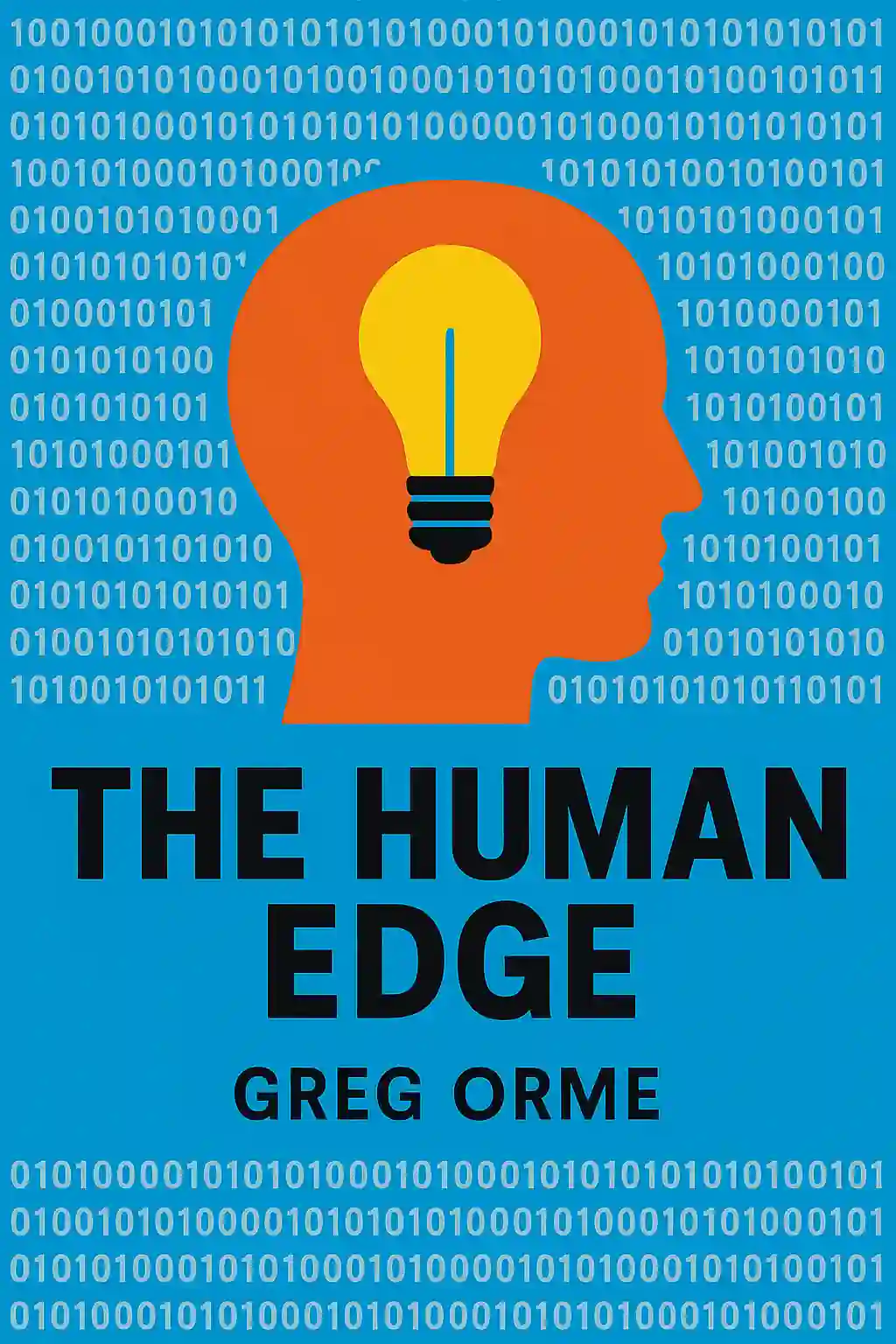
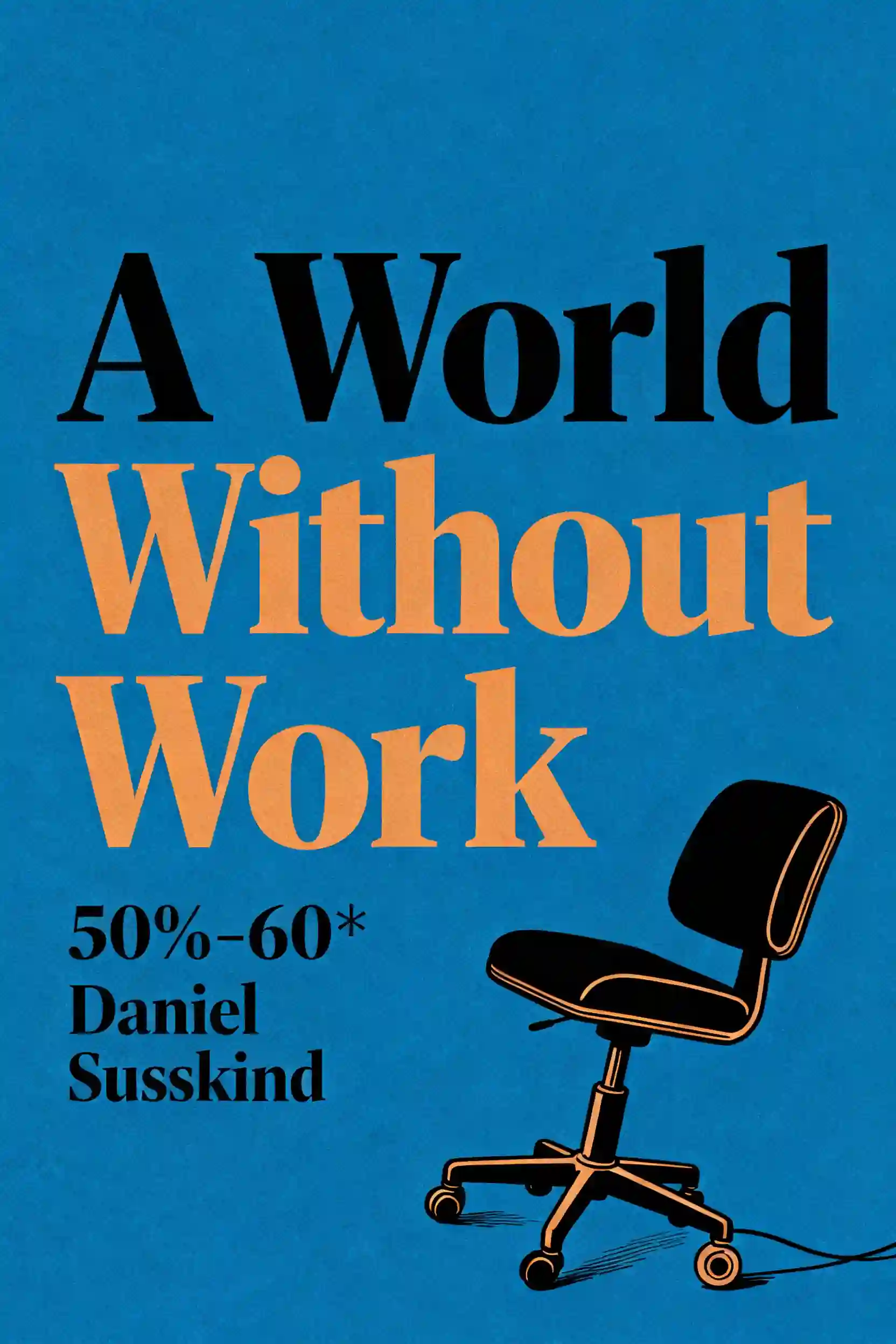
Frequently Asked Questions
The four pillars represent structural defenses that keep specific roles firmly in human hands. The first is High Human Density, which involves deep, unpredictable interactions like empathy, conflict resolution, and trust-building. The second is Physical Presence in Complex Environments, referring to skilled trades like plumbing or electricity where the work happens in messy, non-standard physical spaces. The third is Open-Ended Problem Solving, which requires improvisation and context-driven synthesis, such as in surgery or creative direction. The final pillar is Moral and Legal Responsibility, covering roles where society demands a human be held accountable for life-critical decisions, such as judges or trial lawyers.
The "tactile economy" is resilient because robots struggle with high physical variability and sensory-motor coordination in unpredictable settings. While an algorithm can process data, it cannot replicate the intuitive touch of a cosmetologist or the ability of an HVAC technician to troubleshoot a unique basement configuration. Furthermore, these roles benefit from an "empathy premium," where customers value the social contract and human connection inherent in hand-delivered services. Because these jobs are difficult to automate, demand is high and training paths through apprenticeships often lead to high-paying careers without the burden of traditional student debt.
In these fields, AI is shifting the focus from "task automation" to "role enhancement." In healthcare, AI handles documentation and triage, allowing nurses and therapists to focus on the "therapeutic alliance" and subtle non-verbal cues that machines cannot sense. In education, AI acts as an invisible assistant for grading and lesson planning, which frees teachers to move from being mere lecturers to becoming mentors and coaches. In both sectors, the technology handles the routine data processing, while the human professional provides the essential emotional attunement, ethical judgment, and "original inquiry" that makes the service effective.
A Human Spark Audit is a practical self-assessment tool used to identify your un-automatable strengths based on the Four Pillars of resilience. To perform one, you look for natural inclinations, such as a love for solving physical puzzles (Physical Complexity), a talent for listening to others (Human Density), or a passion for turning wild ideas into reality (Problem Solving). By identifying these "sparks" first, you can choose a career path that leverages your unique human qualities rather than trying to compete with the speed of an algorithm. This approach reframes career planning around personal purpose and the "human fingerprint" you bring to your work.
Discover more

Future tech & AI secrets
Future tech & AI secrets
This learning plan is essential for anyone seeking to understand and navigate the AI-driven transformation reshaping every aspect of modern life. Perfect for professionals looking to future-proof their careers, entrepreneurs exploring innovation opportunities, policymakers addressing technological governance, or curious individuals wanting to comprehend the forces defining our collective future. You'll gain both technical literacy and strategic insight into technologies that will fundamentally alter how we work, create, and solve humanity's greatest challenges.

Boost AI & automation skills
Boost AI & automation skills
AI and automation are reshaping every industry, creating unprecedented opportunities for those who can harness these technologies. This learning path is essential for professionals looking to stay competitive, entrepreneurs seeking to innovate, and anyone wanting to understand and leverage the most transformative technology of our time.

How to Use AI in Your Work in 2026: Practical, Not Hype
Discover practical, proven ways to use AI in your daily work in 2026—from learning faster and automating tasks to building smarter products and collaborating more effectively.
BeFreed Team
Learn to use AI effectively
Learn to use AI effectively
As AI transforms every industry and job function, knowing how to effectively leverage these tools is becoming as essential as digital literacy itself. This learning path is designed for professionals at any level who want to stay relevant, multiply their productivity, and position themselves strategically in an AI-powered future rather than being left behind by it.

AI: weigh benefits & risks
AI: weigh benefits & risks
As AI rapidly transforms every sector from healthcare to education, understanding its true potential and risks has become essential for informed citizenship and professional relevance. This learning plan equips anyone—whether business leaders, policymakers, students, or concerned citizens—with the critical thinking framework needed to navigate our AI-integrated future responsibly and effectively.
The history and future of ai
The history and future of ai
As AI reshapes every industry, understanding its origins and technical mechanics is essential for informed decision-making. This plan is ideal for professionals and curious learners who want to move beyond the hype to understand the ethics and future of superintelligence.
AI Profit, Use Cases & Success Psychology
AI Profit, Use Cases & Success Psychology
This plan bridges the gap between technical AI implementation and the mental resilience required to lead in a digital economy. It is designed for entrepreneurs and leaders who want to turn automation into a sustainable profit engine.
AI for Design & Lifestyle
AI for Design & Lifestyle
As AI rapidly transforms creative industries, designers and lifestyle professionals need to understand and leverage these tools without losing their human edge. This learning plan bridges the gap between technical AI knowledge and creative practice, empowering you to harness AI as a collaborative partner rather than viewing it as a threat or mystery. Whether you're a designer, creative director, lifestyle entrepreneur, or innovation professional, this path equips you with both the mindset and practical skills to thrive in an AI-augmented creative future.
From Columbia University alumni built in San Francisco
"Instead of endless scrolling, I just hit play on BeFreed. It saves me so much time."


"I never knew where to start with nonfiction—BeFreed’s book lists turned into podcasts gave me a clear path."


"Perfect balance between learning and entertainment. Finished ‘Thinking, Fast and Slow’ on my commute this week."
"Crazy how much I learned while walking the dog. BeFreed = small habits → big gains."
"Reading used to feel like a chore. Now it’s just part of my lifestyle."

"Feels effortless compared to reading. I’ve finished 6 books this month already."
"BeFreed turned my guilty doomscrolling into something that feels productive and inspiring."

"BeFreed turned my commute into learning time. 20-min podcasts are perfect for finishing books I never had time for."
"BeFreed replaced my podcast queue. Imagine Spotify for books — that’s it. 🙌"

"It is great for me to learn something from the book without reading it."
"The themed book list podcasts help me connect ideas across authors—like a guided audio journey."
"Makes me feel smarter every time before going to work"
From Columbia University alumni built in San Francisco
"Instead of endless scrolling, I just hit play on BeFreed. It saves me so much time."
"I never knew where to start with nonfiction—BeFreed’s book lists turned into podcasts gave me a clear path."
"Perfect balance between learning and entertainment. Finished ‘Thinking, Fast and Slow’ on my commute this week."
"Crazy how much I learned while walking the dog. BeFreed = small habits → big gains."
"Reading used to feel like a chore. Now it’s just part of my lifestyle."
"Feels effortless compared to reading. I’ve finished 6 books this month already."
"BeFreed turned my guilty doomscrolling into something that feels productive and inspiring."
"BeFreed turned my commute into learning time. 20-min podcasts are perfect for finishing books I never had time for."
"BeFreed replaced my podcast queue. Imagine Spotify for books — that’s it. 🙌"
"It is great for me to learn something from the book without reading it."
"The themed book list podcasts help me connect ideas across authors—like a guided audio journey."
"Makes me feel smarter every time before going to work"
"Instead of endless scrolling, I just hit play on BeFreed. It saves me so much time."
"I never knew where to start with nonfiction—BeFreed’s book lists turned into podcasts gave me a clear path."
"Perfect balance between learning and entertainment. Finished ‘Thinking, Fast and Slow’ on my commute this week."
"Crazy how much I learned while walking the dog. BeFreed = small habits → big gains."
"Reading used to feel like a chore. Now it’s just part of my lifestyle."
"Feels effortless compared to reading. I’ve finished 6 books this month already."
"BeFreed turned my guilty doomscrolling into something that feels productive and inspiring."
"BeFreed turned my commute into learning time. 20-min podcasts are perfect for finishing books I never had time for."
"BeFreed replaced my podcast queue. Imagine Spotify for books — that’s it. 🙌"
"It is great for me to learn something from the book without reading it."
"The themed book list podcasts help me connect ideas across authors—like a guided audio journey."
"Makes me feel smarter every time before going to work"
"Instead of endless scrolling, I just hit play on BeFreed. It saves me so much time."
"I never knew where to start with nonfiction—BeFreed’s book lists turned into podcasts gave me a clear path."
"Perfect balance between learning and entertainment. Finished ‘Thinking, Fast and Slow’ on my commute this week."
"Crazy how much I learned while walking the dog. BeFreed = small habits → big gains."
"Reading used to feel like a chore. Now it’s just part of my lifestyle."
"Feels effortless compared to reading. I’ve finished 6 books this month already."
"BeFreed turned my guilty doomscrolling into something that feels productive and inspiring."
"BeFreed turned my commute into learning time. 20-min podcasts are perfect for finishing books I never had time for."
"BeFreed replaced my podcast queue. Imagine Spotify for books — that’s it. 🙌"
"It is great for me to learn something from the book without reading it."
"The themed book list podcasts help me connect ideas across authors—like a guided audio journey."
"Makes me feel smarter every time before going to work"


