
From Swamp Camp to Carnival Royalty
Discover how Mardi Gras evolved from two French explorers accidentally celebrating Fat Tuesday in a Louisiana swamp to becoming America's most spectacular street party and cultural phenomenon.

Best quote from From Swamp Camp to Carnival Royalty
Mardi Gras is proof that when people come together to create something beautiful and give it away for free, magic happens.

This audio lesson was created by a BeFreed community member
History of Mardi Gras in New Orleans


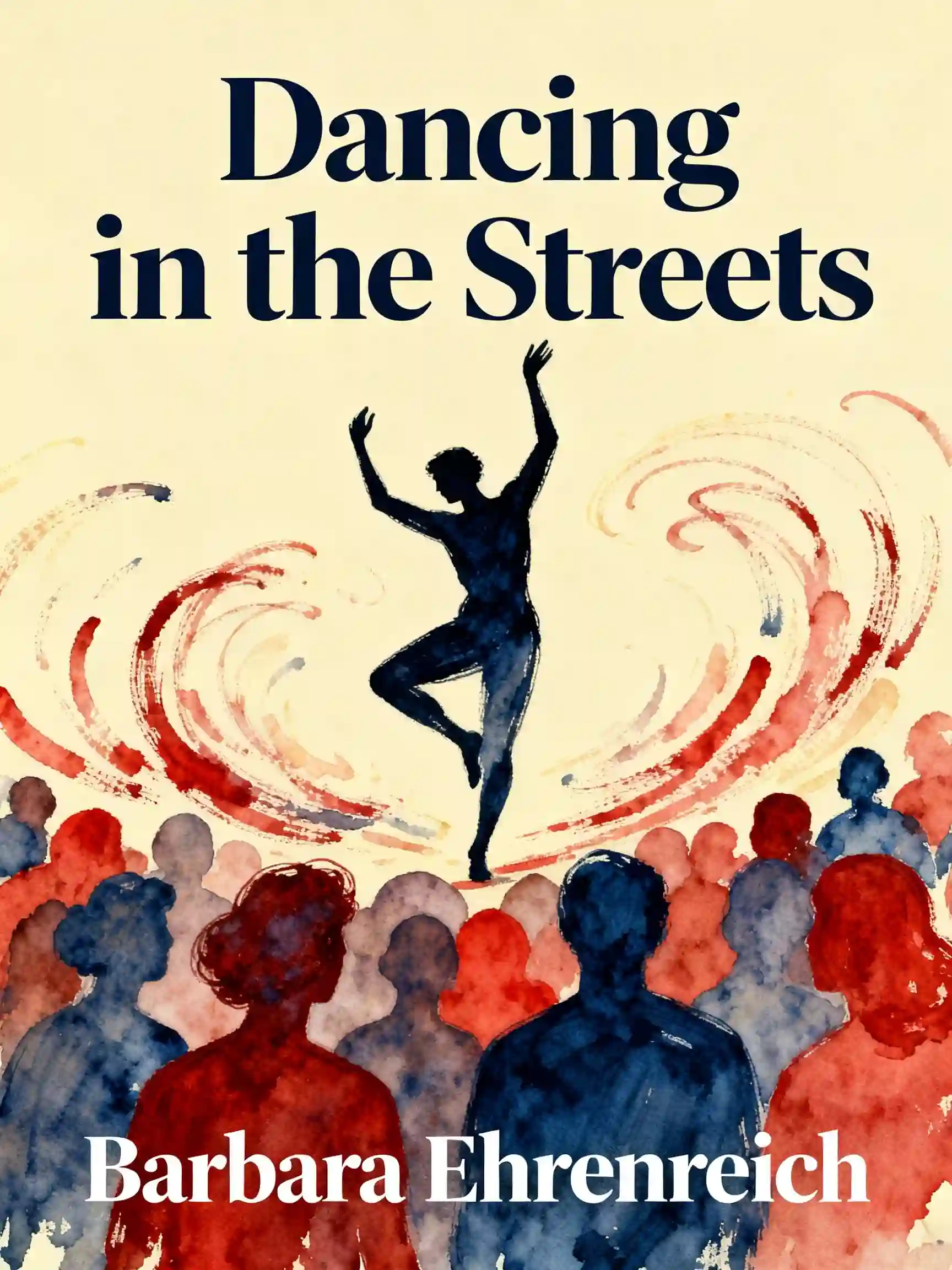
Discover more

Study ancient life, culture & celebrations
Study ancient life, culture & celebrations
This plan offers a comprehensive look at the foundations of human society, bridging the gap between ancient history and modern culture. It is ideal for history enthusiasts and students seeking to understand how early rituals and daily life shaped our current world.

Mes vacances préférées Marie Claude Bérot
Mes vacances préférées Marie Claude Bérot
This plan is designed for travelers who want to move beyond basic phrases and truly connect with French culture. It is ideal for beginners or intermediate learners seeking to combine linguistic proficiency with the cultural wisdom needed for a sophisticated travel experience.

Columbus to early America
Columbus to early America
This learning plan provides essential context for understanding the origins of American political, social, and economic institutions. It's ideal for students, educators, or anyone seeking to grasp how colonial experiences and revolutionary ideals shaped the United States and continue to influence contemporary American society and governance.

Learn about black history
Learn about black history
This plan provides a comprehensive overview of the African American journey, from the struggles for freedom to the heights of cultural achievement. It is essential for anyone seeking to understand the historical forces and systemic issues that continue to shape modern society.
Learn French
Learn French
This comprehensive plan is designed for learners who want to move beyond basic phrases to achieve true linguistic and cultural sophistication. It is ideal for travelers, professionals, or enthusiasts seeking a holistic approach that combines technical mastery with elegant cultural immersion.

Haitian Creole
Haitian Creole
This plan is essential for anyone seeking to connect deeply with Haiti's vibrant culture and history. It is perfect for travelers, aid workers, or language enthusiasts who want to move from basic greetings to sophisticated, culturally-aware conversation.
Master French: write, speak, and listen
Master French: write, speak, and listen
This plan is designed for learners who want to move beyond rote memorization toward true cultural and linguistic fluency. It is ideal for students and professionals seeking a brain-based approach to mastering French communication and authentic expression.
Iam moving to Paris
Iam moving to Paris
Relocating to France requires more than just a plane ticket; it demands a grasp of complex systems and cultural nuances. This plan is essential for aspiring expats who want to transition smoothly from a tourist to a well-integrated Parisian resident.
From Columbia University alumni built in San Francisco
"Instead of endless scrolling, I just hit play on BeFreed. It saves me so much time."


"I never knew where to start with nonfiction—BeFreed’s book lists turned into podcasts gave me a clear path."


"Perfect balance between learning and entertainment. Finished ‘Thinking, Fast and Slow’ on my commute this week."
"Crazy how much I learned while walking the dog. BeFreed = small habits → big gains."
"Reading used to feel like a chore. Now it’s just part of my lifestyle."

"Feels effortless compared to reading. I’ve finished 6 books this month already."
"BeFreed turned my guilty doomscrolling into something that feels productive and inspiring."

"BeFreed turned my commute into learning time. 20-min podcasts are perfect for finishing books I never had time for."
"BeFreed replaced my podcast queue. Imagine Spotify for books — that’s it. 🙌"

"It is great for me to learn something from the book without reading it."
"The themed book list podcasts help me connect ideas across authors—like a guided audio journey."
"Makes me feel smarter every time before going to work"
From Columbia University alumni built in San Francisco
"Instead of endless scrolling, I just hit play on BeFreed. It saves me so much time."
"I never knew where to start with nonfiction—BeFreed’s book lists turned into podcasts gave me a clear path."
"Perfect balance between learning and entertainment. Finished ‘Thinking, Fast and Slow’ on my commute this week."
"Crazy how much I learned while walking the dog. BeFreed = small habits → big gains."
"Reading used to feel like a chore. Now it’s just part of my lifestyle."
"Feels effortless compared to reading. I’ve finished 6 books this month already."
"BeFreed turned my guilty doomscrolling into something that feels productive and inspiring."
"BeFreed turned my commute into learning time. 20-min podcasts are perfect for finishing books I never had time for."
"BeFreed replaced my podcast queue. Imagine Spotify for books — that’s it. 🙌"
"It is great for me to learn something from the book without reading it."
"The themed book list podcasts help me connect ideas across authors—like a guided audio journey."
"Makes me feel smarter every time before going to work"
"Instead of endless scrolling, I just hit play on BeFreed. It saves me so much time."
"I never knew where to start with nonfiction—BeFreed’s book lists turned into podcasts gave me a clear path."
"Perfect balance between learning and entertainment. Finished ‘Thinking, Fast and Slow’ on my commute this week."
"Crazy how much I learned while walking the dog. BeFreed = small habits → big gains."
"Reading used to feel like a chore. Now it’s just part of my lifestyle."
"Feels effortless compared to reading. I’ve finished 6 books this month already."
"BeFreed turned my guilty doomscrolling into something that feels productive and inspiring."
"BeFreed turned my commute into learning time. 20-min podcasts are perfect for finishing books I never had time for."
"BeFreed replaced my podcast queue. Imagine Spotify for books — that’s it. 🙌"
"It is great for me to learn something from the book without reading it."
"The themed book list podcasts help me connect ideas across authors—like a guided audio journey."
"Makes me feel smarter every time before going to work"
"Instead of endless scrolling, I just hit play on BeFreed. It saves me so much time."
"I never knew where to start with nonfiction—BeFreed’s book lists turned into podcasts gave me a clear path."
"Perfect balance between learning and entertainment. Finished ‘Thinking, Fast and Slow’ on my commute this week."
"Crazy how much I learned while walking the dog. BeFreed = small habits → big gains."
"Reading used to feel like a chore. Now it’s just part of my lifestyle."
"Feels effortless compared to reading. I’ve finished 6 books this month already."
"BeFreed turned my guilty doomscrolling into something that feels productive and inspiring."
"BeFreed turned my commute into learning time. 20-min podcasts are perfect for finishing books I never had time for."
"BeFreed replaced my podcast queue. Imagine Spotify for books — that’s it. 🙌"
"It is great for me to learn something from the book without reading it."
"The themed book list podcasts help me connect ideas across authors—like a guided audio journey."
"Makes me feel smarter every time before going to work"


