
Foucault y el biopoder: ¿Eres tu propio carcelero?
Sentirse vigilado moldea tu conducta. Jackson y Nia exploran cómo el panóptico digital y la biopolítica de Foucault controlan tu vida hoy mismo.

Best quote from Foucault y el biopoder: ¿Eres tu propio carcelero?
El poder moderno es mucho más sutil: no te quita la vida, la gestiona. Ya no se trata de que un rey te castigue, sino de un entramado de instituciones y algoritmos que nos dicen qué es lo 'normal' hasta que terminamos siendo nuestros propios guardianes.

This audio lesson was created by a BeFreed community member
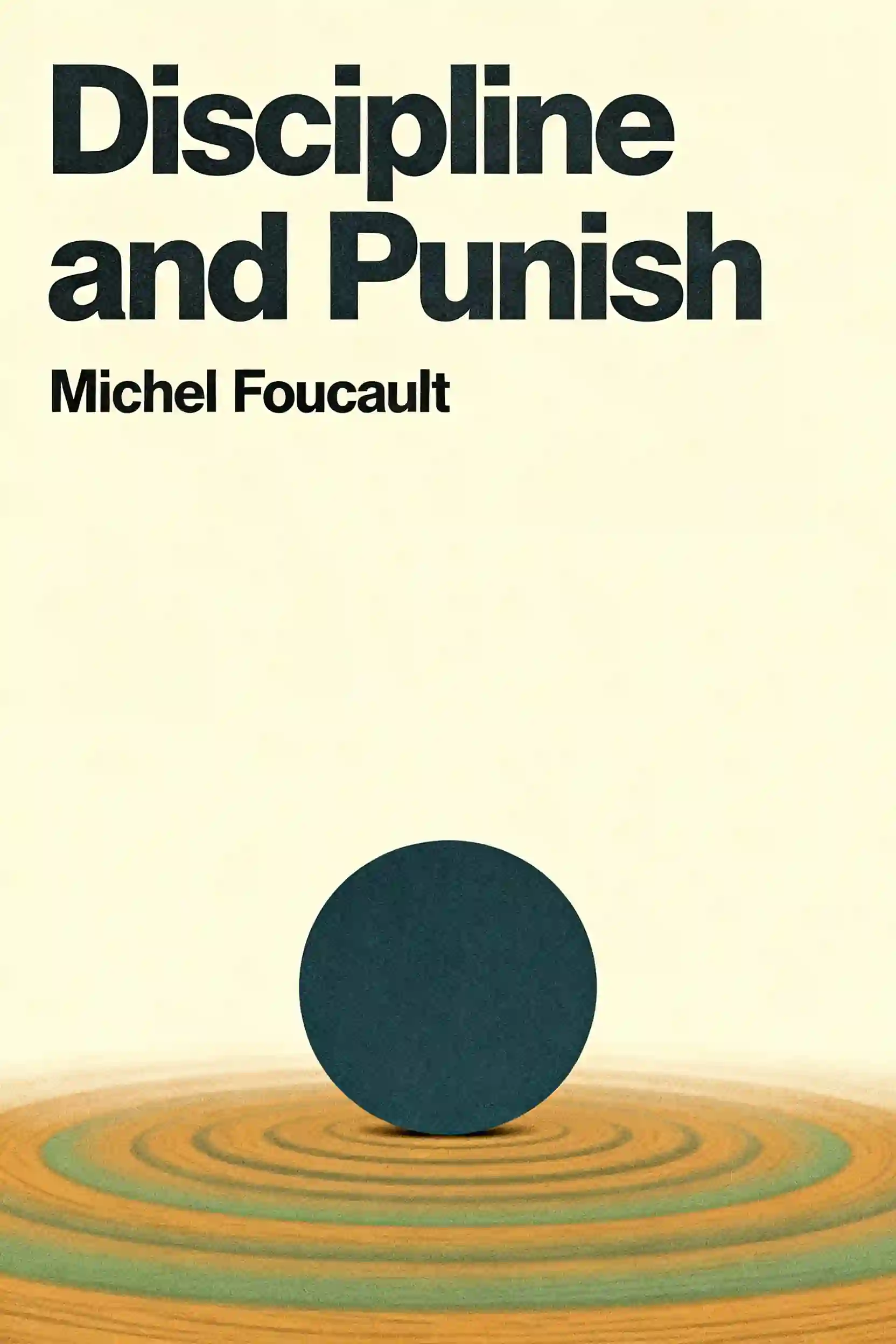
Explica cómo Michel Foucault entendía el poder: no como represión sino como producción de sujetos y saberes. Presenta la biopolítica, el panóptico y la normalización. Conecta con la vigilancia digital, los algoritmos, la medicina y las redes sociales. Tono provocador, filosófico pero accesible

Frequently Asked Questions
Traditional power, often associated with a sovereign or king, was based on the right to "make die and let live," functioning through public punishment and the prohibition of certain acts. In contrast, biopower is a modern form of control that focuses on "making live and letting die." Instead of using direct violence, it manages life by shaping what is considered "normal" through institutions like schools, hospitals, and digital algorithms. It is a productive force that doesn't just say "no," but rather molds individuals to be healthy, useful, and docile.
The Panopticon was originally an architectural design for prisons where a single guard could observe all prisoners without them knowing if they were being watched, leading them to regulate their own behavior. In the digital age, this has evolved into a "digital panopticon" where surveillance is voluntary. We constantly exhibit our lives on social media, seeking to be seen and to fit into idealized social norms. We become both the guards and the prisoners, monitoring ourselves and others to ensure we conform to the standards of success and beauty dictated by the system.
A law is a legal tool that separates what is legal from what is illegal, usually backed by the threat of punishment. A norm, however, is a statistical and social tool that separates the "normal" from the "anormal." In modern society, biopower relies more on normalization than on legislation. If an individual deviates from the norm, they are often directed toward "experts"—such as doctors, psychologists, or psychiatrists—to be "corrected" or "treated" rather than simply being judged by a court.
According to the concept of biopolitics, the state views the population as a biological machine that produces wealth. Sex sits at the intersection of individual discipline and population regulation. By controlling sexuality, the state can monitor the most intimate aspects of an individual's body while simultaneously managing broader demographic factors like birth rates, mortality, and public health. This "pastoral power" ensures the "flock" grows and functions in a way that is economically beneficial for the system.
Resistance does not require a total revolution or fleeing society, as power is an inescapable web of relations. Instead, Foucault suggests "contra-conducts" or small daily acts of resistance. This includes reclaiming privacy and "opacity" against the demand for total digital transparency, questioning the "truths" presented by experts and algorithms, and engaging in "unproductive" activities that do not serve the system's logic of efficiency. Resistance starts with the conscious awareness of how we are being molded and choosing to define our own truths.
Discover more

Dark psychology Discipline
Dark psychology Discipline
In an era of complex social dynamics, understanding the mechanics of influence is essential for personal protection. This plan is designed for individuals seeking to safeguard their mental autonomy and identify predatory behaviors in professional or personal environments.

Body, Pleasure, Identity & Tech Exploration
Body, Pleasure, Identity & Tech Exploration
In an era of digital disconnection and rigid social scripts, understanding the intersection of our physical and virtual selves is vital for mental well-being. This plan is designed for individuals seeking to reclaim their bodily autonomy, explore diverse identities, and foster authentic intimacy in a tech-driven world.

Psychology & Manipulation Tactics
Psychology & Manipulation Tactics
In an era of constant digital and social influence, understanding the mechanics of the mind is a vital survival skill. This plan is essential for professionals and individuals who want to safeguard their autonomy and navigate complex social dynamics with confidence.

Dark manipulation methods
Dark manipulation methods
In an era of complex social dynamics, understanding the mechanics of psychological control is essential for self-protection. This plan is ideal for professionals and individuals seeking to safeguard their mental autonomy against predatory personality types and sophisticated influence tactics.
Explore Desire, Health, Politics & Pleasure
Explore Desire, Health, Politics & Pleasure
In an era of digital distraction and systemic pressure, understanding the link between our inner drives and external governance is essential. This plan is designed for thinkers and advocates who want to reclaim their well-being as a tool for both personal fulfillment and social impact.
Keeping my frame
Keeping my frame
In an era of constant external influence, maintaining your psychological autonomy is essential for leadership and personal integrity. This plan is designed for professionals and individuals seeking to strengthen their mental resilience and protect their personal boundaries against manipulation.

Examine tech's impact on human behavior
Examine tech's impact on human behavior
This learning plan is essential for anyone seeking to understand how digital technologies are fundamentally reshaping human behavior, society, and consciousness. It's particularly valuable for professionals working in technology, policymakers, educators, and thoughtful citizens who want to critically engage with the ethical and philosophical dimensions of our increasingly AI-driven world. By examining the intersection of psychology, ethics, and technology, learners will gain the analytical tools needed to make informed decisions about technology's role in their lives and society.
Bondage
Bondage
This plan is designed for individuals and couples seeking to integrate power dynamics and physical restraint into their lives with a focus on ethical practice. It bridges the gap between technical skill and psychological depth, making it ideal for those who value safety as much as sensation.
From Columbia University alumni built in San Francisco
"Instead of endless scrolling, I just hit play on BeFreed. It saves me so much time."


"I never knew where to start with nonfiction—BeFreed’s book lists turned into podcasts gave me a clear path."


"Perfect balance between learning and entertainment. Finished ‘Thinking, Fast and Slow’ on my commute this week."
"Crazy how much I learned while walking the dog. BeFreed = small habits → big gains."
"Reading used to feel like a chore. Now it’s just part of my lifestyle."

"Feels effortless compared to reading. I’ve finished 6 books this month already."
"BeFreed turned my guilty doomscrolling into something that feels productive and inspiring."

"BeFreed turned my commute into learning time. 20-min podcasts are perfect for finishing books I never had time for."
"BeFreed replaced my podcast queue. Imagine Spotify for books — that’s it. 🙌"

"It is great for me to learn something from the book without reading it."
"The themed book list podcasts help me connect ideas across authors—like a guided audio journey."
"Makes me feel smarter every time before going to work"
From Columbia University alumni built in San Francisco
"Instead of endless scrolling, I just hit play on BeFreed. It saves me so much time."
"I never knew where to start with nonfiction—BeFreed’s book lists turned into podcasts gave me a clear path."
"Perfect balance between learning and entertainment. Finished ‘Thinking, Fast and Slow’ on my commute this week."
"Crazy how much I learned while walking the dog. BeFreed = small habits → big gains."
"Reading used to feel like a chore. Now it’s just part of my lifestyle."
"Feels effortless compared to reading. I’ve finished 6 books this month already."
"BeFreed turned my guilty doomscrolling into something that feels productive and inspiring."
"BeFreed turned my commute into learning time. 20-min podcasts are perfect for finishing books I never had time for."
"BeFreed replaced my podcast queue. Imagine Spotify for books — that’s it. 🙌"
"It is great for me to learn something from the book without reading it."
"The themed book list podcasts help me connect ideas across authors—like a guided audio journey."
"Makes me feel smarter every time before going to work"
"Instead of endless scrolling, I just hit play on BeFreed. It saves me so much time."
"I never knew where to start with nonfiction—BeFreed’s book lists turned into podcasts gave me a clear path."
"Perfect balance between learning and entertainment. Finished ‘Thinking, Fast and Slow’ on my commute this week."
"Crazy how much I learned while walking the dog. BeFreed = small habits → big gains."
"Reading used to feel like a chore. Now it’s just part of my lifestyle."
"Feels effortless compared to reading. I’ve finished 6 books this month already."
"BeFreed turned my guilty doomscrolling into something that feels productive and inspiring."
"BeFreed turned my commute into learning time. 20-min podcasts are perfect for finishing books I never had time for."
"BeFreed replaced my podcast queue. Imagine Spotify for books — that’s it. 🙌"
"It is great for me to learn something from the book without reading it."
"The themed book list podcasts help me connect ideas across authors—like a guided audio journey."
"Makes me feel smarter every time before going to work"
"Instead of endless scrolling, I just hit play on BeFreed. It saves me so much time."
"I never knew where to start with nonfiction—BeFreed’s book lists turned into podcasts gave me a clear path."
"Perfect balance between learning and entertainment. Finished ‘Thinking, Fast and Slow’ on my commute this week."
"Crazy how much I learned while walking the dog. BeFreed = small habits → big gains."
"Reading used to feel like a chore. Now it’s just part of my lifestyle."
"Feels effortless compared to reading. I’ve finished 6 books this month already."
"BeFreed turned my guilty doomscrolling into something that feels productive and inspiring."
"BeFreed turned my commute into learning time. 20-min podcasts are perfect for finishing books I never had time for."
"BeFreed replaced my podcast queue. Imagine Spotify for books — that’s it. 🙌"
"It is great for me to learn something from the book without reading it."
"The themed book list podcasts help me connect ideas across authors—like a guided audio journey."
"Makes me feel smarter every time before going to work"


