
Financial Modeling for Indian Businesses: Valuation and Forecasting
Learn to build robust financial models for Indian businesses. Master valuation, scenario planning, and forecasting techniques using industry best practices.

Best quote from Financial Modeling for Indian Businesses: Valuation and Forecasting
A financial model isn't just a math problem; it’s a structured story of how a business actually survives and scales. It’s about creating a living document that moves from simple survival tracking to a detailed, investor-ready framework.

This audio lesson was created by a BeFreed community member
This subtopic would introduce the concept of financial modeling for Indian businesses, explaining how to build financial models that can be used for valuation, scenario planning, and forecasting, and discussing the best practices for model construction and interpretation.

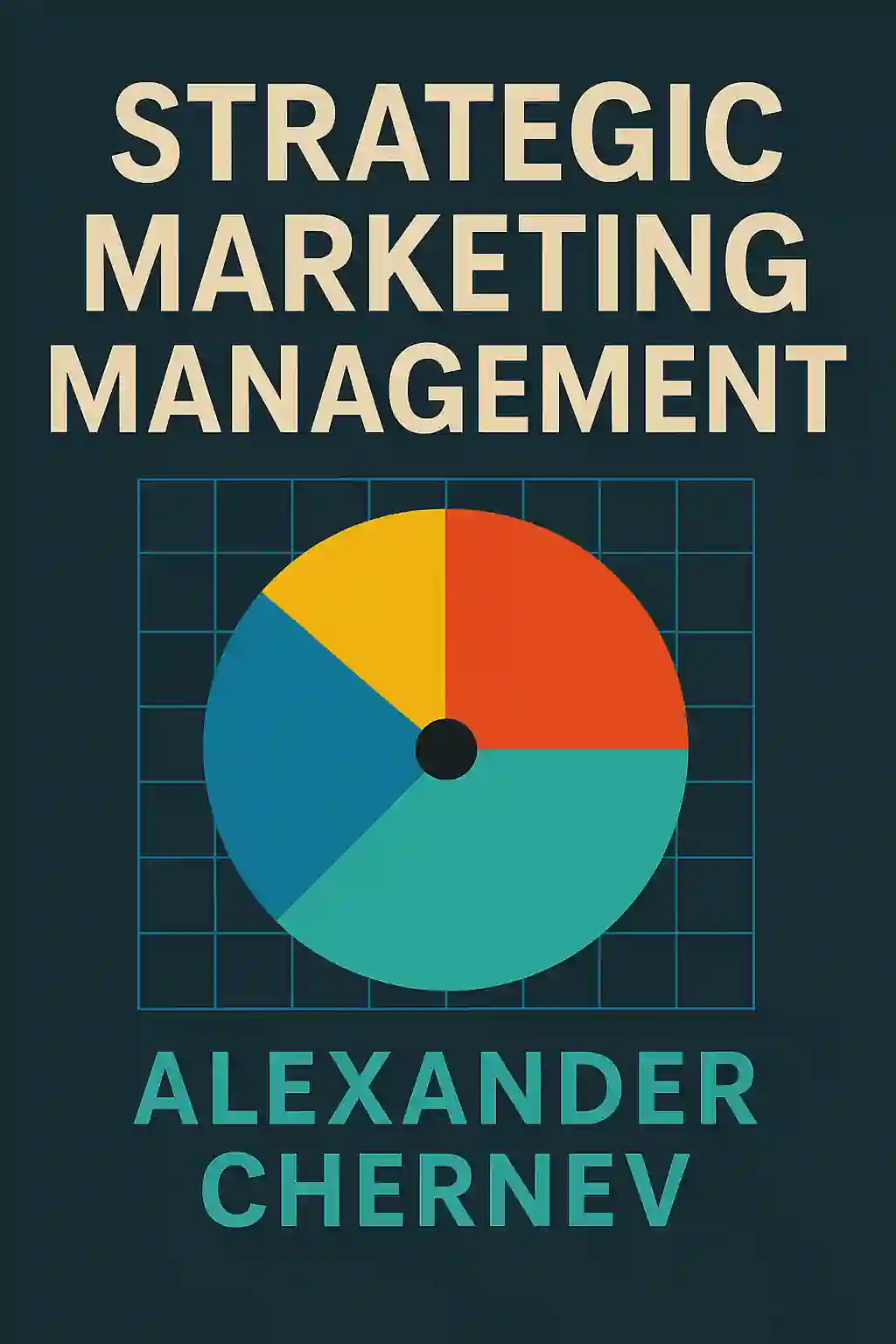

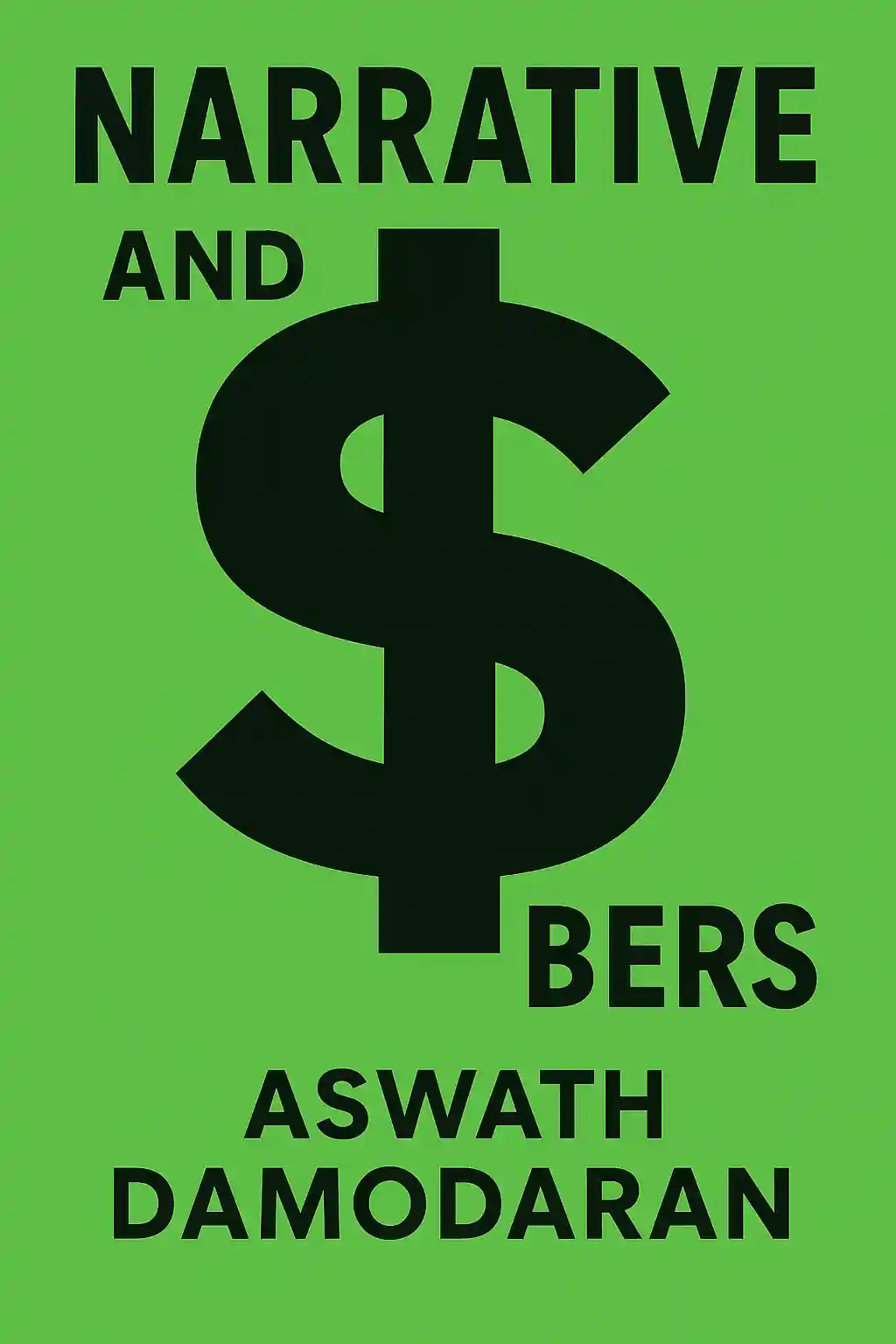
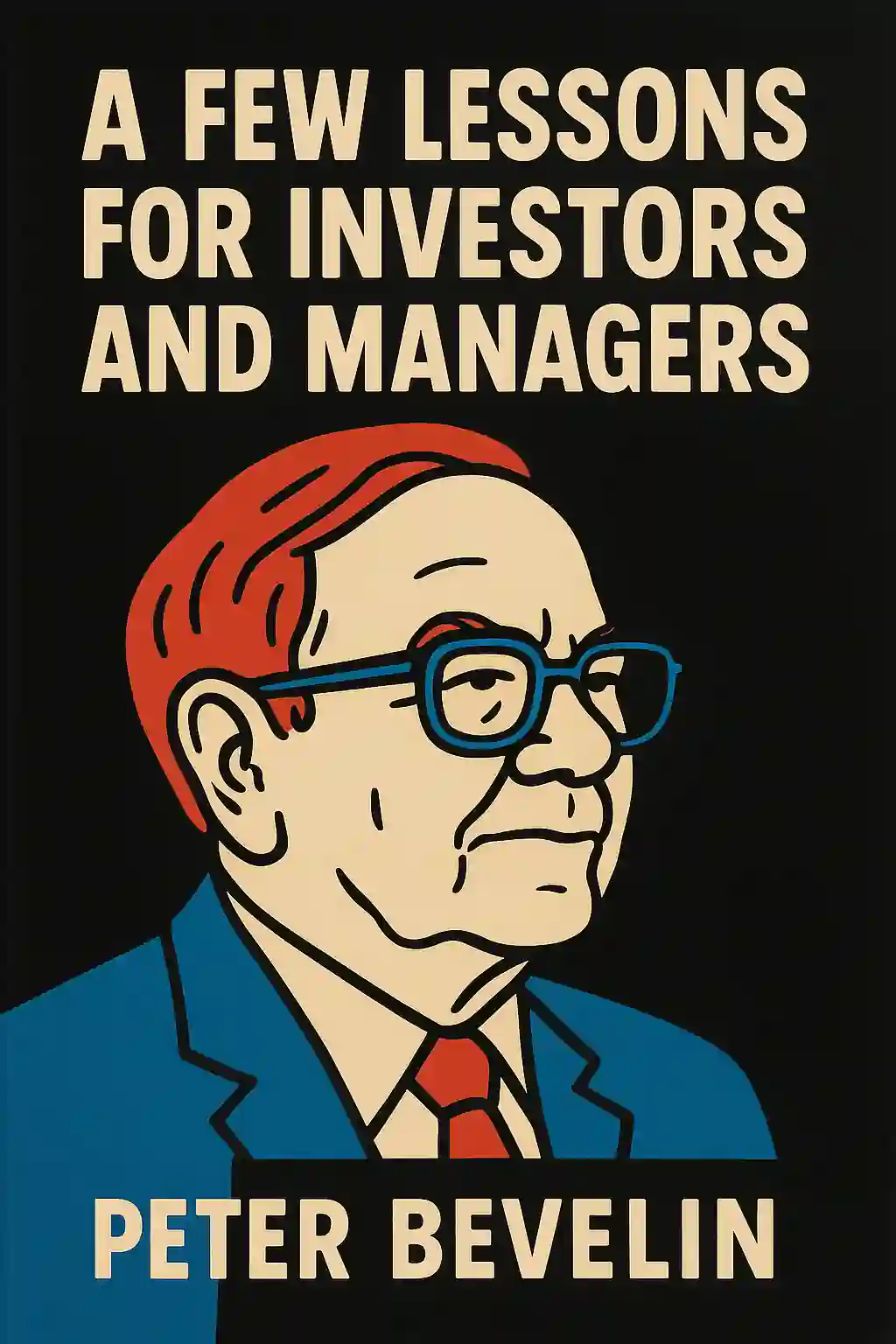
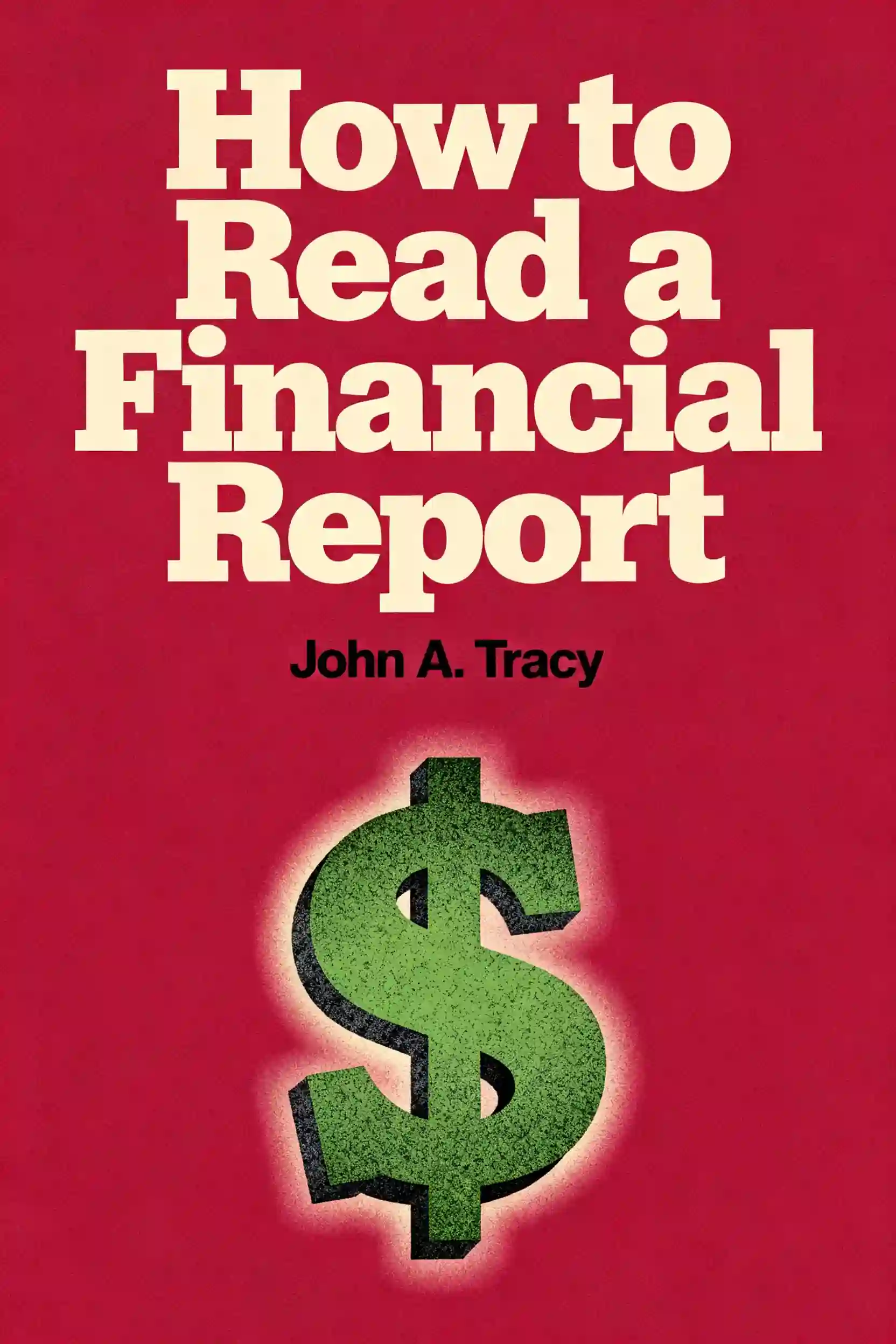

Frequently Asked Questions
Financial modeling for Indian businesses involves creating mathematical representations of a company's financial performance tailored to the local market. This process integrates historical data and assumptions to project future results, helping stakeholders make informed decisions. By focusing on model construction and interpretation, businesses can better navigate the unique regulatory and economic landscape in India, ensuring that their financial analysis remains accurate and relevant for long-term strategic planning.
Financial modeling serves as the foundation for business valuation by providing a structured framework to estimate a company's worth. Through detailed financial analysis, models project future cash flows and earnings, which are then discounted to determine current value. This approach allows Indian businesses to present a clear, data-driven case to investors or buyers, ensuring that the valuation reflects both current performance and future growth potential within the specific industry context.
Scenario planning is a critical component of financial forecasting because it allows Indian businesses to prepare for various market conditions and potential risks. By building different sets of assumptions into a financial model, companies can visualize how changes in the economy or industry might impact their bottom line. This proactive approach to financial modeling helps management develop contingency plans, ensuring the business remains resilient and adaptable regardless of external fluctuations or internal shifts.
Best practices for financial model construction include maintaining a clear structure, using consistent formulas, and ensuring the model is easy to audit. For Indian businesses, it is essential to document all assumptions and use logical flow to connect inputs to outputs. A well-constructed model should be flexible enough to handle scenario planning while remaining simple enough for stakeholders to interpret. Prioritizing accuracy and transparency during the construction phase leads to more reliable financial analysis and forecasting.
Discover more

Growth, Finance, Science & Business Strategy
Growth, Finance, Science & Business Strategy
This learning plan bridges the gap between operational growth and rigorous financial analysis. It is designed for aspiring leaders and entrepreneurs who need to master data-driven decision-making and strategic frameworks to scale businesses effectively.

Master Growth, Business & Finance Strategy
Master Growth, Business & Finance Strategy
In today's volatile market, the ability to bridge the gap between strategic theory and financial execution is a critical skill for high-impact leaders. This learning plan is designed for entrepreneurs and aspiring executives who want to master the mechanics of scaling businesses while maintaining financial excellence.
Growth, Finance & Behavioral Science
Growth, Finance & Behavioral Science
This curriculum bridges the gap between technical financial analysis and the psychological drivers of market behavior. It is designed for entrepreneurs and decision-makers who want to move beyond spreadsheets to master the human and strategic elements of business scaling.

CA & Finance: GST, Tax & Compliance Updates
CA & Finance: GST, Tax & Compliance Updates
This learning plan is essential for finance professionals and business owners navigating India's complex regulatory environment. It bridges the gap between traditional tax compliance and modern, AI-driven financial advisory roles.
Business Strategy, Investing & Tech Analysis
Business Strategy, Investing & Tech Analysis
This plan bridges the gap between high-level corporate strategy and rigorous financial analysis. It is ideal for aspiring investors and business leaders who want to master both the qualitative and quantitative aspects of market outperformance.
Strategy, Tech, Growth & Personal Finance
Strategy, Tech, Growth & Personal Finance
This learning plan bridges the gap between high-level business strategy, technical execution, and personal financial mastery. It is designed for aspiring entrepreneurs and product leaders who want to scale both their ventures and their personal net worth simultaneously.
From Columbia University alumni built in San Francisco
"Instead of endless scrolling, I just hit play on BeFreed. It saves me so much time."


"I never knew where to start with nonfiction—BeFreed’s book lists turned into podcasts gave me a clear path."


"Perfect balance between learning and entertainment. Finished ‘Thinking, Fast and Slow’ on my commute this week."
"Crazy how much I learned while walking the dog. BeFreed = small habits → big gains."
"Reading used to feel like a chore. Now it’s just part of my lifestyle."

"Feels effortless compared to reading. I’ve finished 6 books this month already."
"BeFreed turned my guilty doomscrolling into something that feels productive and inspiring."

"BeFreed turned my commute into learning time. 20-min podcasts are perfect for finishing books I never had time for."
"BeFreed replaced my podcast queue. Imagine Spotify for books — that’s it. 🙌"

"It is great for me to learn something from the book without reading it."
"The themed book list podcasts help me connect ideas across authors—like a guided audio journey."
"Makes me feel smarter every time before going to work"
From Columbia University alumni built in San Francisco
"Instead of endless scrolling, I just hit play on BeFreed. It saves me so much time."
"I never knew where to start with nonfiction—BeFreed’s book lists turned into podcasts gave me a clear path."
"Perfect balance between learning and entertainment. Finished ‘Thinking, Fast and Slow’ on my commute this week."
"Crazy how much I learned while walking the dog. BeFreed = small habits → big gains."
"Reading used to feel like a chore. Now it’s just part of my lifestyle."
"Feels effortless compared to reading. I’ve finished 6 books this month already."
"BeFreed turned my guilty doomscrolling into something that feels productive and inspiring."
"BeFreed turned my commute into learning time. 20-min podcasts are perfect for finishing books I never had time for."
"BeFreed replaced my podcast queue. Imagine Spotify for books — that’s it. 🙌"
"It is great for me to learn something from the book without reading it."
"The themed book list podcasts help me connect ideas across authors—like a guided audio journey."
"Makes me feel smarter every time before going to work"
"Instead of endless scrolling, I just hit play on BeFreed. It saves me so much time."
"I never knew where to start with nonfiction—BeFreed’s book lists turned into podcasts gave me a clear path."
"Perfect balance between learning and entertainment. Finished ‘Thinking, Fast and Slow’ on my commute this week."
"Crazy how much I learned while walking the dog. BeFreed = small habits → big gains."
"Reading used to feel like a chore. Now it’s just part of my lifestyle."
"Feels effortless compared to reading. I’ve finished 6 books this month already."
"BeFreed turned my guilty doomscrolling into something that feels productive and inspiring."
"BeFreed turned my commute into learning time. 20-min podcasts are perfect for finishing books I never had time for."
"BeFreed replaced my podcast queue. Imagine Spotify for books — that’s it. 🙌"
"It is great for me to learn something from the book without reading it."
"The themed book list podcasts help me connect ideas across authors—like a guided audio journey."
"Makes me feel smarter every time before going to work"
"Instead of endless scrolling, I just hit play on BeFreed. It saves me so much time."
"I never knew where to start with nonfiction—BeFreed’s book lists turned into podcasts gave me a clear path."
"Perfect balance between learning and entertainment. Finished ‘Thinking, Fast and Slow’ on my commute this week."
"Crazy how much I learned while walking the dog. BeFreed = small habits → big gains."
"Reading used to feel like a chore. Now it’s just part of my lifestyle."
"Feels effortless compared to reading. I’ve finished 6 books this month already."
"BeFreed turned my guilty doomscrolling into something that feels productive and inspiring."
"BeFreed turned my commute into learning time. 20-min podcasts are perfect for finishing books I never had time for."
"BeFreed replaced my podcast queue. Imagine Spotify for books — that’s it. 🙌"
"It is great for me to learn something from the book without reading it."
"The themed book list podcasts help me connect ideas across authors—like a guided audio journey."
"Makes me feel smarter every time before going to work"


