
Engineering Trading Flow State
Discover how to trigger measurable neurological flow states for effortless trading execution. Learn the 11 specific triggers and pre-market routines that prime your brain for peak performance.

Best quote from Engineering Trading Flow State
Structure doesn't kill intuition - it creates the space for intuition to emerge. When you're not burning mental energy on basic decisions, you can actually tune into subtler market signals.

This audio lesson was created by a BeFreed community member
Flow state in trading



Discover more

The state of flow
The state of flow
Flow states represent the pinnacle of human experience, where challenges and skills align perfectly to create profound engagement and satisfaction. This learning plan helps anyone seeking to improve performance, creativity, and fulfillment by mastering the psychological state behind peak human experiences.
day trading
day trading
This comprehensive path bridges the gap between basic market mechanics and professional-grade algorithmic execution. It is designed for aspiring traders who want to move beyond guesswork by mastering both technical precision and the psychological discipline required for long-term profitability.

Master Focus, Energy, Ideas & Flow State
Master Focus, Energy, Ideas & Flow State
In an era of constant distraction, the ability to control your attention and energy is a competitive necessity. This plan is designed for professionals and creatives who want to move beyond busyness into a state of high-impact, effortless output.

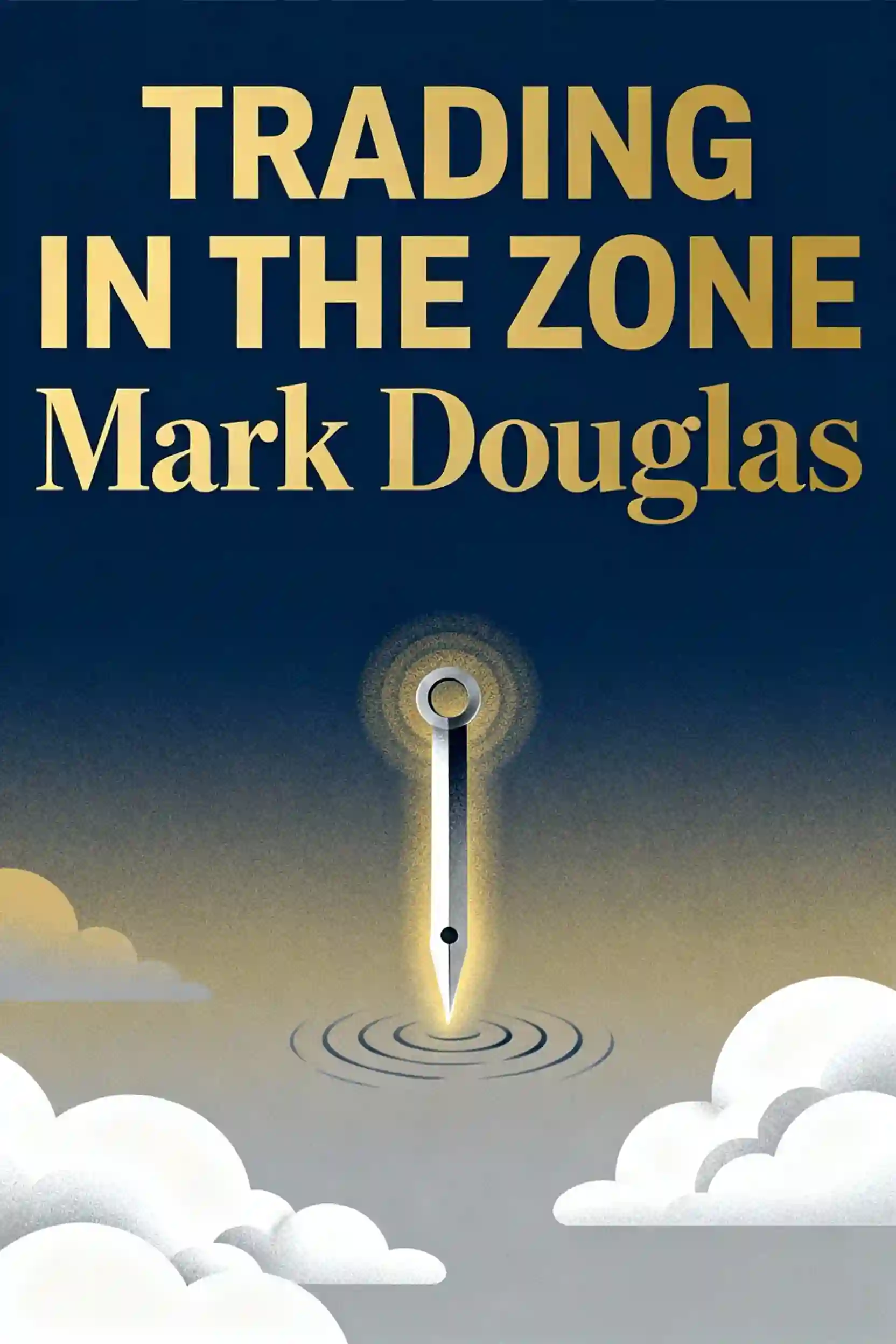
Trading in the zone, Mark Douglas 
Trading in the zone, Mark Douglas 
This plan is essential for traders who have technical knowledge but struggle with emotional consistency and discipline. It bridges the gap between market analysis and profitable execution, making it ideal for both beginners and experienced investors seeking a professional edge.

Boost Comm, Trading Skills & Execution
Boost Comm, Trading Skills & Execution
In today’s fast-paced markets, technical knowledge alone isn't enough; traders must also possess the psychological grit and leadership presence to thrive. This plan is designed for ambitious traders and professionals looking to integrate market mastery with high-impact communication skills for a competitive edge.
Study Mind, Behavior & Productivity
Study Mind, Behavior & Productivity
This learning plan bridges the gap between neuroscience and daily efficiency for anyone looking to master their mental output. It is ideal for professionals, students, and high-performers who want to leverage behavioral science to optimize their habits and achieve flow states.
Understanding trading, better and finances.
Understanding trading, better and finances.
This learning plan is essential for individuals seeking to bridge the gap between basic financial literacy and active stock market participation. It is designed for aspiring investors who want to combine sound money management with sophisticated trading strategies and psychological discipline.
Trade with discipline; stop gambling.
Trade with discipline; stop gambling.
This learning plan is essential for traders struggling with emotional volatility and inconsistent results. It is designed for those looking to transition from a speculative mindset to a systematic, professional approach focused on capital preservation.
From Columbia University alumni built in San Francisco
"Instead of endless scrolling, I just hit play on BeFreed. It saves me so much time."


"I never knew where to start with nonfiction—BeFreed’s book lists turned into podcasts gave me a clear path."


"Perfect balance between learning and entertainment. Finished ‘Thinking, Fast and Slow’ on my commute this week."
"Crazy how much I learned while walking the dog. BeFreed = small habits → big gains."
"Reading used to feel like a chore. Now it’s just part of my lifestyle."

"Feels effortless compared to reading. I’ve finished 6 books this month already."
"BeFreed turned my guilty doomscrolling into something that feels productive and inspiring."

"BeFreed turned my commute into learning time. 20-min podcasts are perfect for finishing books I never had time for."
"BeFreed replaced my podcast queue. Imagine Spotify for books — that’s it. 🙌"

"It is great for me to learn something from the book without reading it."
"The themed book list podcasts help me connect ideas across authors—like a guided audio journey."
"Makes me feel smarter every time before going to work"
From Columbia University alumni built in San Francisco
"Instead of endless scrolling, I just hit play on BeFreed. It saves me so much time."
"I never knew where to start with nonfiction—BeFreed’s book lists turned into podcasts gave me a clear path."
"Perfect balance between learning and entertainment. Finished ‘Thinking, Fast and Slow’ on my commute this week."
"Crazy how much I learned while walking the dog. BeFreed = small habits → big gains."
"Reading used to feel like a chore. Now it’s just part of my lifestyle."
"Feels effortless compared to reading. I’ve finished 6 books this month already."
"BeFreed turned my guilty doomscrolling into something that feels productive and inspiring."
"BeFreed turned my commute into learning time. 20-min podcasts are perfect for finishing books I never had time for."
"BeFreed replaced my podcast queue. Imagine Spotify for books — that’s it. 🙌"
"It is great for me to learn something from the book without reading it."
"The themed book list podcasts help me connect ideas across authors—like a guided audio journey."
"Makes me feel smarter every time before going to work"
"Instead of endless scrolling, I just hit play on BeFreed. It saves me so much time."
"I never knew where to start with nonfiction—BeFreed’s book lists turned into podcasts gave me a clear path."
"Perfect balance between learning and entertainment. Finished ‘Thinking, Fast and Slow’ on my commute this week."
"Crazy how much I learned while walking the dog. BeFreed = small habits → big gains."
"Reading used to feel like a chore. Now it’s just part of my lifestyle."
"Feels effortless compared to reading. I’ve finished 6 books this month already."
"BeFreed turned my guilty doomscrolling into something that feels productive and inspiring."
"BeFreed turned my commute into learning time. 20-min podcasts are perfect for finishing books I never had time for."
"BeFreed replaced my podcast queue. Imagine Spotify for books — that’s it. 🙌"
"It is great for me to learn something from the book without reading it."
"The themed book list podcasts help me connect ideas across authors—like a guided audio journey."
"Makes me feel smarter every time before going to work"
"Instead of endless scrolling, I just hit play on BeFreed. It saves me so much time."
"I never knew where to start with nonfiction—BeFreed’s book lists turned into podcasts gave me a clear path."
"Perfect balance between learning and entertainment. Finished ‘Thinking, Fast and Slow’ on my commute this week."
"Crazy how much I learned while walking the dog. BeFreed = small habits → big gains."
"Reading used to feel like a chore. Now it’s just part of my lifestyle."
"Feels effortless compared to reading. I’ve finished 6 books this month already."
"BeFreed turned my guilty doomscrolling into something that feels productive and inspiring."
"BeFreed turned my commute into learning time. 20-min podcasts are perfect for finishing books I never had time for."
"BeFreed replaced my podcast queue. Imagine Spotify for books — that’s it. 🙌"
"It is great for me to learn something from the book without reading it."
"The themed book list podcasts help me connect ideas across authors—like a guided audio journey."
"Makes me feel smarter every time before going to work"


