
El narcisista y la máscara de la grandiosidad
Tras la fachada del ego se esconde una autoestima frágil. Miles y Lena analizan este trastorno para establecer límites y sanar tras el abuso.

Best quote from El narcisista y la máscara de la grandiosidad
No puedes 'arreglar' a un narcisista con más amor, porque el problema no es tu falta de amor, sino su incapacidad estructural para recibirlo y darlo de forma sana.

This audio lesson was created by a BeFreed community member
El narcisista

Frequently Asked Questions
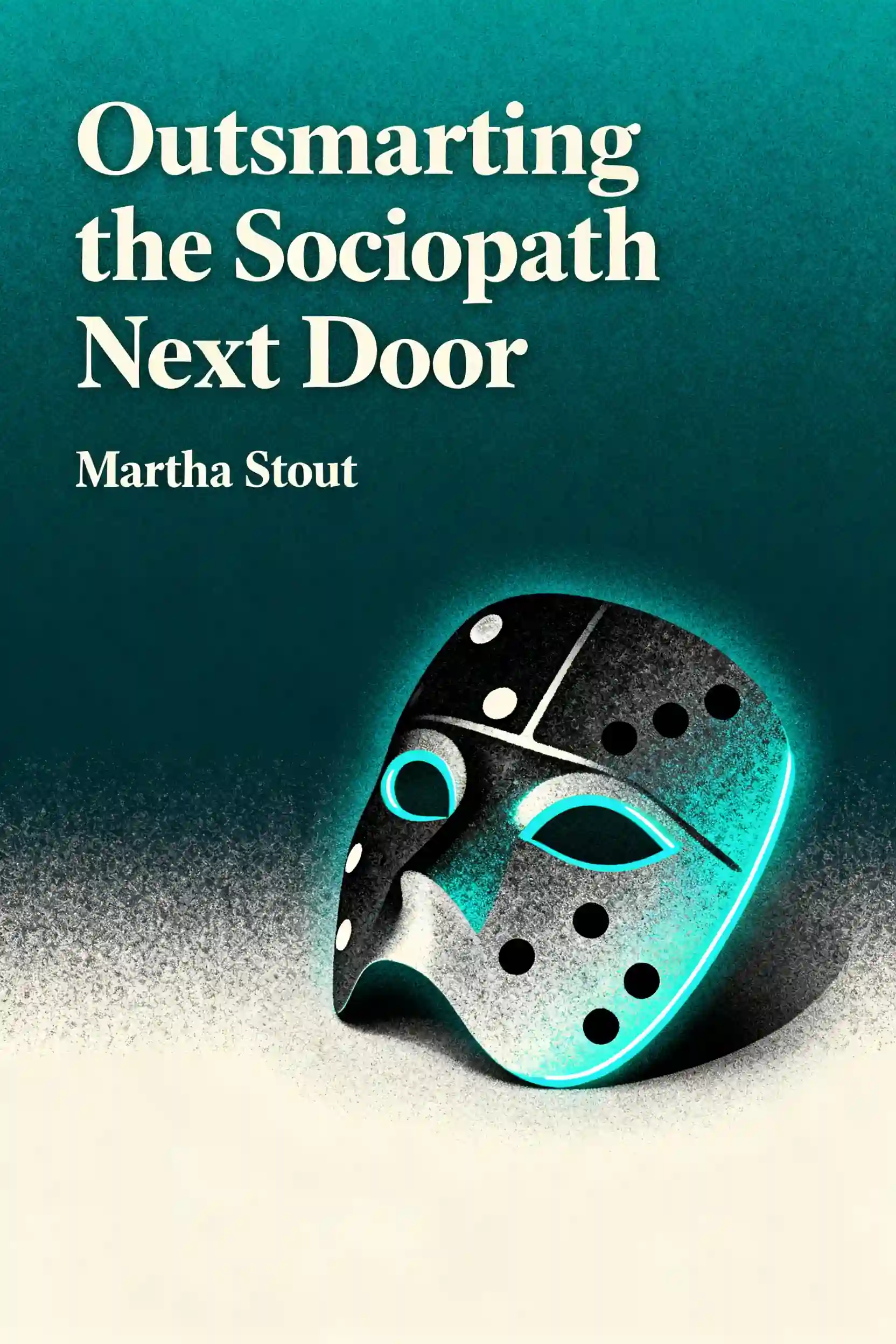
According to the script, while many people may use the term "narcissist" to describe someone who takes many photos or seeks attention, the clinical disorder defined by the DSM-5 is much more complex. It is a persistent pattern starting in early adulthood characterized by a pathological need for admiration, a sense of grandiosity, and, most critically, a profound lack of empathy. Unlike simple vanity, this disorder involves a rigid mental structure where the individual's apparent confidence is actually a fragile facade used to protect a very low self-esteem that depends entirely on external validation.
This cycle is a systemic pattern used to capture and exploit a partner's emotions. It begins with "love bombing" or idealization, where the narcissist overwhelms the person with affection to create a perfect image of "soulmates." Once the victim shows human flaws or needs, the devaluing phase begins through subtle criticisms, gaslighting, and emotional withdrawal. Finally, the discard occurs when the narcissist coldly abandons the person because they are no longer a useful source of "narcissistic supply" or because a new source has been found. This cycle can repeat through "hoovering," where the narcissist attempts to suck the victim back into the relationship.
The grandiose narcissist is extroverted, arrogant, and seeks the spotlight directly. In contrast, the vulnerable or covert narcissist acts like a "chameleon," often appearing shy, insecure, or as a perpetual victim. Instead of claiming superiority through strength, they claim it through their "unique suffering" or by suggesting they are too deep and special for a mediocre world to understand. Despite the different outward appearance, they share the same core traits: a lack of empathy, a need to be special, and the use of tools like the "silent treatment" to control others.
Victims often suffer from what is described as "toxic shame" and a total loss of self-esteem due to constant gaslighting. This environment can lead to Complex Post-Traumatic Stress Disorder (C-PTSD), where the body remains in a permanent state of alert, causing insomnia, irritability, and anxiety. In family dynamics, children may grow up as "golden children," "scapegoats," or "invisible children," which can physically alter the development of the brain's amygdala and prefrontal cortex due to chronic high cortisol levels.
The script suggests several strategies depending on the possibility of escape. The "Gray Rock" technique involves becoming as unreactive and boring as a stone to starve the narcissist of emotional "supply." For those who can leave, "No Contact" is recommended as the only way to truly heal. If contact is mandatory (such as with shared children), "Structured Minimum Contact" should be used, keeping all communication brief, neutral, and in writing. It is also emphasized that one should not try to "unmask" the narcissist publicly, as they can become vindictive when their public image is threatened.
Discover more

Autoestima
Autoestima
Este plan de aprendizaje es fundamental para quienes buscan superar la inseguridad y el autosabotaje. Es ideal para personas que desean mejorar su bienestar emocional y profesional mediante el desarrollo de una identidad sólida y límites interpersonales claros.

Resúmeme el libro mentira
Resúmeme el libro mentira
Este plan es esencial para quienes buscan protegerse de manipulaciones y mejorar su inteligencia emocional. Es ideal para profesionales de ventas, seguridad o cualquier persona interesada en descifrar la psicología del comportamiento humano.
Escape narc abuse & DID exploitation
Escape narc abuse & DID exploitation
This plan is essential for survivors of complex trauma who face the dual challenge of narcissistic abuse and dissociative identity. It provides a roadmap for those seeking to understand their neurological responses and safely transition from exploitation to empowered recovery.

Ser alguien seguro de mi mismo
Ser alguien seguro de mi mismo
Este plan es ideal para personas que buscan superar la inseguridad y proyectar mayor autoridad en su vida profesional y personal. Proporciona herramientas psicológicas y prácticas esenciales para quienes desean liderar con autenticidad y claridad.
Co parenting wit a narcissist
Co parenting wit a narcissist
This plan is essential for parents navigating the volatile landscape of high-conflict separation with a toxic partner. It provides practical tools for those seeking to protect their children's well-being while reclaiming their own mental health and peace.

Heal trauma and build self-esteem
Heal trauma and build self-esteem
This plan is essential for anyone seeking to reclaim their life from the shadows of past experiences. It provides a structured path for individuals ready to transform their relationship with themselves by combining nervous system regulation with deep self-esteem work.
Study Edinger's Ego and Archetype concepts
Study Edinger's Ego and Archetype concepts
This plan is essential for individuals seeking a deep psychological framework for personal growth and spiritual meaning. It is ideal for students of analytical psychology and seekers looking to navigate the complex journey of individuation through Edinger's structural lens.

Help my selfishness tords my self
Help my selfishness tords my self
This plan is essential for anyone struggling with self-criticism or a lack of self-worth. It provides a structured path for individuals to transition from self-sabotage to self-compassion by building foundational emotional skills.
From Columbia University alumni built in San Francisco
"Instead of endless scrolling, I just hit play on BeFreed. It saves me so much time."


"I never knew where to start with nonfiction—BeFreed’s book lists turned into podcasts gave me a clear path."


"Perfect balance between learning and entertainment. Finished ‘Thinking, Fast and Slow’ on my commute this week."
"Crazy how much I learned while walking the dog. BeFreed = small habits → big gains."
"Reading used to feel like a chore. Now it’s just part of my lifestyle."

"Feels effortless compared to reading. I’ve finished 6 books this month already."
"BeFreed turned my guilty doomscrolling into something that feels productive and inspiring."

"BeFreed turned my commute into learning time. 20-min podcasts are perfect for finishing books I never had time for."
"BeFreed replaced my podcast queue. Imagine Spotify for books — that’s it. 🙌"

"It is great for me to learn something from the book without reading it."
"The themed book list podcasts help me connect ideas across authors—like a guided audio journey."
"Makes me feel smarter every time before going to work"
From Columbia University alumni built in San Francisco
"Instead of endless scrolling, I just hit play on BeFreed. It saves me so much time."
"I never knew where to start with nonfiction—BeFreed’s book lists turned into podcasts gave me a clear path."
"Perfect balance between learning and entertainment. Finished ‘Thinking, Fast and Slow’ on my commute this week."
"Crazy how much I learned while walking the dog. BeFreed = small habits → big gains."
"Reading used to feel like a chore. Now it’s just part of my lifestyle."
"Feels effortless compared to reading. I’ve finished 6 books this month already."
"BeFreed turned my guilty doomscrolling into something that feels productive and inspiring."
"BeFreed turned my commute into learning time. 20-min podcasts are perfect for finishing books I never had time for."
"BeFreed replaced my podcast queue. Imagine Spotify for books — that’s it. 🙌"
"It is great for me to learn something from the book without reading it."
"The themed book list podcasts help me connect ideas across authors—like a guided audio journey."
"Makes me feel smarter every time before going to work"
"Instead of endless scrolling, I just hit play on BeFreed. It saves me so much time."
"I never knew where to start with nonfiction—BeFreed’s book lists turned into podcasts gave me a clear path."
"Perfect balance between learning and entertainment. Finished ‘Thinking, Fast and Slow’ on my commute this week."
"Crazy how much I learned while walking the dog. BeFreed = small habits → big gains."
"Reading used to feel like a chore. Now it’s just part of my lifestyle."
"Feels effortless compared to reading. I’ve finished 6 books this month already."
"BeFreed turned my guilty doomscrolling into something that feels productive and inspiring."
"BeFreed turned my commute into learning time. 20-min podcasts are perfect for finishing books I never had time for."
"BeFreed replaced my podcast queue. Imagine Spotify for books — that’s it. 🙌"
"It is great for me to learn something from the book without reading it."
"The themed book list podcasts help me connect ideas across authors—like a guided audio journey."
"Makes me feel smarter every time before going to work"
"Instead of endless scrolling, I just hit play on BeFreed. It saves me so much time."
"I never knew where to start with nonfiction—BeFreed’s book lists turned into podcasts gave me a clear path."
"Perfect balance between learning and entertainment. Finished ‘Thinking, Fast and Slow’ on my commute this week."
"Crazy how much I learned while walking the dog. BeFreed = small habits → big gains."
"Reading used to feel like a chore. Now it’s just part of my lifestyle."
"Feels effortless compared to reading. I’ve finished 6 books this month already."
"BeFreed turned my guilty doomscrolling into something that feels productive and inspiring."
"BeFreed turned my commute into learning time. 20-min podcasts are perfect for finishing books I never had time for."
"BeFreed replaced my podcast queue. Imagine Spotify for books — that’s it. 🙌"
"It is great for me to learn something from the book without reading it."
"The themed book list podcasts help me connect ideas across authors—like a guided audio journey."
"Makes me feel smarter every time before going to work"


