
Josephus and the Bible: Roman Fingerprints and Gospel Conspiracies
Explore the controversial theories surrounding Flavius Josephus and the Roman origin of Christianity. Investigate potential Roman fingerprints within the Gospels.

Best quote from Josephus and the Bible: Roman Fingerprints and Gospel Conspiracies
When we're looking at these ancient texts, we're not just reading history—we're reading the result of centuries of people trying to make that history say what they want it to say.

This audio lesson was created by a BeFreed community member
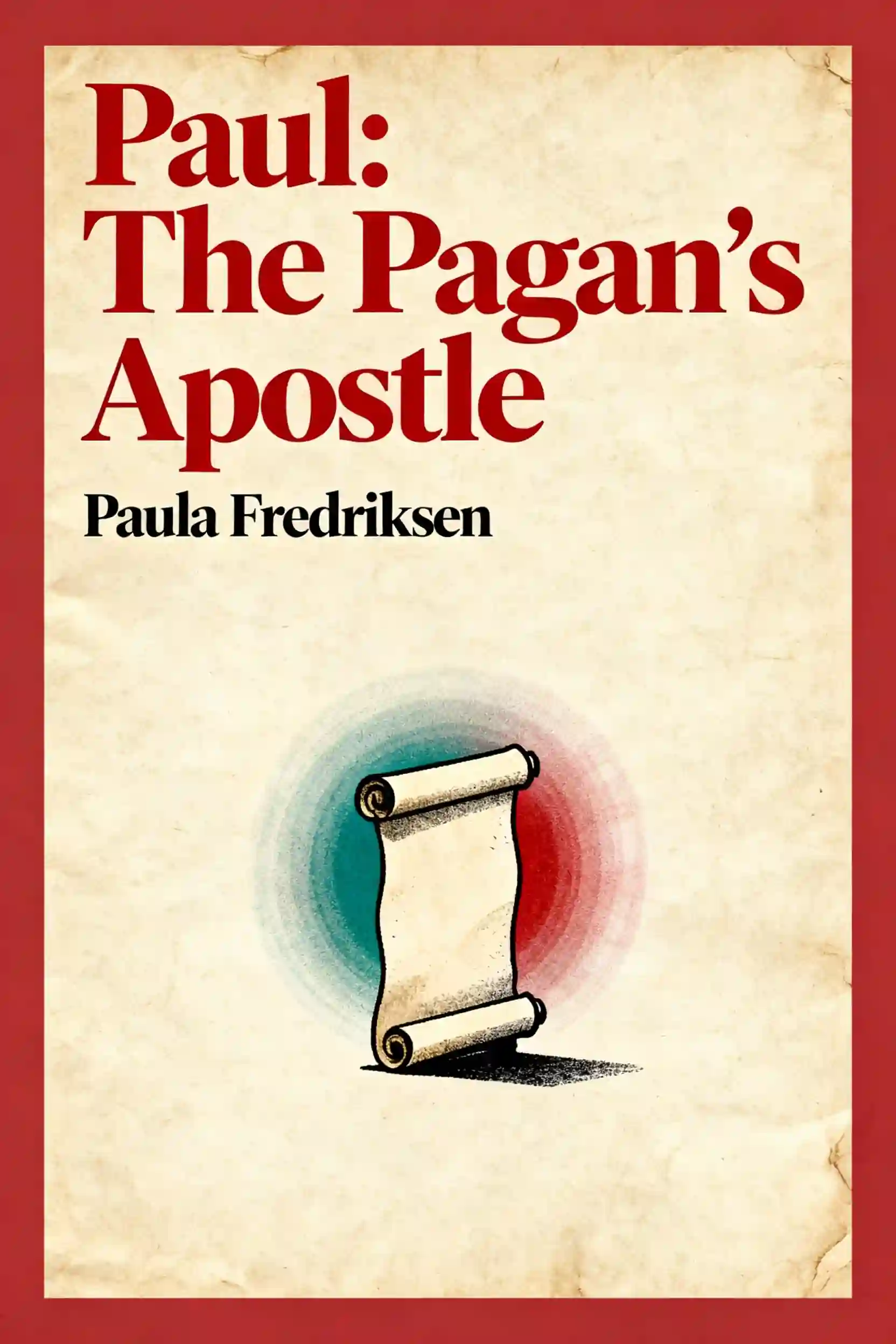
There are controversies that bring Josephus and the Bible or gospels under his pen. Explore conspiracies taken evidence that there is some Roman or Josephus fingerprints in the Bible Or Christianity.

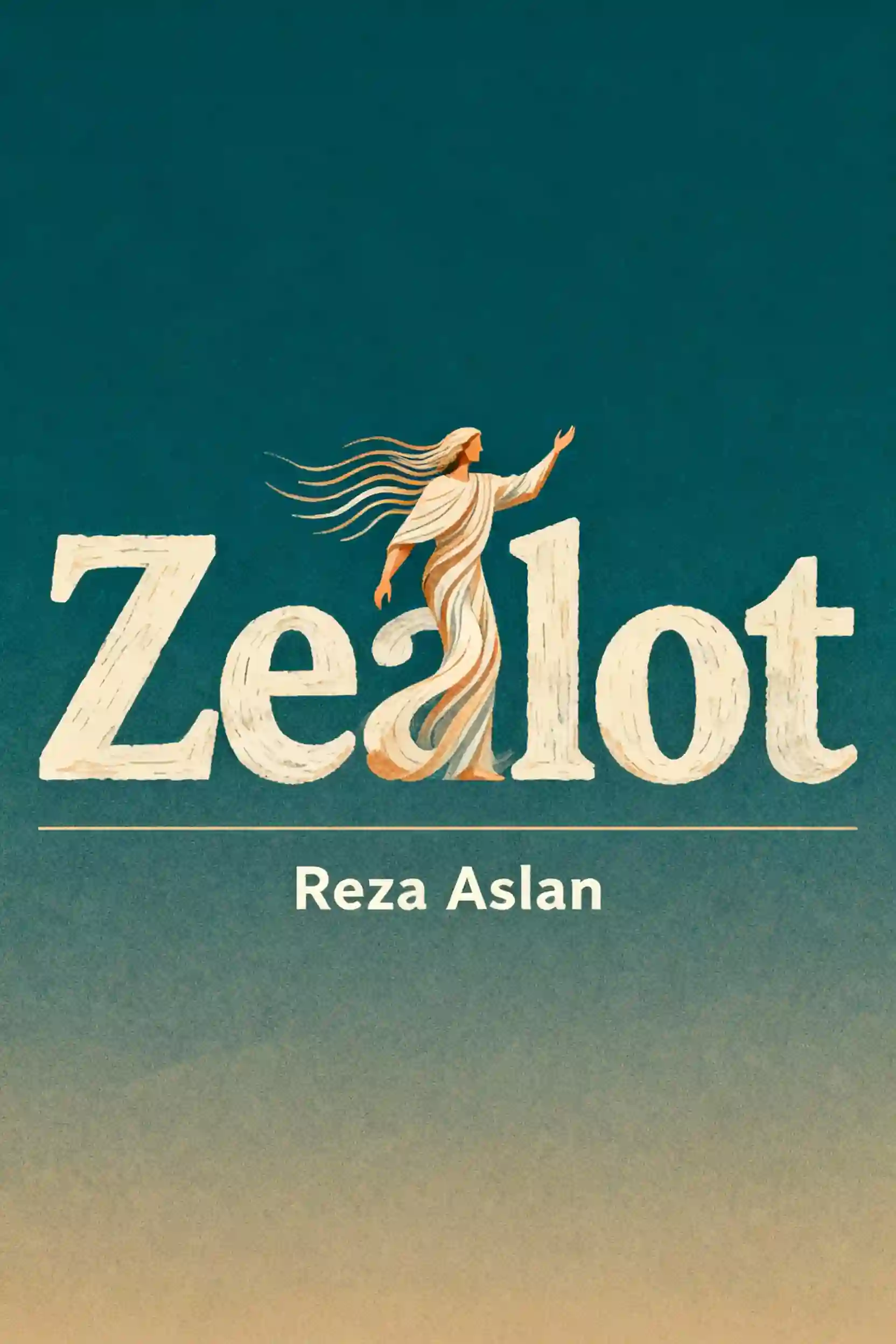
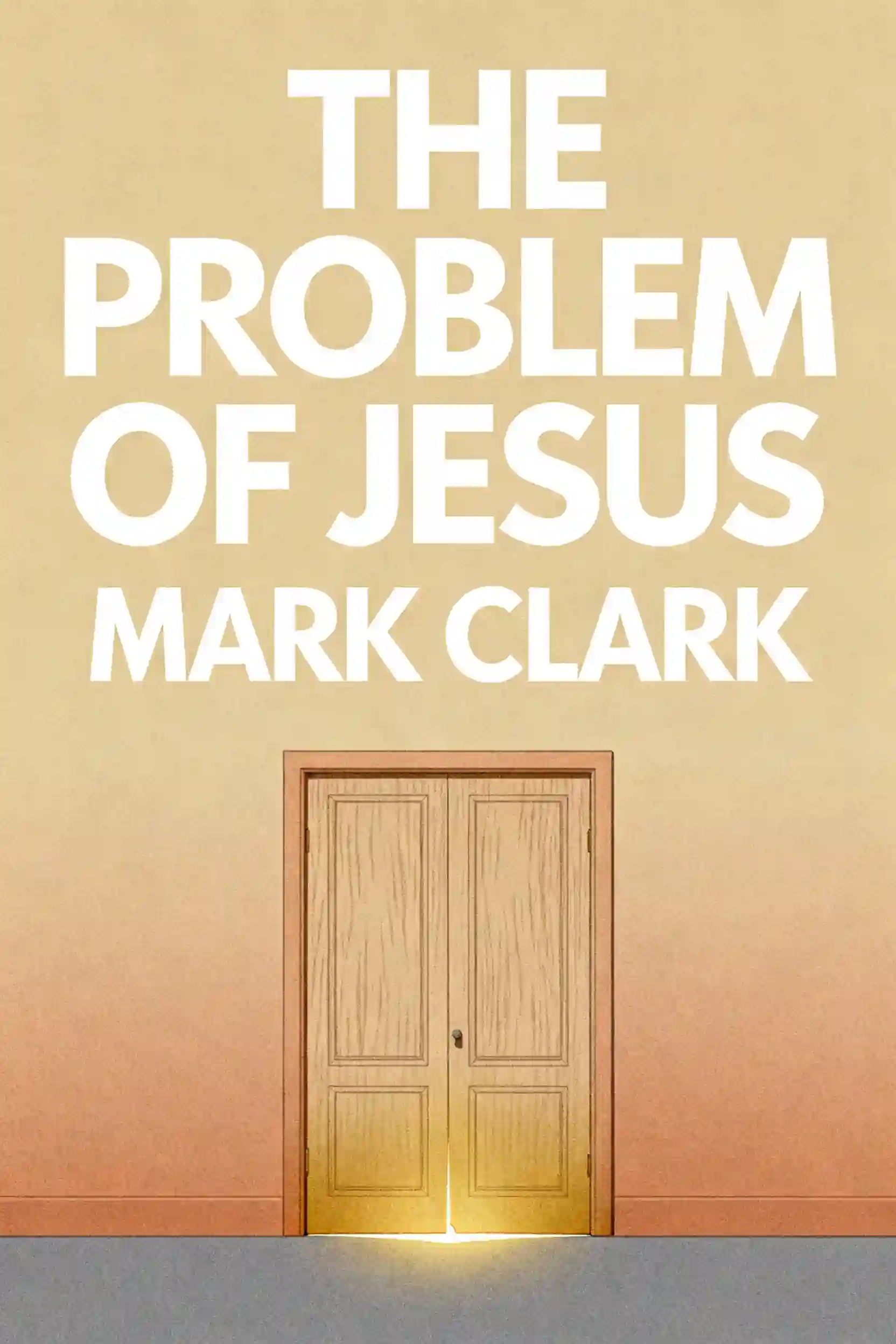
Frequently Asked Questions
The theory regarding the Roman origin of Christianity suggests that the New Testament may have been influenced or even authored by Roman authorities to pacify Jewish subjects. Proponents of this historical controversy look for 'Roman fingerprints' within the text, suggesting that the Flavian dynasty or figures like Flavius Josephus played a role in shaping the narrative to align with Roman interests and political stability during the first century.
Flavius Josephus is a central figure in these biblical conspiracies because his historical accounts of the Jewish-Roman wars often parallel or intersect with New Testament events. Some researchers argue that the similarities between Josephus's writings and the Gospels are not coincidental, suggesting a shared literary origin or that Josephus himself had a hand in crafting the foundational stories of the Christian faith under Roman patronage.
Roman fingerprints in the Bible refer to specific passages, themes, or historical coincidences that suggest the New Testament was written with a pro-Roman bias. This includes the portrayal of Roman officials like Pontius Pilate in a relatively sympathetic light and the emphasis on 'rendering unto Caesar.' Critics and theorists analyze these elements to determine if the Gospels were designed to encourage submission to the Roman Empire rather than religious rebellion.
The historical Jesus controversy in the context of Josephus and Roman influence questions whether the Gospel accounts are objective history or calculated propaganda. By examining the New Testament origins through the lens of Roman political needs, some theorists argue that the character of Jesus was framed to promote pacifism. This debate explores whether the historical record provided by Josephus supports the traditional biblical narrative or reveals a more complex Roman intervention.
Discover more

I want to know about jesus
I want to know about jesus
This learning plan provides a balanced exploration of Jesus as both a historical figure and a spiritual catalyst. It is ideal for curious minds seeking to understand the origins of Christianity and the enduring influence of its central figure on modern society.

Study Christian origins and global parallels
Study Christian origins and global parallels
This learning plan provides a scholarly look at the historical and cultural forces that shaped one of the world's most influential faiths. It is ideal for students of history, theology, or sociology who want to understand the syncretism and global parallels that define early Christianity.

Early Christian History & Ancient Manuscripts
Early Christian History & Ancient Manuscripts
This plan bridges the gap between historical archaeology and theological development, offering a scholarly look at how the New Testament was formed. It is ideal for history enthusiasts, theology students, or anyone curious about the complex origins of Western faith.
Jesus
Jesus
This plan is essential for anyone seeking to bridge the gap between historical facts and spiritual practice. It benefits history enthusiasts and spiritual seekers alike by connecting Jesus's ancient teachings to modern-day application.

Ancient Israel: Origins & Philistines
Ancient Israel: Origins & Philistines
This learning plan bridges the gap between archaeological science and historical texts to clarify the complex emergence of the Levant's most influential cultures. It is ideal for history enthusiasts, theology students, and researchers seeking a balanced, evidence-based view of the ancient world.
Roman London
Roman London
This plan offers a deep dive into the urban evolution and cultural identity of Londinium. It is ideal for history enthusiasts and students seeking to understand how Roman infrastructure and society laid the groundwork for one of the world's most iconic cities.
Roman History, Economics & Political Theory
Roman History, Economics & Political Theory
Understanding the structural successes and failures of Rome provides a vital blueprint for navigating modern governance. This plan is ideal for students of history, political science, and economics seeking to connect classical foundations with current global systems.

World thinking and defense of Christianity
World thinking and defense of Christianity
This learning plan is essential for individuals seeking to bridge the gap between ancient faith and modern intellectual challenges. It is ideal for students, ministry leaders, or curious thinkers who want to articulate their beliefs with clarity and cultural awareness.
From Columbia University alumni built in San Francisco
"Instead of endless scrolling, I just hit play on BeFreed. It saves me so much time."


"I never knew where to start with nonfiction—BeFreed’s book lists turned into podcasts gave me a clear path."


"Perfect balance between learning and entertainment. Finished ‘Thinking, Fast and Slow’ on my commute this week."
"Crazy how much I learned while walking the dog. BeFreed = small habits → big gains."
"Reading used to feel like a chore. Now it’s just part of my lifestyle."

"Feels effortless compared to reading. I’ve finished 6 books this month already."
"BeFreed turned my guilty doomscrolling into something that feels productive and inspiring."

"BeFreed turned my commute into learning time. 20-min podcasts are perfect for finishing books I never had time for."
"BeFreed replaced my podcast queue. Imagine Spotify for books — that’s it. 🙌"

"It is great for me to learn something from the book without reading it."
"The themed book list podcasts help me connect ideas across authors—like a guided audio journey."
"Makes me feel smarter every time before going to work"
From Columbia University alumni built in San Francisco
"Instead of endless scrolling, I just hit play on BeFreed. It saves me so much time."
"I never knew where to start with nonfiction—BeFreed’s book lists turned into podcasts gave me a clear path."
"Perfect balance between learning and entertainment. Finished ‘Thinking, Fast and Slow’ on my commute this week."
"Crazy how much I learned while walking the dog. BeFreed = small habits → big gains."
"Reading used to feel like a chore. Now it’s just part of my lifestyle."
"Feels effortless compared to reading. I’ve finished 6 books this month already."
"BeFreed turned my guilty doomscrolling into something that feels productive and inspiring."
"BeFreed turned my commute into learning time. 20-min podcasts are perfect for finishing books I never had time for."
"BeFreed replaced my podcast queue. Imagine Spotify for books — that’s it. 🙌"
"It is great for me to learn something from the book without reading it."
"The themed book list podcasts help me connect ideas across authors—like a guided audio journey."
"Makes me feel smarter every time before going to work"
"Instead of endless scrolling, I just hit play on BeFreed. It saves me so much time."
"I never knew where to start with nonfiction—BeFreed’s book lists turned into podcasts gave me a clear path."
"Perfect balance between learning and entertainment. Finished ‘Thinking, Fast and Slow’ on my commute this week."
"Crazy how much I learned while walking the dog. BeFreed = small habits → big gains."
"Reading used to feel like a chore. Now it’s just part of my lifestyle."
"Feels effortless compared to reading. I’ve finished 6 books this month already."
"BeFreed turned my guilty doomscrolling into something that feels productive and inspiring."
"BeFreed turned my commute into learning time. 20-min podcasts are perfect for finishing books I never had time for."
"BeFreed replaced my podcast queue. Imagine Spotify for books — that’s it. 🙌"
"It is great for me to learn something from the book without reading it."
"The themed book list podcasts help me connect ideas across authors—like a guided audio journey."
"Makes me feel smarter every time before going to work"
"Instead of endless scrolling, I just hit play on BeFreed. It saves me so much time."
"I never knew where to start with nonfiction—BeFreed’s book lists turned into podcasts gave me a clear path."
"Perfect balance between learning and entertainment. Finished ‘Thinking, Fast and Slow’ on my commute this week."
"Crazy how much I learned while walking the dog. BeFreed = small habits → big gains."
"Reading used to feel like a chore. Now it’s just part of my lifestyle."
"Feels effortless compared to reading. I’ve finished 6 books this month already."
"BeFreed turned my guilty doomscrolling into something that feels productive and inspiring."
"BeFreed turned my commute into learning time. 20-min podcasts are perfect for finishing books I never had time for."
"BeFreed replaced my podcast queue. Imagine Spotify for books — that’s it. 🙌"
"It is great for me to learn something from the book without reading it."
"The themed book list podcasts help me connect ideas across authors—like a guided audio journey."
"Makes me feel smarter every time before going to work"


