
Defeating the 300,000-Item Monster
Discover why the average American home contains over 300,000 items and learn science-backed strategies to permanently reduce clutter—not just organize it. Transform your space and mindset with practical decluttering techniques.

Best quote from Defeating the 300,000-Item Monster
Clutter isn't about being lazy or some moral failure; it's simply that our human brains aren't equipped to keep track of hundreds of thousands of objects in addition to living our lives.

This audio lesson was created by a BeFreed community member
Clutter organize

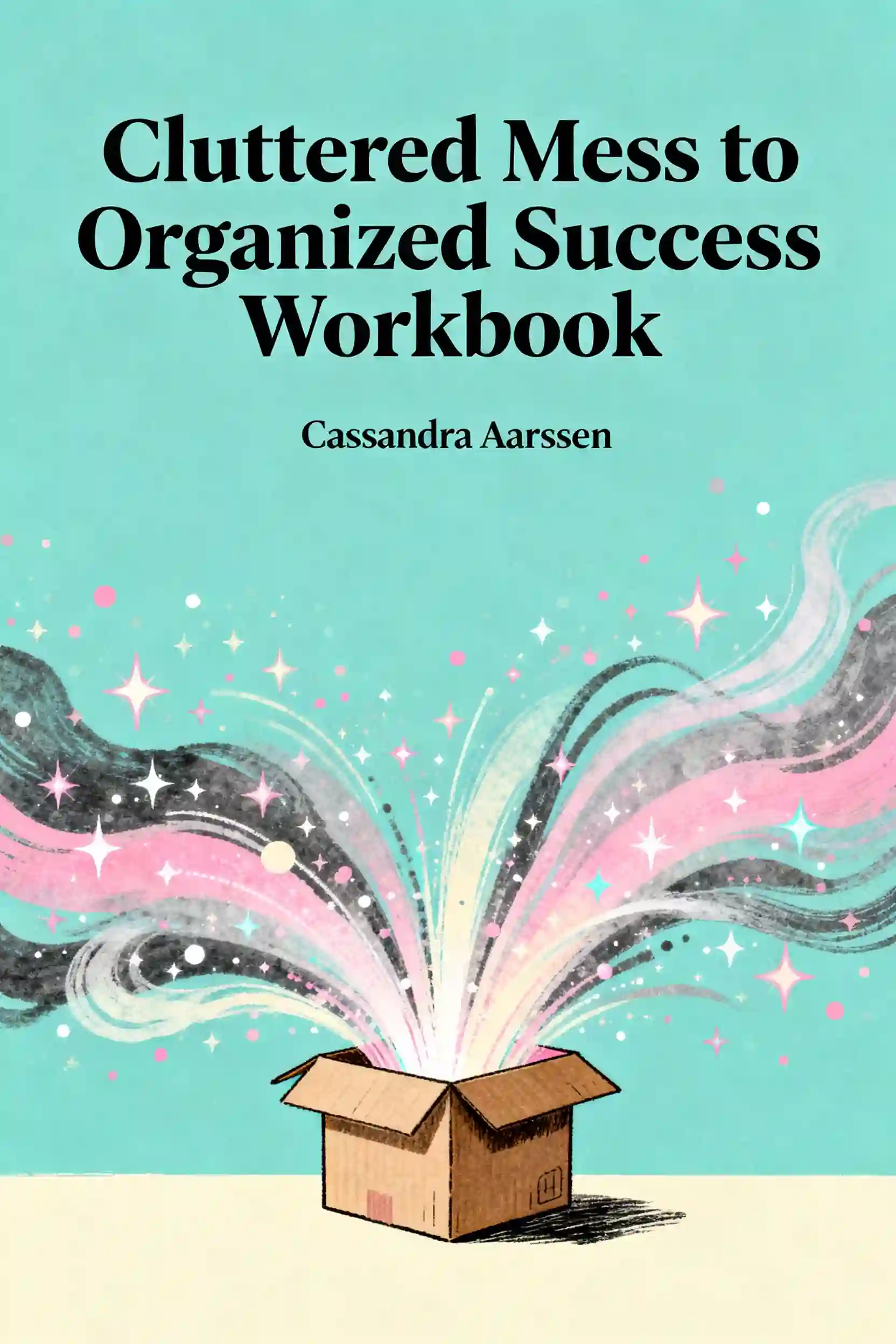
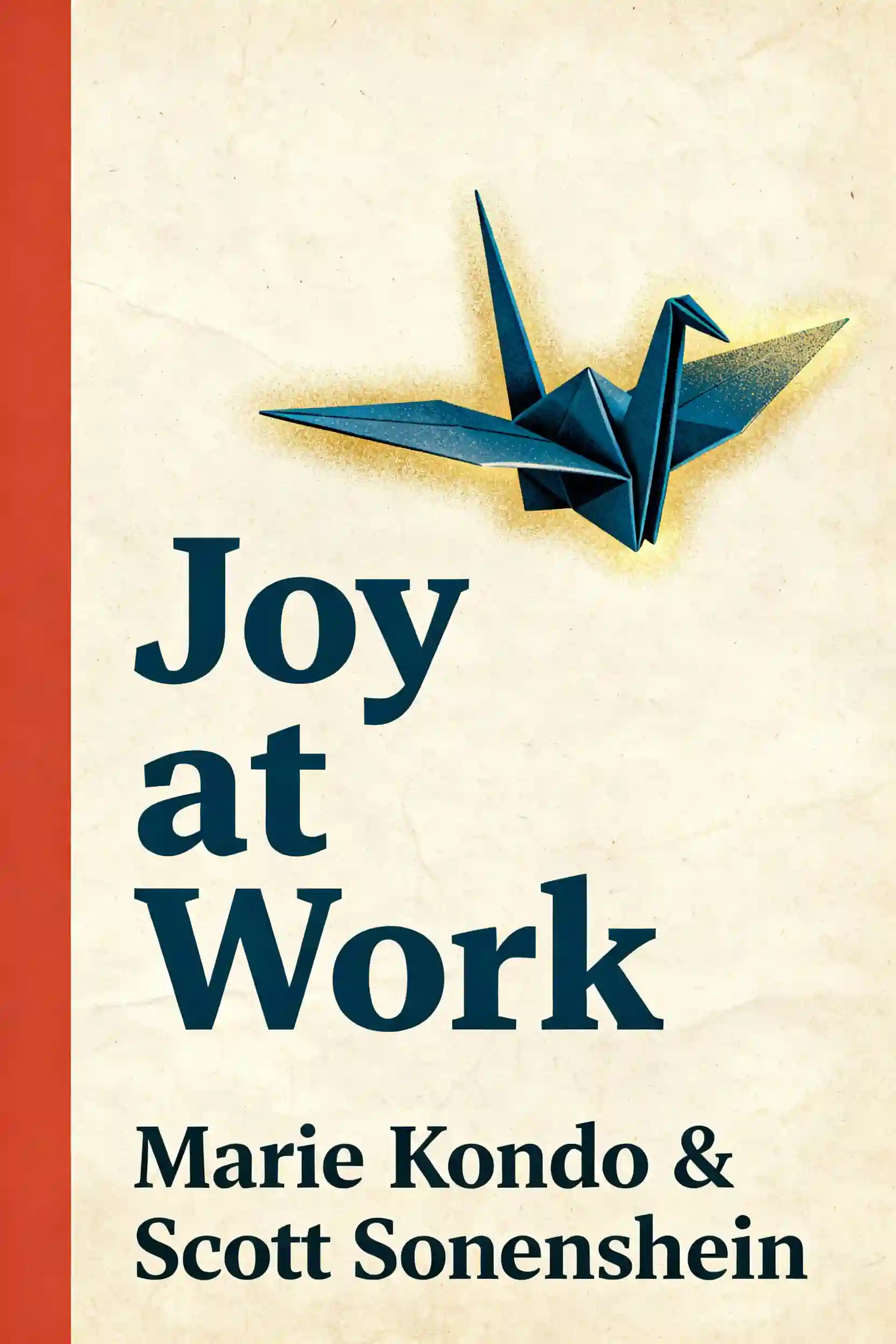
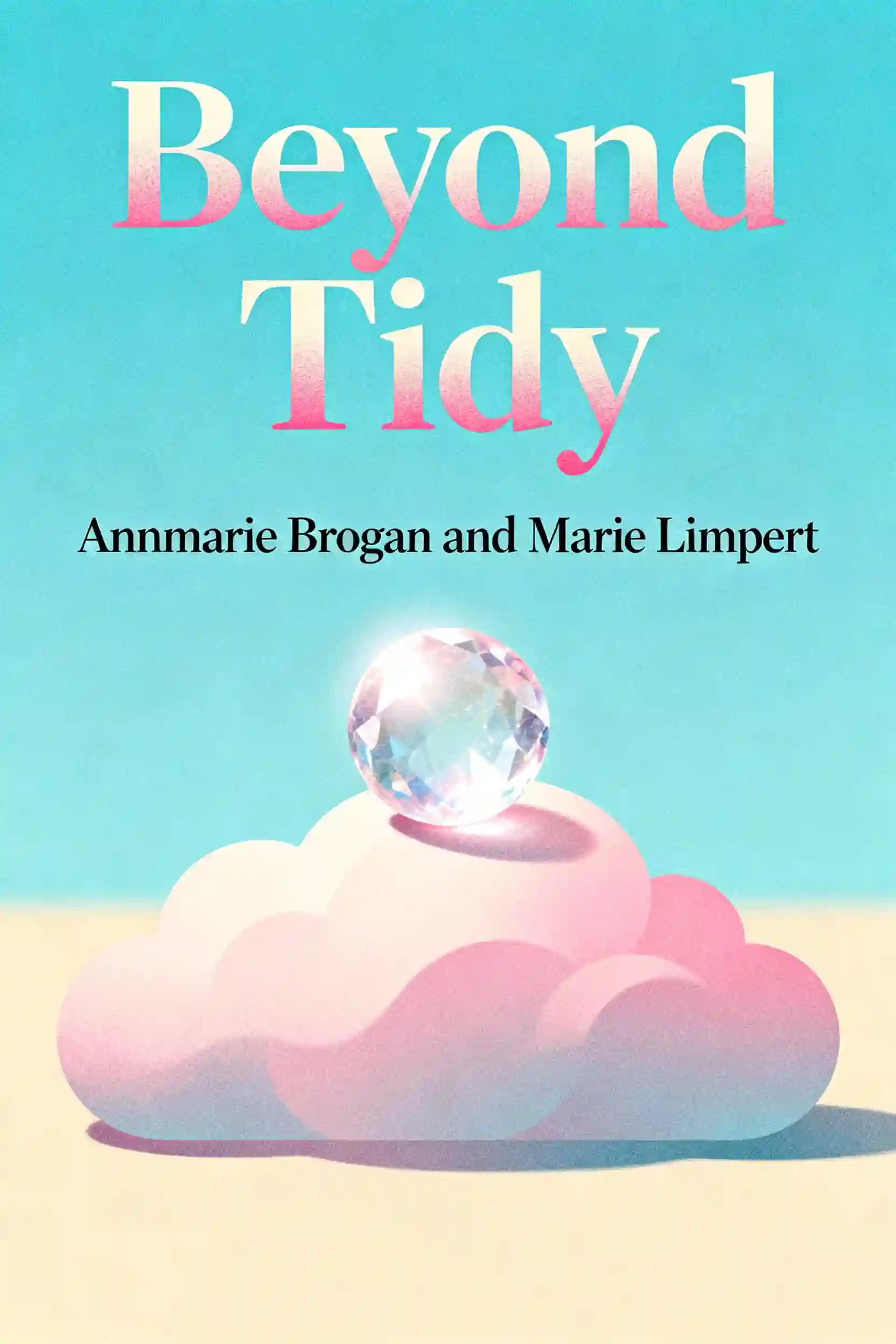
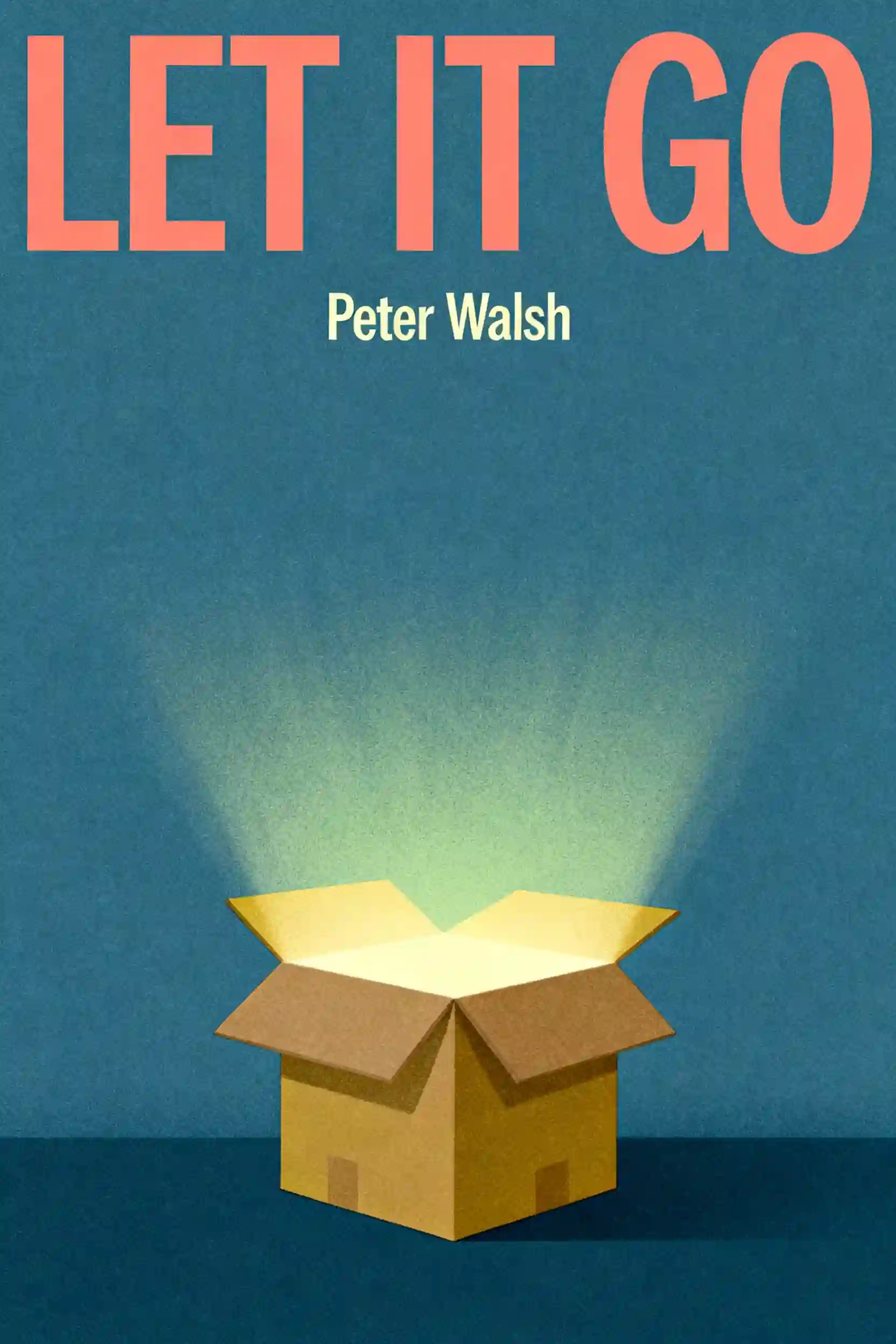
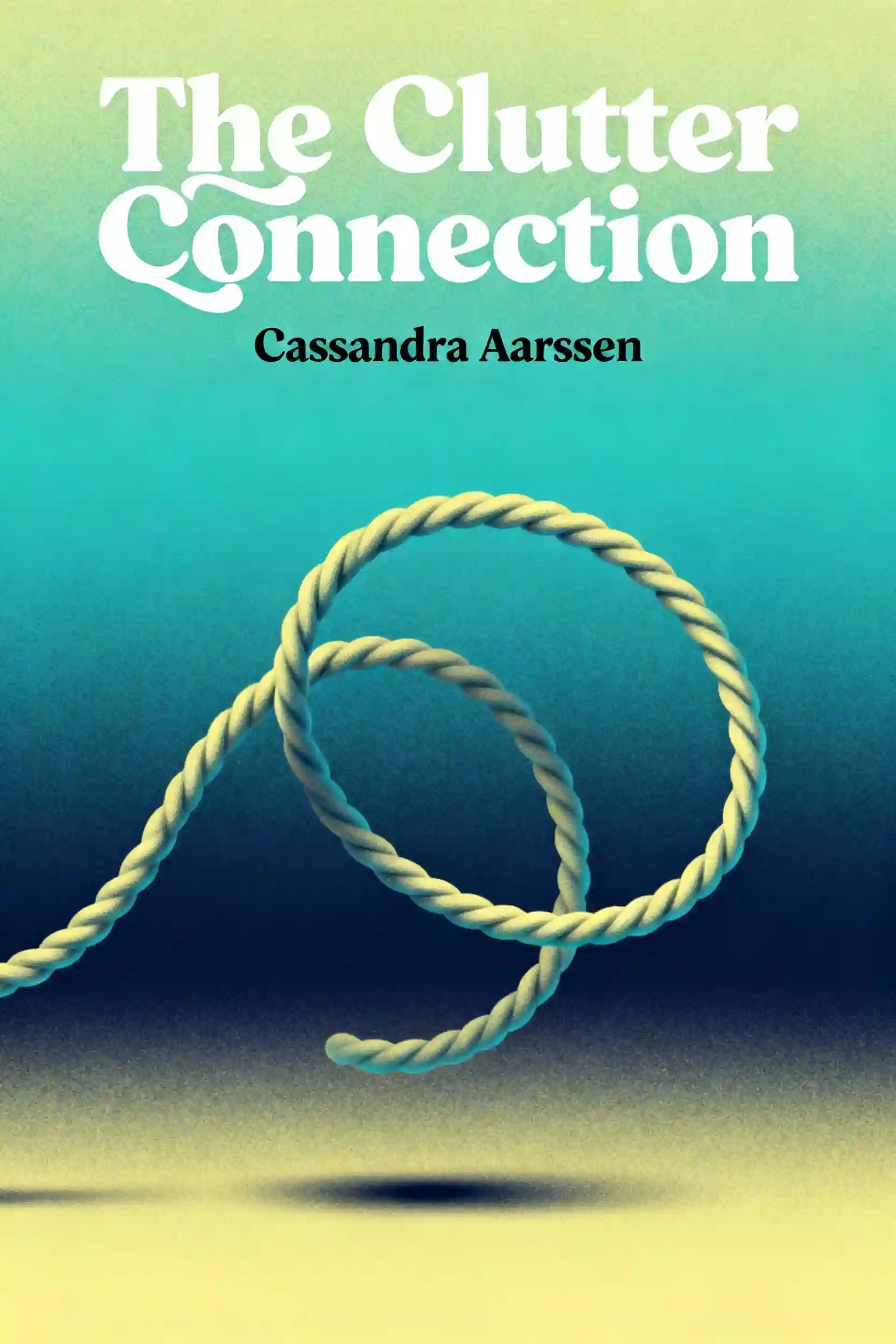
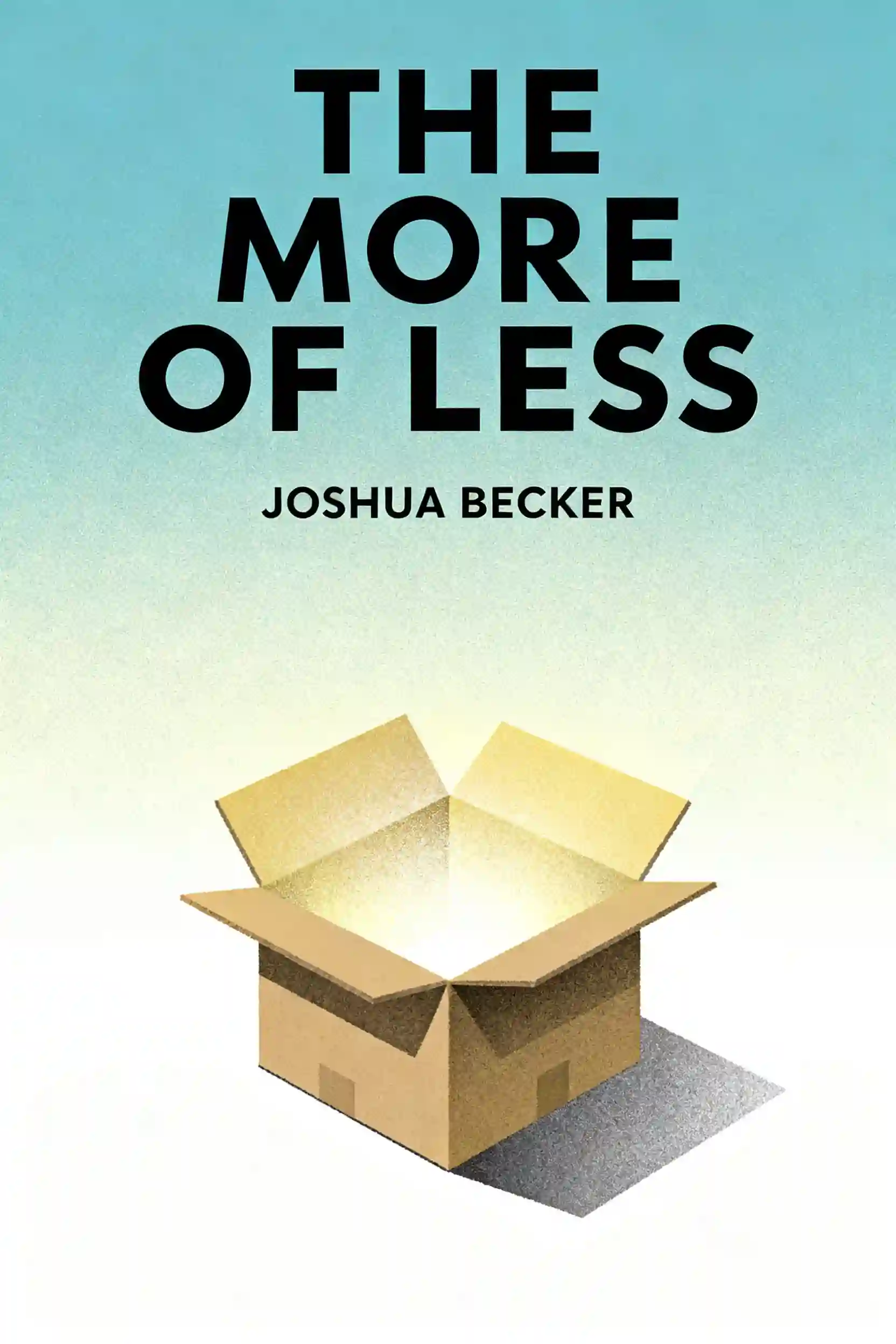
Discover more

Declutter thr house
Declutter thr house
This plan is essential for homeowners feeling overwhelmed by physical disorganization and seeking a permanent shift in their living environment. It is designed for anyone ready to transition from temporary tidying to a sustainable minimalist lifestyle through psychological insights and practical systems.

Beat ADHD procrastination & clean home
Beat ADHD procrastination & clean home
This plan is essential for individuals with ADHD who struggle with executive dysfunction and the overwhelming cycle of household clutter. It provides practical, brain-based tools for anyone looking to transform their living environment and productivity through manageable, non-linear systems.

Declutter clothes amid scarcity fears
Declutter clothes amid scarcity fears
This plan is designed for individuals who feel overwhelmed by their wardrobe but struggle to let go due to anxiety about future needs or financial loss. It combines psychological insights with the proven KonMari method to help learners transition from a scarcity mindset to an intentional, joy-filled lifestyle.

Get my home organized and my life healthy
Get my home organized and my life healthy
This plan is essential for anyone feeling overwhelmed by physical clutter and a lack of personal wellness structure. It offers a holistic approach to productivity by bridging the gap between an organized home environment and a high-energy, healthy body.
Overcome my executive function problem
Overcome my executive function problem
This plan is essential for individuals struggling with focus, organization, or procrastination due to executive function challenges. It provides a science-backed roadmap to transition from constant overwhelm to structured, automatic success by combining mental training with external systems.
Stop Overthinking and Take Action
Stop Overthinking and Take Action
Overthinking traps millions in endless loops of analysis that prevent meaningful progress and cause unnecessary stress. This learning plan equips anyone struggling with decision paralysis or procrastination with practical tools to break free from mental gridlock and take consistent, purposeful action.

ADHD: Organize Home & Work for Productivity
ADHD: Organize Home & Work for Productivity
Traditional productivity advice often ignores the unique challenges of the ADHD brain, leading to burnout and frustration. This plan is essential for professionals and individuals seeking neuro-inclusive strategies to reclaim their space, time, and mental clarity.

Stop doomscrolling
Stop doomscrolling
In an age where the average person spends 3-4 hours daily on their phone, doomscrolling has become a widespread habit that drains productivity, mental health, and precious time. This learning plan is essential for anyone who feels controlled by their devices—from professionals struggling with focus to students battling procrastination to anyone wanting to reclaim their attention and live more intentionally.
From Columbia University alumni built in San Francisco
"Instead of endless scrolling, I just hit play on BeFreed. It saves me so much time."


"I never knew where to start with nonfiction—BeFreed’s book lists turned into podcasts gave me a clear path."


"Perfect balance between learning and entertainment. Finished ‘Thinking, Fast and Slow’ on my commute this week."
"Crazy how much I learned while walking the dog. BeFreed = small habits → big gains."
"Reading used to feel like a chore. Now it’s just part of my lifestyle."

"Feels effortless compared to reading. I’ve finished 6 books this month already."
"BeFreed turned my guilty doomscrolling into something that feels productive and inspiring."

"BeFreed turned my commute into learning time. 20-min podcasts are perfect for finishing books I never had time for."
"BeFreed replaced my podcast queue. Imagine Spotify for books — that’s it. 🙌"

"It is great for me to learn something from the book without reading it."
"The themed book list podcasts help me connect ideas across authors—like a guided audio journey."
"Makes me feel smarter every time before going to work"
From Columbia University alumni built in San Francisco
"Instead of endless scrolling, I just hit play on BeFreed. It saves me so much time."
"I never knew where to start with nonfiction—BeFreed’s book lists turned into podcasts gave me a clear path."
"Perfect balance between learning and entertainment. Finished ‘Thinking, Fast and Slow’ on my commute this week."
"Crazy how much I learned while walking the dog. BeFreed = small habits → big gains."
"Reading used to feel like a chore. Now it’s just part of my lifestyle."
"Feels effortless compared to reading. I’ve finished 6 books this month already."
"BeFreed turned my guilty doomscrolling into something that feels productive and inspiring."
"BeFreed turned my commute into learning time. 20-min podcasts are perfect for finishing books I never had time for."
"BeFreed replaced my podcast queue. Imagine Spotify for books — that’s it. 🙌"
"It is great for me to learn something from the book without reading it."
"The themed book list podcasts help me connect ideas across authors—like a guided audio journey."
"Makes me feel smarter every time before going to work"
"Instead of endless scrolling, I just hit play on BeFreed. It saves me so much time."
"I never knew where to start with nonfiction—BeFreed’s book lists turned into podcasts gave me a clear path."
"Perfect balance between learning and entertainment. Finished ‘Thinking, Fast and Slow’ on my commute this week."
"Crazy how much I learned while walking the dog. BeFreed = small habits → big gains."
"Reading used to feel like a chore. Now it’s just part of my lifestyle."
"Feels effortless compared to reading. I’ve finished 6 books this month already."
"BeFreed turned my guilty doomscrolling into something that feels productive and inspiring."
"BeFreed turned my commute into learning time. 20-min podcasts are perfect for finishing books I never had time for."
"BeFreed replaced my podcast queue. Imagine Spotify for books — that’s it. 🙌"
"It is great for me to learn something from the book without reading it."
"The themed book list podcasts help me connect ideas across authors—like a guided audio journey."
"Makes me feel smarter every time before going to work"
"Instead of endless scrolling, I just hit play on BeFreed. It saves me so much time."
"I never knew where to start with nonfiction—BeFreed’s book lists turned into podcasts gave me a clear path."
"Perfect balance between learning and entertainment. Finished ‘Thinking, Fast and Slow’ on my commute this week."
"Crazy how much I learned while walking the dog. BeFreed = small habits → big gains."
"Reading used to feel like a chore. Now it’s just part of my lifestyle."
"Feels effortless compared to reading. I’ve finished 6 books this month already."
"BeFreed turned my guilty doomscrolling into something that feels productive and inspiring."
"BeFreed turned my commute into learning time. 20-min podcasts are perfect for finishing books I never had time for."
"BeFreed replaced my podcast queue. Imagine Spotify for books — that’s it. 🙌"
"It is great for me to learn something from the book without reading it."
"The themed book list podcasts help me connect ideas across authors—like a guided audio journey."
"Makes me feel smarter every time before going to work"


