
Decoding the Silent Conversation
Discover how body language accounts for 55% of communication while words make up only 7%. Learn to read facial expressions, posture, and gestures across cultures to understand what's really being said.

Best quote from Decoding the Silent Conversation
Body language might account for up to 55% of our communication, while the actual words we use only make up about 7%. We're basically having two conversations at once—one with our mouths and another with our bodies.

This audio lesson was created by a BeFreed community member
Body language

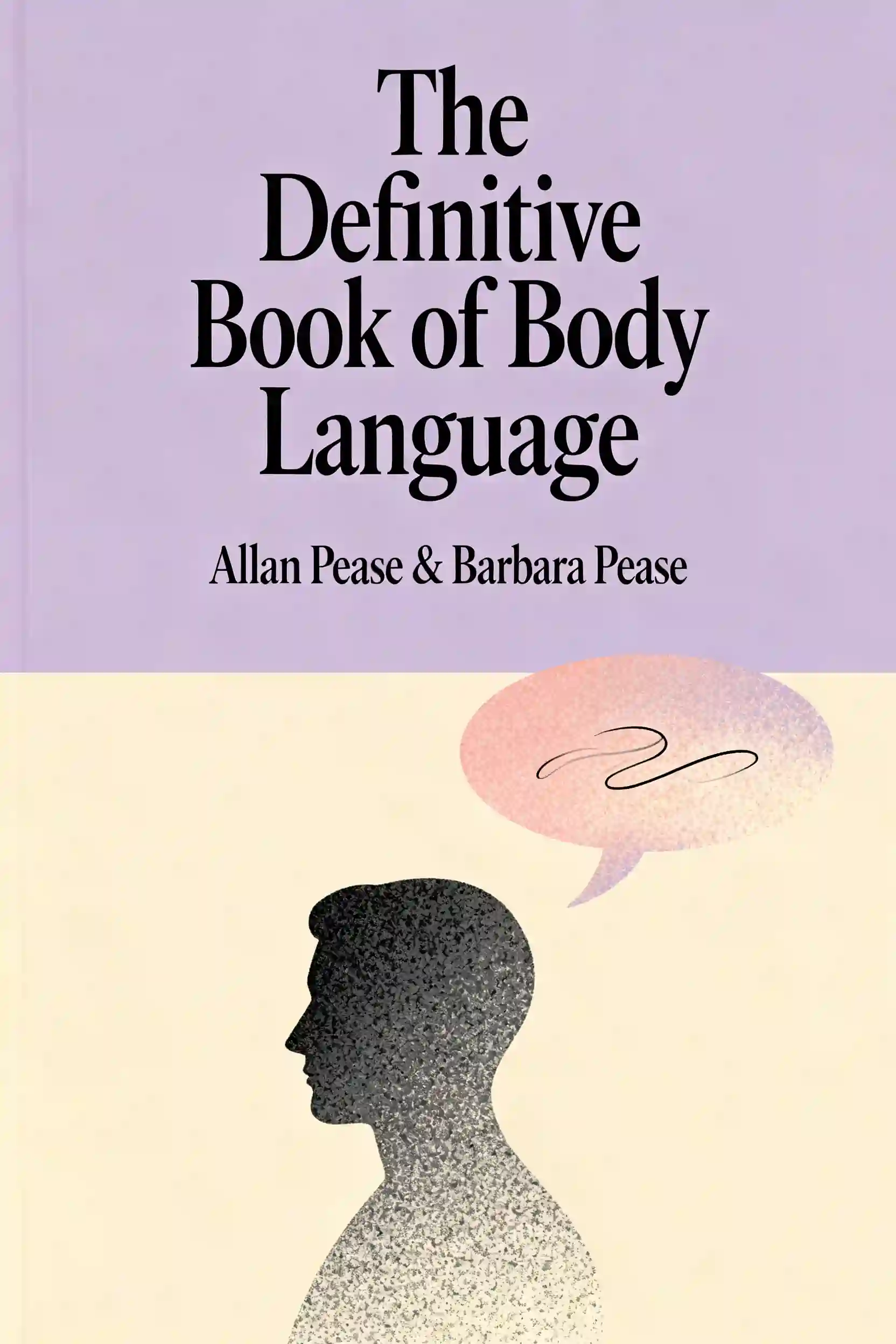
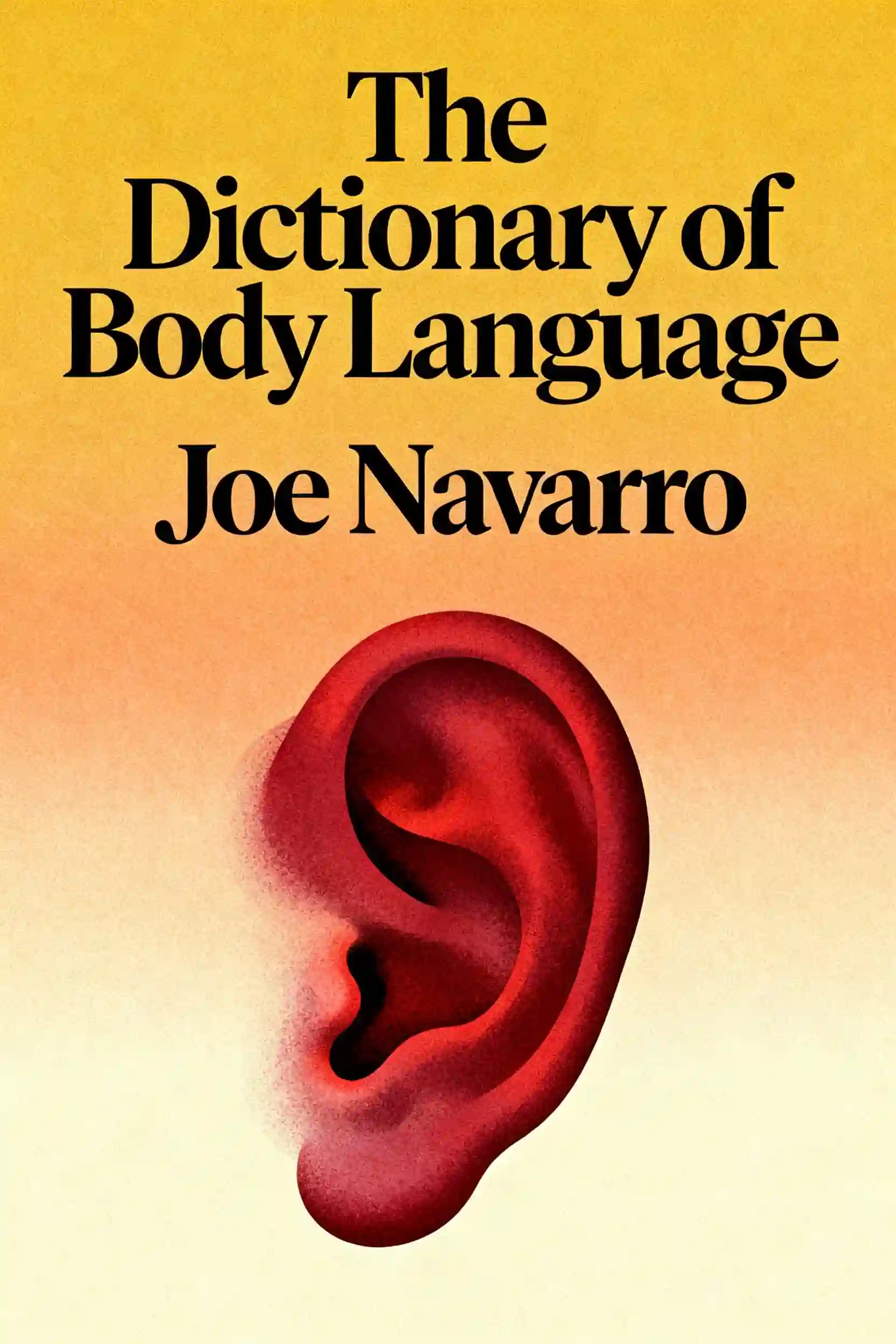
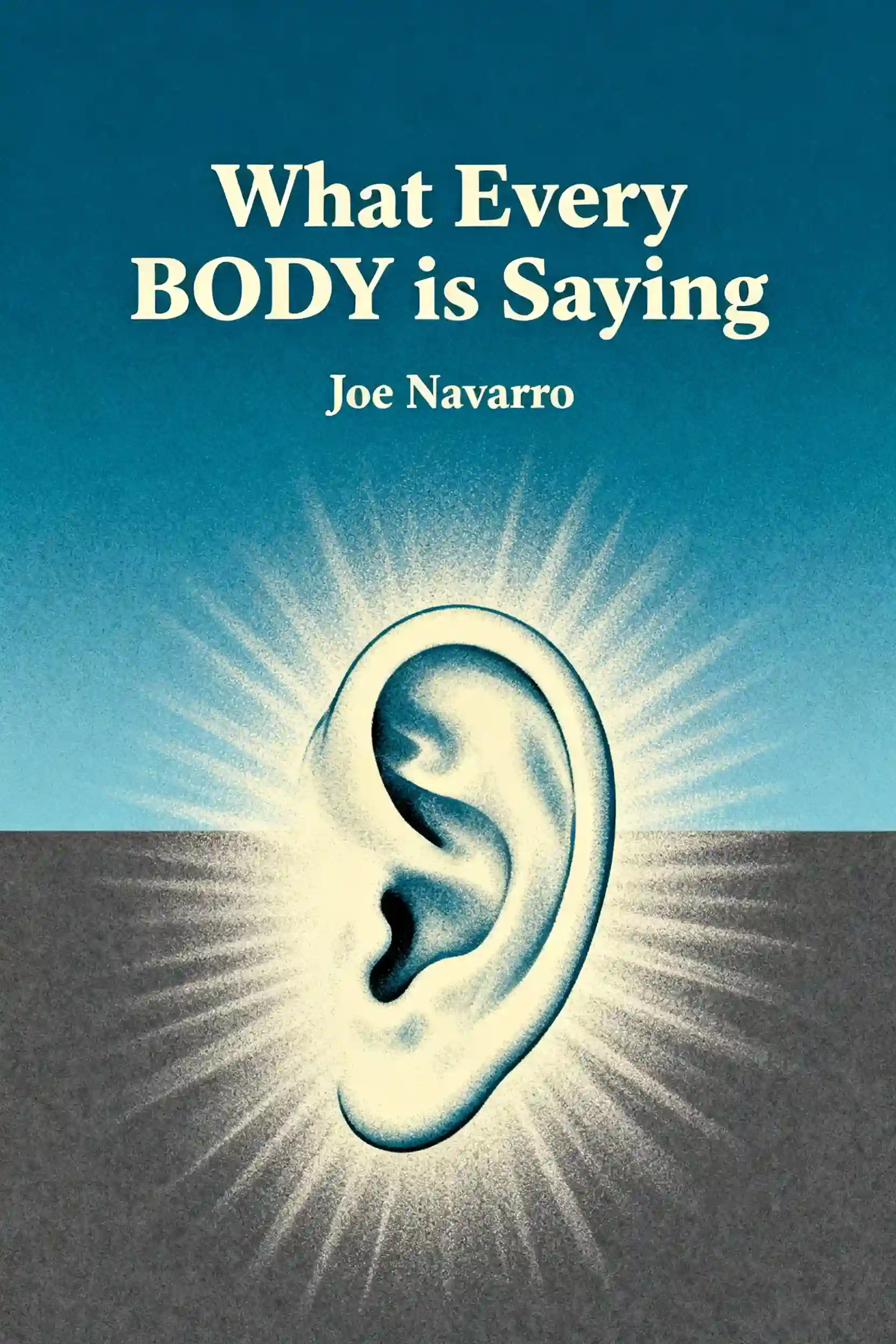
Discover more

read body language
read body language
Body language accounts for over 50% of communication, yet most people lack the skills to accurately interpret these nonverbal cues. This learning plan equips you with practical techniques to decode hidden messages in everyday interactions, giving you a significant advantage in personal relationships, professional settings, and negotiations.

Body language and mind reading
Body language and mind reading
Understanding the silent language of the body is essential for leaders, negotiators, and anyone looking to enhance their emotional intelligence. This plan provides a comprehensive roadmap for mastering nonverbal cues and psychological defense strategies to improve interpersonal effectiveness.
Master Body Language & Communication Skills
Master Body Language & Communication Skills
Effective communication extends far beyond words, relying heavily on the silent signals we send and receive. This plan is essential for professionals and leaders looking to enhance their social intelligence, build trust, and master the subtle art of persuasion.
Read people like book
Read people like book
In a world where communication is often indirect, mastering the ability to decode silent signals is a vital competitive advantage. This plan is designed for professionals, leaders, and anyone looking to enhance their social intelligence and predict behavior with precision.
Spot subtle signs of dislike
Spot subtle signs of dislike
In professional and personal settings, what people say often masks how they truly feel. This learning plan is essential for leaders, negotiators, and anyone looking to enhance their social intuition by mastering the science of nonverbal cues.
Decode Flirting Signals
Decode Flirting Signals
Understanding flirting signals is a crucial life skill that can transform your dating confidence and help you navigate romantic situations with clarity. This learning plan is ideal for anyone who struggles to recognize when someone is interested in them, wants to improve their dating success, or simply wishes to better understand the subtle dynamics of human attraction and connection.

Read social cues to attract more people
Read social cues to attract more people
Social connection is fundamental to human happiness and success, yet many people struggle to read the unspoken signals that govern relationships. This learning plan is perfect for anyone who feels they miss social cues, wants to build deeper connections, or wishes they were more naturally likable in both personal and professional settings.
Master body responses for strategic advantage
Master body responses for strategic advantage
Body language accounts for over 50% of communication, yet most people remain unaware of the signals they send and receive. This learning plan equips professionals, leaders, and negotiators with practical skills to read others accurately while strategically managing their own nonverbal presence.
From Columbia University alumni built in San Francisco
"Instead of endless scrolling, I just hit play on BeFreed. It saves me so much time."


"I never knew where to start with nonfiction—BeFreed’s book lists turned into podcasts gave me a clear path."


"Perfect balance between learning and entertainment. Finished ‘Thinking, Fast and Slow’ on my commute this week."
"Crazy how much I learned while walking the dog. BeFreed = small habits → big gains."
"Reading used to feel like a chore. Now it’s just part of my lifestyle."

"Feels effortless compared to reading. I’ve finished 6 books this month already."
"BeFreed turned my guilty doomscrolling into something that feels productive and inspiring."

"BeFreed turned my commute into learning time. 20-min podcasts are perfect for finishing books I never had time for."
"BeFreed replaced my podcast queue. Imagine Spotify for books — that’s it. 🙌"

"It is great for me to learn something from the book without reading it."
"The themed book list podcasts help me connect ideas across authors—like a guided audio journey."
"Makes me feel smarter every time before going to work"
From Columbia University alumni built in San Francisco
"Instead of endless scrolling, I just hit play on BeFreed. It saves me so much time."
"I never knew where to start with nonfiction—BeFreed’s book lists turned into podcasts gave me a clear path."
"Perfect balance between learning and entertainment. Finished ‘Thinking, Fast and Slow’ on my commute this week."
"Crazy how much I learned while walking the dog. BeFreed = small habits → big gains."
"Reading used to feel like a chore. Now it’s just part of my lifestyle."
"Feels effortless compared to reading. I’ve finished 6 books this month already."
"BeFreed turned my guilty doomscrolling into something that feels productive and inspiring."
"BeFreed turned my commute into learning time. 20-min podcasts are perfect for finishing books I never had time for."
"BeFreed replaced my podcast queue. Imagine Spotify for books — that’s it. 🙌"
"It is great for me to learn something from the book without reading it."
"The themed book list podcasts help me connect ideas across authors—like a guided audio journey."
"Makes me feel smarter every time before going to work"
"Instead of endless scrolling, I just hit play on BeFreed. It saves me so much time."
"I never knew where to start with nonfiction—BeFreed’s book lists turned into podcasts gave me a clear path."
"Perfect balance between learning and entertainment. Finished ‘Thinking, Fast and Slow’ on my commute this week."
"Crazy how much I learned while walking the dog. BeFreed = small habits → big gains."
"Reading used to feel like a chore. Now it’s just part of my lifestyle."
"Feels effortless compared to reading. I’ve finished 6 books this month already."
"BeFreed turned my guilty doomscrolling into something that feels productive and inspiring."
"BeFreed turned my commute into learning time. 20-min podcasts are perfect for finishing books I never had time for."
"BeFreed replaced my podcast queue. Imagine Spotify for books — that’s it. 🙌"
"It is great for me to learn something from the book without reading it."
"The themed book list podcasts help me connect ideas across authors—like a guided audio journey."
"Makes me feel smarter every time before going to work"
"Instead of endless scrolling, I just hit play on BeFreed. It saves me so much time."
"I never knew where to start with nonfiction—BeFreed’s book lists turned into podcasts gave me a clear path."
"Perfect balance between learning and entertainment. Finished ‘Thinking, Fast and Slow’ on my commute this week."
"Crazy how much I learned while walking the dog. BeFreed = small habits → big gains."
"Reading used to feel like a chore. Now it’s just part of my lifestyle."
"Feels effortless compared to reading. I’ve finished 6 books this month already."
"BeFreed turned my guilty doomscrolling into something that feels productive and inspiring."
"BeFreed turned my commute into learning time. 20-min podcasts are perfect for finishing books I never had time for."
"BeFreed replaced my podcast queue. Imagine Spotify for books — that’s it. 🙌"
"It is great for me to learn something from the book without reading it."
"The themed book list podcasts help me connect ideas across authors—like a guided audio journey."
"Makes me feel smarter every time before going to work"


