
Day Trading Reality: Why 97% Fail
Uncover the brutal truth behind day trading's 97% failure rate and discover the systematic approaches that separate successful traders from the masses who lose money.

Best quote from Day Trading Reality: Why 97% Fail
Stop thinking about individual trades and start thinking about statistical edges over hundreds of trades. Your job isn't to be right on every trade—it's to execute a system that has a positive expectancy over time.

This audio lesson was created by a BeFreed community member
day trading

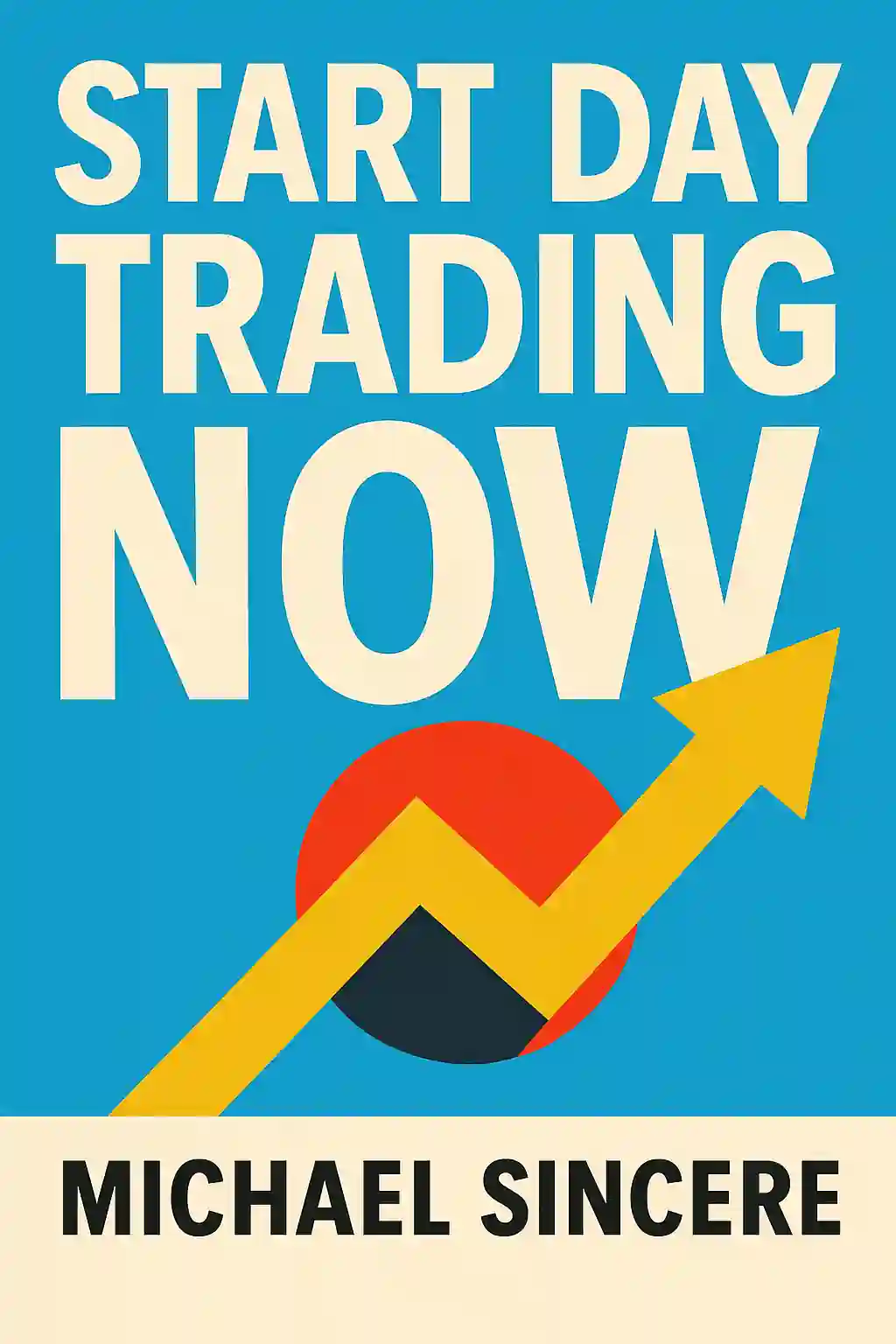
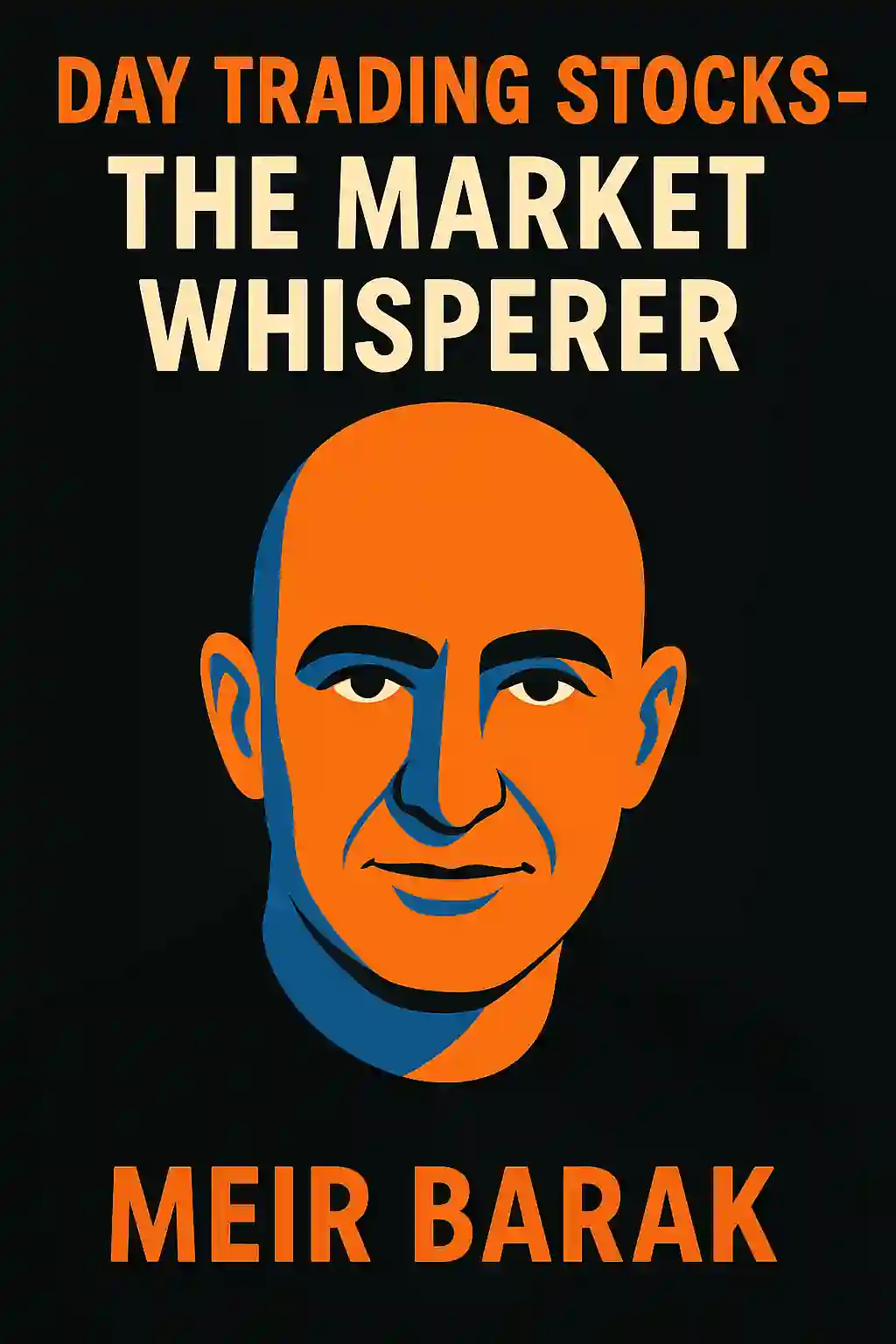
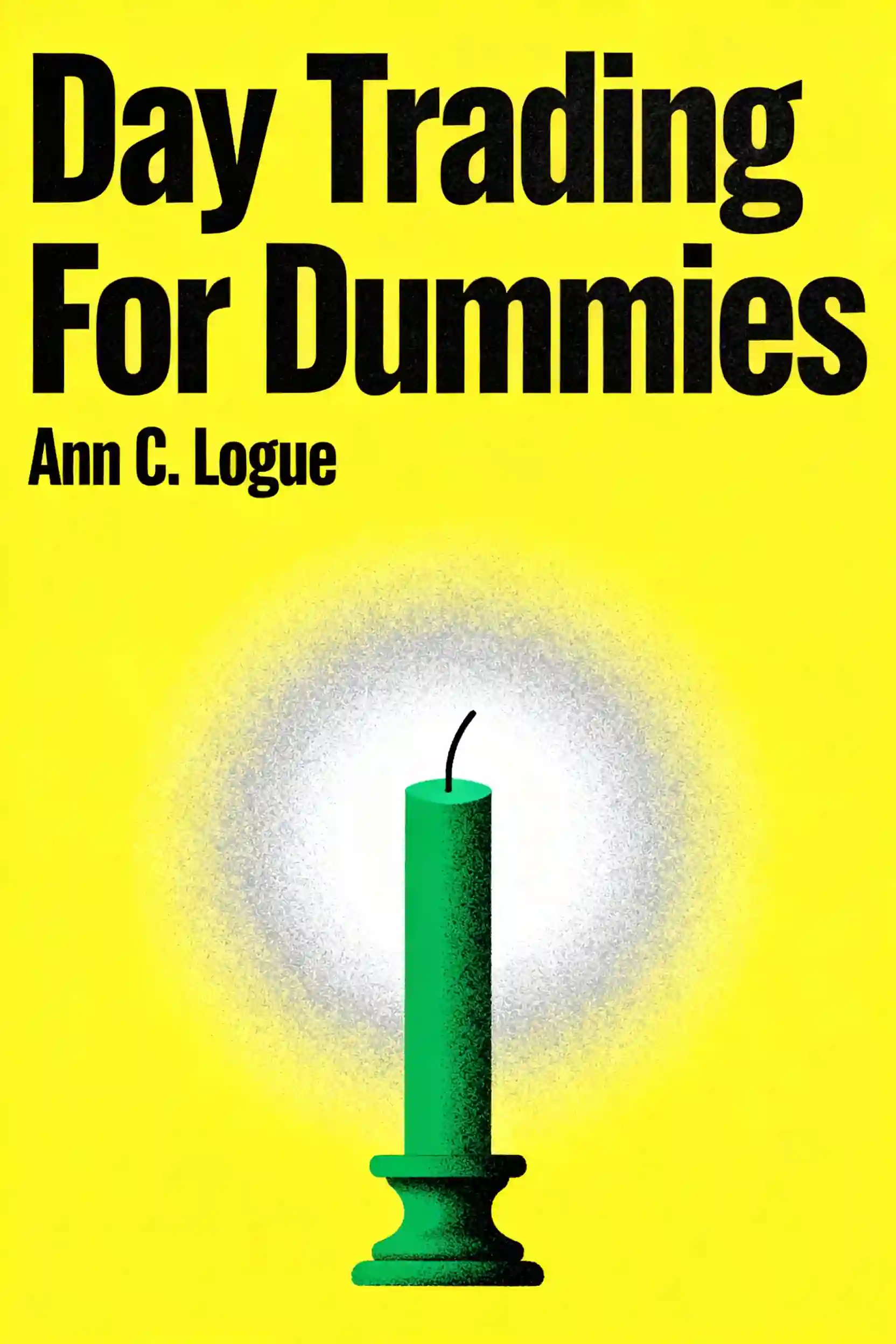
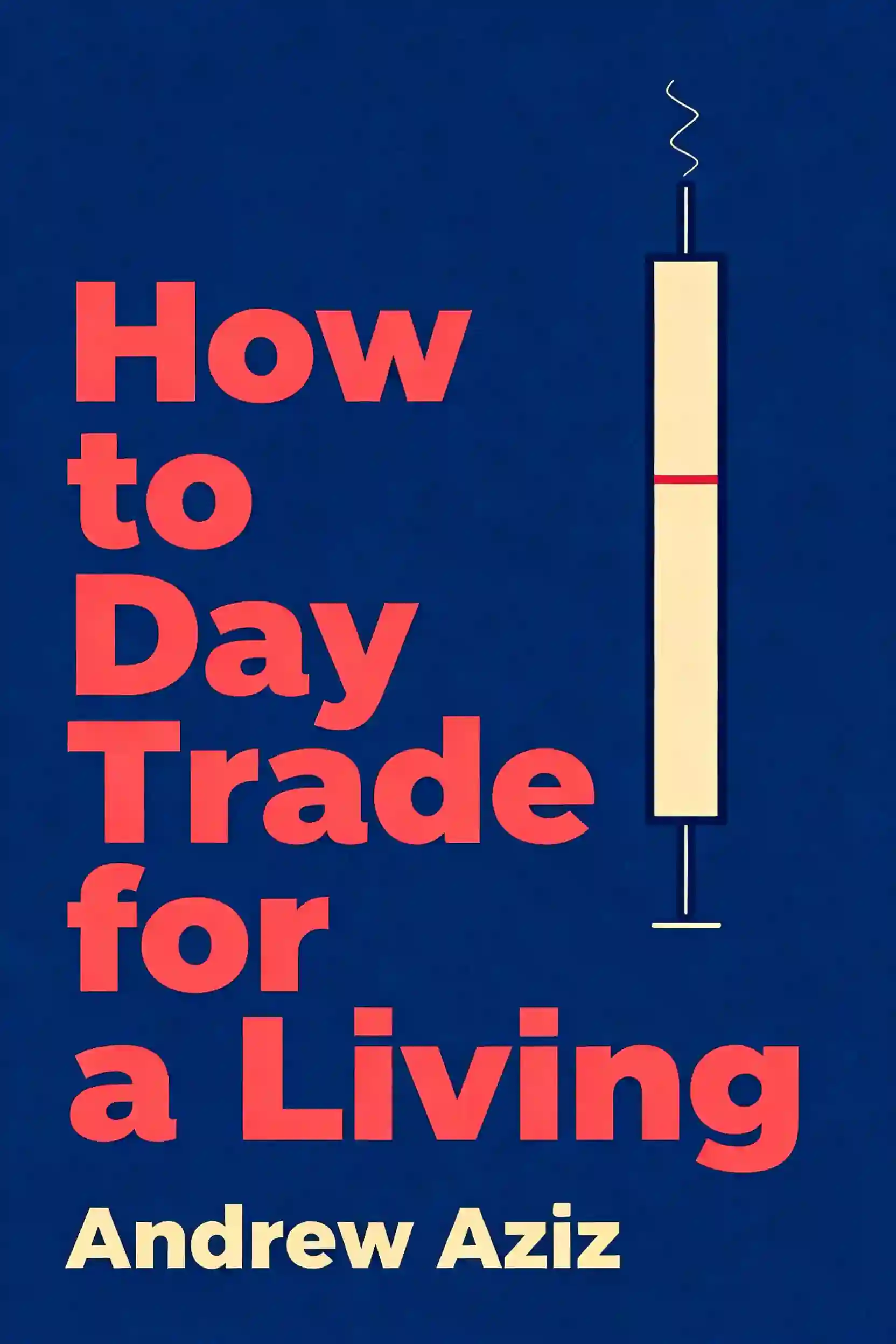
Discover more

Grow rich & free via trading
Grow rich & free via trading
Trading offers one of the fastest paths to financial freedom, but 90% of traders fail due to poor strategy and lack of mental discipline. This learning plan is designed for ambitious individuals who want to build real wealth through trading—whether you're looking to supplement your income, escape the 9-to-5, or achieve complete financial independence through systematic market participation.
day trading
day trading
This comprehensive path bridges the gap between basic market mechanics and professional-grade algorithmic execution. It is designed for aspiring traders who want to move beyond guesswork by mastering both technical precision and the psychological discipline required for long-term profitability.
Master day trading psychology
Master day trading psychology
Day trading success depends as much on psychological mastery as technical skill, yet most traders focus exclusively on strategies while ignoring the mental game. This learning plan is essential for traders who struggle with emotional decision-making, inconsistent execution, or self-sabotaging behaviors that undermine their profitability. It's particularly valuable for intermediate traders who have technical knowledge but can't achieve consistent results due to psychological challenges.

Trader
Trader
Success in trading requires a balance of technical skill, mental fortitude, and strict risk control. This plan is designed for aspiring traders who want to move beyond gambling and build a sustainable, professional approach to the financial markets.

Trading in the zone, Mark Douglas 
Trading in the zone, Mark Douglas 
This plan is essential for traders who have technical knowledge but struggle with emotional consistency and discipline. It bridges the gap between market analysis and profitable execution, making it ideal for both beginners and experienced investors seeking a professional edge.

Understanding trading, better and finances.
Understanding trading, better and finances.
This learning plan is essential for individuals seeking to bridge the gap between basic financial literacy and active stock market participation. It is designed for aspiring investors who want to combine sound money management with sophisticated trading strategies and psychological discipline.
Trade stocks with discipline, avoid gambling
Trade stocks with discipline, avoid gambling
This plan is essential for aspiring investors who struggle with emotional decision-making and inconsistent results. It provides a structured path for transitioning from speculative gambling to a disciplined, professional trading methodology focused on risk management.
How to trade stocks and read them efficiently
How to trade stocks and read them efficiently
This learning plan is essential for aspiring traders who want to move beyond guesswork and develop a systematic approach to the markets. It is designed for individuals seeking to combine technical proficiency with the mental discipline required for long-term financial success.
From Columbia University alumni built in San Francisco
"Instead of endless scrolling, I just hit play on BeFreed. It saves me so much time."


"I never knew where to start with nonfiction—BeFreed’s book lists turned into podcasts gave me a clear path."


"Perfect balance between learning and entertainment. Finished ‘Thinking, Fast and Slow’ on my commute this week."
"Crazy how much I learned while walking the dog. BeFreed = small habits → big gains."
"Reading used to feel like a chore. Now it’s just part of my lifestyle."

"Feels effortless compared to reading. I’ve finished 6 books this month already."
"BeFreed turned my guilty doomscrolling into something that feels productive and inspiring."

"BeFreed turned my commute into learning time. 20-min podcasts are perfect for finishing books I never had time for."
"BeFreed replaced my podcast queue. Imagine Spotify for books — that’s it. 🙌"

"It is great for me to learn something from the book without reading it."
"The themed book list podcasts help me connect ideas across authors—like a guided audio journey."
"Makes me feel smarter every time before going to work"
From Columbia University alumni built in San Francisco
"Instead of endless scrolling, I just hit play on BeFreed. It saves me so much time."
"I never knew where to start with nonfiction—BeFreed’s book lists turned into podcasts gave me a clear path."
"Perfect balance between learning and entertainment. Finished ‘Thinking, Fast and Slow’ on my commute this week."
"Crazy how much I learned while walking the dog. BeFreed = small habits → big gains."
"Reading used to feel like a chore. Now it’s just part of my lifestyle."
"Feels effortless compared to reading. I’ve finished 6 books this month already."
"BeFreed turned my guilty doomscrolling into something that feels productive and inspiring."
"BeFreed turned my commute into learning time. 20-min podcasts are perfect for finishing books I never had time for."
"BeFreed replaced my podcast queue. Imagine Spotify for books — that’s it. 🙌"
"It is great for me to learn something from the book without reading it."
"The themed book list podcasts help me connect ideas across authors—like a guided audio journey."
"Makes me feel smarter every time before going to work"
"Instead of endless scrolling, I just hit play on BeFreed. It saves me so much time."
"I never knew where to start with nonfiction—BeFreed’s book lists turned into podcasts gave me a clear path."
"Perfect balance between learning and entertainment. Finished ‘Thinking, Fast and Slow’ on my commute this week."
"Crazy how much I learned while walking the dog. BeFreed = small habits → big gains."
"Reading used to feel like a chore. Now it’s just part of my lifestyle."
"Feels effortless compared to reading. I’ve finished 6 books this month already."
"BeFreed turned my guilty doomscrolling into something that feels productive and inspiring."
"BeFreed turned my commute into learning time. 20-min podcasts are perfect for finishing books I never had time for."
"BeFreed replaced my podcast queue. Imagine Spotify for books — that’s it. 🙌"
"It is great for me to learn something from the book without reading it."
"The themed book list podcasts help me connect ideas across authors—like a guided audio journey."
"Makes me feel smarter every time before going to work"
"Instead of endless scrolling, I just hit play on BeFreed. It saves me so much time."
"I never knew where to start with nonfiction—BeFreed’s book lists turned into podcasts gave me a clear path."
"Perfect balance between learning and entertainment. Finished ‘Thinking, Fast and Slow’ on my commute this week."
"Crazy how much I learned while walking the dog. BeFreed = small habits → big gains."
"Reading used to feel like a chore. Now it’s just part of my lifestyle."
"Feels effortless compared to reading. I’ve finished 6 books this month already."
"BeFreed turned my guilty doomscrolling into something that feels productive and inspiring."
"BeFreed turned my commute into learning time. 20-min podcasts are perfect for finishing books I never had time for."
"BeFreed replaced my podcast queue. Imagine Spotify for books — that’s it. 🙌"
"It is great for me to learn something from the book without reading it."
"The themed book list podcasts help me connect ideas across authors—like a guided audio journey."
"Makes me feel smarter every time before going to work"


