
The Columbine Shooting: History, Impact, and Lasting Legacy
Explore the history and impact of the 1999 Columbine High School shooting. Learn about the events of the massacre and how it changed school safety protocols forever.

Best quote from The Columbine Shooting: History, Impact, and Lasting Legacy
Targeted violence is rarely a sudden, impulsive act; it is the end result of a long, often visible process of planning and preparation that starts with an idea and moves toward execution.

This audio lesson was created by a BeFreed community member
The Columbine shooting

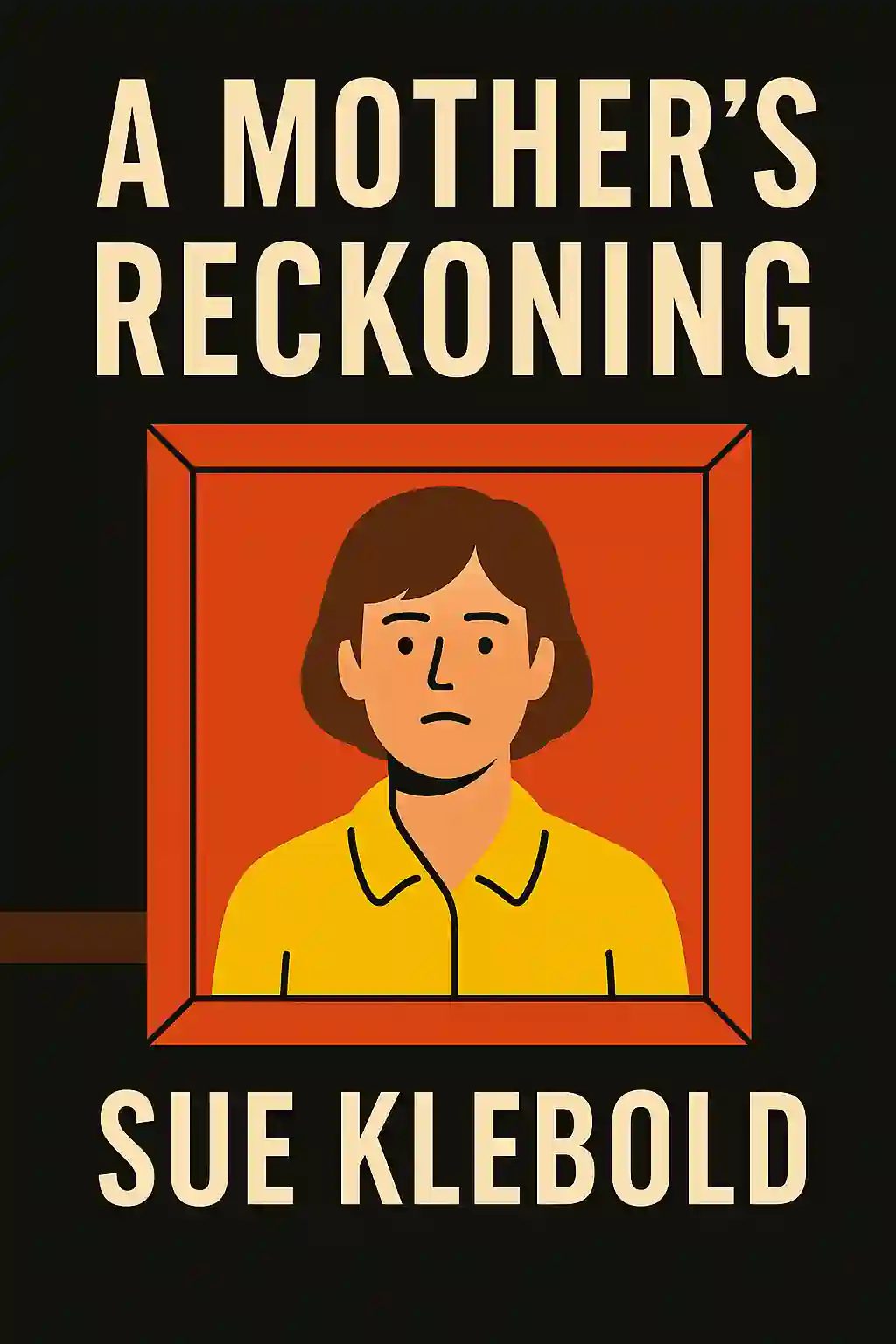
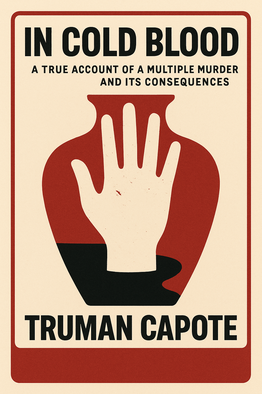
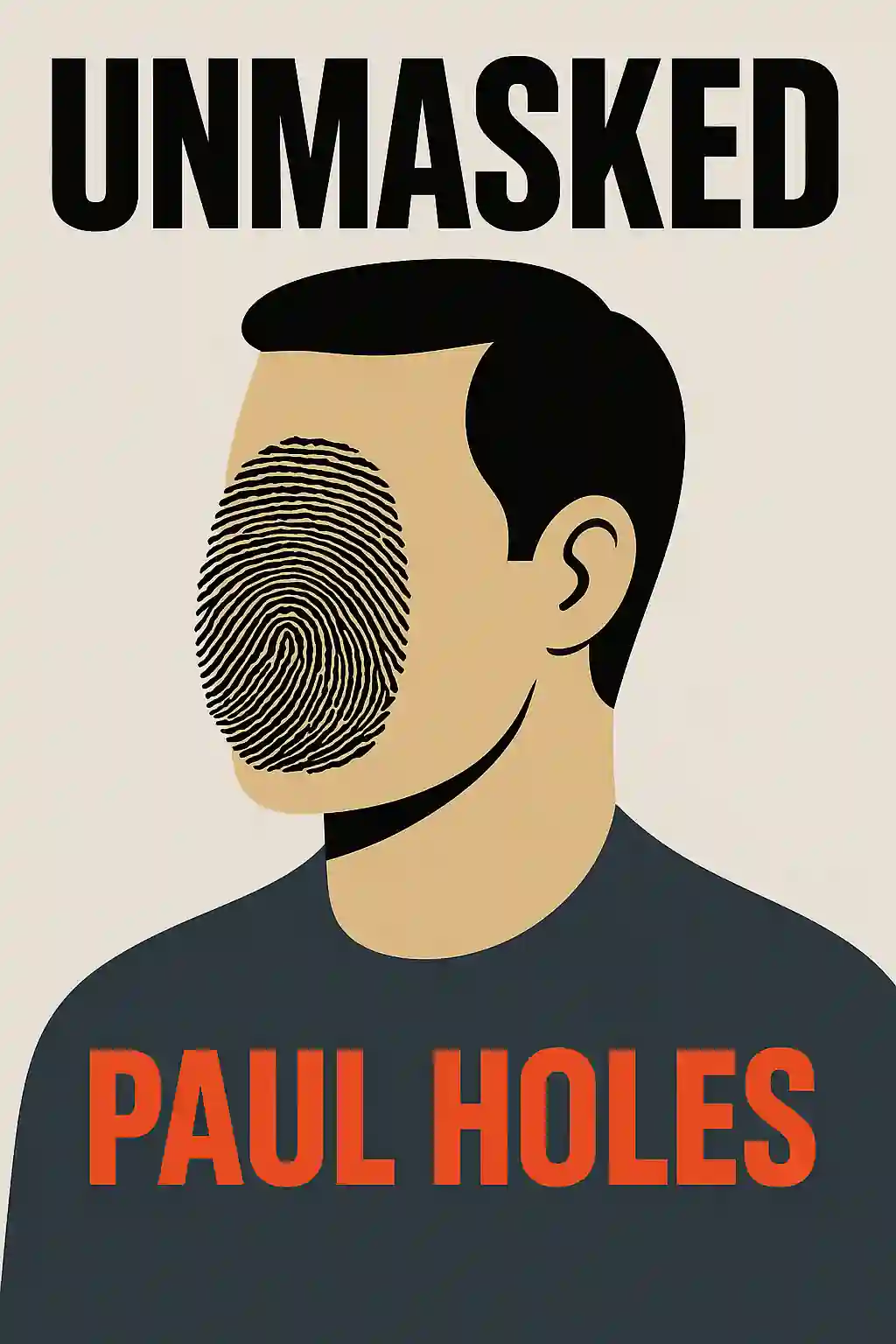
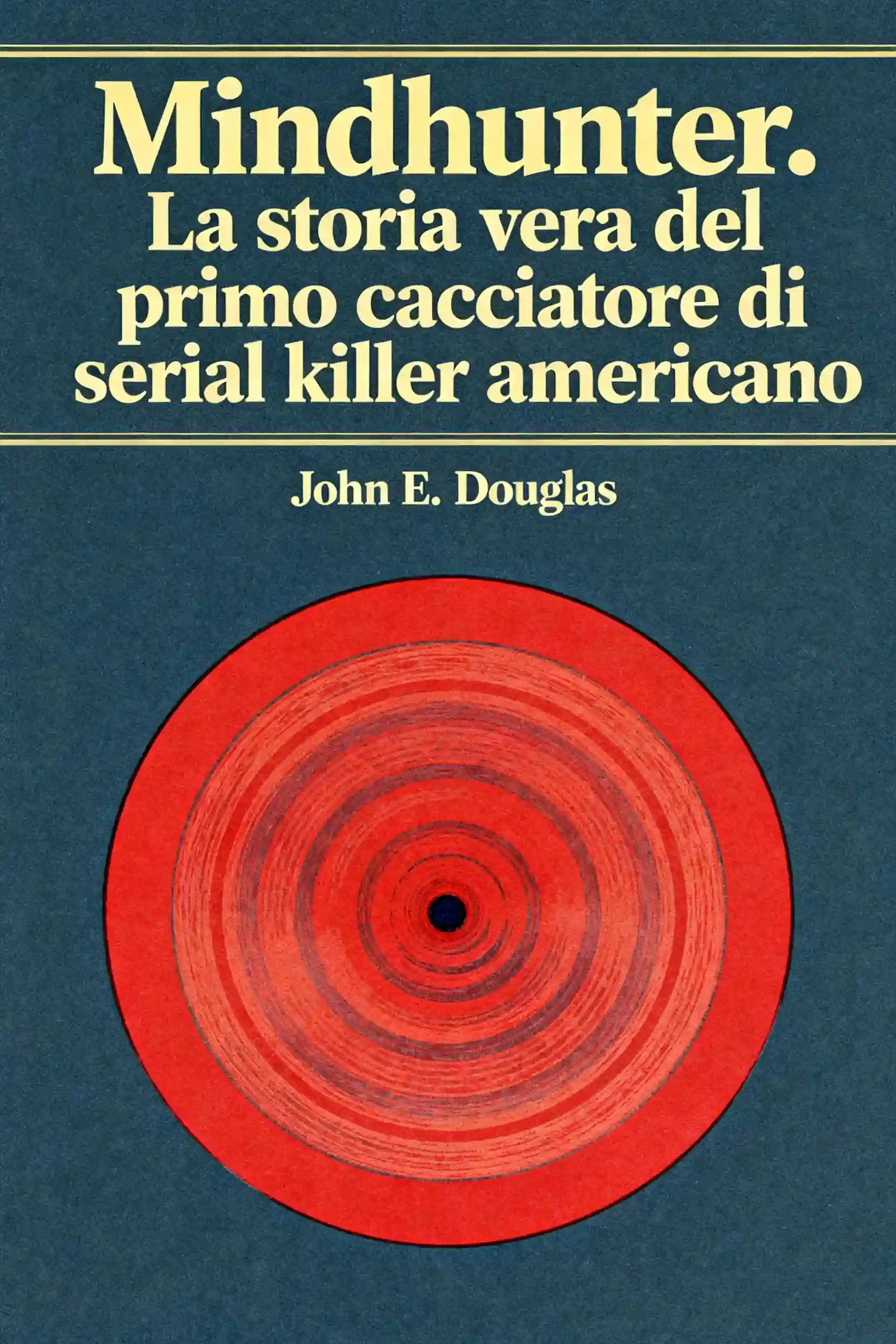
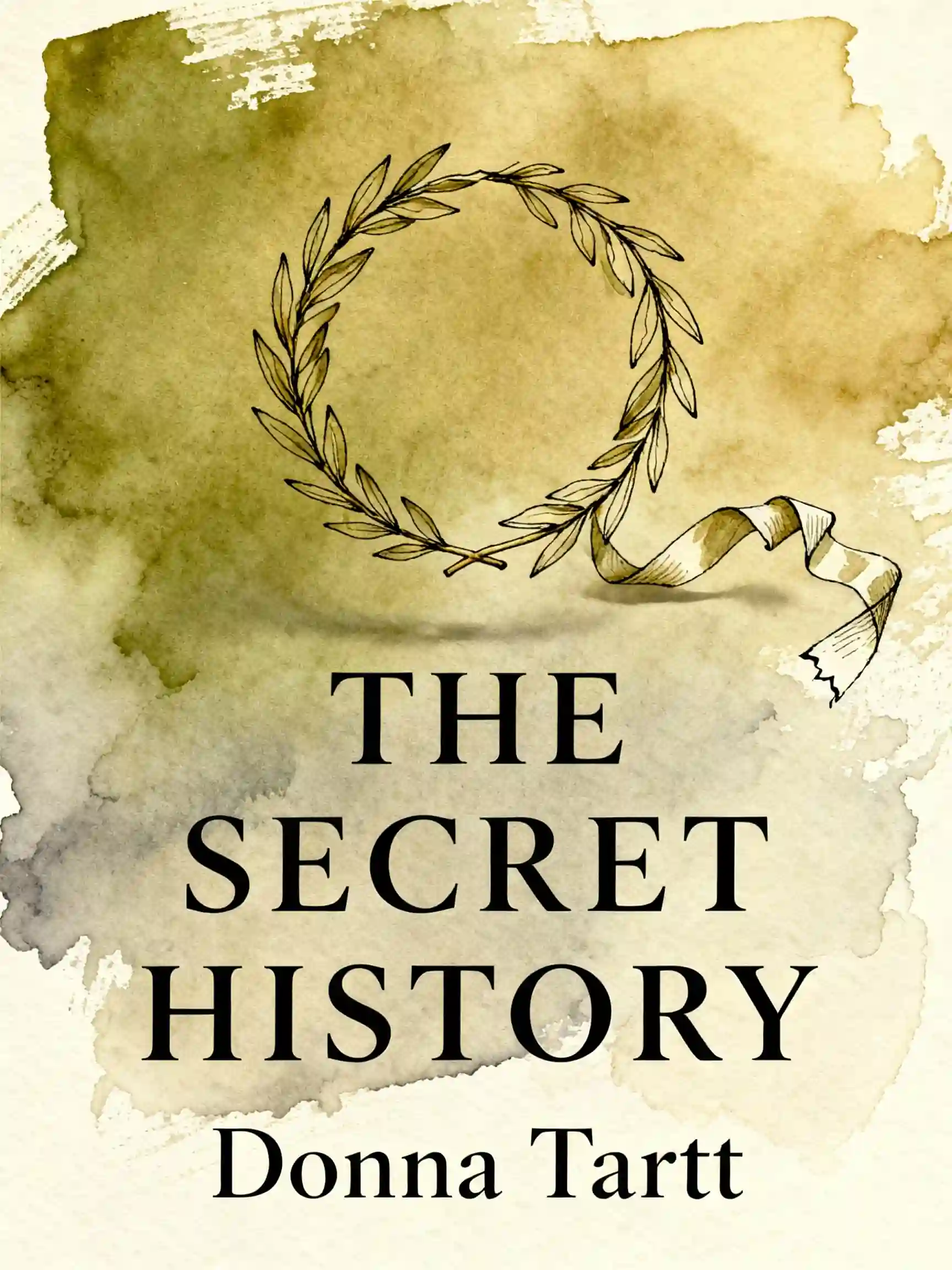
Frequently Asked Questions
The Columbine shooting occurred on April 20, 1999, at Columbine High School in Littleton, Colorado. Two students, Eric Harris and Dylan Klebold, carried out a planned attack involving firearms and explosives, resulting in the deaths of 12 students and one teacher. This tragic event, often referred to as the Columbine massacre, remains one of the most significant incidents in the history of American school violence and has had a profound impact on national conversations regarding safety and mental health.
The attack was carried out by two seniors at the school, Eric Harris and Dylan Klebold. Following the shooting, extensive investigations were conducted to understand their motivations and the planning behind the event. Their actions led to a massive shift in how law enforcement and school administrations perceive internal threats. The legacy of their actions continues to be studied by criminologists and psychologists to help prevent future tragedies through better intervention and school safety history analysis.
The 1999 school shooting at Columbine served as a major turning point for school safety history in the United States. In the aftermath, schools across the country implemented stricter security measures, such as metal detectors, zero-tolerance policies, and the presence of school resource officers. Additionally, law enforcement changed their active shooter response tactics, moving away from perimeter containment to immediate entry to neutralize threats, a direct result of the lessons learned from the response at Columbine High School.
Discover more

Understand Conspiracy Theories
Understand Conspiracy Theories
In an era of rapid digital misinformation, understanding the psychological and historical roots of conspiracy theories is essential for maintaining objective reality. This plan is ideal for students, researchers, and citizens looking to sharpen their analytical defenses against manipulation and post-truth rhetoric.

Stop bully's lies and reclaim my reputation
Stop bully's lies and reclaim my reputation
Workplace manipulation can derail a career if left unaddressed. This plan is designed for professionals facing character assassination who need practical tools to neutralize toxicity and rebuild their professional authority.
learn about how cults work
learn about how cults work
Understanding how cults operate is essential in an era where manipulative influence extends beyond traditional religious groups into online communities, wellness movements, political organizations, and corporate cultures. This knowledge benefits mental health professionals, educators, family members concerned about loved ones, and anyone seeking to protect themselves from coercive persuasion in an increasingly polarized world where echo chambers and charismatic influencers wield unprecedented power.

Guns
Guns
This learning plan provides essential knowledge for anyone seeking to understand one of America's most contentious and consequential policy debates. It's particularly valuable for students, educators, policymakers, advocates, journalists, and engaged citizens who want to move beyond partisan talking points to grasp the constitutional, cultural, and public health dimensions of firearms in American society.

The Best Books About Bravery and Courage
Discover books about courage—from personal survival to public defiance—each one a masterclass in choosing bravery over fear.
BeFreed team

Mythology
Mythology
This learning plan provides a deep dive into the structural and psychological foundations of human storytelling across history. It is ideal for writers, students of humanities, or anyone seeking to understand the universal archetypes that drive both ancient legends and modern culture.
Covert narcissists
Covert narcissists
Covert narcissism is one of the most damaging yet hardest-to-detect relationship patterns, leaving victims questioning their reality and self-worth. This learning plan is essential for anyone who has experienced confusing, emotionally draining relationships where they feel controlled but can't quite pinpoint why, as well as those seeking to protect themselves from future manipulation and build healthier connections.
Build self-concept and esteem with CPTSD
Build self-concept and esteem with CPTSD
This learning plan is designed for individuals navigating the long-term effects of complex trauma on their self-image. It provides a structured path to move from shame-based living to a life rooted in authentic self-worth and emotional regulation.
From Columbia University alumni built in San Francisco
"Instead of endless scrolling, I just hit play on BeFreed. It saves me so much time."


"I never knew where to start with nonfiction—BeFreed’s book lists turned into podcasts gave me a clear path."


"Perfect balance between learning and entertainment. Finished ‘Thinking, Fast and Slow’ on my commute this week."
"Crazy how much I learned while walking the dog. BeFreed = small habits → big gains."
"Reading used to feel like a chore. Now it’s just part of my lifestyle."

"Feels effortless compared to reading. I’ve finished 6 books this month already."
"BeFreed turned my guilty doomscrolling into something that feels productive and inspiring."

"BeFreed turned my commute into learning time. 20-min podcasts are perfect for finishing books I never had time for."
"BeFreed replaced my podcast queue. Imagine Spotify for books — that’s it. 🙌"

"It is great for me to learn something from the book without reading it."
"The themed book list podcasts help me connect ideas across authors—like a guided audio journey."
"Makes me feel smarter every time before going to work"
From Columbia University alumni built in San Francisco
"Instead of endless scrolling, I just hit play on BeFreed. It saves me so much time."
"I never knew where to start with nonfiction—BeFreed’s book lists turned into podcasts gave me a clear path."
"Perfect balance between learning and entertainment. Finished ‘Thinking, Fast and Slow’ on my commute this week."
"Crazy how much I learned while walking the dog. BeFreed = small habits → big gains."
"Reading used to feel like a chore. Now it’s just part of my lifestyle."
"Feels effortless compared to reading. I’ve finished 6 books this month already."
"BeFreed turned my guilty doomscrolling into something that feels productive and inspiring."
"BeFreed turned my commute into learning time. 20-min podcasts are perfect for finishing books I never had time for."
"BeFreed replaced my podcast queue. Imagine Spotify for books — that’s it. 🙌"
"It is great for me to learn something from the book without reading it."
"The themed book list podcasts help me connect ideas across authors—like a guided audio journey."
"Makes me feel smarter every time before going to work"
"Instead of endless scrolling, I just hit play on BeFreed. It saves me so much time."
"I never knew where to start with nonfiction—BeFreed’s book lists turned into podcasts gave me a clear path."
"Perfect balance between learning and entertainment. Finished ‘Thinking, Fast and Slow’ on my commute this week."
"Crazy how much I learned while walking the dog. BeFreed = small habits → big gains."
"Reading used to feel like a chore. Now it’s just part of my lifestyle."
"Feels effortless compared to reading. I’ve finished 6 books this month already."
"BeFreed turned my guilty doomscrolling into something that feels productive and inspiring."
"BeFreed turned my commute into learning time. 20-min podcasts are perfect for finishing books I never had time for."
"BeFreed replaced my podcast queue. Imagine Spotify for books — that’s it. 🙌"
"It is great for me to learn something from the book without reading it."
"The themed book list podcasts help me connect ideas across authors—like a guided audio journey."
"Makes me feel smarter every time before going to work"
"Instead of endless scrolling, I just hit play on BeFreed. It saves me so much time."
"I never knew where to start with nonfiction—BeFreed’s book lists turned into podcasts gave me a clear path."
"Perfect balance between learning and entertainment. Finished ‘Thinking, Fast and Slow’ on my commute this week."
"Crazy how much I learned while walking the dog. BeFreed = small habits → big gains."
"Reading used to feel like a chore. Now it’s just part of my lifestyle."
"Feels effortless compared to reading. I’ve finished 6 books this month already."
"BeFreed turned my guilty doomscrolling into something that feels productive and inspiring."
"BeFreed turned my commute into learning time. 20-min podcasts are perfect for finishing books I never had time for."
"BeFreed replaced my podcast queue. Imagine Spotify for books — that’s it. 🙌"
"It is great for me to learn something from the book without reading it."
"The themed book list podcasts help me connect ideas across authors—like a guided audio journey."
"Makes me feel smarter every time before going to work"


